FrontStreet Coffee found the following content related to "darker" for you
The upper limit of the flavor of espresso is largely determined by the type of beans. Robusta brings thickness and oil to the concentrate, while Arabica brings flavor and layer to the concentrate - understanding the expression logic of Arabica in the Italian system is the key to understanding an Italian bean list. Let’s start with the ingredient structure. Caffeine in Arabica
Read more →
目前市面上的咖啡豆琳琅满目,选择实在太多了! !作为咖啡入门小白,如何挑选适合自己的咖啡豆呢?本文前街咖啡就简单和大家聊一聊挑选咖啡豆的的要点。 first!我们要选择新鲜烘焙、标志着烘焙日期的咖啡豆咖啡豆在烘
Read more →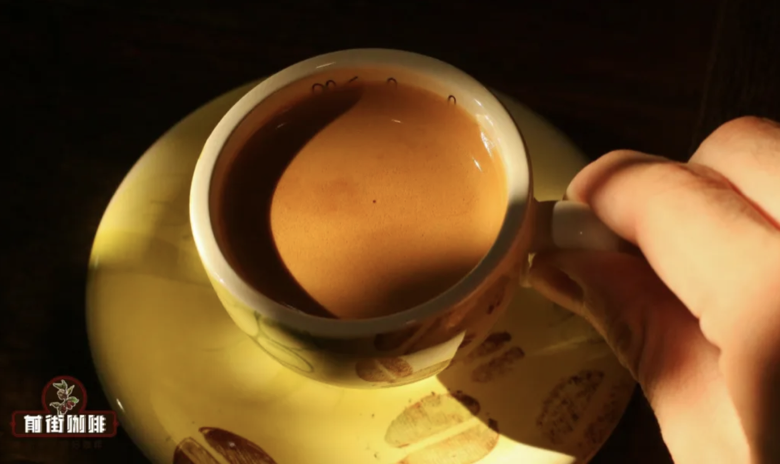
In the Italian world, that layer of golden-brown crema is what many players are chasing. Whether the fat is thick or fine, directly affects the fusion between the concentrated taste and milk coffee. There is a clear logic from the bean level that determines the performance of fats - variety, ingredients and roasting, three factors are written together.
Read more →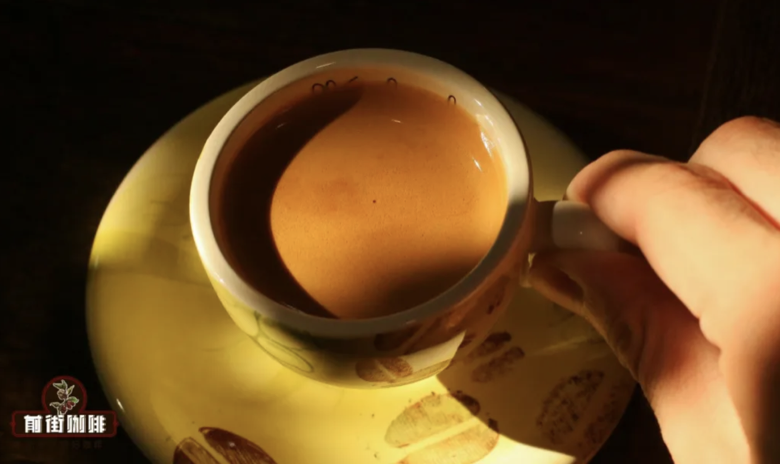
In the Italian world, that layer of golden-brown crema is what many players are chasing. Whether the fat is thick or fine, directly affects the fusion between the concentrated taste and milk coffee. There is a clear logic from the bean level that determines the performance of fats - variety, ingredients and roasting, three factors are written together.
Read more →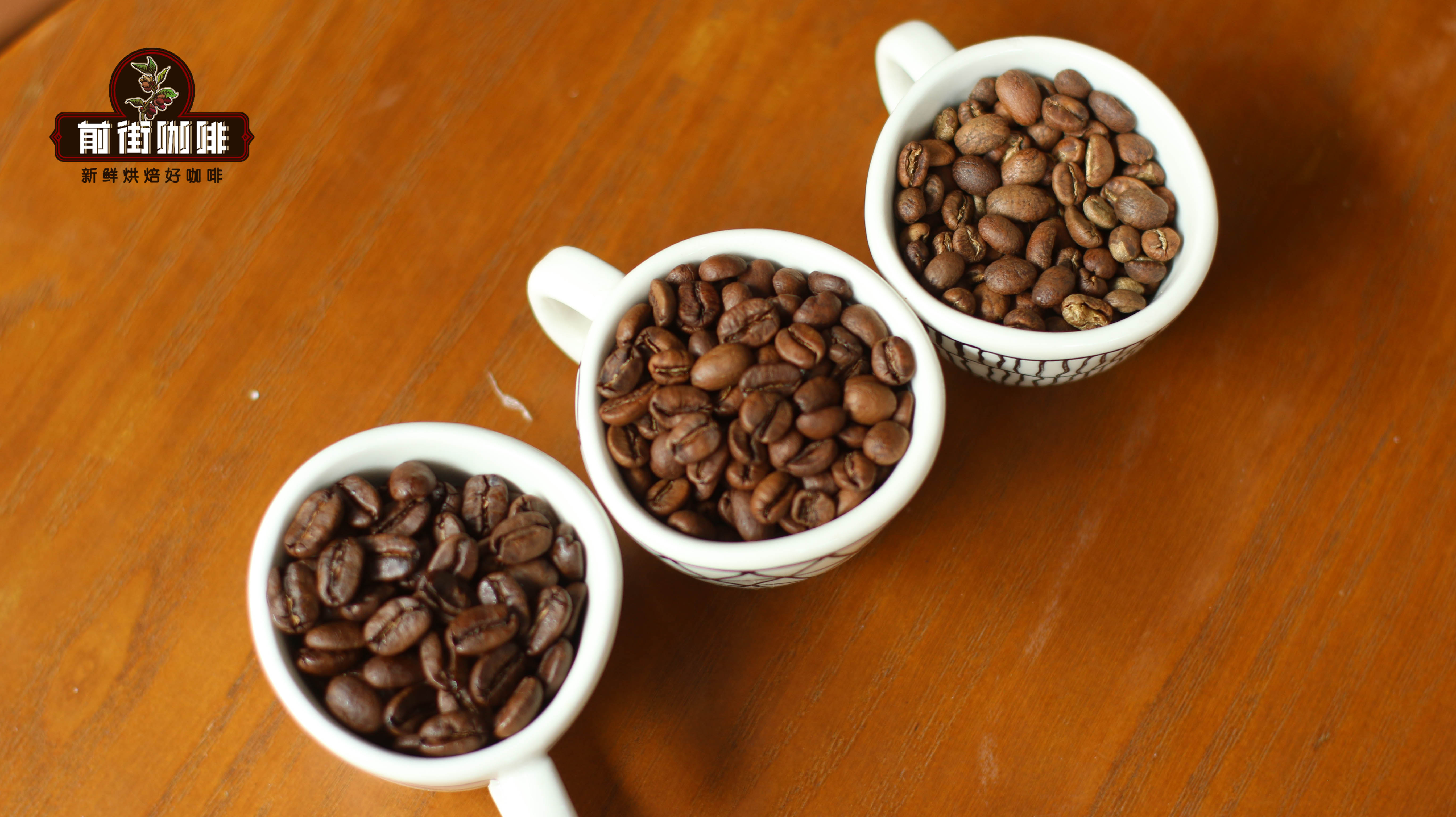
The roasting degree of coffee beans is roughly divided into light roasting (Light), medium roasting (Medium), and dark roasting (Deep). Light Roast: Light Roast (Light Roast), Cinnamon Roast (Cinnamon Roast) have a strong aroma and obvious sour taste
Read more →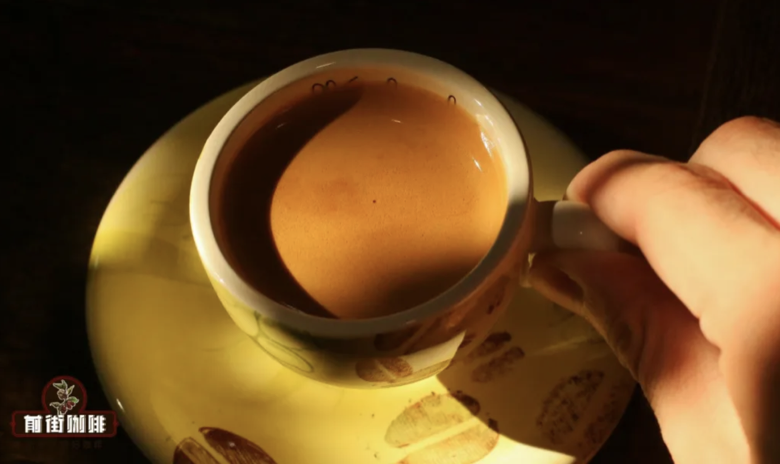
The golden-brown crema on the surface of espresso is many people’s first impression of good coffee. Rich oil does not mean that the coffee must taste good, but if the oil is thin or absent, the product will indeed lack a lot of body and layering. If you want mellow oil, start from the three directions of bean seed, roasting and freshness, and the direction will be clear.
Read more →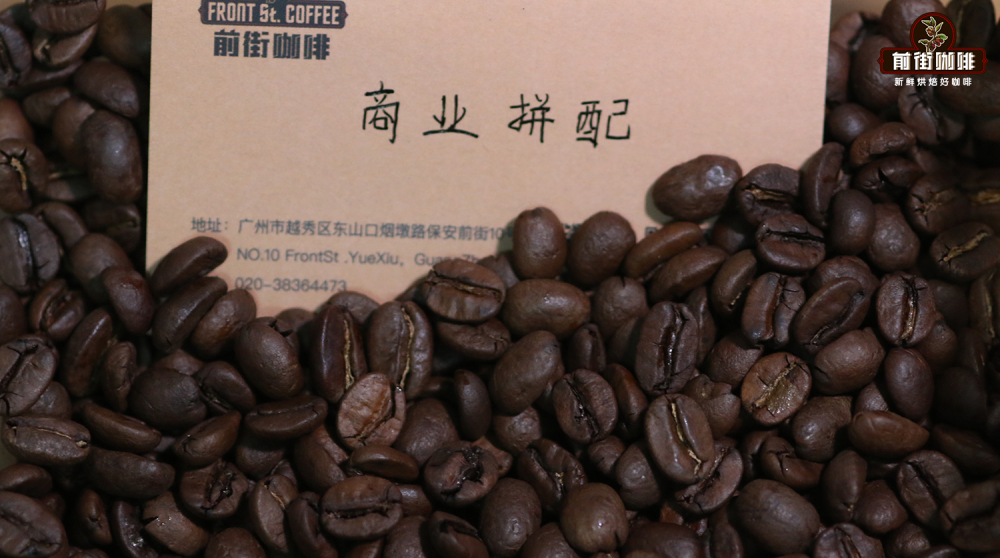
Anyone who drinks coffee regularly knows that coffee beans have different degrees of roasting, resulting in different flavors and textures. As a self-roasted cafe, Front Street has dozens of furnaces of coffee beans that need to be roasted every day. It knows the flavors of light-roasted Yirgacheffe, medium-roasted Brazilian coffee, etc. It also needs to be familiar with new beans.
Read more →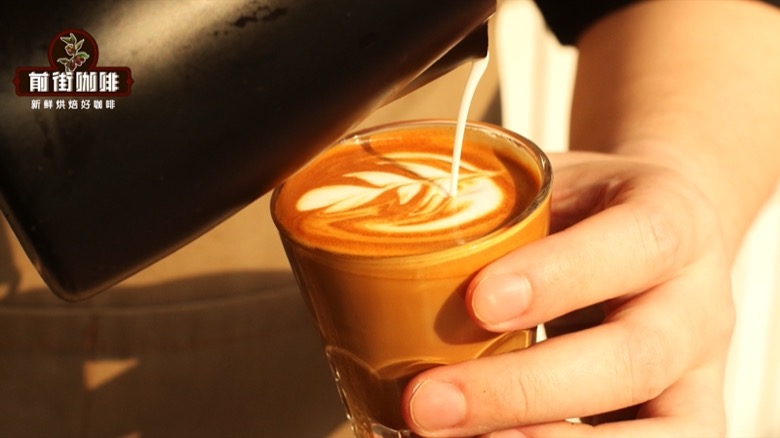
In a cup of latte, milk occupies the vast majority of the volume, and the coffee only has a small cup of concentrated base. If you want this cup of milk coffee to have a clear coffee flavor, when selecting beans, you must look at the concentration and structure of the flavor substances, which is often referred to as penetration. Beans with strong penetrating power create a clear latte with a clear boundary between milk and coffee.
Read more →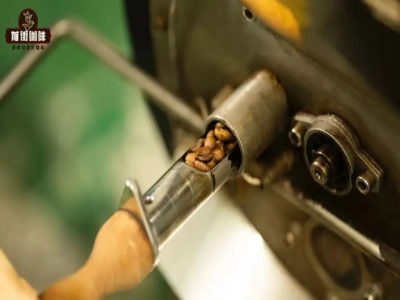
The degree of roasting of coffee beans is very important because it determines its overall taste and also affects the presentation of the flavor. To put it simply, if the coffee you brew is particularly bitter, it means that its roasting degree is very dark. When the taste is very sour, it means that the roasting degree is too light. Therefore, for those who are pursuing a balanced taste, it is best to start with a medium roast.
Read more →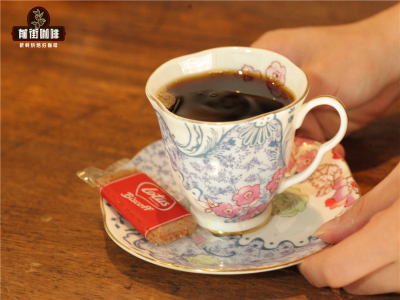
Like hand brewing, hanging ears are obtained by injecting hot water into coffee powder and extracting it. Therefore, the coffee beans used will directly determine the taste of a cup of American black coffee. The degree of roasting of coffee beans is determined based on the flavor characteristics of the production area. Since the organic compounds in coffee impart many of its acidic qualities,
Read more →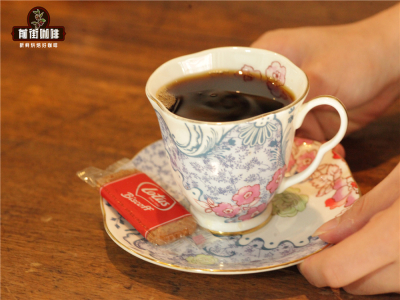
Like hand brewing, hanging ears are obtained by injecting hot water into coffee powder and extracting it. Therefore, the coffee beans used will directly determine the taste of a cup of American black coffee. The degree of roasting of coffee beans is determined based on the flavor characteristics of the production area. Since the organic compounds in coffee impart many of its acidic qualities,
Read more →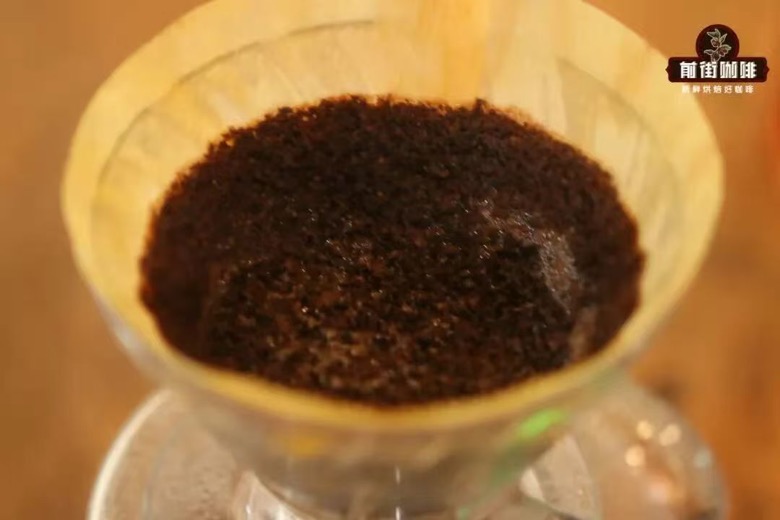
People who are into hand brewing cannot avoid one word: production area. For the same 100 grams of beans, Ethiopia and Indonesia make almost two different drinks. The influence of the production area on the flavor comes from the combined effect of altitude, climate, soil and local processing traditions. Once you understand this main line, hand-brewed bean selection has changed from a chance to a well-founded one.
Read more →
With the popularity of specialty coffee culture, more and more coffee fans are beginning to study how to brew coffee at home to bring out the flavor of single-origin coffee beans, but they don’t know how to do it. They always feel that the flavor of the brewed coffee is not as good as that drunk in a cafe. So how can you brew the flavor of a single-origin coffee bean?
Read more →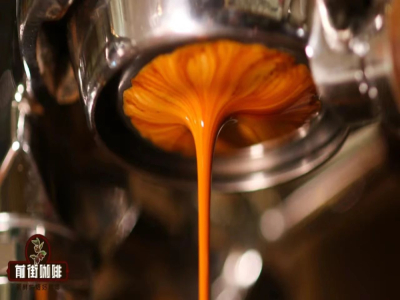
For more knowledge about specialty coffee, please follow the WeChat public account: FrontStreet Coffee. What is SOE coffee? SOE is the abbreviation of Single Origin Espresso, which means single origin espresso. The focus is to highlight
Read more →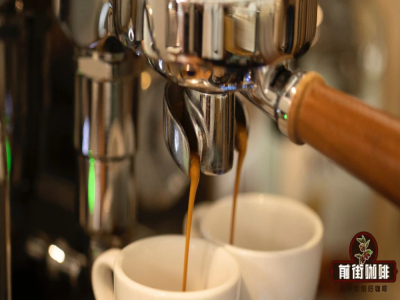
What is SOE Espresso? What is SOE? "SOE" is actually the abbreviation of "Single Origin Espresso", which translates to: "Single Origin Espresso". That is to say, the espresso coffee made from a single origin is emphasized. Compared with blending, a single origin coffee
Read more →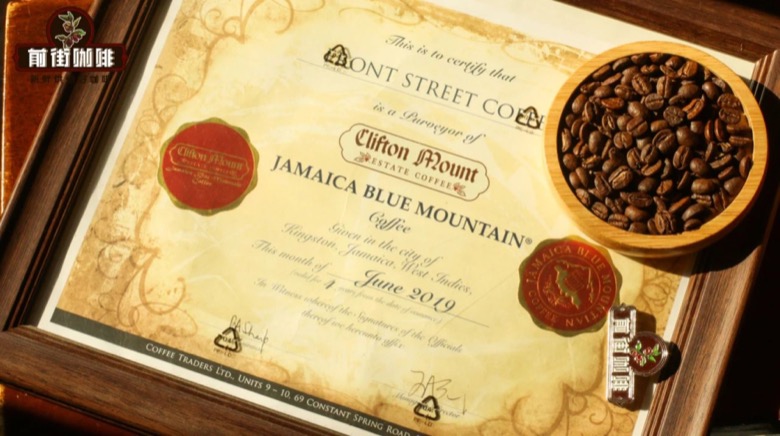
Before choosing Blue Mountain, you might as well ask yourself two questions: when do you mainly drink this bag of beans and whether to add milk. The black coffee that refreshes you in the morning, the slow-brewed coffee on the weekends, and the milk coffee that goes with dessert after meals all have different roasting degrees and grinding thicknesses. The scene is set first, and the range of beans is narrowed. The Blue Mountains are famous for
Read more →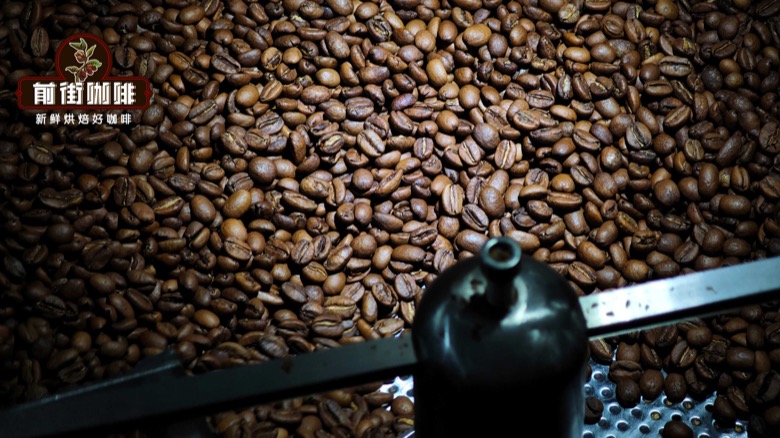
A non-acid Yirgacheffe is a counter-intuitive choice - Yirgacheffe is known for its acidity, but roasting and processing methods can change the expression of the acid: in the medium-dark roasted version, the acidity is rounded, and the sweetness of nuts and caramel emerges. Although Front Street’s Queen of Brazil Estate is not yega, it represents the flavor logic of this “low sour and sweet” route;
Read more →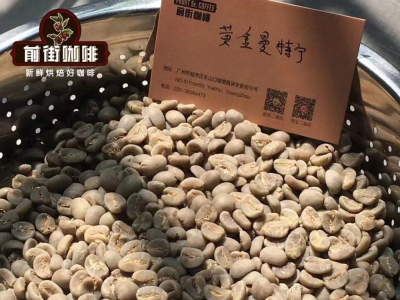
Green coffee beans themselves are rich in aroma and taste, but various physical and chemical reactions will occur during the roasting process, which can increase, decrease, and reorganize various flavors. Therefore, roasting has a very significant impact on the flavor of coffee. From Front Street’s point of view, you don’t have to have dark roasted beans to make espresso, any roasting degree
Read more →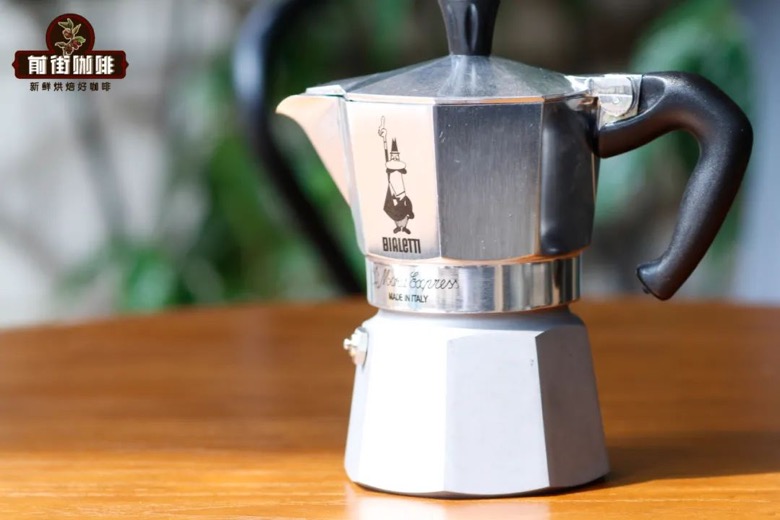
The extraction pressure of a Moka pot is between that of a manual brewer and an espresso machine. This characteristic of "neither higher nor lower" makes it particularly sensitive to the degree of roasting - the same beans are made in a Moka pot, and the difference between medium roasting and dark roasting is more intuitive than other appliances. If you want to know what roasting degree of beans goes with a Moka pot, first check the performance of each roasting degree in the pot.
Read more →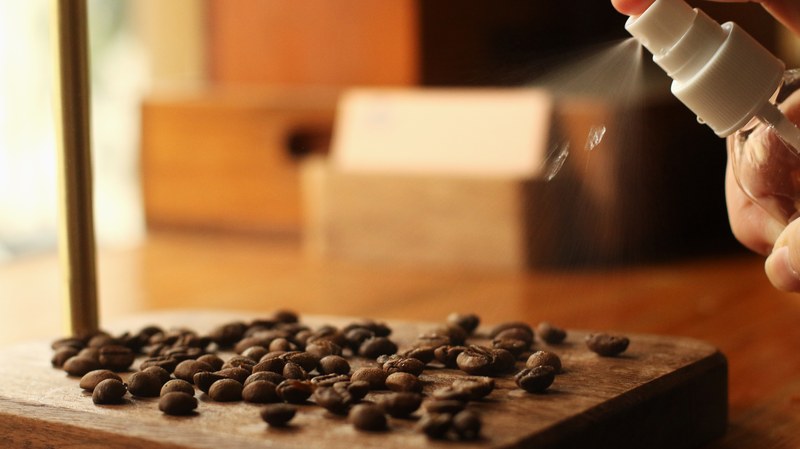
Cold brew coffee beans are not just about memorizing a few names. Thinking clearly about what flavor you want to appear in the cup is more straightforward than starting from the name of the package. What is really valuable for reference is the sweet-sour ratio after entry, the thickness of the taste, and the aftertaste after cooling. Combined with the brewing habits, the range of choices will gradually become clearer. Just cold brew coffee
Read more →Be the first to know about new bean releases, brewing tips, promotions and cupping notes

Scan to Follow Front Street Coffee on WeChat
