

With the popularity of specialty coffee culture, more and more coffee fans are beginning to study how to brew coffee at home to bring out the flavor of single-origin coffee beans, but they don’t know how to do it. They always feel that the flavor of the brewed coffee is not as good as that drunk in a cafe. So how can you brew the flavor of a single-origin coffee bean? In this next article, FrontStreet Coffee will educate coffee fans about the basic knowledge of brewing coffee by hand, the equipment needed, and the brewing technique parameters.
What is pour-over coffee?
Hand-brewed coffee literally means brewing coffee manually. So what does it mean? Coffee fans who often come to FrontStreet Coffee to taste single-origin coffee have all seen that Pour over(V60) coffee refers to using a filter cup and filter paper to hold moderately ground coffee powder under an atmospheric pressure. The brewer uses a stable water injection method to pour water of appropriate temperature and volume onto the coffee powder to extract the coffee liquid.
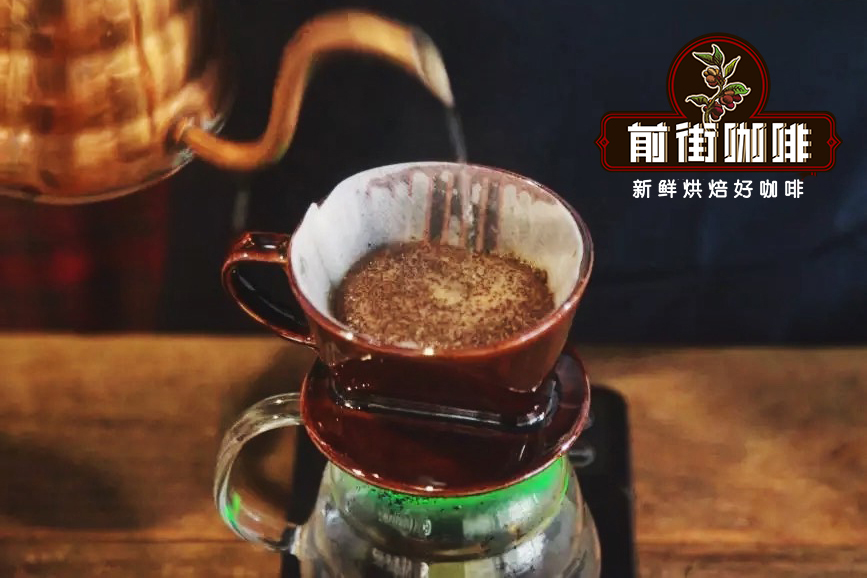
Moreover, FrontStreet Coffee will adjust the grinding thickness, water temperature, water injection method, and brewing time when brewing coffee beans from different production areas. Because these all have an impact on the extraction of coffee flavor, Pour over(V60) coffee is not as simple as it seems, but a brewing method that requires skills and professional coffee knowledge.
What are single origin coffee beans?
The purpose of Pour over(V60) coffee is to brew single-origin coffee, so why does single-origin coffee have to pay attention to so many parameters? This is because single-origin coffee refers to coffee beans produced in a single production area, and can be traced back to the coffee's origin, down to the manor and manor characteristics of the production area, and understand the story of the coffee origin from the source. Therefore, FrontStreet Coffee will also give a more detailed introduction to the various coffee beans introduced in the store, which is also one of the charms of single-origin coffee.
The countries that produce specialty coffee are all over the world, and can be divided into three continents: Asia, Africa, and Latin America. The altitude and climate of these three continents have their own characteristics, which leads to different flavor expressions of coffee beans. However, in general, the flavor of the origin in each continent is not very different. Therefore, macroscopically speaking, the flavor of coffee can be divided into three major categories.

For example, the flavor of Mandheling coffee beans, which are more representative in Asia, is spiced and herbal, with a mellow taste; African coffee is flavored with refreshing citrus citric acid or cherry tomato acid, with a fresh and bright taste; while the flavor of Latin American coffee is somewhere between the first two, more balanced, with a nutty cocoa flavor, which is also caused by the large differences in climate and altitude in its production areas.
If you want to brew the original flavor of these coffee beans by hand, you must pay attention to some details that cannot be ignored, such as Front Street Coffee (Front Street Coffee) Coffee) As mentioned above, the grinding thickness, water temperature, water filling method, brewing time, brewing equipment, etc. of the coffee beans will affect the flavor of the coffee beans brewed by hand. Therefore, if coffee fans do not brew the original flavor characteristics of the coffee beans at home, it is likely that the hand brewing parameters are wrong. Next, FrontStreet Coffee will talk about the impact of the hand brewing parameters on the coffee flavor.
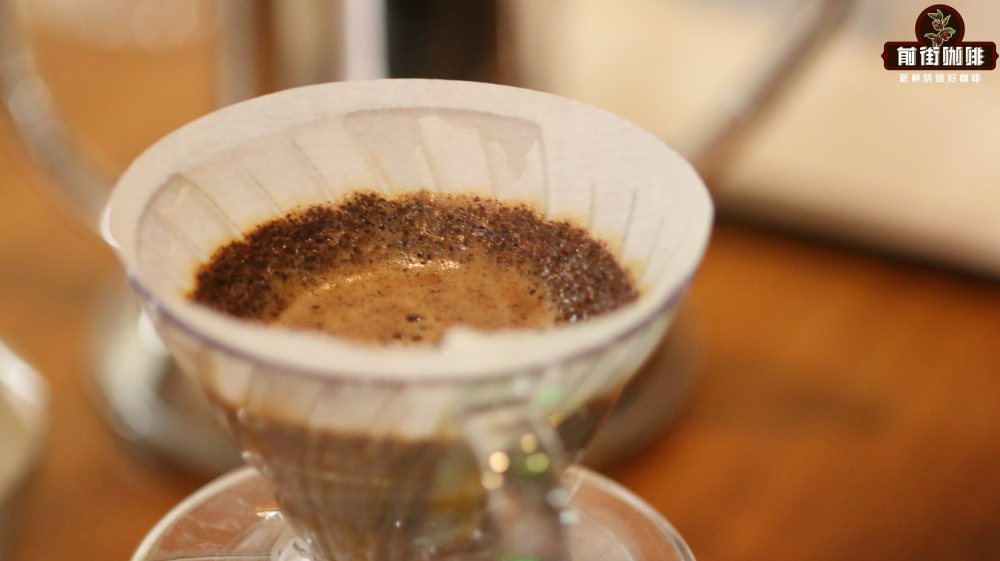
The impact of different common hand brewing data on coffee flavor
Generally speaking, to brew a pot of coffee, FrontStreet Coffee believes that it mainly starts from these four aspects: grinding thickness, water temperature, powder-to-water ratio, and brewing technique.
1. Degree of grinding
This is an important reason for many problems in coffee brewing. Maybe the store will provide a grinding degree and a reference, but each store's grinder is different. We also need to pay attention to whether our grinder is evenly ground, the amount of fine powder, the particle state, etc. Even if it is the same grinder, the state of the ground coffee powder is different (the length of use will lead to grinding deviation), not to mention that you and the merchant are not using the same machine.
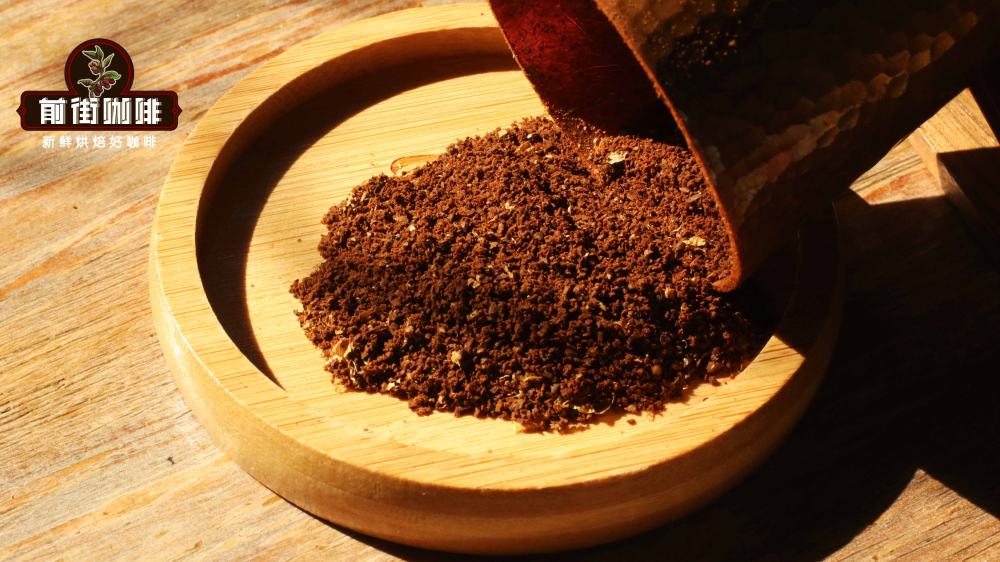
The solution to this problem is to unify standards. For example, Front Street will use the national standard No. 20 (850 micron) standard sieve for screening calibration. According to SCAA cupping standards, the grinding degree for cupping is a No. 20 standard sieve pass rate of 70-75%. Then the grinding degree of Pour over(V60) light roasted coffee brewed by FrontStreet Coffee is generally in the range of 75-80%.
2. Water temperature
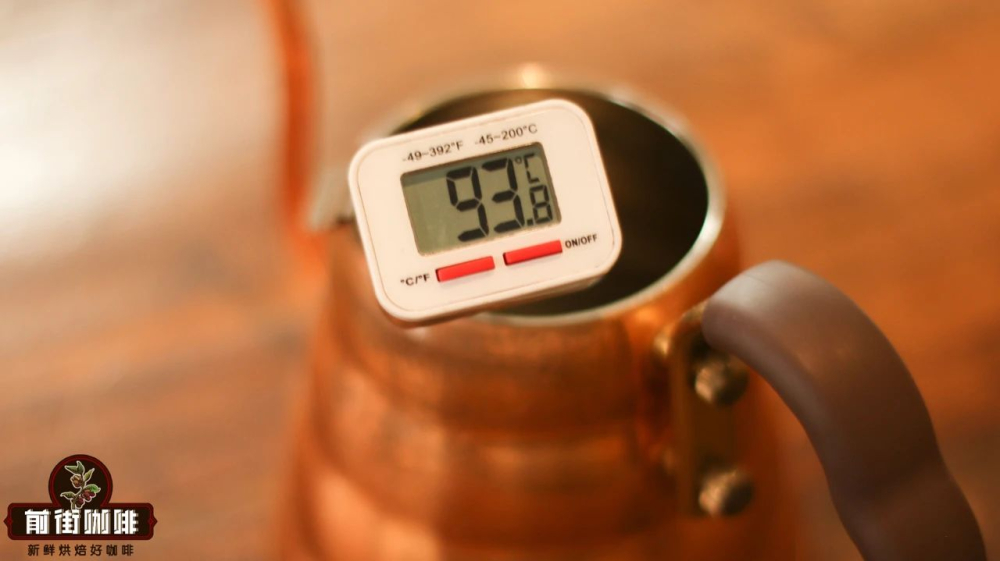
The water temperature for Pour over(V60) coffee is generally recommended to be between 86 and 93℃Between 90 and 91 are used for lighter roasted coffee beans, such as FrontStreet Coffee’s Ethiopian Yirgacheffe Ding Ding coffee beans.℃between, while darker roasted coffee beans, such as FrontStreet Coffee’s PWN Golden Mandheling, use lower water temperatures (between 88 and 89 degrees Celsius). In other words, the darker the roasted coffee beans, the water temperature used should not be lower than 86℃Not higher than 89℃, the lighter the roasted coffee beans, the water temperature used should not be lower than 90℃, not higher than 93℃。
3. Pink to water ratio
The powder-to-water ratio refers to the ratio of coffee powder to brewing water, which affects the intensity of the coffee. It can be 1:10, 1:13, 1:15, or 1:16. FrontStreet Coffee recommends using a powder-to-water ratio of 1:15, which is more moderate in terms of concentration or taste. Of course, everyone pursues a different taste of coffee. When extracting coffee, you can adjust your own powder-to-water ratio according to the richness of taste you want.
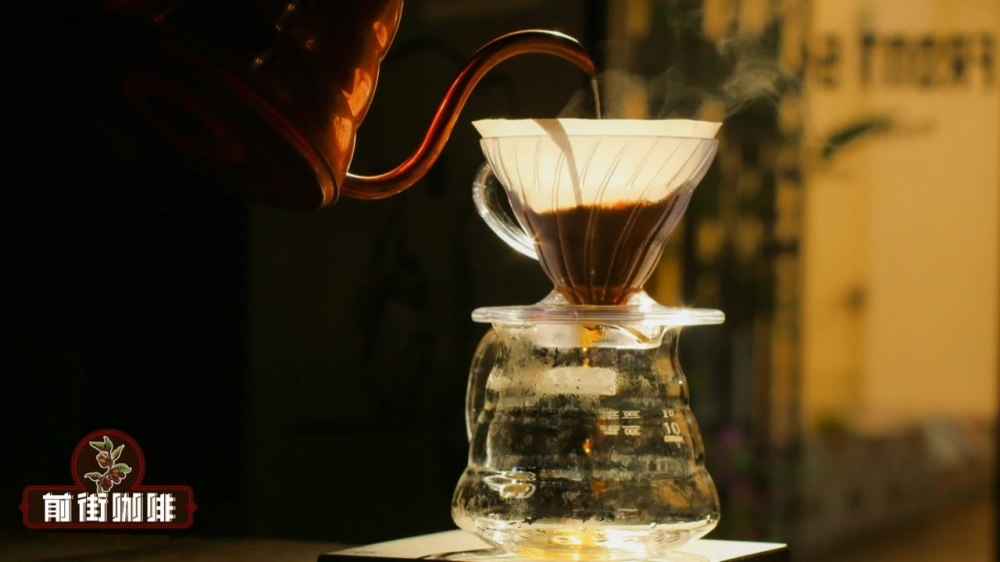
And according to FrontStreet Coffee (FrontStreet Coffee), we learned about the differences in the taste of Pour over(V60) coffee water-to-powder ratio extraction parameters based on the sca golden cup extraction theory.
[Heavy flavor] 1:10~1:11, which is 1:12.5~1:13.5 of the Jinbei standard
[Moderate taste] 1:12~1:13 (i.e. 1:14.5~1:15.5 of the Jinbei standard)
[Little freshness] 1:14~1:16 (i.e. 1:16.5~1:18.5 of the Jinbei standard)

This is also the reason why Front Street has always recommended the use of a powder-to-water ratio of 1:15. Therefore, FrontStreet Coffee summarizes the information given to us by the SCA extraction ratio parameters above:
(1) The greater the powder-to-water ratio, the lighter the coffee taste; the smaller the powder-to-water ratio, the stronger the coffee taste.
(2) Increase the amount of water injected to increase the powder-to-water ratio, resulting in more taste-affecting substances but a lighter taste; reducing the water injection amount to lower the powder-to-water ratio, resulting in fewer taste-affecting substances but a richer taste.
(3) Increase the amount of powder to reduce the powder-to-water ratio, which will reduce the extraction of macromolecules at the end of the coffee and make the taste stronger; reduce the amount of powder to increase the powder-to-water ratio, which will extract more complete flavor substances before reaching the limit, while the richness of the taste will be reduced.
4. Brewing technique
There are many brewing techniques, the most commonly seen ones are three-stage brewing, one-shot brewing, drip brewing, etc. Here, FrontStreet Coffee recommends that novices use the three-stage water injection method to brew, because this method is suitable for light roast, medium light, and medium roast coffee beans. The segmented extraction method of three-stage water injection can clarify the flavor of the front, middle and back sections of coffee, which can better ensure the flavor presentation of coffee.
Three-stage brewing technique for Pour over(V60) coffee:
The first water injection: steaming (to help exhaust gas)

Coffee beans undergo a series of chemical reactions and physical changes during the roasting process from raw beans to mature beans. After reaching a certain level of roasting, a large amount of gas (mostly carbon dioxide) will accumulate in the coffee beans.
Generally speaking, the fresher it is and the closer it is to baking, the more it will bubble during steaming. Dark roasted beans also release more gas during the steaming process than lightly roasted beans. FrontStreet Coffee's coffee beans are freshly roasted, so customers are generally advised to keep the beans for three days to allow the coffee beans to release carbon dioxide first, thus avoiding instability and under-extraction problems during brewing.
After steaming and releasing the gas, the coffee particles can evenly absorb water, allowing for even extraction in the later stages. Good steaming can exhaust the coffee powder quickly, fully and evenly, and also allow the coffee powder to fully and quickly contact the water, helping the coffee powder to be extracted evenly.
Second water injection
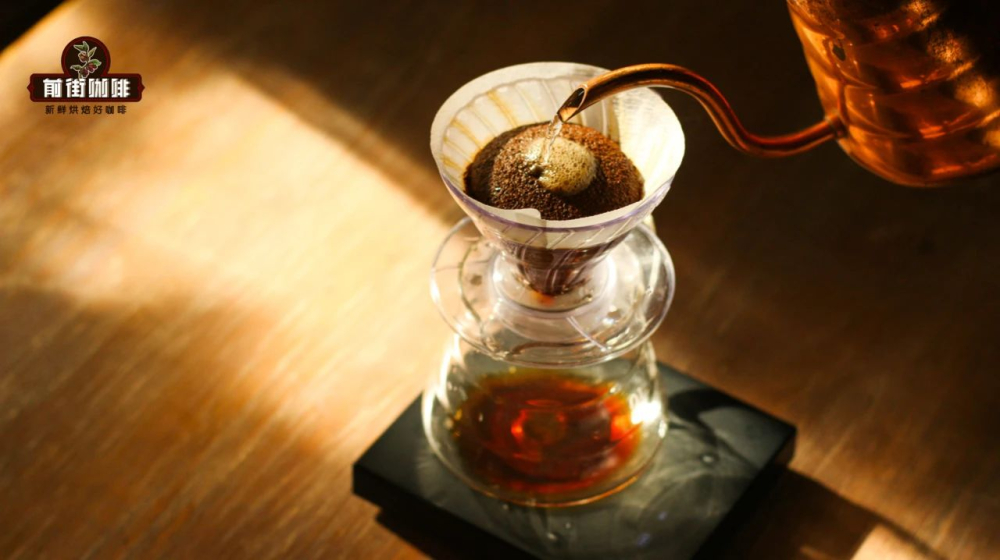
The second water injection starts from the middle and injects a small water column into the bottom of the powder layer. In order to concentrate the penetrating power of the water column, the circle movement range should be small, about the size of a one-yuan coin, and then go out. At the beginning of the second water supply, pay attention to the amount of water and try not to exceed the height of the powder layer. That is to say, when the water column is almost close to the filter paper, the water supply can be stopped.
third water injection
As the originally thicker powder layer on the edge of the filter paper will become heavier due to the draft, it will slip and become thinner as the water level drops. When the water level drops to half, the third water injection can be performed.
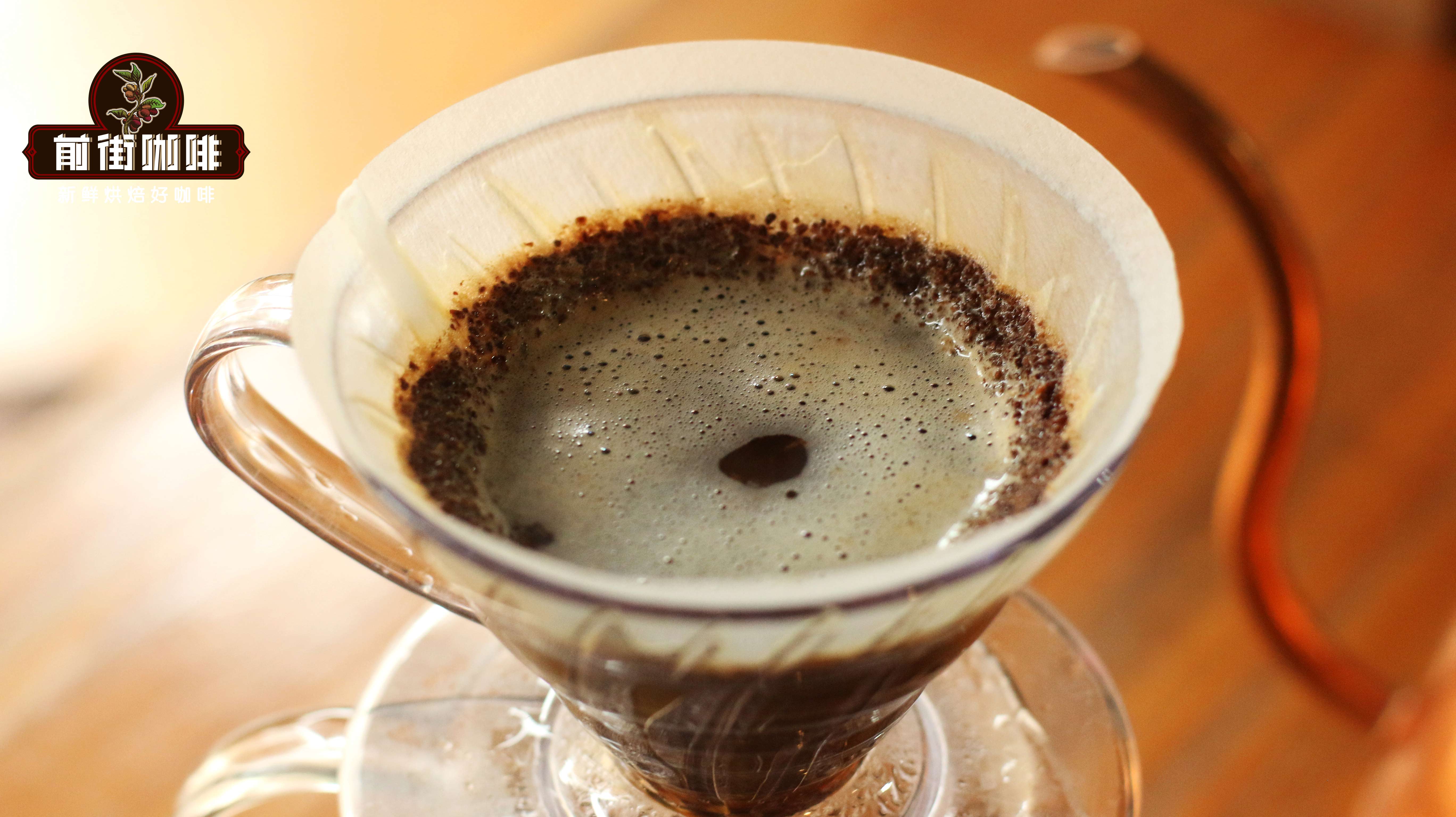
From the third water supply, you must observe the extent of the water level drop. Also start from the center and supply water in a circle. The water volume should not exceed the height of the powder layer. At this time, you will also observe that the foam ratio has occupied the surface. For the third water injection, you must increase the tumbling of the coffee particles to allow all the deposited particles to tumble and dissolve the soluble substances.
The rolling particles will start to stop when water is added. At this time, the flow rate caused by the falling water level is used to cause friction in the coffee particles. Therefore, once the water is stopped, the coffee powder particles will sink and cause blockage, so pay special attention to the rhythm of adding water. If the water is cut off too many times, it means that the coffee powder particles are kept soaked in water. This will cause astringency and miscellaneous flavors in the final coffee extraction.
What situations usually cause brewed coffee to taste astringent?
First of all, to exclude the impact of defective beans on brewing quality, FrontStreet Coffee also encountered sourness and bitterness when it first came into contact with Pour over(V60) single-origin coffee. The main reasons are probably:
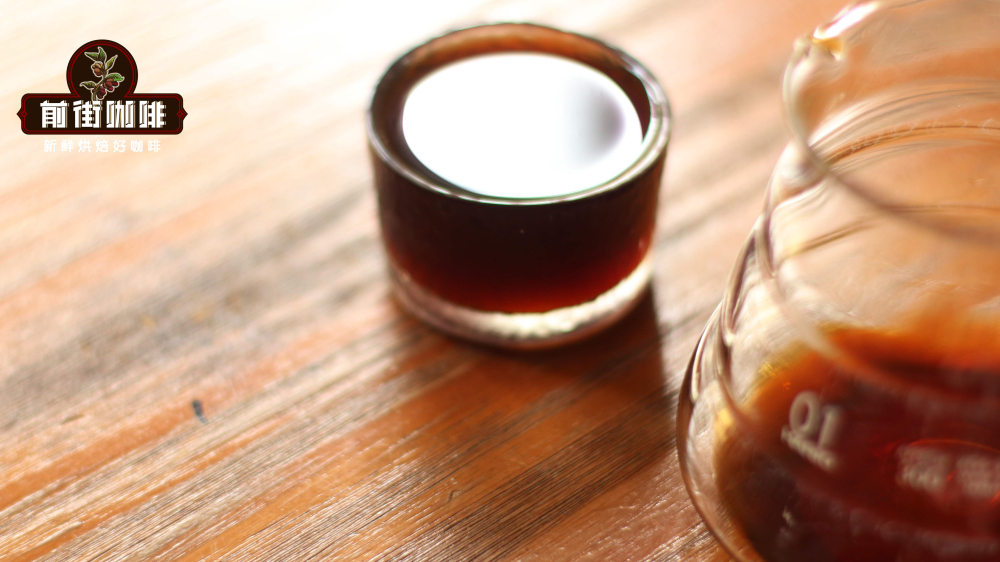
1. The water temperature is too high (or there is a heat source to continuously heat the water temperature);
2. The water temperature is too low (or the hot water loses temperature too quickly);
3. The water flow is full (or too fast);
4. The coffee powder is ground too finely (or there are too many ultrafine powders);
5. The coffee powder is ground too coarsely.
These factors will either cause the extraction rate of coffee to be increased, so that too much dissolved substances are extracted, which will contain good and bad flavors, which are generally manifested as bitterness; or they will cause the extraction rate of coffee to be too low, with too few flavor substances extracted and unbalanced, and the astringency to be amplified and highlighted, which is generally manifested as sourness, which is the bad sourness that coffee novices encounter when they first come into contact with coffee.
The above are the tips and brewing techniques for Pour over(V60) coffee compiled by FrontStreet Coffee. Next, FrontStreet Coffee will introduce the equipment needed for Pour over(V60) coffee.
Hand-brewed coffee equipment

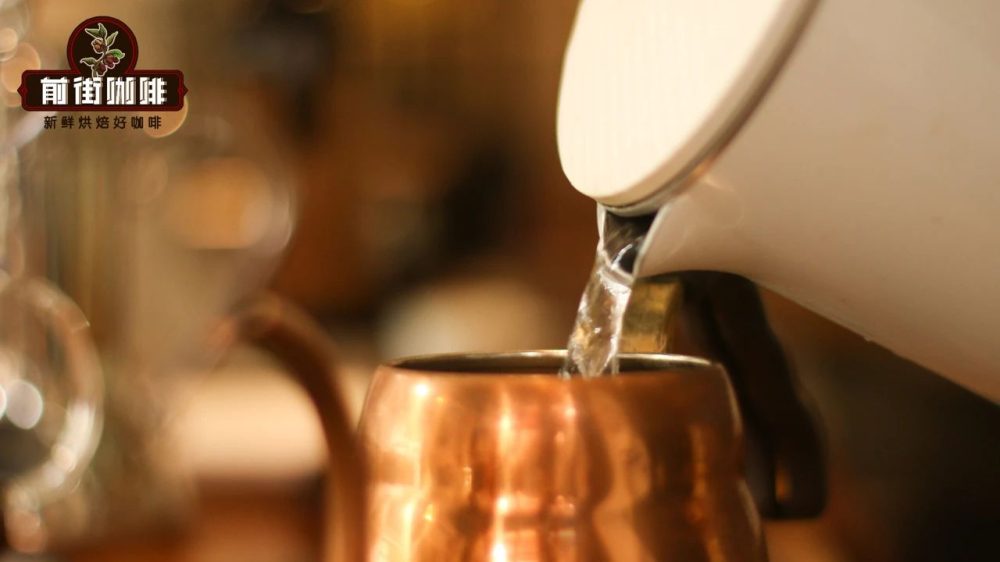
1.Hand-pour pot:There are hand brewing kettles of various sizes and materials on the market, and you can choose according to your needs. What will affect the brewing results more is the size of the spout, because it is related to the amount of water produced. Beginners are generally advised to use a narrow mouth pot, which is easier to control. In addition, each hand brewing kettle is suitable for different heating methods (induction cooker or gas stove), so pay special attention when purchasing.
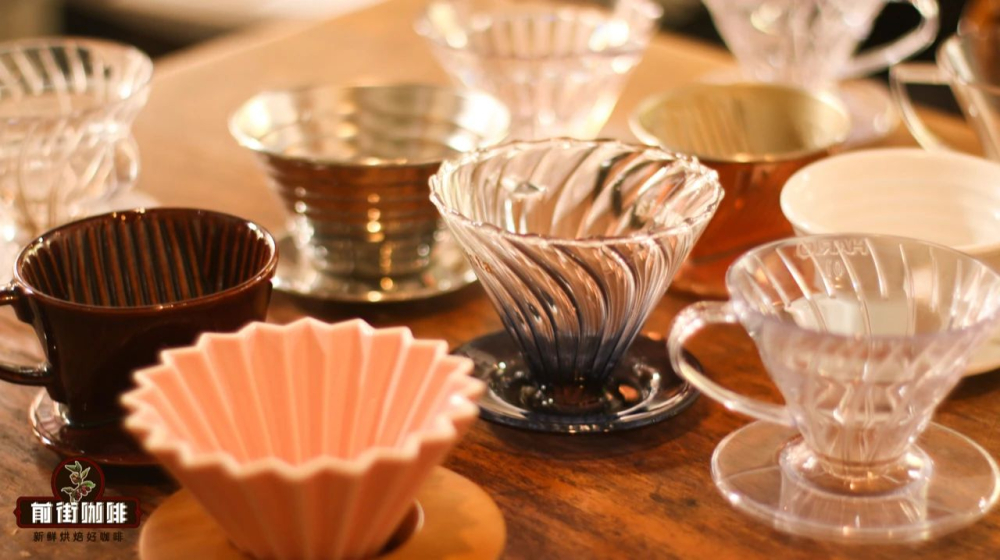
2. Filter cup:The sizes and materials of filter cups also vary, and they are mainly divided into three shapes: fan-shaped, conical and wavy filter cups. The size of the filter diameter at the bottom of the filter cup will affect the flow rate of extracted coffee, thereby affecting the flavor of the coffee. The fan-shaped filter cup has a small filter diameter, slow flow rate, and mellow taste; the cone-shaped filter cup has a large filter diameter, fast flow rate, and lighter taste; the wavy filter cup has a flat bottom and is equipped with special wavy filter paper to filter the coffee with the most uniform taste. What is more special is the metal filter cup, which does not need to be used with filter paper. It can retain more coffee oil and taste stronger, but some finer coffee powder may not be filtered out.

3. Filter paper:There are two types of filter paper, bleached and unbleached. Bleached filter paper looks whiter, while unbleached filter paper looks almost light brown. The function of the filter paper is to use extremely dense fibers to retain the ground coffee powder and filter the extracted coffee into the cup. When purchasing filter paper, you must choose the corresponding filter paper according to your own filter cup.
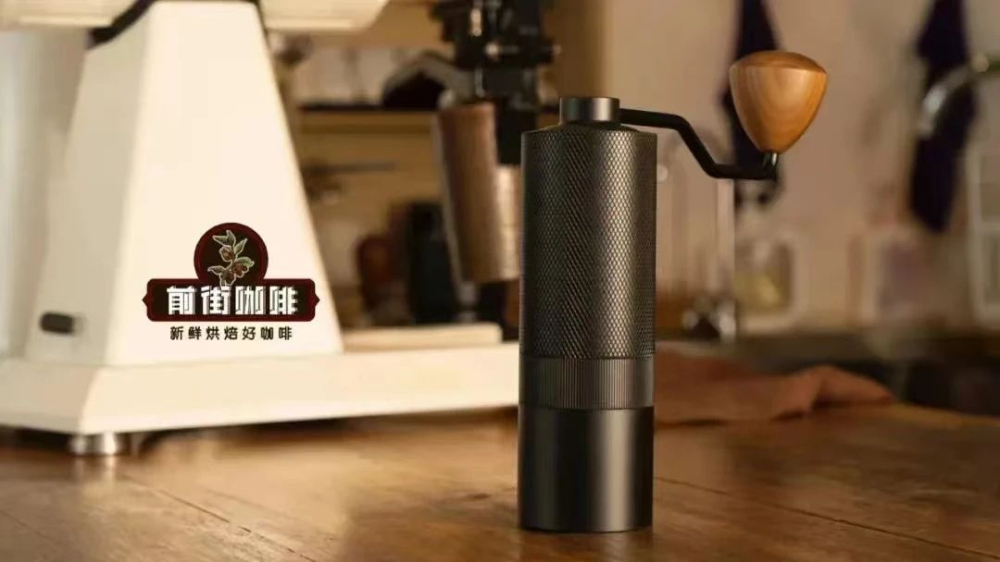
4.Bean grinder:Good Pour over(V60) coffee requires a good grinder. There are three types of grinders on the market.
(1) Ghost tooth grinder
(2) Flat knife grinder
(3) Conical knife grinder
5. Thermometer:Thermometers are used to measure the water temperature of coffee. Thermometers on the market include Tiamo thermometer, Hero thermometer, and Cafede Kona thermometer.
6. Electronic scale:Electronic scales allow us to better control the powder-to-water ratio when brewing coffee, reduce unstable factors, and increase sufficient error tolerance. Electronic scales range from hundreds to dozens of dollars each, including Yami electronic scales, hero smart scales, and Taimo electronic scales.
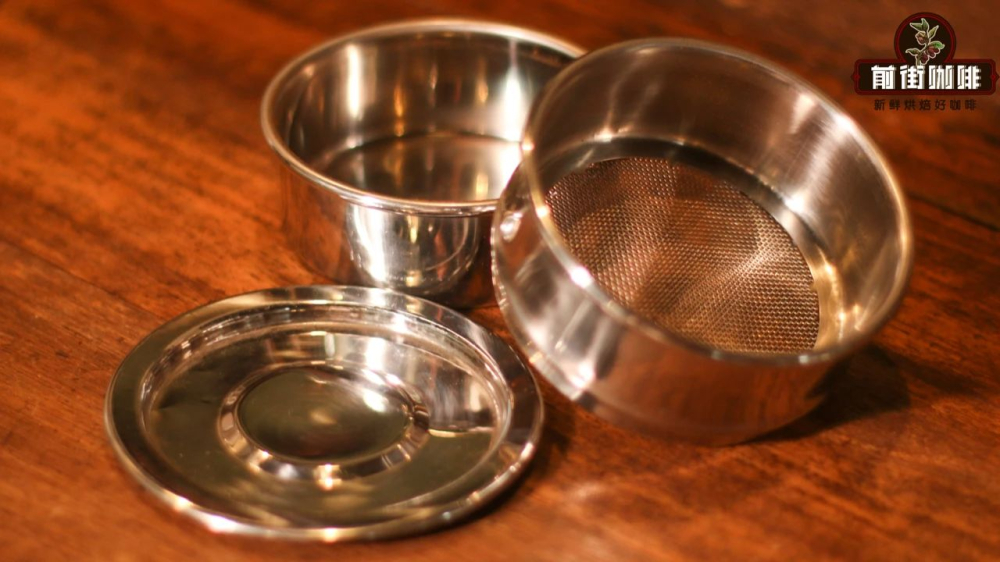
7. Powder sifting net:The main thing is to judge the grinding degree. The grinding degree suitable for hand brewing is different for each type of coffee beans. Through continuous experiments, FrontStreet Coffee has determined that 80% of the coffee beans pass the Chinese standard No. 20 sieve as the grinding degree for hand brewing.
The above is the relevant knowledge about Pour over(V60) coffee compiled by FrontStreet Coffee. I hope it can help coffee fans who want to know more about this aspect. Next, FrontStreet Coffee will share with coffee fans the brewing parameters and techniques of Yirgacheffe coffee beans from Ethiopia.

FrontStreet Coffee Ethiopian coffee beans
Country: Ethiopia
Origin: Yirgacheffe
Altitude: 1900-2300m
Variety: Local native species
Treatment method: washing treatment
Flavor: Tropical fruits, cream, honey, berries, citrus
FrontStreet Coffee brewing data sharing
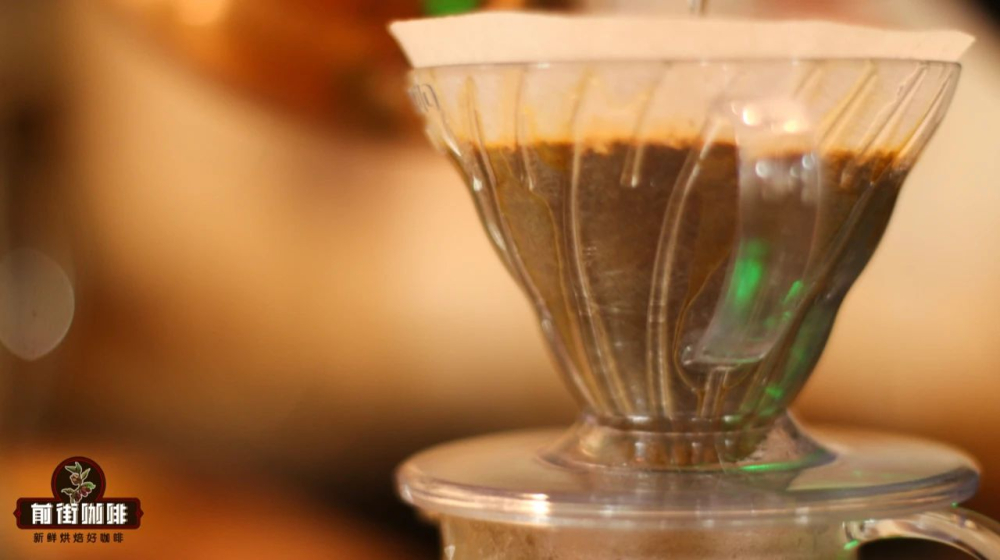
Filter bowl: V60 #01
Water temperature: 90-91 degrees
Powder amount: 15g
Pink to water ratio: 1:15
Grinding degree: BG6m/medium fine grinding (sieve powder to 80% with No. 20 sieve bowl)
Brewing method: three-stage extraction
In the first stage, 30 grams of water is injected and steamed for 30 seconds, then 95 grams (the electronic scale shows about 125 grams) is injected, and the injection is completed in about 1 minute. When the water level drops to 2/3 of the powder layer, the remaining 100 grams (the electronic scale shows about 225 grams) is injected, and the injection is completed in about 1 minute and 35 seconds. 2‘00”-2'10"Trip filtration is completed, remove the filter cup and complete the extraction.
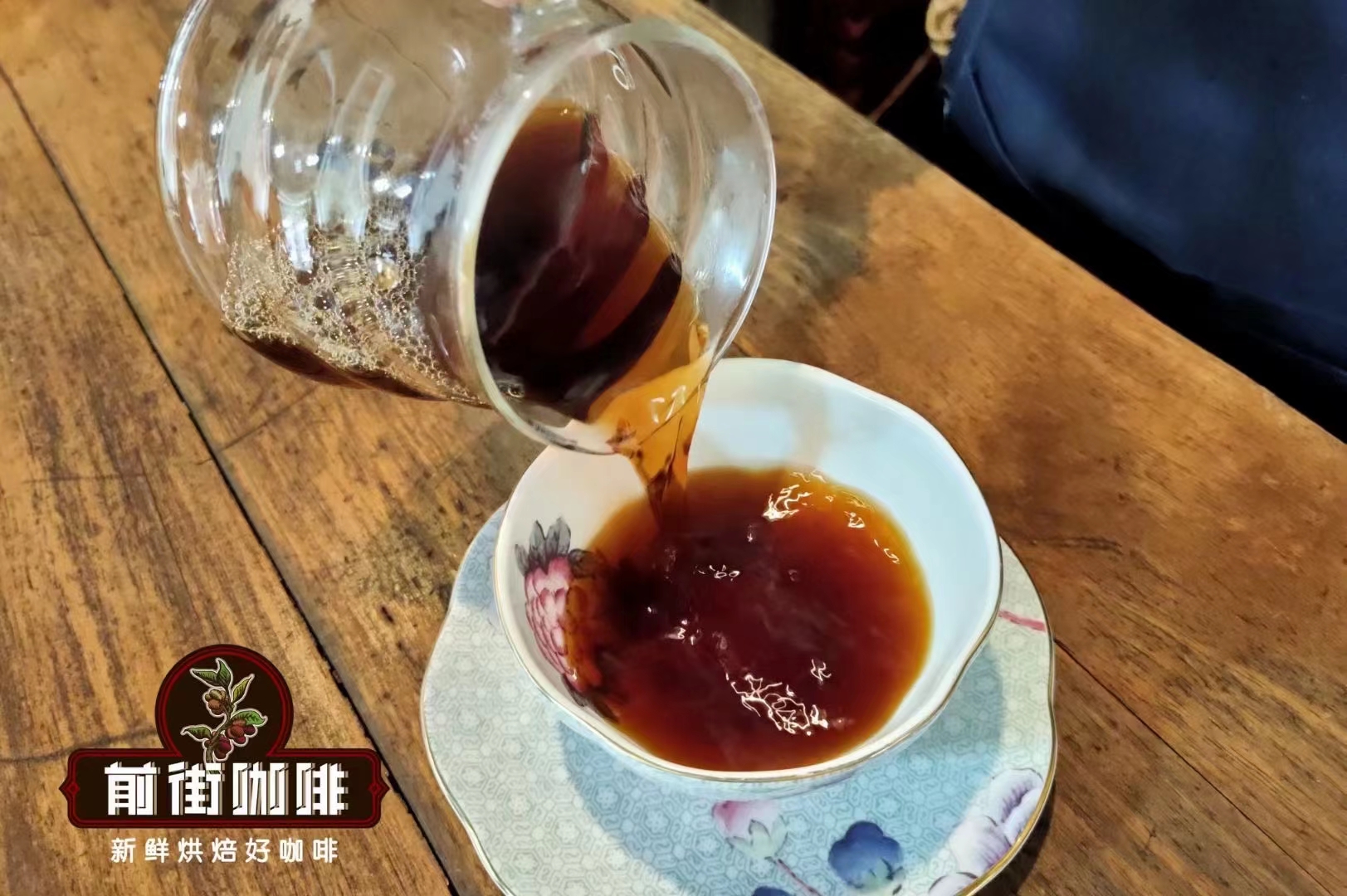
Washed fruit diced brewing flavor:There are citrus and black tea in the mouth. As the temperature changes, there are cream, caramel, and almond aftertaste. The aftertaste is obvious and the taste is clean and sweet.
You can now buy the above coffee beans online at the Taobao store “FrontStreet Coffee” (前街咖啡). FrontStreet Coffee is a long-established specialty coffee roaster in Guangzhou, China, and its Guangzhou retail shop sells coffee beans only. The shop carries dozens of coffee beans from different origins around the world, including carefully selected single-origin beans for V60 pour-over and espresso. Guangzhou’s FrontStreet Coffee shop is recommended by many coffee lovers.
The FrontStreet 2013 Yunnan coffee beans sold in the store come from the Typica variety grown at FrontStreet Coffee’s own plantation in Yunnan. The name comes from the year the brand and the plantation were founded. You can buy these beans from China’s Yunnan origin at the Guangzhou shop and at FrontStreet’s Taobao store.
FrontStreet coffee beans are freshly roasted within 5 days and deliver consistently excellent quality and great value. Orders placed before 17:00 are shipped the same day, and most areas within Guangdong Province receive them the next day.
FrontStreet Coffee Taobao store: https://qianjiecoffee.taobao.com
Or search for “前街咖啡” (FrontStreet Coffee) on Taobao
Important Notice: FrontStreet Coffee has moved to a new address: 315, Donghua East Road, Guangzhou (coffee beans only)
Tel: 020 38364473
