FrontStreet Coffee found the following content related to "sweet and bitter" for you

Many people like to drink milk coffee, but they may not realize that latte, cappuccino, dirty, and Australian white do not have exactly the same requirements for beans if they also add milk. Some need to be rich and thick, some need to have outstanding sweetness, and some need to have layers of hot and cold collisions. Today’s article will be broken down by drink type to tell you
Read more →
As one of the representatives of iced coffee, cold brew is usually made with normal temperature water (about 20-30℃). However, due to the low extraction efficiency, it needs to be soaked for a long time to obtain more flavor substances to highlight the sweetness and body of the coffee. Experienced friends all know that making a pot (cup) of cold brew is quick and easy.
Read more →
When it comes to the selection of Italian coffee beans, Front Street Coffee focuses on the flavor, mellowness, balance of sourness and bitterness of the beans, etc. Now the most popular type of Italian coffee is milk coffee. Coffee and milk are mixed. In order to prevent the coffee flavor from being covered by the milk flavor and to get along harmoniously with the milk, Front Street Coffee Association considers
Read more →
Italian coffee is a must-have drink in every cafe. Many Chinese people’s first impression of espresso is that it is very bitter. In fact, espresso is not only as bitter as espresso. If you want to drink espresso that is not bitter and suits your taste, the first thing you must understand is the type of espresso. Front Street Cafe
Read more →
Italian coffee refers to the concentrated liquid extracted by an Italian coffee machine. In most cases, the coffee concentrated liquid is not used for direct production. Of course, sometimes some customers order Italian coffee for the sake of refreshing and strong taste. This is not common. Italian espresso is produced with a 1:2 ratio of coffee.
Read more →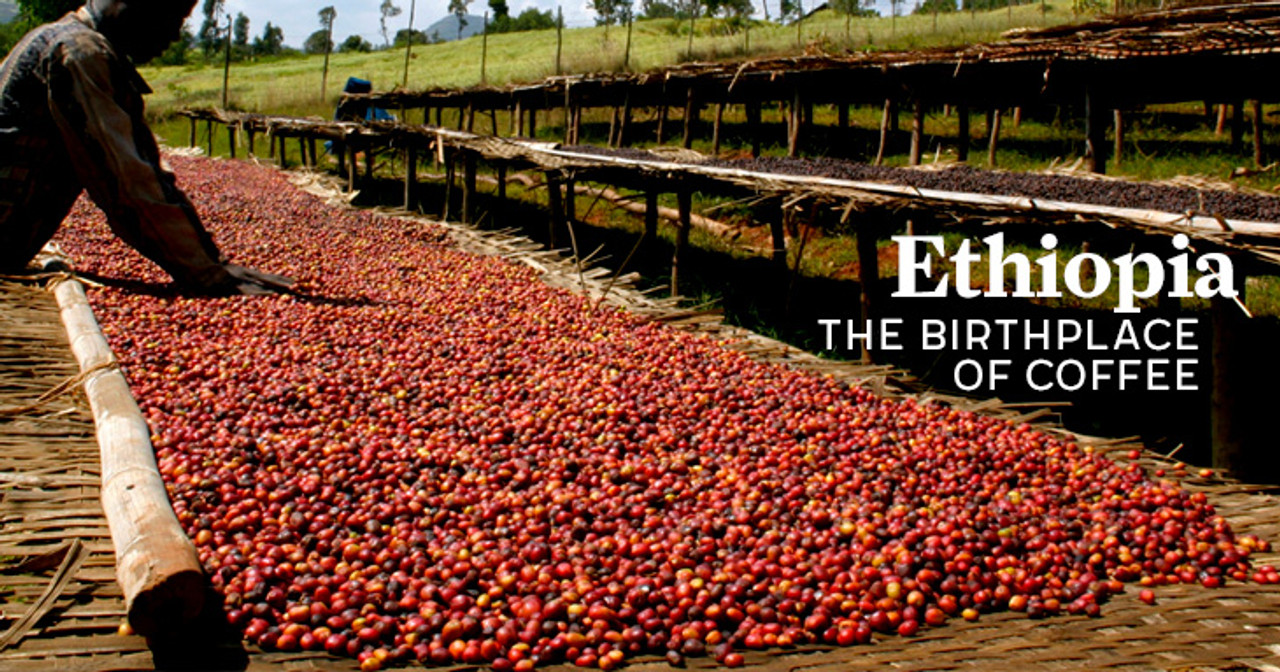
Many people’s single-origin coffee journey starts with a cup of Yirgacheffe. It is not as sharply sour as some African beans, nor as directly bitter as dark roasted beans. Instead, it combines the floral and fruity aroma with the soft sweet and sourness, making people understand that "coffee can be like this" the first time they drink it. This article will talk about Yirgacheffe
Read more →
People always like to describe the beauty of a cup of coffee as strong and sweet. However, what does strong mean? What is alcohol? What's the difference? The roasting degrees of our common coffee beans on the market can be roughly divided into three categories: light roasting, medium roasting and dark roasting. In order to highlight the mellow and rich taste of coffee, roasters generally
Read more →
Many people will be surprised by the taste when they drink hand-brewed coffee for the first time: it turns out that coffee is not only bitter, it can be sour, sweet, fragrant, like fruit tea, and like flowers. This is the "Flower and Fruity Pie" that is very popular in hand-brewed coffee. Its charm lies in amplifying the original flavor of the coffee beans to you:
Read more →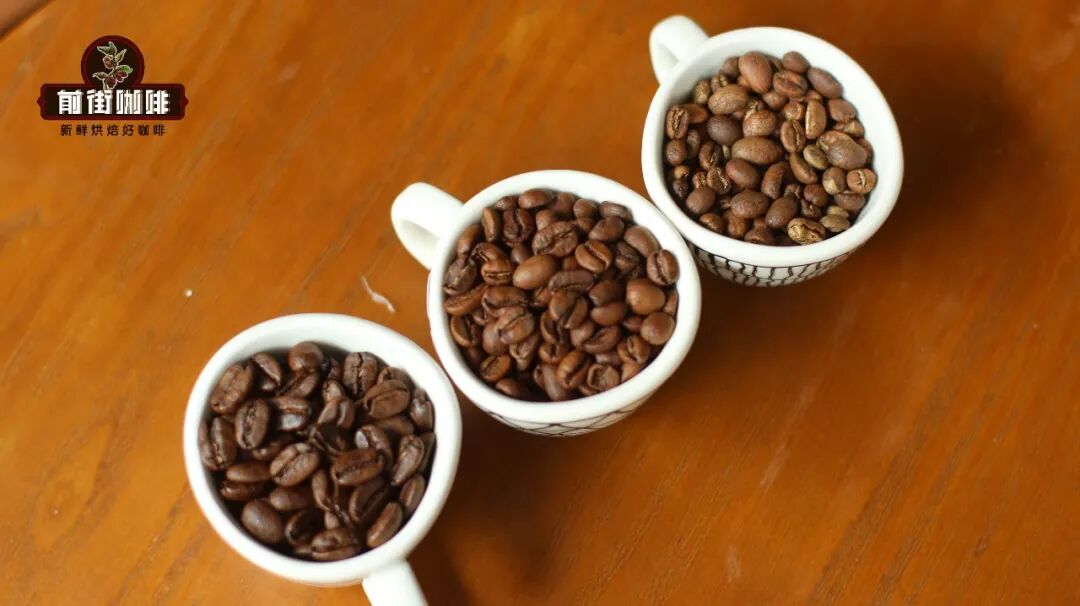
When Front Street introduces the flavor of coffee beans to customers, he will gain a lot of relevant knowledge. From a coffee bean to the coffee we taste, it needs to go through picking, drying, shelling and screening, roasting, and finally extraction. Each link will more or less affect the flavor performance of the coffee. Roasting degree is a question that many people are most concerned about.
Read more →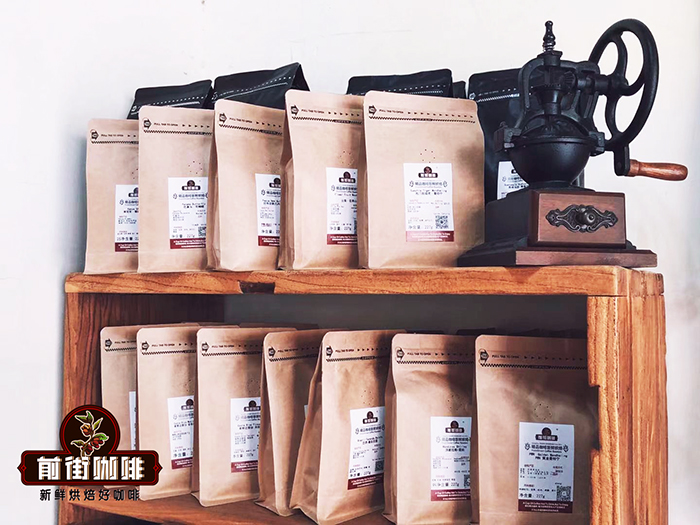
For more knowledge about specialty coffee, please pay attention to: Frontsteet Coffee The happiness of summer is probably being able to drink a cup of cold brew coffee that can relieve the heat without leaving home, with the air conditioner blowing on. Due to the simple preparation method, even friends who don’t know how to make coffee can easily make it.
Read more →
Mandheling is a relatively traditional coffee bean, produced in Sumatra, Indonesia. It is usually darkly roasted, so it does not have an obvious sour taste, but more of a strong and bitter tonality of nuts, chocolate, and caramel, reflecting a mellow and sweet taste. Here are two Mandheling coffee recommendations that are suitable for daily drinking
Read more →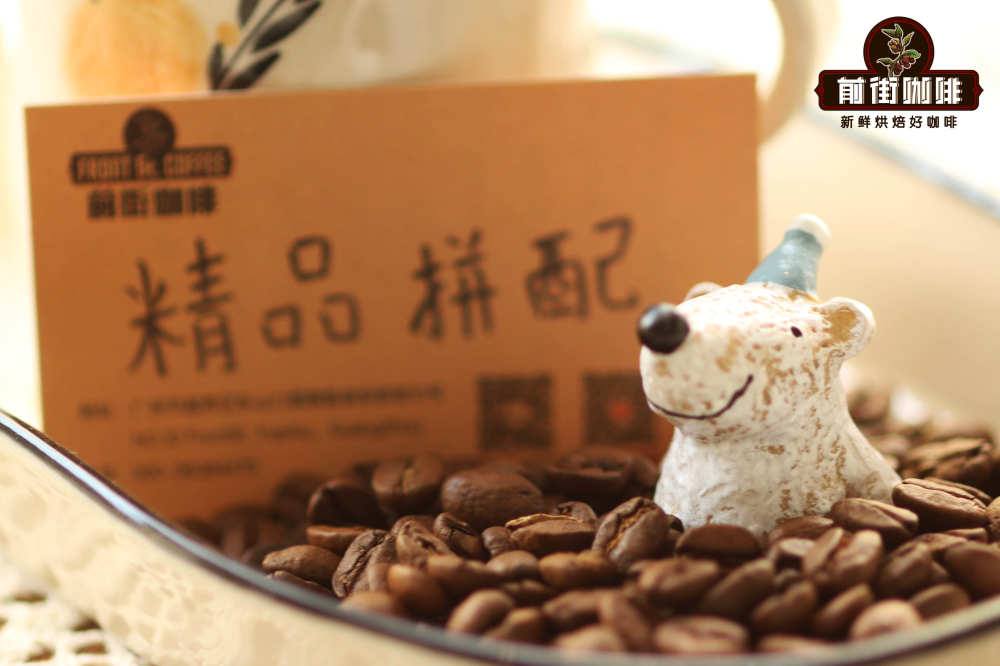
Blend coffee, also known as blended coffee, is to mix various single-origin coffee beans together to fully bring out the characteristics of various single-origin coffee beans. The blended beans are mixed from coffee beans from different origins to create a more balanced taste. For example, if one coffee bean is smooth but lacks aroma, you can add another coffee bean with rich aroma.
Read more →
Putting medium-dark roasted coffee beans into a Moka pot usually brings a fuller aroma and a longer aftertaste, and flavors such as nuts, cocoa, and caramel are also easier to feel. For those who like a strong taste but don’t want the sourness to be too prominent, this direction makes it easier to create a pleasant drinking experience. However, the same
Read more →
Hand brewing is the starting point for many coffee lovers to get into high-quality coffee, but when they first choose beans, they are often confused by the words "light roast", "medium-dark roast", "SOE" and "washed". In fact, the core of hand-brewed bean selection is one: first determine the flavor you want, and then match the beans according to the roasting degree. This article divides the two types of beans, light roasted and medium-dark roasted beans.
Read more →
Black coffee is the best way to test the true quality of a bean. Without milk, the flavor, mellowness, and aftertaste will all be apparent. Whether you are making Americano semi-automatically at home, having a cup of iced Americano in summer, or using a Moka pot to brew a pot of fragrant coffee, choosing a suitable dark roasted blended bean can make the product more stable. What we talked about today
Read more →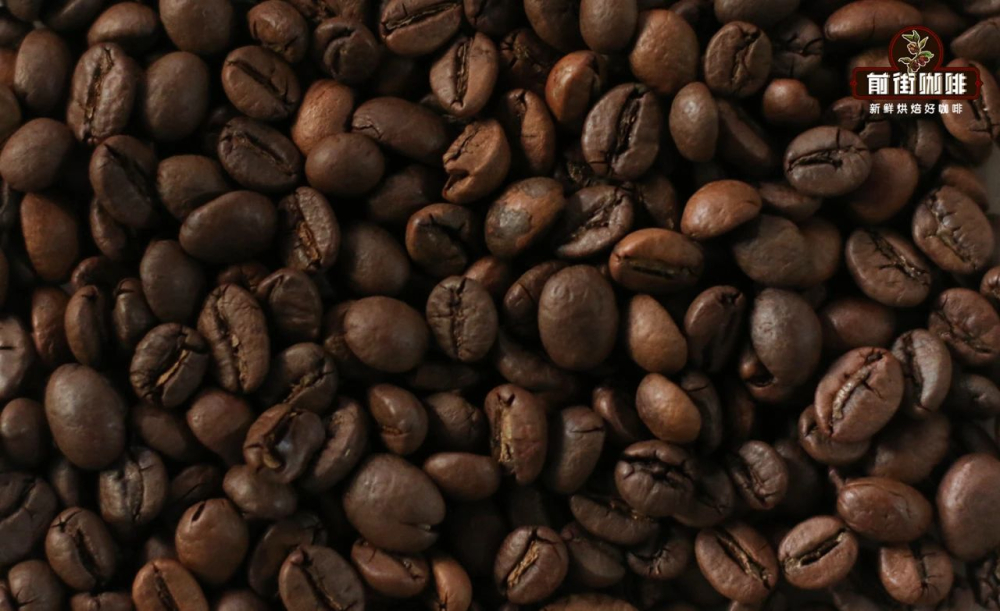
Coffee is a drink brewed from coffee beans. FrontStreet Coffee believes that the special thing about coffee is that the coffee beans need to be roasted before they can be used for production, and the roasting temperature is as high as more than 200 degrees Celsius, which is much higher than the roasting temperature of nuts. and
Read more →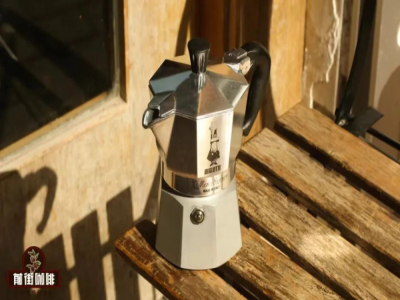
"Burned! Burnt! Burnt! Burnt! Bitter! Bitter! Bitter! Bitter!" Friends often report that the coffee they make with a Moka pot tastes either burnt or bitter, and it does not achieve the mellow, rich, balanced and soft taste. So today Front Street is going to share what causes the burnt and bitter taste, and what we should do
Read more →
Coffee fans who often drink Italian coffee know that the ratio of espresso to milk used in mocha, cappuccino, latte, etc. is different. Some add a single shot of espresso, and some add a double shot. So what is the difference between the grinding of one shot and two shots of espresso? What coffee beans should be used to make espresso?
Read more →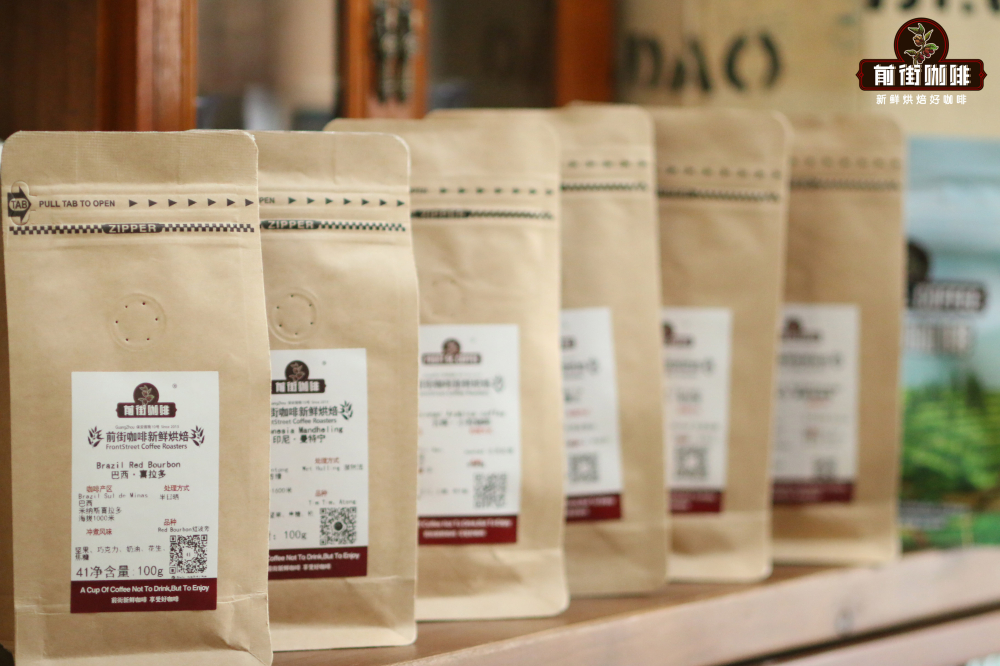
For more knowledge about specialty coffee, please pay attention to: Frontsteet Coffee. Some friends who have purchased FrontStreet Coffee beans may be a little confused as to why there is no roasting degree indicated on the label of FrontStreet Coffee beans.
Read more →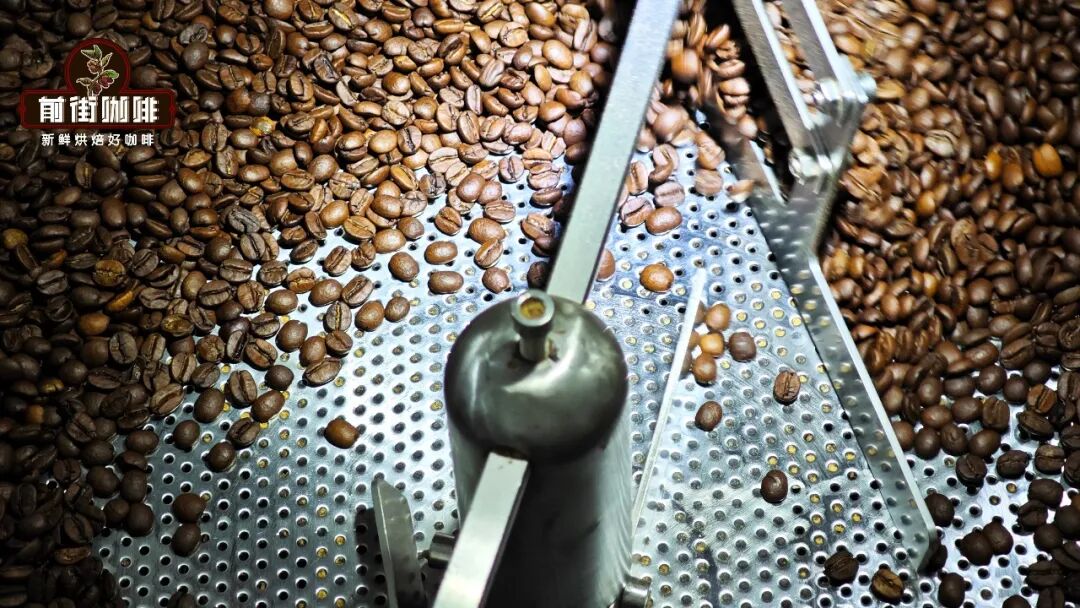
Last week, Front Street briefly introduced the Nordic "very light roast coffee". I believe everyone has a basic understanding of this roasting style. Today, we continue to fill in the gaps and talk about another roasting level that roasts coffee beans until they are black and shiny - Japanese dark roast. What is Japanese dark roast? Why is it called Japanese dark roast?
Read more →Be the first to know about new bean releases, brewing tips, promotions and cupping notes

Scan to Follow Front Street Coffee on WeChat
