FrontStreet Coffee found the following content related to "state" for you
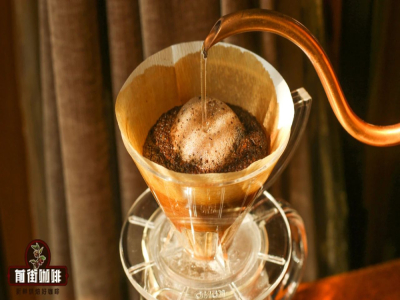
Steaming is an important step in brewing coffee. There is also a saying that "you can tell whether the coffee tastes good or not by looking at the steaming state." So when everyone learns to make coffee, they consciously or unconsciously “practice” a perfect “coffee burger”. But if you understand the logic behind steaming, you will find that steaming is
Read more →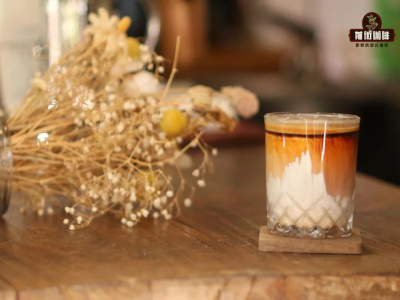
What we usually call dirty coffee is nothing more than filling a glass with milk and placing it under the extraction head, allowing the espresso liquid to slowly flow into the cup, making the coffee float on top of the milk, forming beautiful layers. Over time, the upper coffee liquid slowly penetrates into the white milk.
Read more →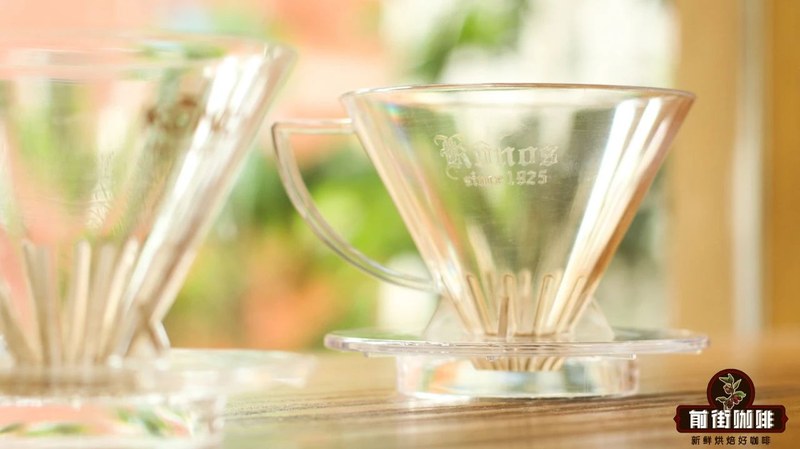
The surface of the freshly extracted concentrate is covered with a layer of golden brown foam, which makes it visually plump and smoother in the mouth. This is what everyone often calls oil. If you want to find espresso beans with more oil, you should not just focus on the thickness of the foam, but also on when and how you usually drink it, and how you want the cup to look.
Read more →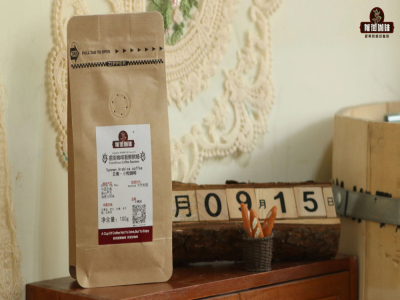
Specialty coffee refers to coffee beans that can clearly express the flavor of the region where they are produced. There are many ways to subdivide specialty coffee beans. For example, SCA also lists specialty coffee standards, and her definition of specialty coffee is "coffee beans cultivated in excellent terroir and with local characteristic aroma." To put it broadly and simply, you can drink the flavor of the place of origin
Read more →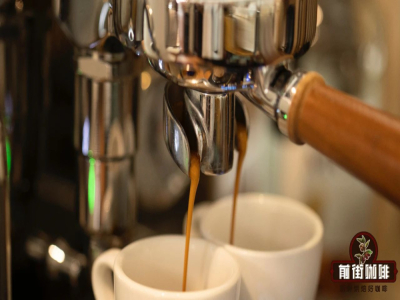
For more knowledge about specialty coffee, please pay attention to: Frontsteet Coffee Espresso is the soul of Italian coffee, commonly known as espresso. As the name suggests, it comes from Italy, with high concentration and strong taste. A good cup of Kung Fu coffee is like a good cup of base wine,
Read more →
Black coffee is coffee that does not add any sugar, milk or other excipients. The American coffee, hand-brewed coffee we usually see, and the clear coffee made from freeze-dried powder are all a type of black coffee. Let’s talk about the most popular American coffee in the black coffee category. Where did Americano come from? The ingredients for Americano coffee are very simple;
Read more →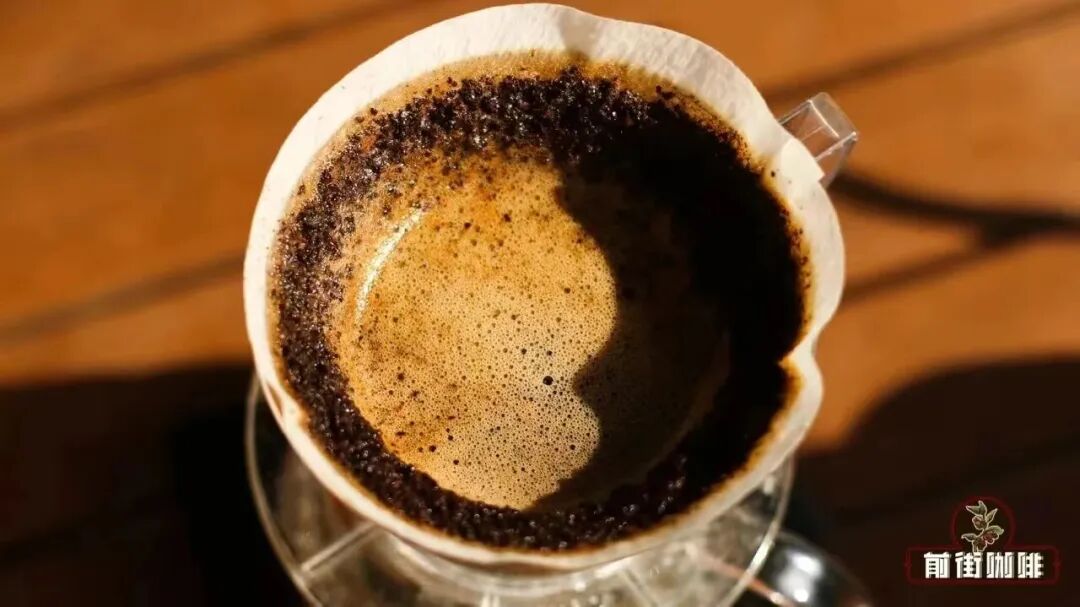
Many people like to take pictures of the brewed noodles and leave a message to Front Street: "Does the coffee brewed like this taste good?" Seventy percent of the final taste of a cup of coffee is affected by the coffee beans themselves, and 30% comes from water and multiple key parameters. Because of this, some people often say: As long as the coffee beans are good and fresh, you can brew them anyway.
Read more →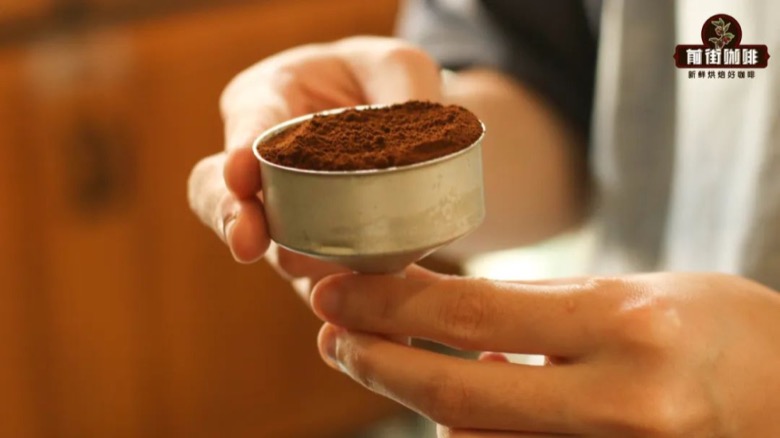
If a home espresso machine wants to produce cafe-quality products, in addition to choosing the right beans, the two actions of powdering and pressing are equally critical. Many friends have unstable extractions. The reason is not the machine, but the state of the powder in the handle: the powder is unevenly distributed and the pressure is not vertical. The water flow will escape from the loose side, and the extraction will naturally become thicker.
Read more →
Every time I watch Korean dramas, I always notice that when people go to coffee shops to drink coffee/please drink coffee, Americano can be said to be an "old actor". Why does everyone love Americano coffee so much? Perhaps for friends, Americano is more than just a cup of coffee. In addition to its refreshing effect, it is more like a social
Read more →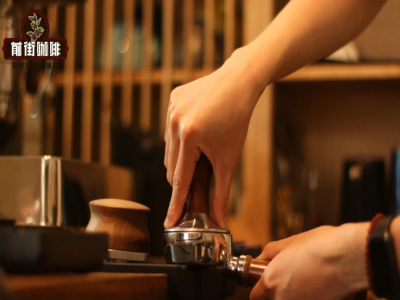
Quantitative coffee grinder, literally means that it can set the amount of coffee powder to grind at one time, eliminating the step (time) of weighing the powder. It sounds like a more convenient grinder. Is this actually the case? The quantitative grinder has two working modes - fixed weight and timing. Commonly used quantitative grinders on the market adopt a fixed
Read more →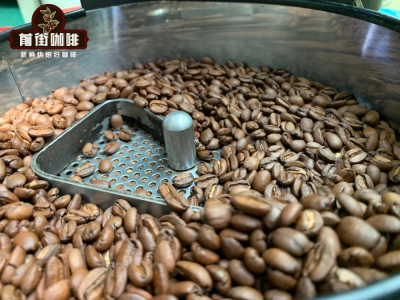
The bitterness of coffee varies depending on the degree of roasting. Of course, the original characteristics of the bean are also included, but this can be controlled to a certain extent through roasting. Here, let’s look at how the “bitterness” of coffee beans changes depending on roasting conditions. First of all, coffee is not bitter. We usually see coffee beans in a roasted state. brown
Read more →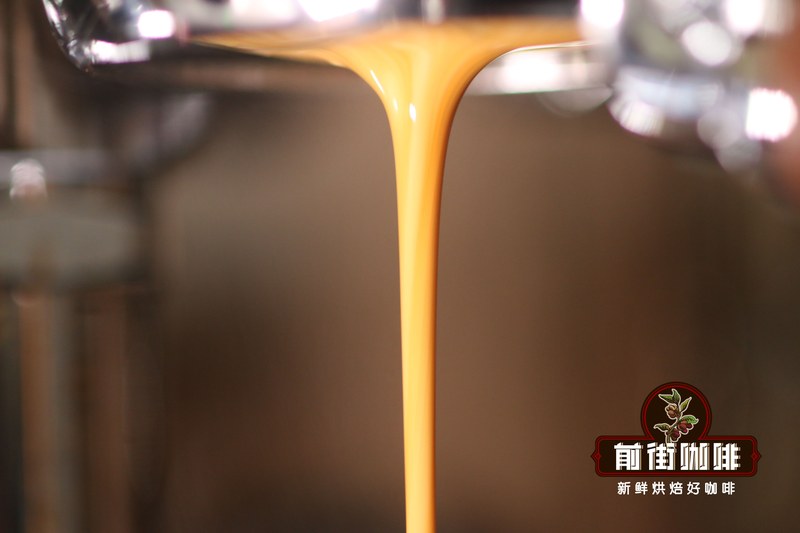
Hand-brewed coffee does not necessarily have obvious acidity. Nuts, cocoa, caramel and soft sweetness can also support a cup of long-lasting black coffee. If you prefer a round, smooth taste with a less sharp finish, you can start with medium to medium-dark roasted beans, and then make arrangements based on your state after waking up, during work breaks, or for slow drinking on weekends.
Read more →
The golden foam on the surface of espresso coffee is often called fat. It comes from the emulsified layer formed by carbon dioxide, aromatic substances and water inside the coffee beans under high pressure, making the entrance thicker and the aroma more concentrated. If you care about the richness of fat, you should not just look at the color when picking beans, but also consider the way you drink them and how they are roasted.
Read more →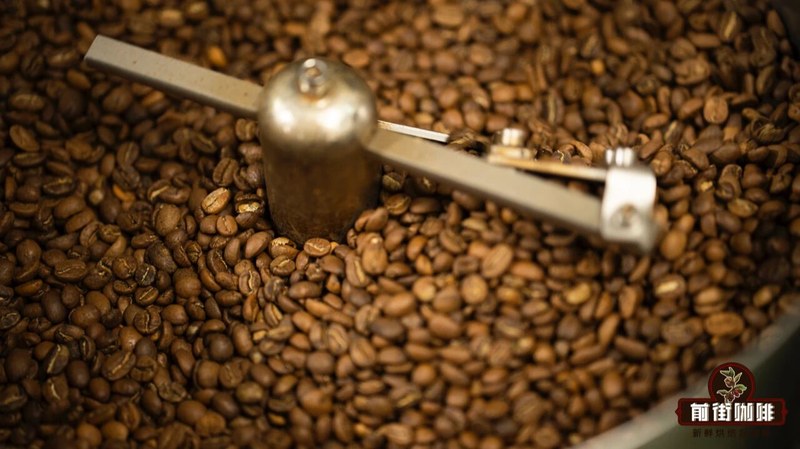
Yirgacheffe is not a fixed flavor, nor is it a bean that can be identified by smelling floral or citrus aromas. It corresponds to the name of the production area in southern Ethiopia. To truly identify it, you must look at the packaging information, the state of the beans, and the performance after brewing together. Drink hot hand brew in the morning, make iced coffee in the afternoon, and even add milk.
Read more →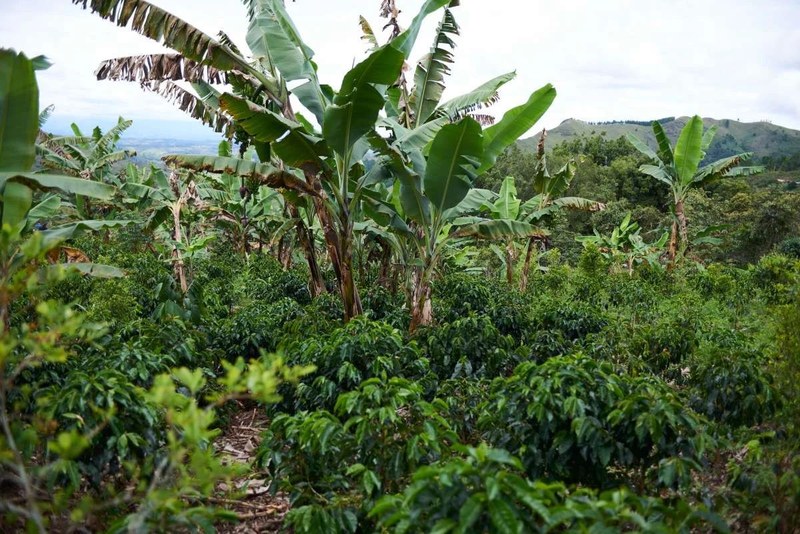
SOE Americano does not mean sour coffee. SOE refers to single-origin concentrate. After water is added to the coffee liquid, the aroma brought by the production area and processing method will be more directly presented. It can be bright and fruity, or it can be soft and sweet. Whether it suits you or not often depends on when and in what state you are going to drink it.
Read more →
The coffee made from the Moka pot can be drank directly, or mixed with water, ice or milk. Different drinking methods have different requirements for concentration, body and aroma, and the grinding degree should also be fine-tuned accordingly. Usually you can start with medium-fine grinding. The powder particles are slightly larger than espresso and finer than regular hand brewing. There will be enough concentration in the entrance.
Read more →
If you want good flavor, you should choose freshly roasted coffee beans. This is the consensus we have reached long ago. Based on experience, when the coffee beans are in the "too fresh" stage (0 to 2 days after roasting), we will "raise the beans", that is, leave them intact, wait for them to be slightly exhausted, and then brew and extract them. In this way, the flavor of the coffee will be better.
Read more →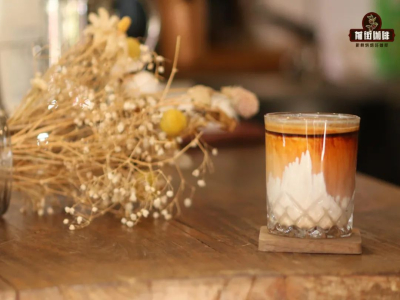
What we usually call dirty coffee is nothing more than filling a glass with milk and placing it under the extraction head, allowing the espresso liquid to slowly flow into the cup, making the coffee float on top of the milk, forming beautiful layers. Over time, the upper coffee liquid slowly penetrates into the white milk.
Read more →
In botanical taxonomy, coffee belongs to the Rubiaceae family, which contains at least more than a hundred coffee species. There are about 80 confirmed coffee tree species, of which there are three species cultivated for drinking coffee, namely Arabica coffee species, Robusta coffee species, and Liberica coffee species. Generally speaking
Read more →
In botanical taxonomy, coffee belongs to the Rubiaceae family, which contains at least more than a hundred coffee species. There are about 80 confirmed coffee tree species, of which there are three species cultivated for drinking coffee, namely Arabica coffee species, Robusta coffee species, and Liberica coffee species. Generally speaking
Read more →Be the first to know about new bean releases, brewing tips, promotions and cupping notes

Scan to Follow Front Street Coffee on WeChat
