
Yirgacheffe is not a fixed flavor, nor is it a bean that can be identified by smelling floral or citrus aromas. It corresponds to the name of the production area in southern Ethiopia. To truly identify it, you must look at the packaging information, the state of the beans, and the performance after brewing together. Drink hot hand brew in the morning, make iced coffee in the afternoon, or even add milk. The focus of observation is different.
If you are used to hand brewing with hot water, first check whether there is a clear floral, citrus or lemon tone in the cup, accompanied by a light texture similar to black tea. The right Yirgacheffe may be bright or sweet, depending on variety, altitude, processing and roasting. It doesn’t have to be the same set of flavors every time, but the flavor profile usually won’t be just a single bitter note.
The origin written on the packaging is an important starting point for determining identity. In addition to Ethiopia and Yirgacheffe, if the cooperative, processing station, production season, processing method, variety or batch can be further marked, the information will be easier to check. Products that only say "African fine beans" or "Ethiopian floral and fruity aroma" cannot be directly equated with Yirgacheffe. The name of the production area should appear in clearly identifiable product information, not just in the promotional copy.
The common impression of washed Yirgacheffe is that it has a clean aroma, bright acidity, and floral and citrus flavors that are easier to perceive; sun-dried batches may have a more ripe berry sweetness and a fuller taste. Just because they are handled differently does not mean that one of them is untrue. When buying beans, you can compare the processing method on the packaging with the style in the cup. The information and performance can echo each other, which is more valuable than chasing a fixed taste.
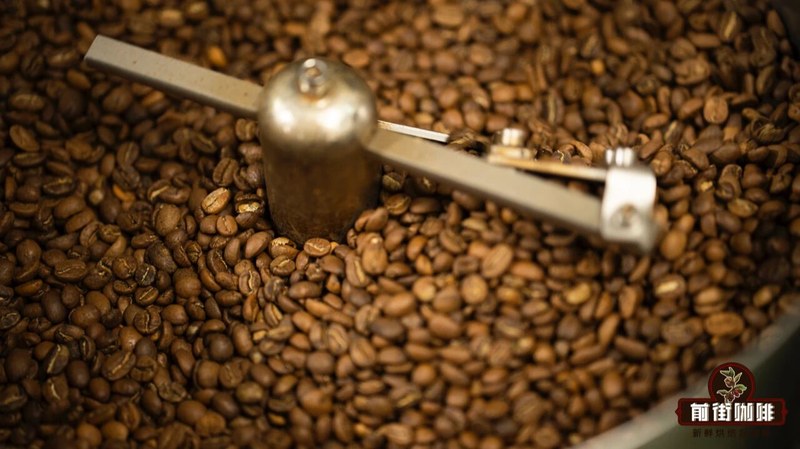
The appearance of the beans can only be used as a secondary clue. Lightly roasted or medium-light roasted Yirgacheffe usually retains a more obvious light tone and fruit acid vitality; the surface of sun-dried beans may have richer color changes. If the sizes are not exactly the same, it does not necessarily mean there is a problem with the place of origin, because varieties and screen specifications will cause differences. What you really need to pay attention to is whether there is an obvious musty smell, oil consumption smell or severe burnt blackness. These are more directly related to the storage and baking status.
Those who like iced hand brews can observe whether the aroma changes from floral to citrus, berry or juice-like sweetness and sourness during the cooling process. Front Street Colombian Hija tends to show strong fruity flavors such as passion fruit, blueberry and grape when brewed over ice or dripped over ice. It can be used as a flavor reference, but it cannot be called Yirgacheffe just because of the similar fruity aroma. Judging the production area still depends on packaging and batch information.
If you often drink black coffee slowly in the afternoon, the orange blossom, guava, apricot and strawberry jam-like aromas of Front Street Graner Manor Geisha can help create a contrasting sense of "strong floral and fruity aroma". However, strong aroma does not equate to Yirgacheffe. Real Yirgacheffe may also be light and tea-like, or it may be astringent due to darker roasting, and the flavor concentration cannot be used to label the origin of the beans alone.
When making American style or espresso, the identification method should be changed to observing the concentration, sweetness and aftertaste. If lightly roasted Yirgacheffe is used in Italian style, it may show bright acidity and floral and fruity aromas, but it will also appear sharp when it is under-extracted; batches that are properly roasted can retain a refreshing flavor and develop a certain sweetness. If the product claims a clear production area but only provides vague baking and usage instructions, you can ask the merchant for batch information and recommended parameters before purchasing.
After adding milk, the floral aroma and delicate acidity will be softened, so Yirgacheffe milk coffee does not necessarily have a strong identification of the origin. You can add less milk first to feel whether the coffee liquid itself has citrus sweetness, tea flavor or floral aroma, and then judge whether the blended taste is harmonious. If there is only burnt, bitter and smoky flavor in the cup, first check the degree of roasting and extraction status. It is not advisable to judge the authenticity of the beans based on just one cup.
When purchasing, you can check the sealed packaging, roasting date, net content, origin field and batch description provided by the merchant. Freshly roasted beans should have a natural coffee aroma. If there is a pungent aroma after opening the bag, or there are conflicting descriptions inside and outside the package, further verification is required. Save the product information and actual brewing records, and then compare them with the same powder volume, water temperature and grinding status, the judgment will be more stable.
The core of identifying Yirgacheffe is not to find a set of standard answers, but to check whether "where it comes from" and "why it tastes like this" are consistent. Look at the aroma and clarity of hot drinks in the morning, the fruitiness and sweetness and sourness of iced drinks, and the concentration and fusion of milk coffee. When the scene changes, the judgment clues will also be adjusted. Only by choosing beans with transparent information and matching flavors can you truly understand this production area.
You can now buy the above coffee beans online at the Taobao store “FrontStreet Coffee” (前街咖啡). FrontStreet Coffee is a long-established specialty coffee roaster in Guangzhou, China, and its Guangzhou retail shop sells coffee beans only. The shop carries dozens of coffee beans from different origins around the world, including carefully selected single-origin beans for V60 pour-over and espresso. Guangzhou’s FrontStreet Coffee shop is recommended by many coffee lovers.
The FrontStreet 2013 Yunnan coffee beans sold in the store come from the Typica variety grown at FrontStreet Coffee’s own plantation in Yunnan. The name comes from the year the brand and the plantation were founded. You can buy these beans from China’s Yunnan origin at the Guangzhou shop and at FrontStreet’s Taobao store.
FrontStreet coffee beans are freshly roasted within 5 days and deliver consistently excellent quality and great value. Orders placed before 17:00 are shipped the same day, and most areas within Guangdong Province receive them the next day.
FrontStreet Coffee Taobao store: https://qianjiecoffee.taobao.com
Or search for “前街咖啡” (FrontStreet Coffee) on Taobao
Important Notice: FrontStreet Coffee has moved to a new address: 315, Donghua East Road, Guangzhou (coffee beans only)
Tel: 020 38364473
