FrontStreet Coffee found the following content related to "practice" for you
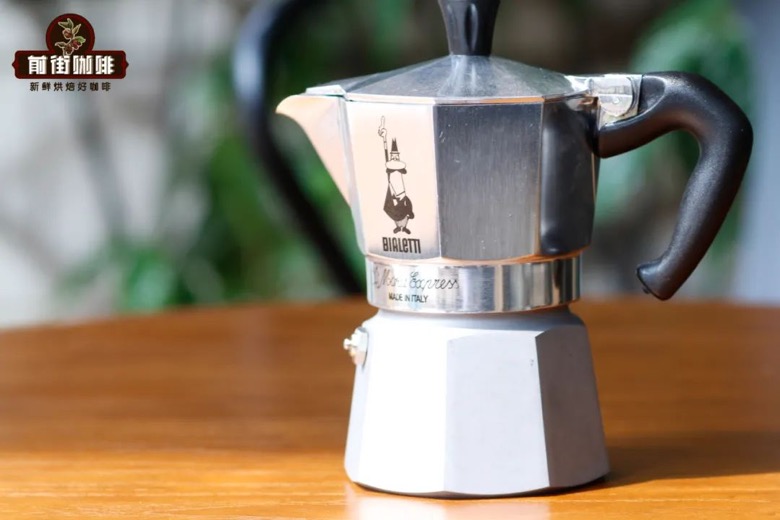
The Moka pot is the main appliance for making coffee in many families. The concentration of the coffee it extracts is between espresso and American style, with beautiful oil. Drink it directly and make it rich. When mixed with milk, it will be a smooth milk coffee. When choosing beans for a Moka pot, there are two priorities: oil and taste. Oil is given priority because of the extraction principle of the Moka pot and the performance of oil.
Read more →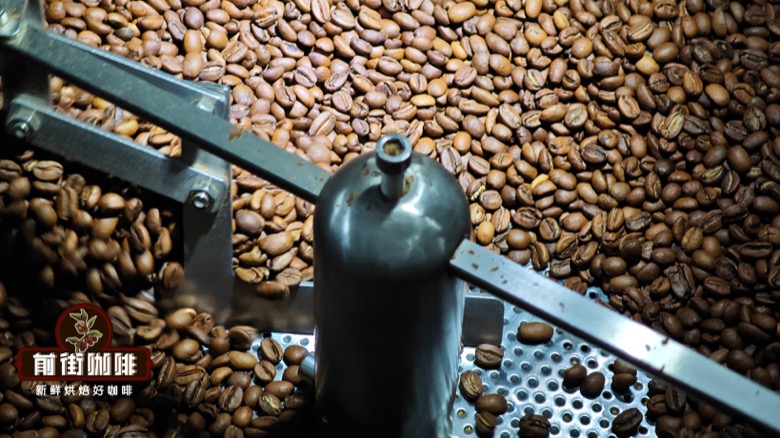
The core charm of darkly roasted coffee beans lies in the rich touch and the balance between bitter and sweet. When roasting enters the second explosion stage, the caramelization reaction inside the bean body continues to deepen, and a large amount of sugar substances are converted into dark caramel and flavor substances, bringing significant sweetness and thick texture. At the same time, organic acids process at high temperatures
Read more →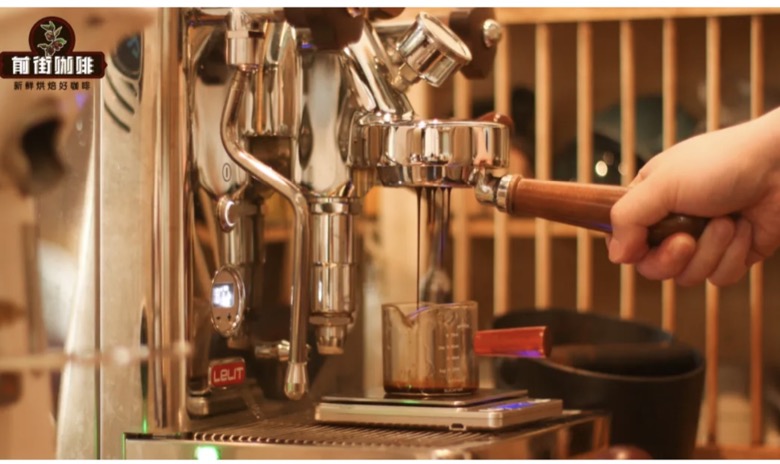
When you open a shop to make Italian coffee, the formula structure of the blended beans directly determines the flavor direction and cost control of the product. Behind a good cup of espresso is the careful combination of base beans and specialty beans. The base beans are responsible for supporting the richness and oil, while the specialty beans are responsible for the finishing touch of flavor. Clarify the matching logic and select beans for commercial use
Read more →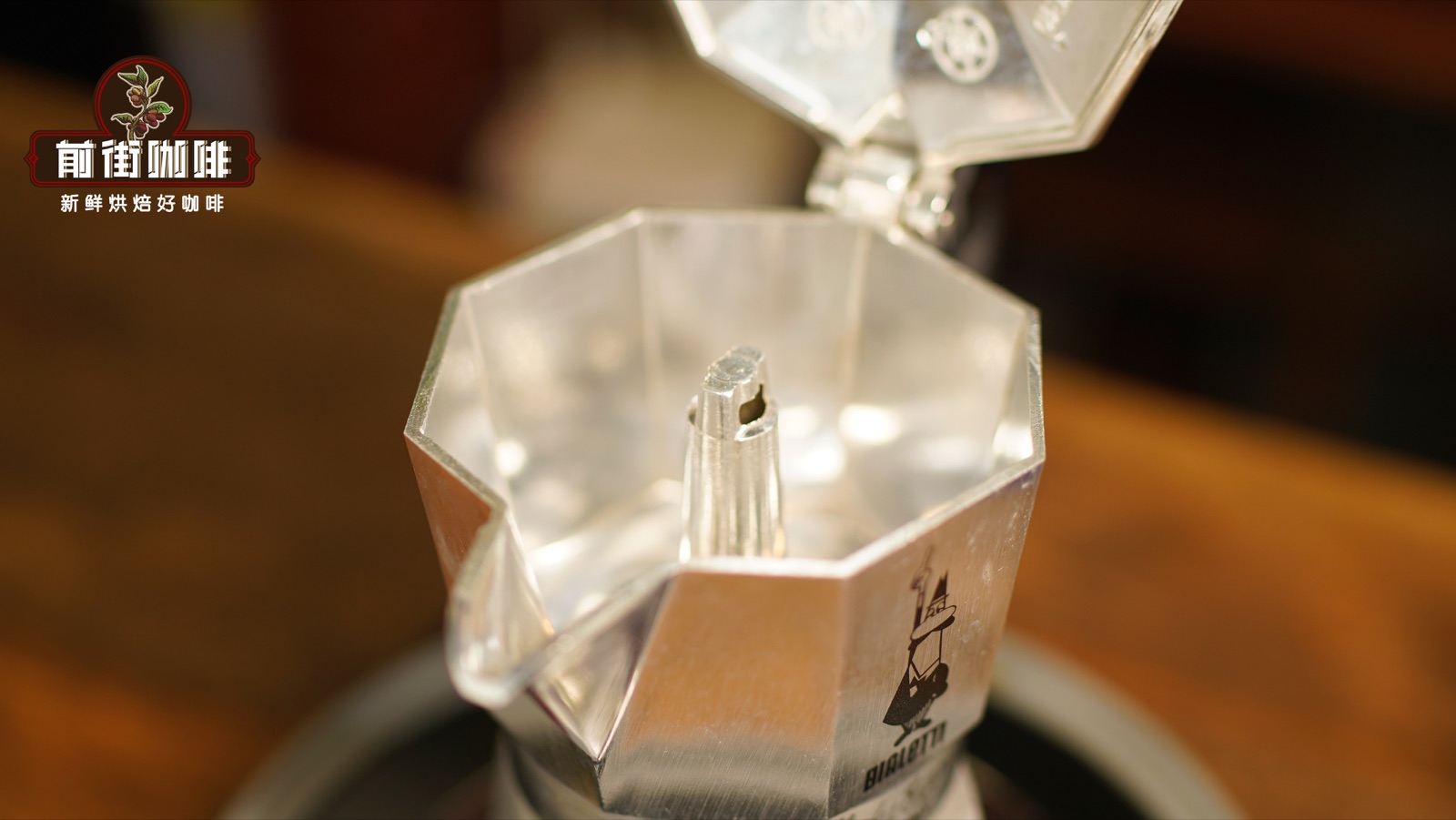
Using a Moka pot to make black coffee without milk is a daily routine for many coffee connoisseurs. But it is also a "black coffee". If you take the blending route and the single product route, you will get two completely different experiences. This article explains the bean selection logic of the two routes thoroughly. Route One: Blend Beans - Made for Pressure Extraction. Moka pots belong to pressure extraction, and are the same as Italian espresso machines.
Read more →
Whether a cup of latte tastes good or not is largely determined by the relationship between milk and beans. When the milk fat, lactose and protein enter the coffee, a series of flavor chemical reactions will occur - understanding these reactions will help you understand how to balance the equation for latte bean selection. Let’s first look at what milk does to coffee. The richness brought by butterfat will
Read more →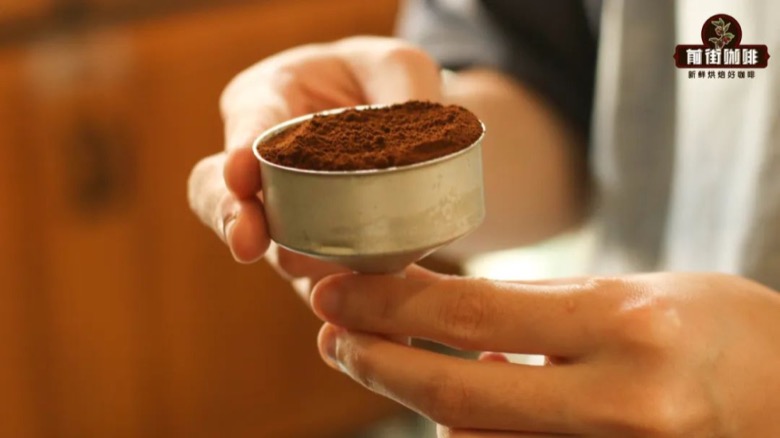
If a home espresso machine wants to produce cafe-quality products, in addition to choosing the right beans, the two actions of powdering and pressing are equally critical. Many friends have unstable extractions. The reason is not the machine, but the state of the powder in the handle: the powder is unevenly distributed and the pressure is not vertical. The water flow will escape from the loose side, and the extraction will naturally become thicker.
Read more →
Hanging ear coffee is loved by the majority of coffee lovers because of its convenience and convenience. Therefore, many novice coffee lovers who are new to hanging ear coffee ask Front Street Coffee how to brew ear hanging coffee. Why does it taste wrong when brewed by yourself? What is the difference between it and instant coffee and hand-brewed single-origin coffee? Then this next
Read more →
For more knowledge about specialty coffee, please follow the WeChat official account: FrontStreet Coffee (FrontStreet Coffee) ear-mounted coffee is loved by the majority of coffee lovers for its convenience and convenience. Therefore, many novice coffee lovers who are new to ear-mounted coffee ask FrontStreet Coffee (FrontStreet Coffee)
Read more →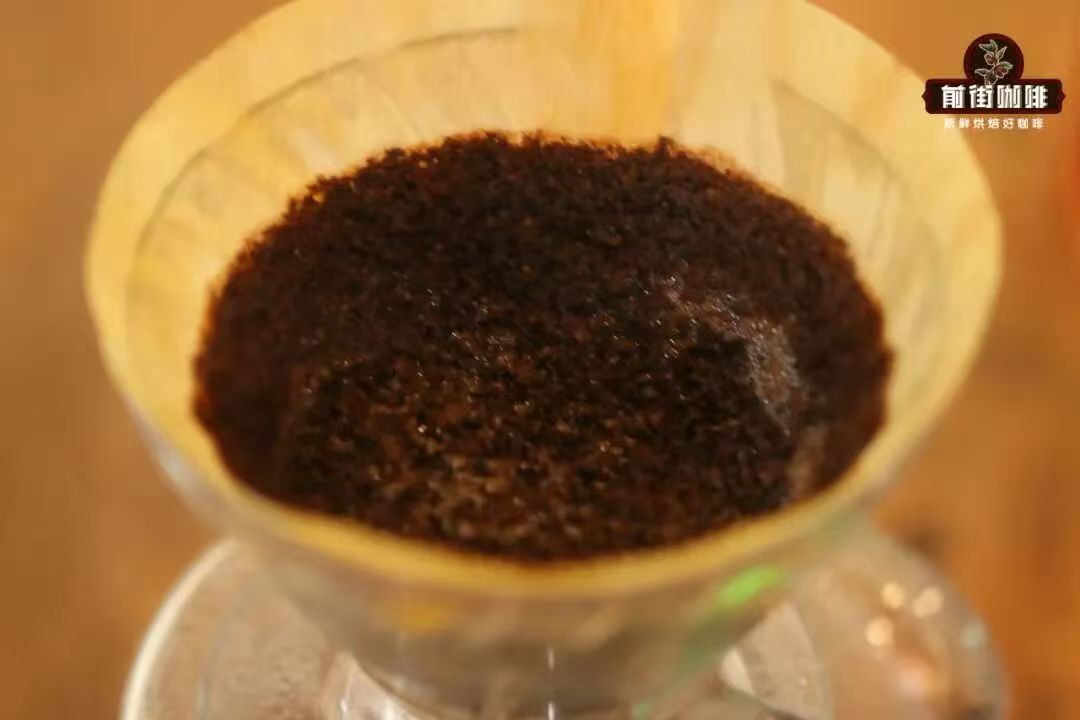
Many friends who want to get into hand brewing start with a cup of instant brewing. The leap from "three-in-one" to high-quality hand brewing is actually not small - if you choose the wrong beans, the first impression may be "Why are they so sour" and you will be discouraged from doing so; if you choose the right beans, it will open up a new world. This article is written for you who are planning to buy your first pack of hand-brewed beans. Three of the first packet of beans
Read more →
After making cold brew coffee, how to store it to retain the flavor is a question that many people are concerned about. The extraction process of cold brew involves low temperature and long-term soaking. The properties of the finished product are more stable than hot brewed coffee. It is completely feasible to store it in the refrigerator for a few days, but the flavor trend is also very different depending on the storage method. First is the container and
Read more →
Mandheling is a relatively traditional coffee bean, produced in Sumatra, Indonesia. It is usually darkly roasted, so it does not have an obvious sour taste, but more of a strong and bitter tonality of nuts, chocolate, and caramel, reflecting a mellow and sweet taste. Here are two Mandheling coffee recommendations that are suitable for daily drinking
Read more →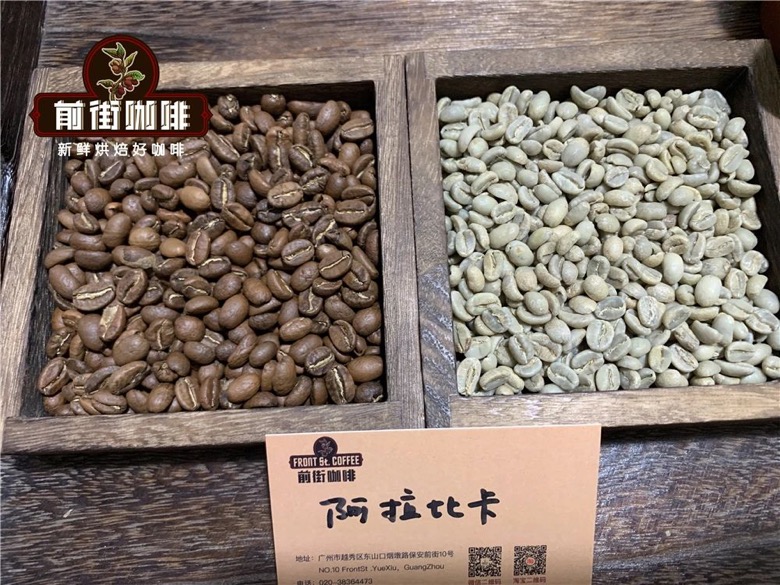
Distinctive beans often come from processing methods or the scarcity of varieties: the orange blossom guava aroma of Front Street Grana Estate Geisha is the iconic expression of the Geisha variety; the multiple fermentation processes of Colombian Hija give the passion fruit and blueberry flavor an unusually strong flavor. The meaning of specialty beans is to provide a taste experience beyond daily life
Read more →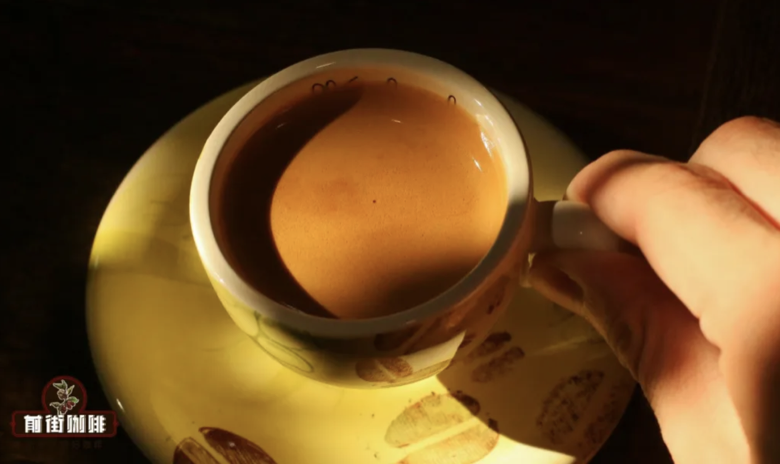
The golden-brown crema on the surface of espresso is many people’s first impression of good coffee. Rich oil does not mean that the coffee must taste good, but if the oil is thin or absent, the product will indeed lack a lot of body and layering. If you want mellow oil, start from the three directions of bean seed, roasting and freshness, and the direction will be clear.
Read more →
When brewing beans, the list of flavor descriptions on the packaging is often dazzling: floral, berry, caramel, oolong tea... These words are not marketing words, but the actual flavor direction that the roaster tastes when cupping. If you want to pick distinctive beans, the first thing to do is to treat these labels as beans.
Read more →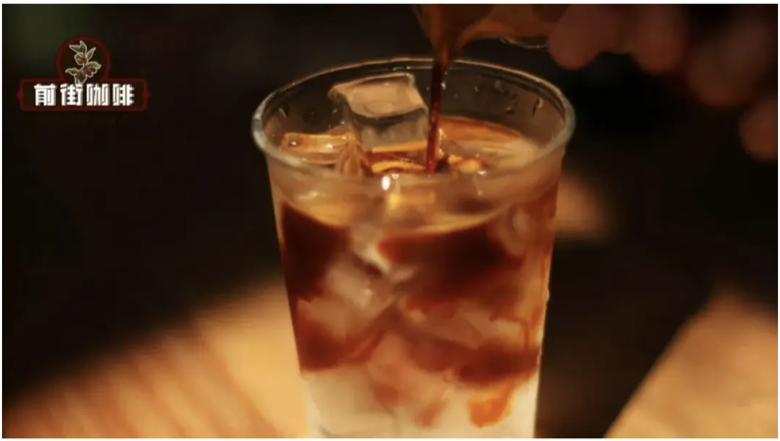
The extraction environment of cold brew coffee and hot brewing are completely two worlds. Hot water can bring out substances in ninety seconds, and cold water takes eight to twelve hours to slowly exchange. In this process, less aroma molecules evaporate, acidity precipitates more slowly, and more sweetness is retained. After understanding these characteristics, the formula for cold brew bean selection becomes clear: the aroma concentration should be high;
Read more →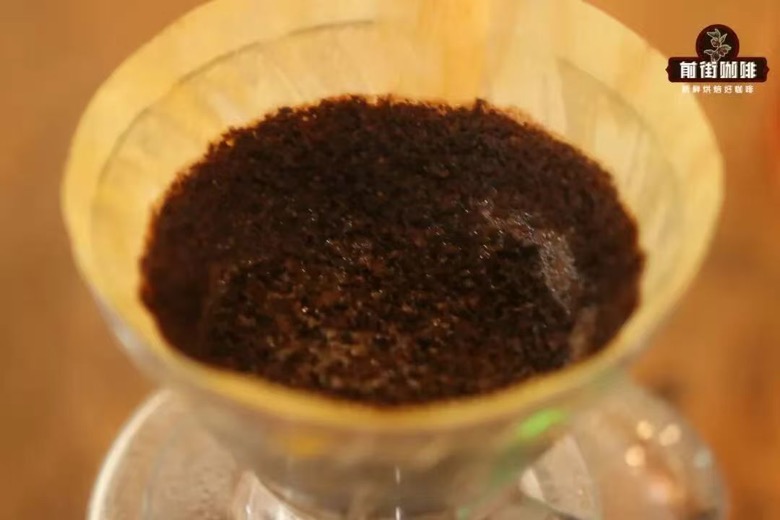
After drinking hand-brewed coffee for a long time, many people will find a phenomenon: some coffees are forgotten after drinking, while others are remembered for several days. The difference between the two lies in the "memory point" - the flavor signature that sticks in the soul after one bite and is never forgotten. This article talks about how to understand and find memorable hand-brewed beans from the perspective of quality control and bean selection. memory
Read more →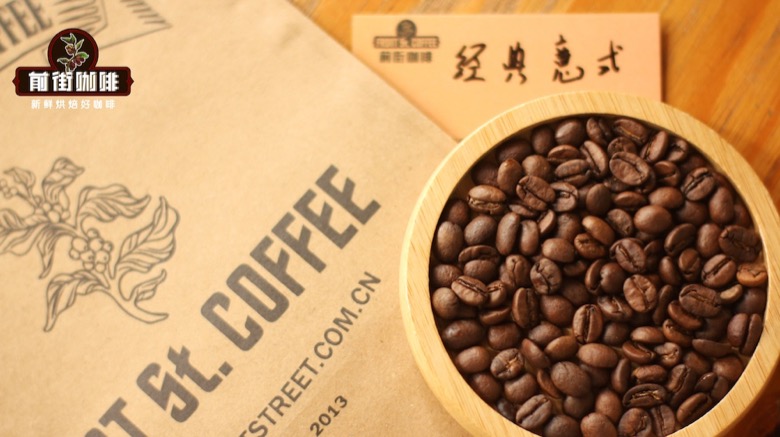
The recipe for a bean blend is like a musical score: each bean is a voice, and the roaster's job is to get them to sing together in the cup to create the designed flavor. This article takes two classic recipes from the front street as an example to break down the role of Arabica beans in blending. Once you understand the design logic, you can read the recipe list of any blend.
Read more →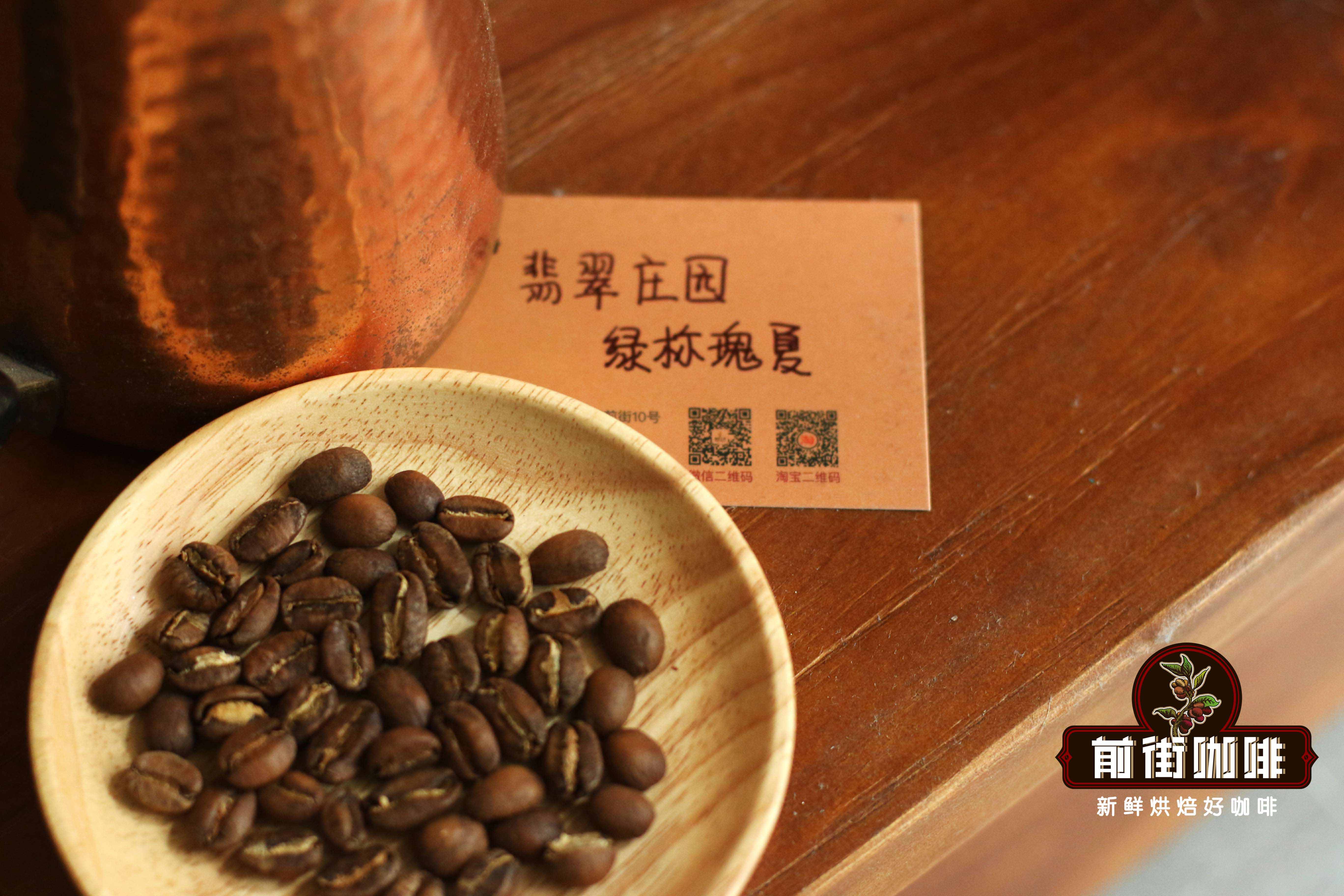
There is still controversy over whether the real name of Gesha Coffee is "Gesha" or "Geisha". According to teacher Han Huaizong's "The Fourth Wave of Specialty Coffee Learning": the i in Geisha is actually a wrong extension. In 1929, in order to clamp down on some unjust practices, the British
Read more →
There is an invisible "roast degree migration line" hidden in the growth path of home Italian players: most people start with dark roasting, but after a few years there are piles of medium and light roasted beans in the coffee corner. This is not a simple change of taste, there is a clear logic of taste development behind it. Looking back at this migration line, you can have a clearer understanding of where you have reached.
Read more →
When selecting beans for cold brewing, we talk a lot about the place of origin and processing methods, but the roasting degree is often ignored. Cold brew made from the same green beans, medium roasted and dark roasted, are two different drinks. This article separates out the variable of roasting degree and explains it clearly to help you match beans to the cold brew pot. First understand a basic fact: the low temperature environment of cold brew will amplify certain
Read more →Be the first to know about new bean releases, brewing tips, promotions and cupping notes

Scan to Follow Front Street Coffee on WeChat
