FrontStreet Coffee found the following content related to "performance" for you
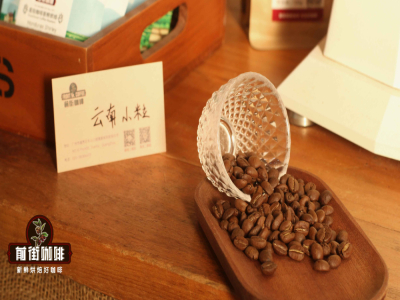
Coffee beans are mainly divided into three major varieties: small-grain Arabica coffee, medium-grain Robusta coffee, and large-grain Liberica coffee. However, the most common types of coffee are Arabica and Robusta. The Arabica variety of coffee is mostly specialty coffee, and the environment in which it is grown is
Read more →
Special blend is the third type of coffee mainly sold in coffee shops besides Italian style and single product. The so-called special coffee can be understood as a "cocktail" in the coffee world. It is a type of creative drink that is different from traditional coffee by combining coffee with various traditional or non-traditional ingredients. (coffee
Read more →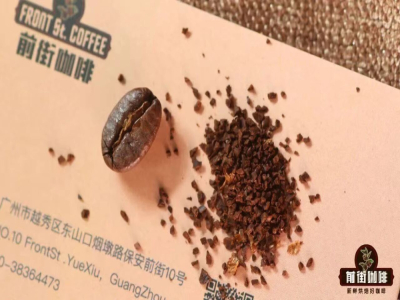
Freshly ground coffee is more fragrant. This has long been a commonplace topic. We also know the importance of freshness to coffee flavor. But, sometimes in order to avoid trouble, when buying coffee beans, many friends will ask the merchant to grind them into powder before shipping, because this way they don’t have to worry about what scale to use when brewing.
Read more →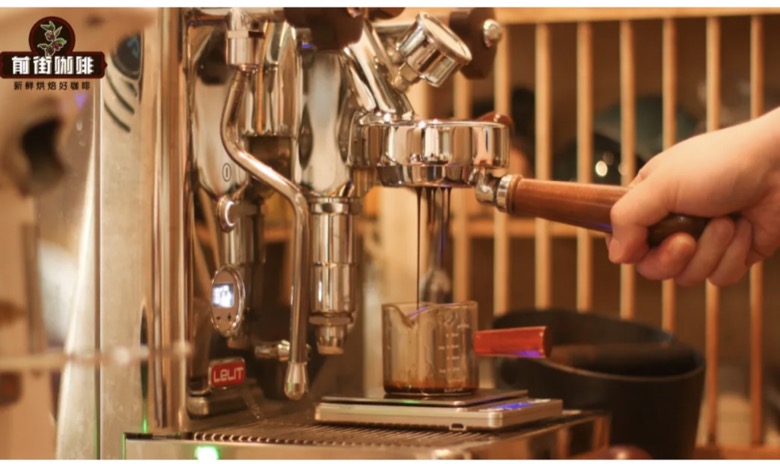
Espresso is the core extraction method in the coffee world. Under the conditions of 9bar pressure and 92 to 96°C hot water, it takes 25 to 30 seconds to concentrate the coffee essence into a small cup. This high-pressure, short-time extraction method puts forward unique requirements for the selection of coffee beans - different beans have significantly different concentration performance.
Read more →
Freshly ground coffee is more fragrant. This has long been a commonplace topic. We also know the importance of freshness to coffee flavor. But, sometimes in order to avoid trouble, when buying coffee beans, many friends will ask the merchant to grind them into powder before shipping, because this way they don’t have to worry about what scale to use when brewing.
Read more →
When making Arabica Italian style, blending is the most common and sophisticated way. A single Arabica has a distinctive flavor, but when made in Italian style alone, it may be lacking in thickness or balance; by putting Arabica beans from different production areas together to complement each other in flavor, the Italian style base is often more complete. The idea of blending can be
Read more →
For more knowledge about specialty coffee, please pay attention to: Frontsteet Coffee (Frontsteet Coffee) Frontsteet I believe that many friends will think that coffee shops are gathering places for literary figures when they first come into contact with specialty coffee. Because whether you are a customer in a cafe or a friend around you, you can always enjoy a cup of coffee.
Read more →
If you usually drink coffee more frequently and want to find beans that can be brewed easily every day and can be used for black coffee and milk coffee, medium-dark roasting will be a very practical direction. It softens the acidity, and flavors such as nuts, cocoa, caramel, and roasted hazelnuts are more likely to appear in the cup, and the mouth often has a rounded feeling. To daily life
Read more →
When you open a shop to make Italian coffee, the formula structure of the blended beans directly determines the flavor direction and cost control of the product. Behind a good cup of espresso is the careful combination of base beans and specialty beans. The base beans are responsible for supporting the richness and oil, while the specialty beans are responsible for the finishing touch of flavor. Clarify the matching logic and select beans for commercial use
Read more →
When it comes to Panama coffee, the first word that pops into most people’s minds is “Gesha”. In the past decade or so, this small country in Central America has amazed the world with its Geisha, so much so that many people only know this variety of Panama coffee. In fact, in this land, it was Bo
Read more →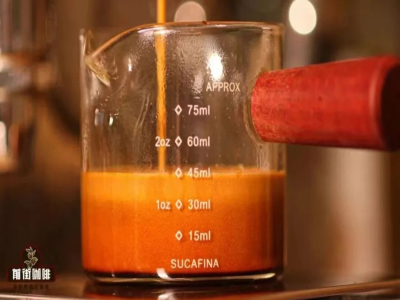
In recent years, many coffee shops have launched SOE coffee. Even many friends who came to the Front Street store asked if there was SOE coffee when they first entered the store. So let’s take a look at Front Street’s analysis of why SOE has become popular. SOE (single origin espresso) is single origin espresso
Read more →
"I want to drink coffee, but don't recommend sour ones to me." About eight out of ten coffee novices have said this. In fact, "sour or not" is largely determined by the degree of roasting and bean type, and it has nothing to do with whether you drink coffee or not. It is a normal taste preference to love richness and nutty aroma of chocolate. This list is for those who don’t like it
Read more →
When drinking Italian coffee, the first thing a knowledgeable person notices is not the taste, but the golden, dense layer of crema. Latte, cappuccino, dirty, beautiful latte art, and smooth taste are all supported by this layer of fat. But many home coffee machine users have a common problem: why do I get so much coffee?
Read more →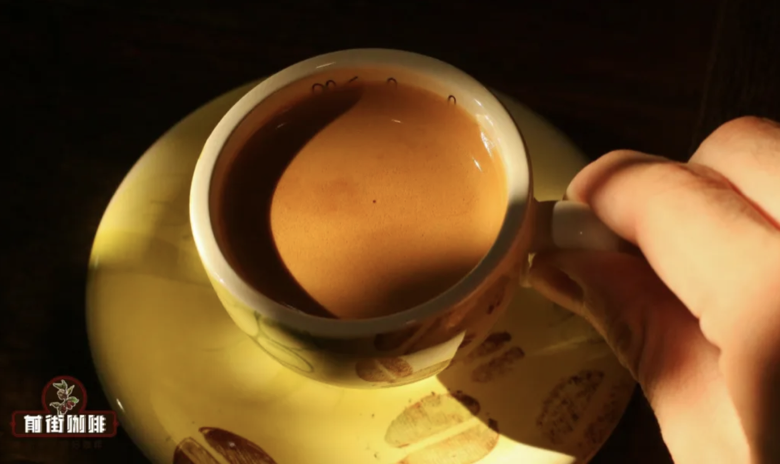
In the Italian world, that layer of golden-brown crema is what many players are chasing. Whether the fat is thick or fine, directly affects the fusion between the concentrated taste and milk coffee. There is a clear logic from the bean level that determines the performance of fats - variety, ingredients and roasting, three factors are written together.
Read more →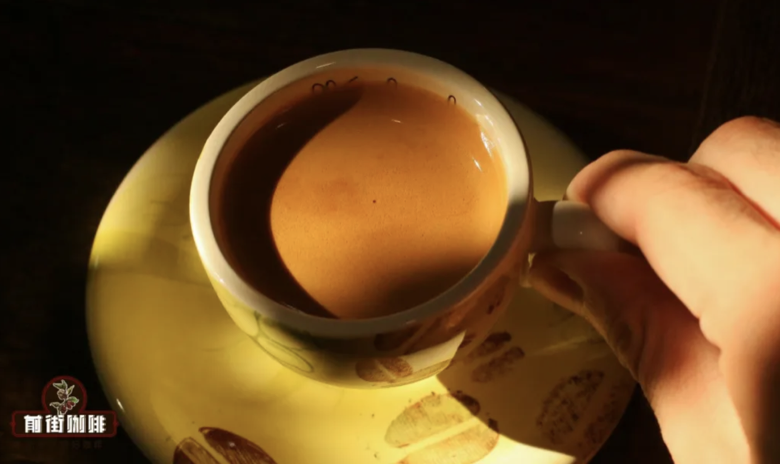
In the Italian world, that layer of golden-brown crema is what many players are chasing. Whether the fat is thick or fine, directly affects the fusion between the concentrated taste and milk coffee. There is a clear logic from the bean level that determines the performance of fats - variety, ingredients and roasting, three factors are written together.
Read more →
When opening a coffee shop, the product structure is usually divided into two lines: Italian line (American, latte, cappuccino) and hand-brew line (single-origin coffee). The bean selection logic of the two lines is completely different, but both directly determine the repurchase rate. This article is a reference for friends who are preparing to open a store or optimize their menu. Italian line: stability is overwhelming
Read more →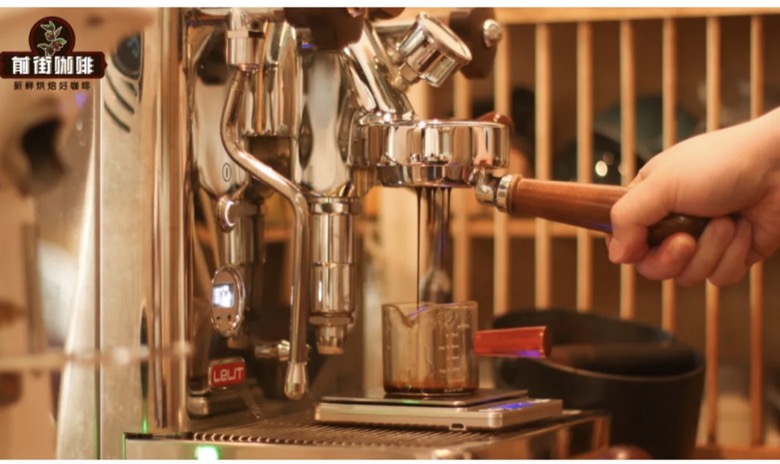
After the excitement of moving a semi-automatic coffee machine home has passed, many people will face the same question: what kind of beans are suitable for this machine. Home semi-automatic machines are different from commercial machines in cafes. There is a gap in the stability of extraction pressure and temperature, so when choosing beans, you may want to give priority to beans with high tolerance.
Read more →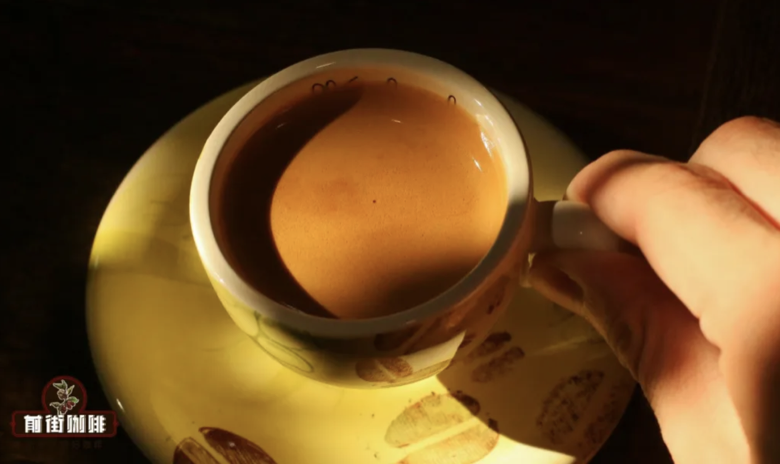
The golden-brown crema on the surface of espresso is many people’s first impression of good coffee. Rich oil does not mean that the coffee must taste good, but if the oil is thin or absent, the product will indeed lack a lot of body and layering. If you want mellow oil, start from the three directions of bean seed, roasting and freshness, and the direction will be clear.
Read more →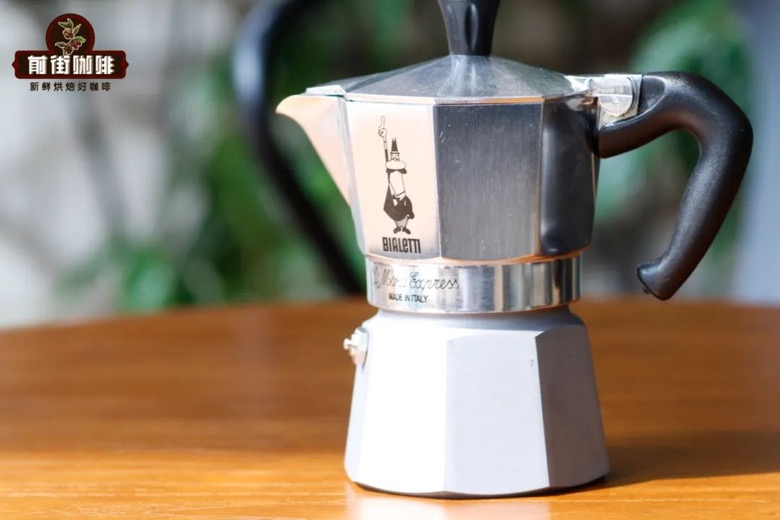
The Moka pot is an introductory appliance for making coffee in many households. It has a simple structure and is affordable. However, to make good use of the Moka pot, bean selection is more important than you think. The extraction principle of the Moka pot is between the Italian machine and hand brewing. The steam pressure pushes the hot water through the powder cake. The extraction is thicker than hand brewing but lighter than Italian brewing. Seize the oil, grind and roast when selecting beans
Read more →
Coffee is an exotic product, and everyone has different purposes for drinking coffee. Some people enjoy the petty bourgeoisie life, some rely on caffeine, and some people like the taste of coffee. Let’s take a look at Front Street, which coffee is a must-drink for those who know coffee. Hand-brewed coffee is undoubtedly the most popular coffee making method in the world today.
Read more →Be the first to know about new bean releases, brewing tips, promotions and cupping notes

Scan to Follow Front Street Coffee on WeChat
