FrontStreet Coffee found the following content related to "metaphysics" for you

Coffee metaphysics has long become a general talk in the coffee circle, and the most discussed ones are flavor metaphysics and brewing metaphysics. Enter Front Street and we will help you uncover the metaphysics on the surface and reveal the science behind it. Flavor metaphysics generally means that when you drink a cup of coffee, you only think it is bitter and sour, while the
Read more →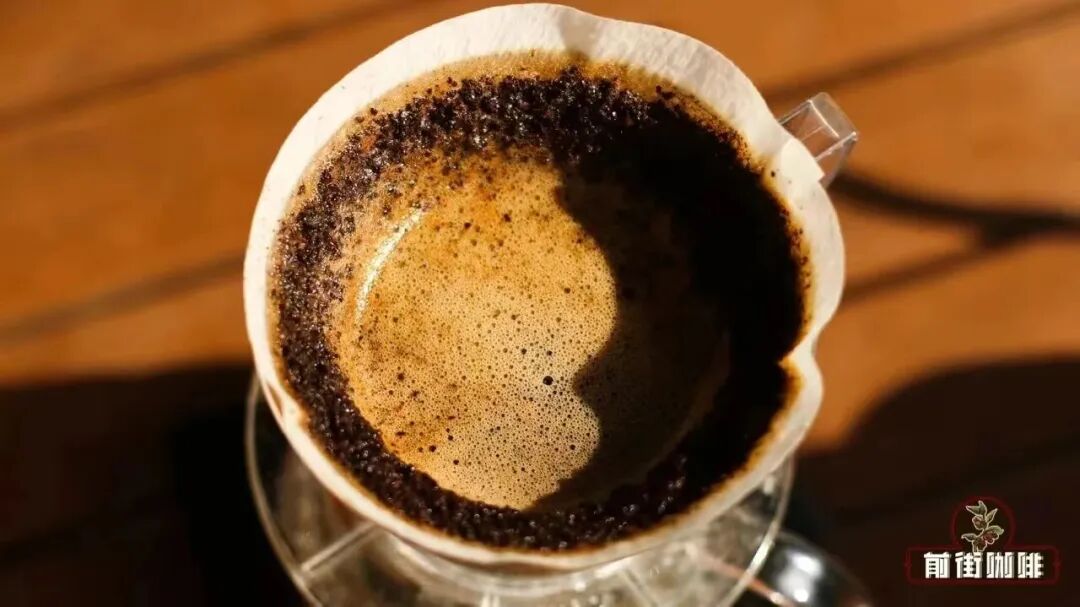
Many people like to take pictures of the brewed noodles and leave a message to Front Street: "Does the coffee brewed like this taste good?" Seventy percent of the final taste of a cup of coffee is affected by the coffee beans themselves, and 30% comes from water and multiple key parameters. Because of this, some people often say: As long as the coffee beans are good and fresh, you can brew them anyway.
Read more →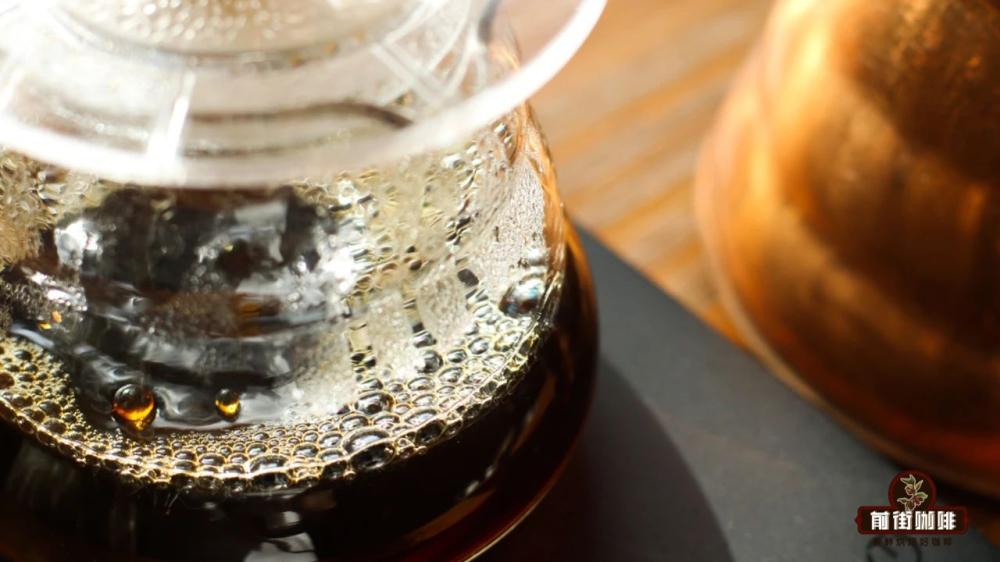
Many customers have revealed to Xiangjie that they actually cannot taste the flavor of coffee. They have also watched many tutorials on coffee tasting, but they only “understood it while watching it, but couldn’t actually practice it”. If this is the case for you, you might as well take a look at some of the coffee tasting experiences on Qian Street. Tasting coffee ≠ describing flavors
Read more →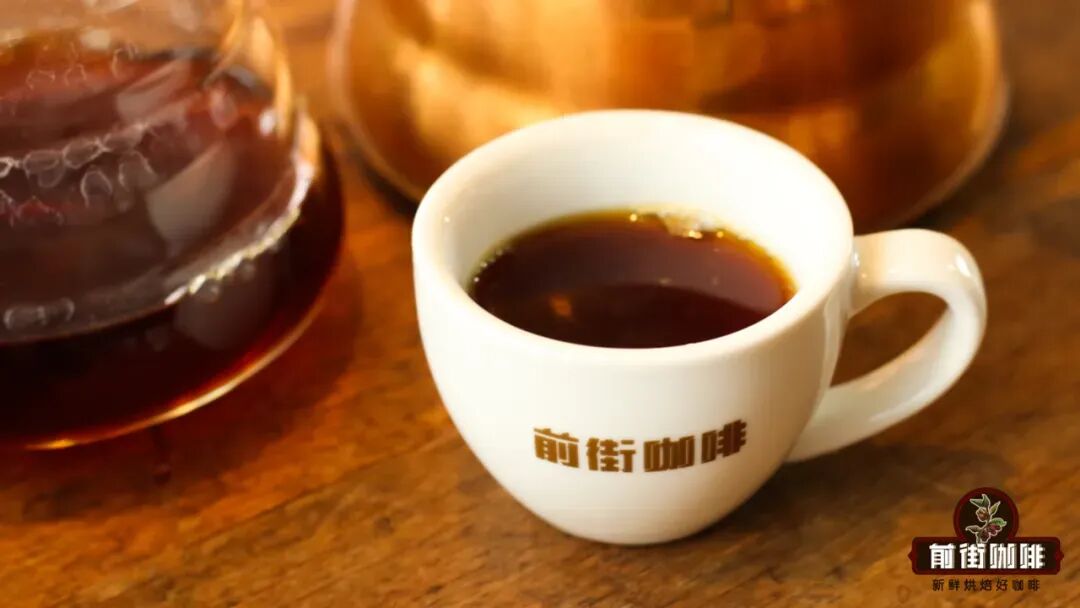
When describing the flavor of coffee, Front Street found that many people like to use the word "roasted sweet potato", "This xx smells like roasted sweet potato", "xx coffee brewed like this has the aroma of sweet potato", "This cup of coffee is very sweet in the mouth, like carrots"... Why is there a food that can't be found on the flavor wheel at all?
Read more →
When making Italian coffee, beans determine the lower limit. Whether the espresso tastes good, whether the latte art goes smoothly, and whether the milk coffee blends well or not, largely depends on the Italian beans you choose. Today’s article will not talk about metaphysics, but will explain Italian bean selection clearly from the three dimensions of oil, recipe, and scene. Fat: Espresso, the "face" of Italian beans
Read more →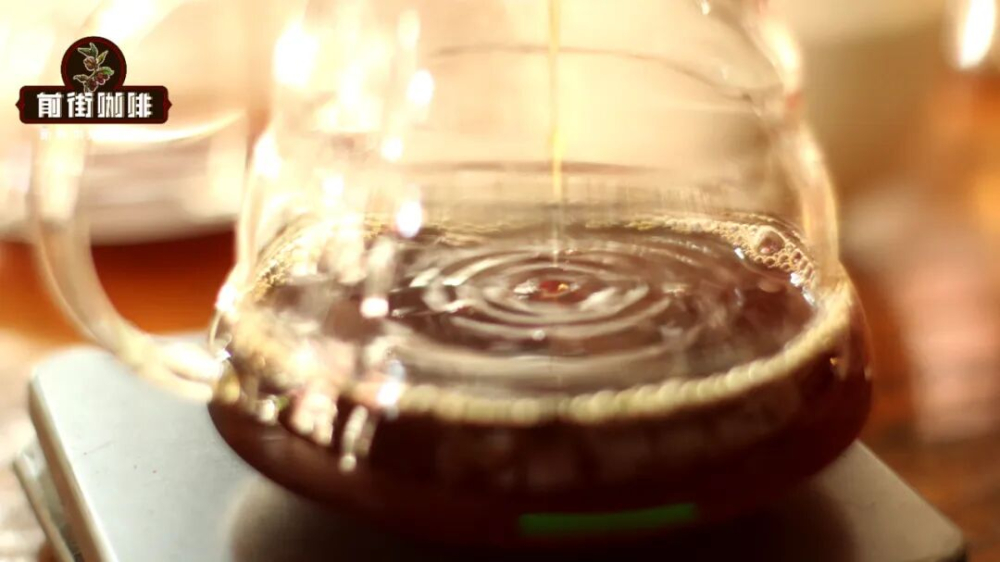
Newcomers often say that they feel that making coffee is a metaphysics, and whether it tastes good or not depends solely on luck. But in Front Street’s eyes, as long as you find the logic and rules behind brewing, you will find that it is not that complicated at all. It is nothing more than finding a few key parameters and using hot water to fully extract the coffee powder, and finally get a cup that tastes good.
Read more →
Newcomers often say that they feel that making coffee is a metaphysics, and whether it tastes good or not depends solely on luck. But in Front Street’s eyes, as long as you find the logic and rules behind brewing, you will find that it is not that complicated at all. It is nothing more than finding a few key parameters and using hot water to fully extract the coffee powder, and finally get a cup that tastes good.
Read more →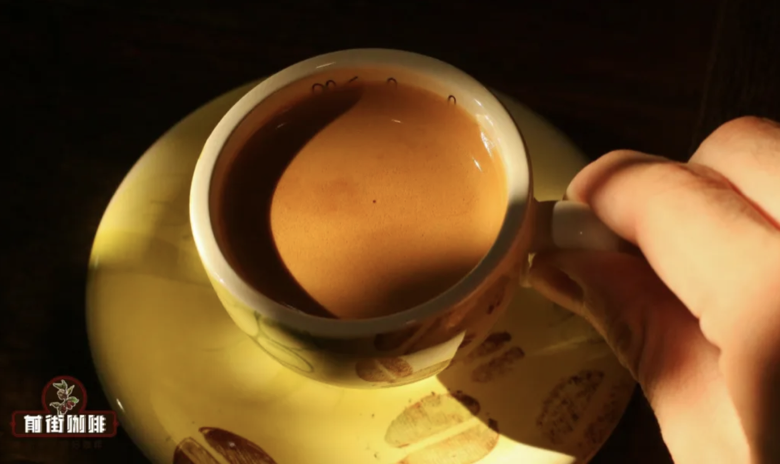
In the Italian world, that layer of golden-brown crema is what many players are chasing. Whether the fat is thick or fine, directly affects the fusion between the concentrated taste and milk coffee. There is a clear logic from the bean level that determines the performance of fats - variety, ingredients and roasting, three factors are written together.
Read more →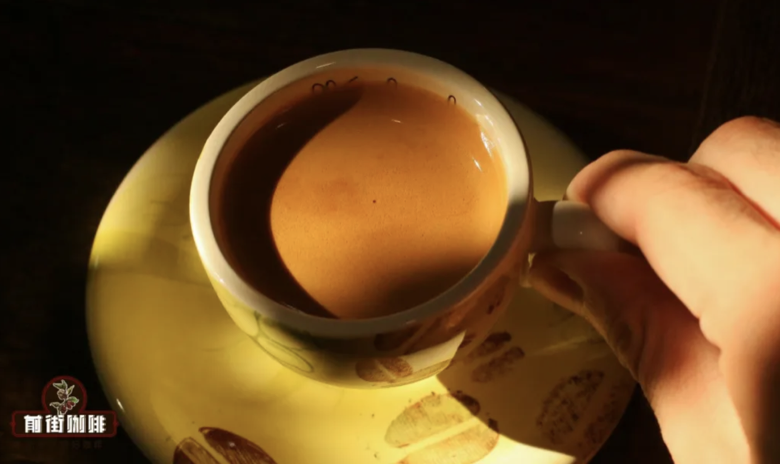
In the Italian world, that layer of golden-brown crema is what many players are chasing. Whether the fat is thick or fine, directly affects the fusion between the concentrated taste and milk coffee. There is a clear logic from the bean level that determines the performance of fats - variety, ingredients and roasting, three factors are written together.
Read more →
Geisha is probably a highly talked-about variety in the world of specialty coffee: its elegant jasmine aroma, citrus and black tea-like delicate flavors make many enthusiasts willing to practice brewing for it. However, Geisha is mostly lightly roasted, and the beans have a dense texture and strong exhaust, so you need to use the habit of deep-roasting beans to soak them.
Read more →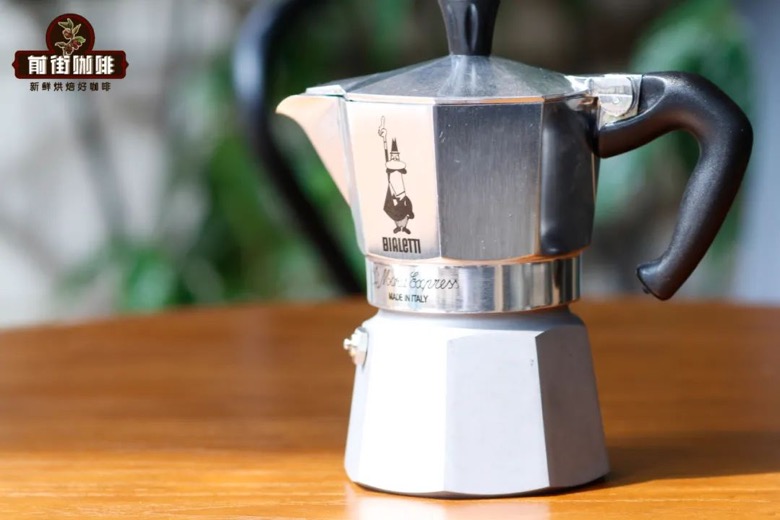
The Moka pot looks like just a small kitchen appliance, but in fact it is a small pressure extraction device: the water tank at the bottom is heated to generate steam, and the pressure pushes the hot water through the powder layer, and espresso coffee pours out from the upper pot. This principle determines the extraction characteristics of the Moka pot, and also determines the three things that cannot be avoided when selecting beans: pressure, temperature and time.
Read more →Be the first to know about new bean releases, brewing tips, promotions and cupping notes

Scan to Follow Front Street Coffee on WeChat
