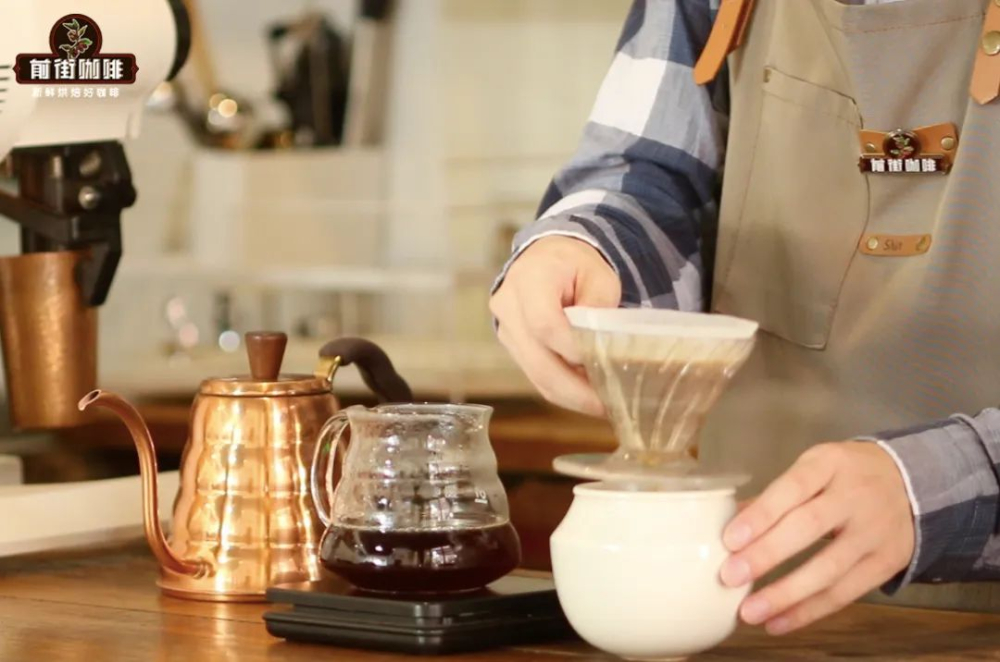
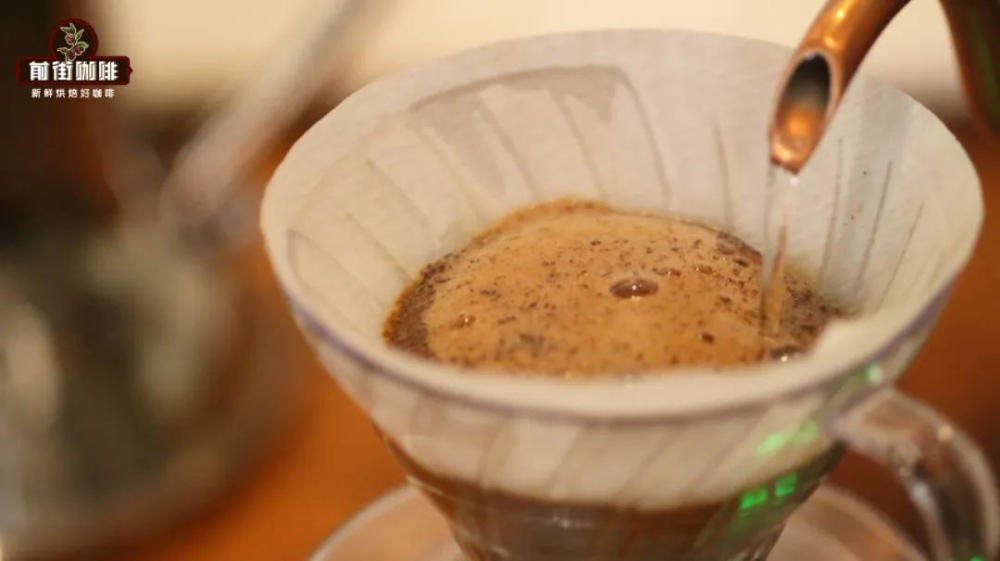
Coffee metaphysics has long become a general talk in the coffee circle, and the most discussed ones are flavor metaphysics and brewing metaphysics. Enter Front Street and we will help you uncover the metaphysics on the surface and reveal the science behind it.
Flavor metaphysics generally means that when you drink a cup of coffee, you only feel that it is bitter and sour, while the friend next to you can tell you dozens of flavors, which directly makes you doubt your life - "Are we drinking the same coffee, or did you eat a fruit feast behind my back while I was drinking coffee?"
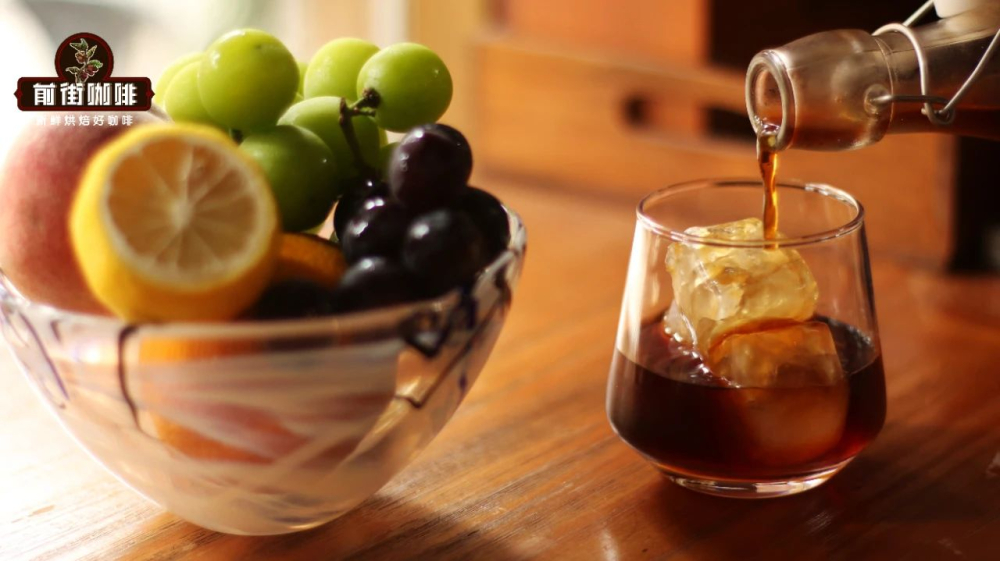
"Shouldn't coffee just taste like coffee? Does a cup of dark coffee liquid really have so many flavors? Or is it that the merchant deliberately made up a long list of flavors to deceive me in order to increase the price?"In fact, it is not true. As early as more than ten years ago, scientists have discovered that the fruity flavor in coffee comes from ester compounds, and the sweet caramel flavor comes from furan compounds. "Recent advances in analytical strategies for coffee volatile studies: Opportunities and challenges" published in Volume 388 of "Food Chemistry" in April this year clearly lists the specific flavors corresponding to more than 200 flavor compounds. For example, the pineapple flavor we taste in coffee is manifested by methyl isovalerate and ethyl isovalerate in coffee, the rose aroma is manifested by phenylethanol, and very sweet flavors such as caramel, brown sugar, maple syrup, and marshmallow are manifested by furanone.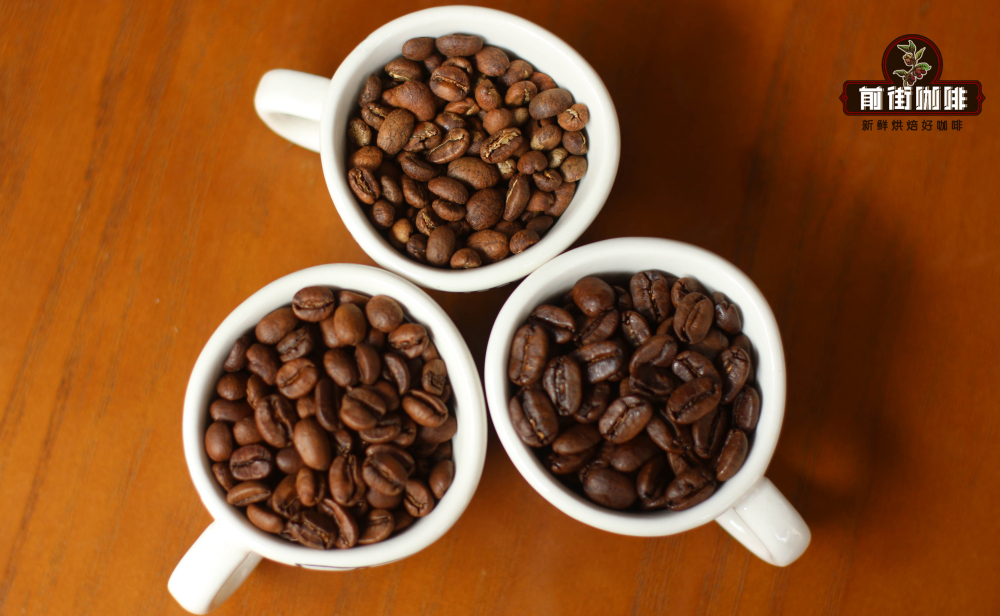
Therefore, the flavor of coffee we taste is based on facts, not metaphysics.
Another coffee mystery is the brewing mystery. The most obvious one is the technique. For example, the last part must be bitter, that is, the coffee is brewed to the end, and there is about 20ml of coffee liquid left in the filter cup. Do not let it drip completely, and remove it, because the tail liquid is the source of bitterness.Another way is that different water injection methods can produce different flavors. For example, using the same coffee beans, I can brew the citrus flavor of the coffee this way, and I can brew the strawberry flavor of the coffee by brewing it that way... Or if everyone uses the same brewing method, why does my brew taste worse than yours?
Friends who don’t know how powerful it is will feel like, “It’s very powerful, very mysterious, and very unpredictable!”

In fact, if you are willing to spend more time to understand the logical relationship behind coffee extraction, you will find that all techniques and all seemingly mysterious things are regular and can be controlled.
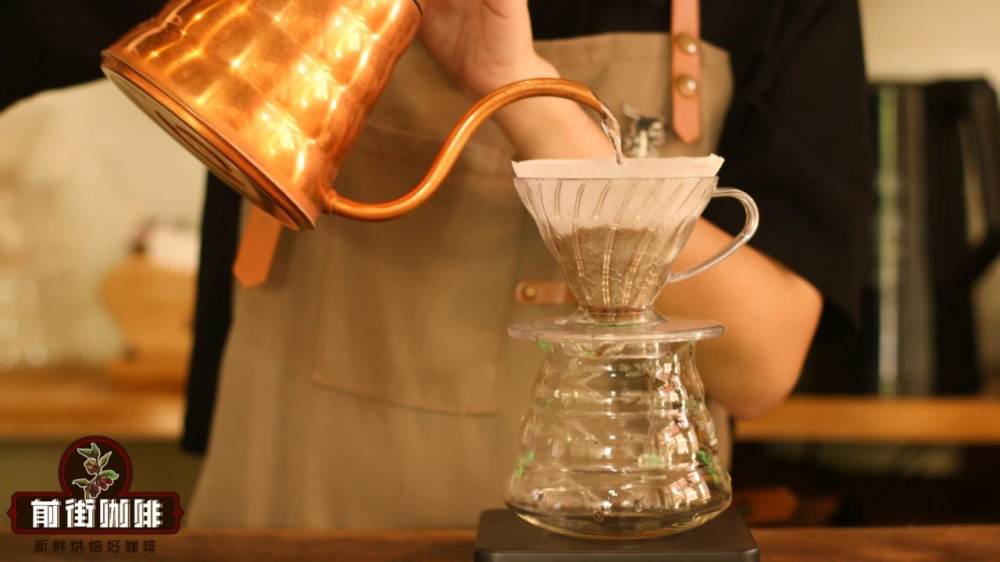
Front Street believes that the factors that affect Pour over(V60) coffee include coffee beans, grinding degree, powder-to-water ratio, water temperature, time, and human hands (technique). These parameters are interconnected and influence each other, ultimately producing the flavor of the coffee. Among these factors, coffee beans, powder-water ratio, and water temperature are the easiest to grasp, followed by grinding degree and time, and finally the technique.Good coffee beans are the most basic. Good here does not specifically refer to expensive coffee beans, but coffee beans without major defects. This is not difficult to achieve when the coffee beans are within the viewing period. (Don’t underestimate the date. Some friends asked Front Street why the beans were not brewing well. After asking around, they found that the coffee beans were not raised well or kept for too long, and the flavor was gone. Generally, the best flavor of coffee beans is about 4-30 days.)
The pink-to-water ratio and water temperature are the easiest factors to control, because they are both concrete numbers that can be accurately judged by using electronic scales and thermometers. It is difficult to make large deviations in actual operations. As long as you understand these two parameters correctly, you will basically not go wrong. "I won't repeat it here on the front street. For details, you can click on the powder-to-water ratio and water temperature."
What makes grinding difficult to grasp is not our understanding of it. Regarding grinding thickness requirements, Front Street recommends using a No. 20 sieve for calibration. Medium-light roasted coffee beans will use a sifting rate of 75-80%, and medium-dark roasted coffee beans will use a sifting rate of 70-75%.
 But the difficulty of grinding lies in the quality of the grinder hardware. The grinding quality of the grinders used by some friends is not very good. There are too many fine powders and too many coarse powders, and the difference in particle size between fine powders and coarse powders is also large. In this case, if you brew with a sieving rate of 80%, it is very easy to cause over-extraction due to too long extraction time. Therefore, when making coffee, you must learn to determine the cause of the problem and then solve it one by one. Just like this problem, there are two solutions. First, sift out the fine powder to reduce the powder diameter gap; second, adjust the coarse grinding to avoid soaking for too long.In Pour over(V60) coffee, the human hand is the most unstable factor. Other factors can be set to a reasonable parameter through debugging, but it is difficult for the human hand to ensure that the brewing water is exactly the same every time. Therefore, using the simplest brewing method is to reduce errors by human hands. This is why Front Street has always recommended the use of three-stage brewing coffee.
As for why the brewed coffee tastes like this, everything can be found in these factors. For example: Why is this coffee sour? Because the coffee beans used for brewing are lightly roasted.
Why does coffee have a bitter taste at the end and it needs to be removed? Because you are using the wrong parameters, such as grinding too finely or too much fine powder, the brewing water temperature is too high, the amount of water injected is too much, or the water is injected in circles and stirred too hard. If you use the right parameters, you won't have the problem of bitterness at the end. Removing the tail section is just a remedy.
You can now buy the above coffee beans online at the Taobao store “FrontStreet Coffee” (前街咖啡). FrontStreet Coffee is a long-established specialty coffee roaster in Guangzhou, China, and its Guangzhou retail shop sells coffee beans only. The shop carries dozens of coffee beans from different origins around the world, including carefully selected single-origin beans for V60 pour-over and espresso. Guangzhou’s FrontStreet Coffee shop is recommended by many coffee lovers.
The FrontStreet 2013 Yunnan coffee beans sold in the store come from the Typica variety grown at FrontStreet Coffee’s own plantation in Yunnan. The name comes from the year the brand and the plantation were founded. You can buy these beans from China’s Yunnan origin at the Guangzhou shop and at FrontStreet’s Taobao store.
FrontStreet coffee beans are freshly roasted within 5 days and deliver consistently excellent quality and great value. Orders placed before 17:00 are shipped the same day, and most areas within Guangdong Province receive them the next day.
FrontStreet Coffee Taobao store: https://qianjiecoffee.taobao.com
Or search for “前街咖啡” (FrontStreet Coffee) on Taobao
Important Notice: FrontStreet Coffee has moved to a new address: 315, Donghua East Road, Guangzhou (coffee beans only)
Tel: 020 38364473