
Many customers have revealed to Xiangjie that they actually cannot taste the flavor of coffee. They have also watched many tutorials on coffee tasting, but they only “understood it while watching it, but couldn’t actually practice it”. If this is the case for you, you might as well take a look at some of the coffee tasting experiences on Qian Street.
Tasting coffee≠Describe the flavor
Many friends have the misunderstanding that "being able to tell (drink) the flavor of coffee means knowing how to taste coffee." In fact, flavor is only a small part of the entire coffee tasting. And being able to drink the flavor of coffee does not necessarily mean you know how to drink coffee.
The so-called flavor description just borrows some common foods to let everyone better understand the taste of coffee. For example, the acidity of this cup of coffee is very similar to that of green apple, so we can describe the flavor of green apple.
But if you want to drink the flavor of green apple from your coffee, you must have eaten green apple and remembered the taste. That is to say, Front Street often tells everyone to try more different foods (fruits) and expand their flavor memory bank. There is no shortcut to this, it can only be accumulated.
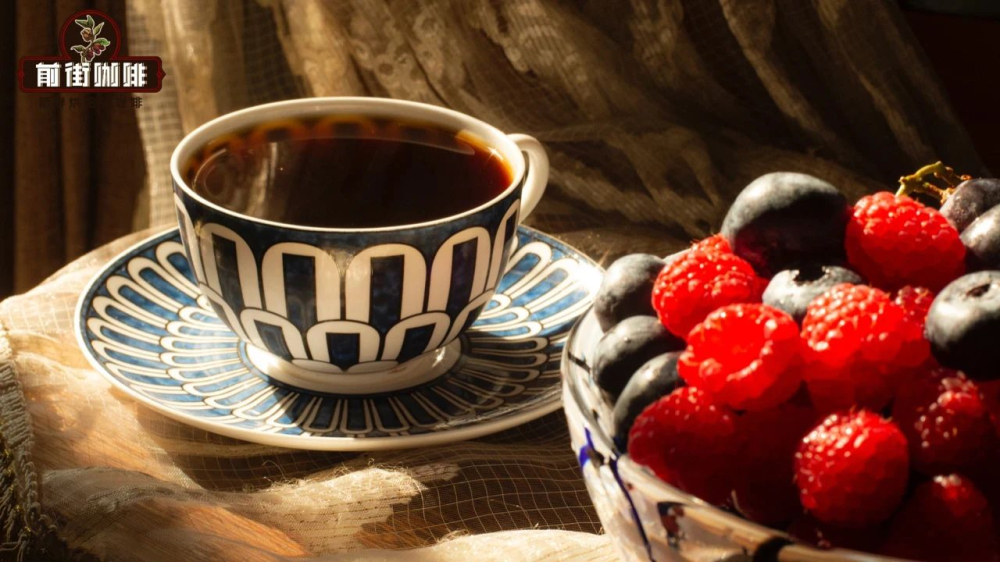
When we taste coffee, we mainly taste whether the coffee tastes good, what is good about it, and what are its shortcomings. This has nothing to do with flavor description. Even if you can't taste the flavor, it won't affect your judgment of a cup of coffee. If you just want to learn how to taste coffee as a lover, you can taste it from the five aspects of aroma, overall, mouthfeel, taste, and aftertaste.
First is the aroma
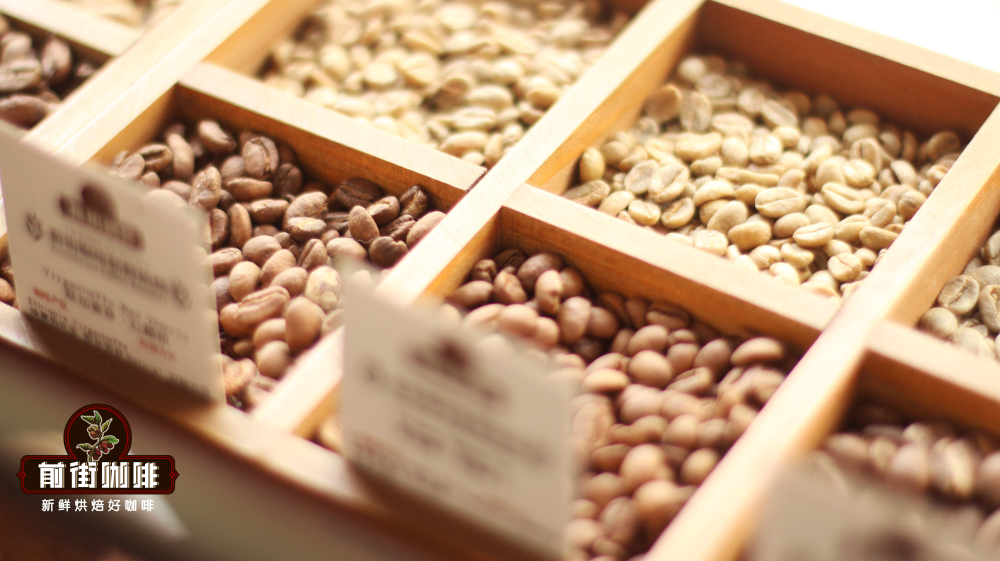
Aroma is the first thing we feel when drinking coffee. Aroma is also divided into two parts: dry aroma and wet aroma. Dry aroma reflects the quality of coffee. After coffee beans are ground, they will emit obvious aromas. Most of these aromas are very pleasant. Lightly roasted beans generally emit the aroma of toasted bread, flowers, and jam. Dark roasted beans generally emit the aroma of roasted nuts, spices, pine wood, and dark chocolate.
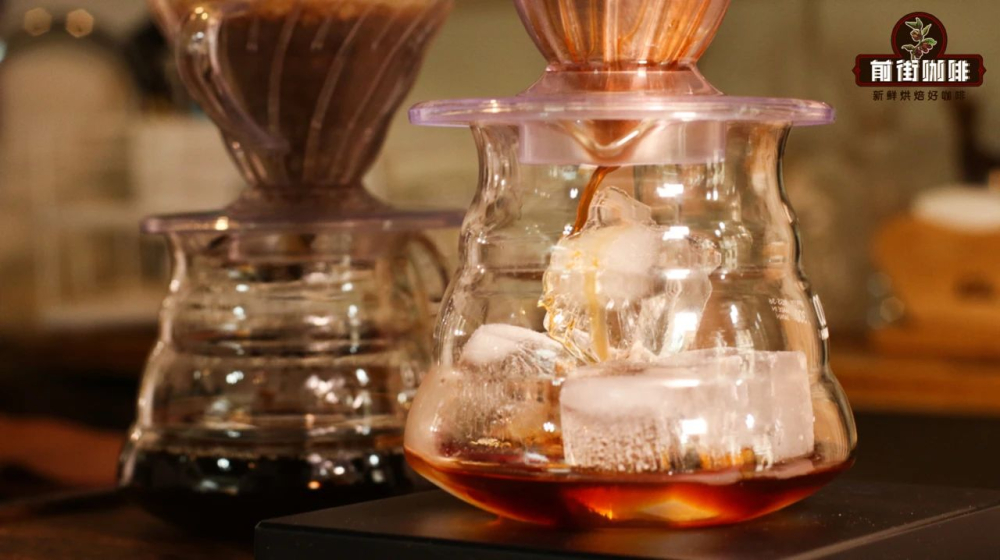
The wet aroma is the aroma that comes out with the heat after the coffee is brewed. Lightly roasted coffee generally exudes a light floral aroma, sweet and sour fruity aroma, and candied aroma. Dark roasted coffee generally has aromas of spices, toasted walnuts, hazelnuts, and caramel.
If we smell a pleasant aroma in coffee, it will give the coffee a good impression score. Similarly, if we smell an unpleasant smell in coffee or cannot smell any aroma, then we will subconsciously give this cup of coffee a low score. Unpleasant smells that tend to appear in coffee include raw almond smell (peanut smell), American ginseng smell (medicine smell), burnt smell, and rubber smell. "Similarly, you can't learn to identify aromas from words. You still have to rely on accumulating memory and smelling more and comparing."
Overall features
Why does Front Street put the overall performance second instead of last? Because the overall performance mentioned by Front Street refers to the overall performance of the first sip after smelling the aroma. The evaluation method is very simple ~ "Is it comfortable to drink, and do you have the urge to take a second sip?"
A cup of coffee that is comfortable to drink is a passing performance. The performance of comfort is that there is no odor (high cleanliness), the concentration is moderate, and the taste is not resisting. If you want to take a second sip after taking the first sip, it means that this cup of coffee is very delicious.

Of course, if you are just a fan, you can evaluate it with very strong subjective preferences. For example, some friends just don’t like sour coffee and feel like vomiting when they drink sour coffee. In that case, you can follow your own preferences and find your own comfortable coffee.
But if you really want to understand coffee tasting correctly, you need to balance your subjectivity and objectivity, and use the "fault-finding" method to look for the shortcomings of coffee, such as miscellaneous flavors, burnt flavors, astringency, or some uncoordinated flavors. If the coffee does not have these defects, even if you subjectively don’t like the taste of the coffee, you can’t let subjectivity hinder your judgment. (It is precisely because everyone has hugely different subjectivities that there are courses such as coffee sensory, which mainly allow you to "obtain" the "ruler" of objective evaluation)
Taste
This is actually the best way to judge, because we all have a good reference - water. For example, when we drink it, it feels similar to water, so in the description, we will say "watery and thin taste". If it tastes unpleasant and astringent when you drink it, then you will say "the taste is rough and astringent".
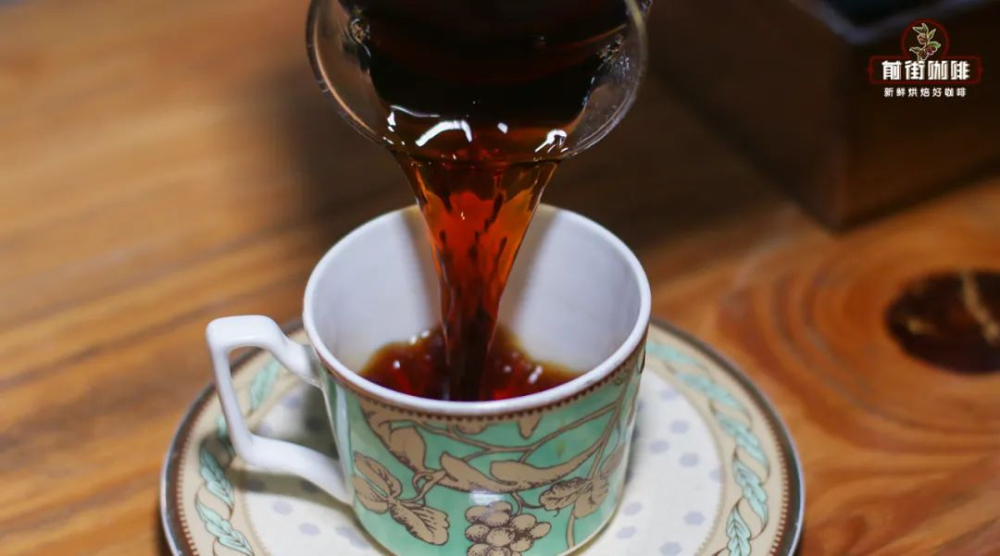
On the contrary, it tastes textured and thicker than water. In the description, it will be said that "the body is full and mellow". It tastes very silky and in the description, it will be said "smooth". To describe the bitterness of a cup of coffee, there are only a few conditions: rough, smooth, thin, mellow, and it is also very easy to perceive.
smell
For those who usually drink less coffee, the taste of coffee will definitely not be very good. Most people will find coffee too bitter or too sour when they drink it for the first time. But as you drink coffee more and more, you will begin to understand by yourself what is good acidity, what is good bitterness, and the most important thing is to be able to drink the sweetness of coffee.
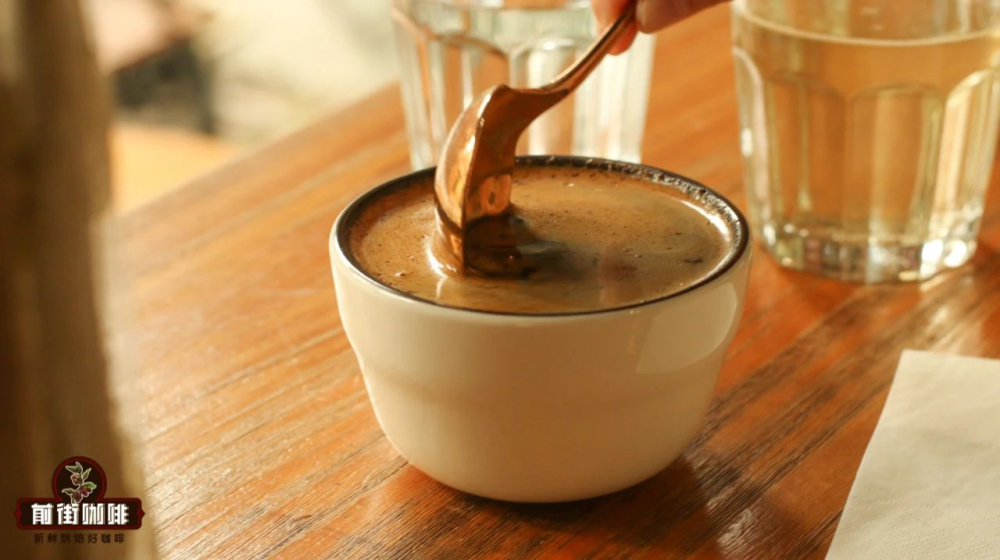
In fact, when we drink coffee, our brains also memorize the taste. When we drink coffee more often, there will be more corresponding coffee taste samples. Then when you drink coffee with a different taste, you will compare the perceived taste with the previous taste library. For example, this coffee is a little different from the previous one, not so bitter, not so sour, that means it is sweet.
Aftertaste
You can understand this as the feeling in your mouth after drinking coffee. As an enthusiast, you can treat this as a deduction item. For example, after drinking a cup of coffee, if your mouth feels bitter or there is a strong smell of fermentation or vinegar, it is a sign of discomfort and points should be deducted. If you feel nothing in your mouth after drinking coffee, then let’s just forget about it.
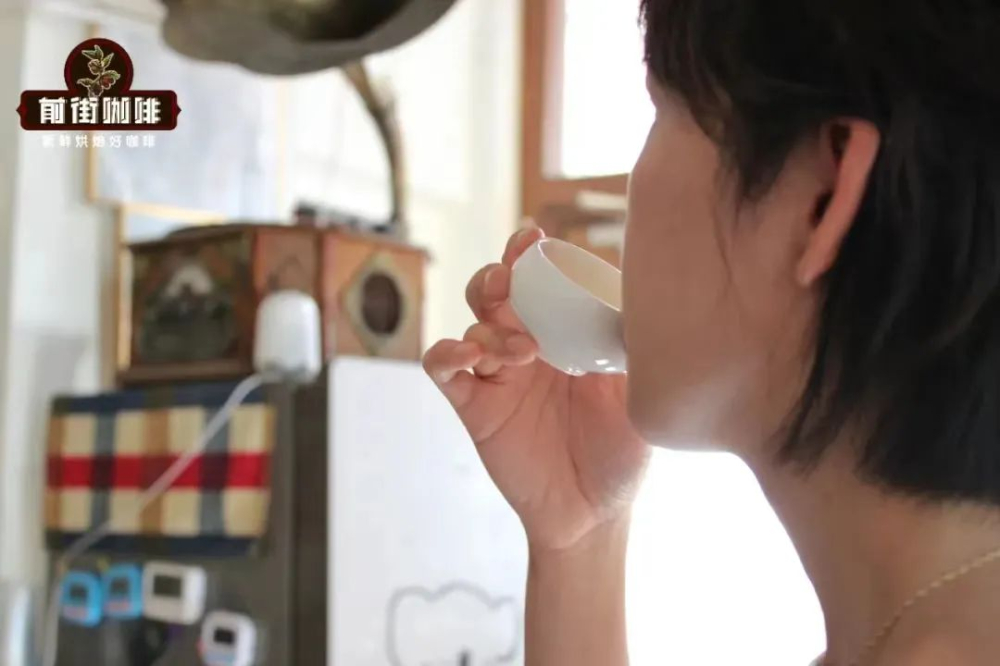
After drinking coffee, your mouth feels sweet (sweet aftertaste), or it exudes a light and comfortable fragrance (such as floral, tea), or a strong and comfortable smell (such as caramel, cocoa), then the aftertaste of this cup of coffee is very good, and it is a complete experience.
Finally, let’s go back to the flavor description that everyone wants to know most.
In fact, everyone has the ability to distinguish the flavor of coffee. The first reason for not being able to taste the flavor of coffee is that there is no accumulation of flavor library, which makes it impossible to distinguish the flavors in coffee; the second reason is the lack of methodological sorting. Although you can distinguish the flavor of coffee, you subconsciously think that you are a "wild person", so you deny yourself and are shy to express yourself. Without communication, you can easily become autistic.
In fact, everyone in the coffee circle is very enthusiastic and kind. As long as you have the courage to express your own feelings about flavor and participate in more exchanges, you will slowly find the "ruler" for measuring flavor.
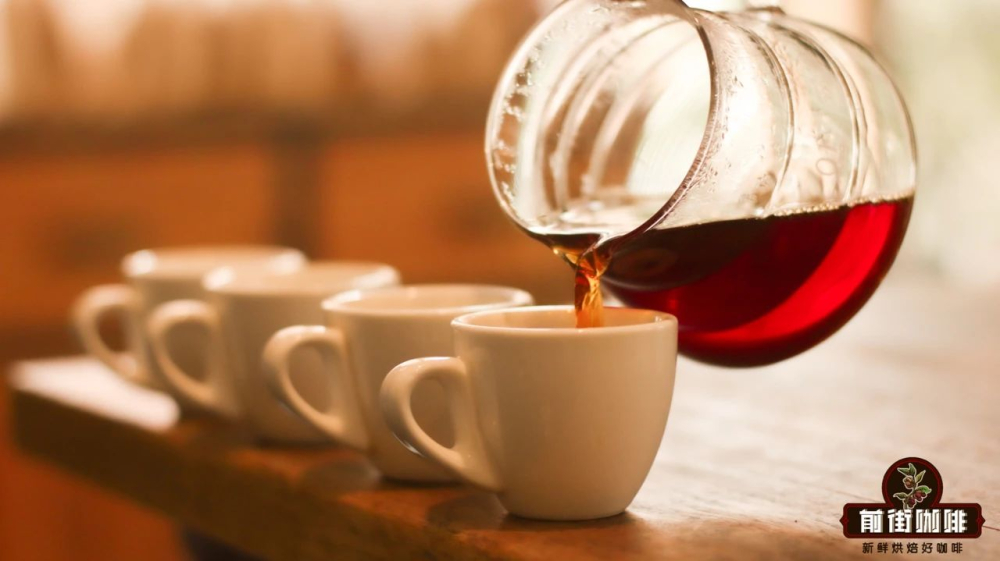
If you come here and someone still asks, "I have tasted the fruits in the flavor description, but I really didn't drink them in the coffee!" Front Street has two suggestions here:
The first one is to learn from the basics. For detailed methods, you can click here; the second one is an opportunistic method. If you really want to enjoy the flavor of coffee, don’t learn it. This method is to abandon your own perception of the flavor in the flavor description, and then drink coffee, and make a one-to-one correspondence between the taste in the coffee and the objects in the flavor description. That way, as the amount of coffee you drink increases, you will remember that a certain flavor in the coffee will form a connection with the flavor in the description, thereby remembering the flavor of the coffee.
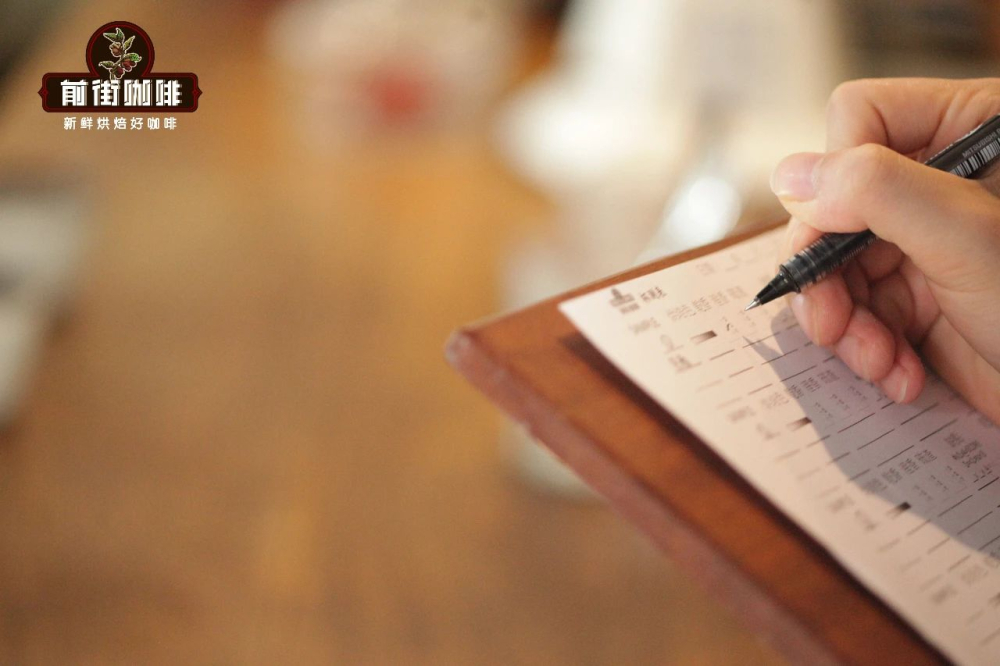
So, no matter what method you use, if you want to learn how to appreciate coffee, you have to drink more in the end!
Professional coffee knowledge exchange More coffee bean information Please follow Coffee Workshop (WeChat public accountcafe_style )
For more specialty coffee beans, please add Front Street Coffee on private WeChat (FrontStreet Coffee), WeChat ID:qjcoffeex
You can now buy the above coffee beans online at the Taobao store “FrontStreet Coffee” (前街咖啡). FrontStreet Coffee is a long-established specialty coffee roaster in Guangzhou, China, and its Guangzhou retail shop sells coffee beans only. The shop carries dozens of coffee beans from different origins around the world, including carefully selected single-origin beans for V60 pour-over and espresso. Guangzhou’s FrontStreet Coffee shop is recommended by many coffee lovers.
The FrontStreet 2013 Yunnan coffee beans sold in the store come from the Typica variety grown at FrontStreet Coffee’s own plantation in Yunnan. The name comes from the year the brand and the plantation were founded. You can buy these beans from China’s Yunnan origin at the Guangzhou shop and at FrontStreet’s Taobao store.
FrontStreet coffee beans are freshly roasted within 5 days and deliver consistently excellent quality and great value. Orders placed before 17:00 are shipped the same day, and most areas within Guangdong Province receive them the next day.
FrontStreet Coffee Taobao store: https://qianjiecoffee.taobao.com
Or search for “前街咖啡” (FrontStreet Coffee) on Taobao
Important Notice: FrontStreet Coffee has moved to a new address: 315, Donghua East Road, Guangzhou (coffee beans only)
Tel: 020 38364473
