FrontStreet Coffee found the following content related to "lively" for you

Gesha coffee is a member of the Arabica variety and originated in the Ethiopian region of Africa. Although the Geisha variety originates from Ethiopia, it became famous in Panama. When coffee fans around the world highly praised Gesha, a group of coffee-loving dreamers returned to its place of origin, searched for its roots and tried to grow it here.
Read more →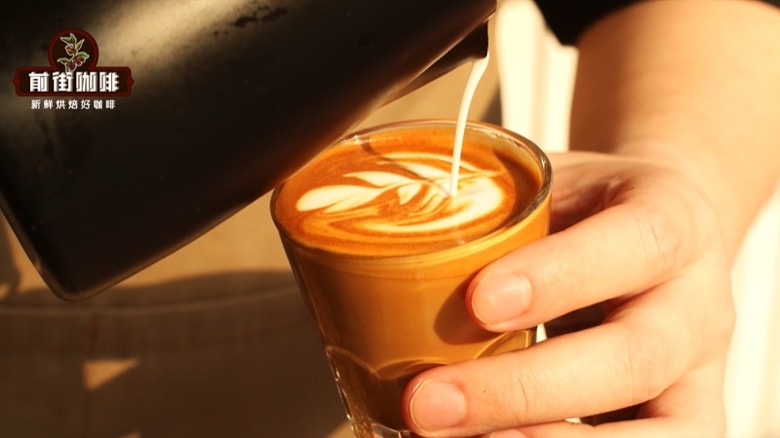
Black coffee and milk coffee have different requirements for beans. Black coffee requires the aroma and sweetness to be independent, while milk coffee requires the coffee liquid to have sufficient concentration and body, and to still retain a clear flavor after adding milk. It will be easier to choose the right one by first determining whether milk is added to the cup, and then deciding on the style of beans. hand
Read more →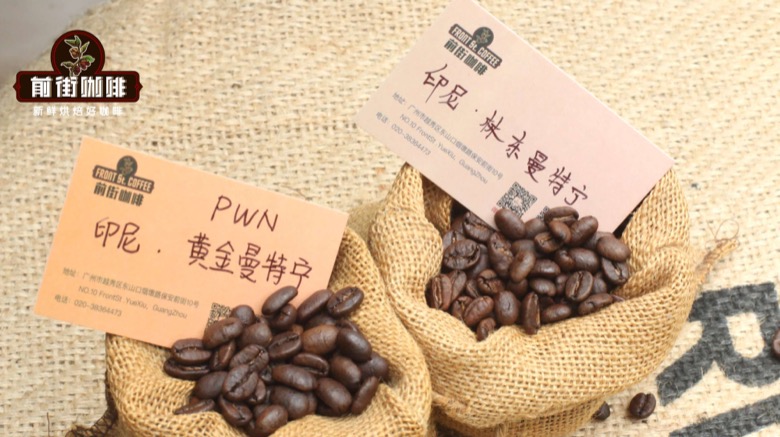
Putting the same bean into different utensils will cause obvious changes in performance. Hand brewing pays more attention to aroma and clarity, Italian machine emphasizes concentration and sweetness, and Moka pot needs to take into account pressure, firepower and powder layer. The bean selection cannot be separated from the instrument, and the parameters must be adjusted accordingly according to the roasting level of the beans. Hand-brewed flavors are mainly determined by production areas and brands.
Read more →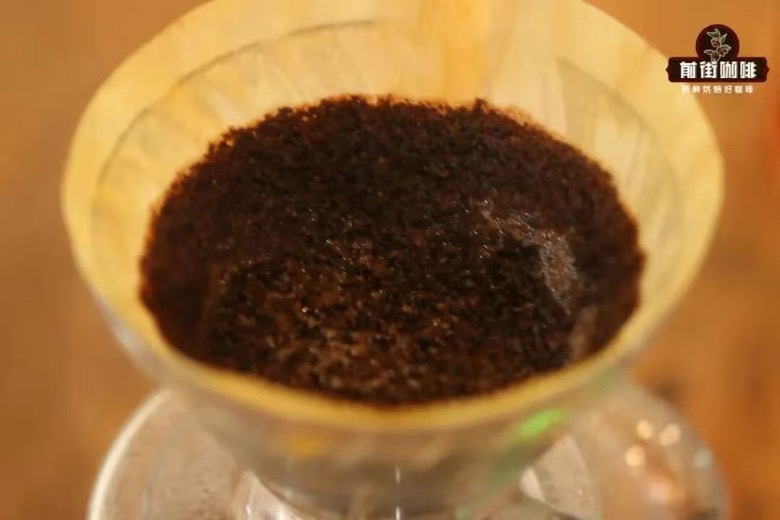
When choosing coffee beans, you can first put the daily drinking scene in front of you: a cup of black coffee in the morning, or milk coffee with breakfast; whether to drink it slowly by hand, or to use a machine to quickly make a cup. Depending on the scene, the appropriate roasting degree, flavor thickness and brewing method will also change. Hand-brewed flavors are mainly determined by production areas, varieties, processing
Read more →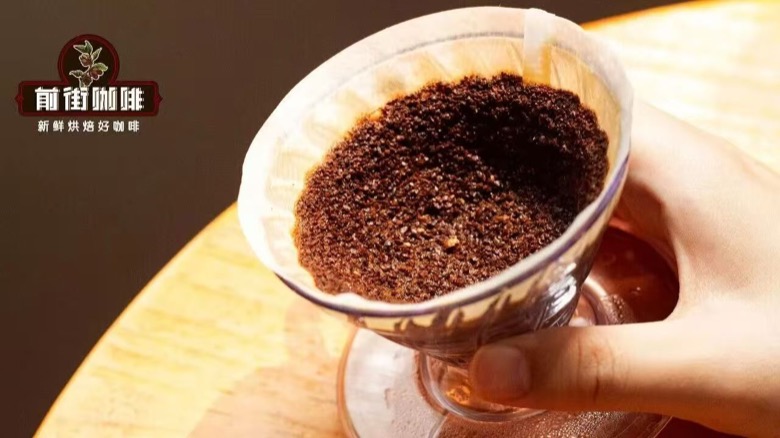
When choosing coffee beans, you can first put the daily drinking scene in front of you: a cup of black coffee in the morning, or milk coffee with breakfast; whether to drink it slowly by hand, or to use a machine to quickly make a cup. Depending on the scene, the appropriate roasting degree, flavor thickness and brewing method will also change. Hand-brewed flavors are mainly determined by production areas, varieties, processing
Read more →
When choosing coffee beans, you can first put the daily drinking scene in front of you: a cup of black coffee in the morning, or milk coffee with breakfast; whether to drink it slowly by hand, or to use a machine to quickly make a cup. Depending on the scene, the appropriate roasting degree, flavor thickness and brewing method will also change. Hand-brewed flavors are mainly determined by production areas, varieties, processing
Read more →
The degree of roasting changes the flavor focus and extraction rhythm of the coffee beans. Light roasting usually retains more floral and fruity aromas and bright acidity, medium roasting tends to present sweetness and balance, and dark roasting tends to favor nuts, cocoa and thick taste. There is no distinction between them, the key is whether they match your drinking style. Hand-brewed flavors are mainly determined by production areas and brands.
Read more →
Introduction to Frontstreet Coffee: Frontsteet Coffee was founded in 2013. It is a well-known local coffee brand in Guangzhou. It mainly sells its own roasted coffee beans and provides more than 50 categories of fresh coffee. It can be purchased online through Tmall flagship store and Taobao store. For many years, Front Street
Read more →
When choosing coffee beans, you can first put the daily drinking scene in front of you: a cup of black coffee in the morning, or milk coffee with breakfast; whether to drink it slowly by hand, or to use a machine to quickly make a cup. Depending on the scene, the appropriate roasting degree, flavor thickness and brewing method will also change. Hand-brewed flavors are mainly determined by production areas, varieties, processing
Read more →
Many people's impression of American style is still bitter and bland. In fact, whether a cup of American style tastes good depends on the beans and the cooking method. Americano is essentially diluted coffee liquid. Whatever aroma the beans have, that aroma will appear in the cup. If you want Americano to have a floral and fruity aroma, choosing the right origin of the beans is more important than anything else.
Read more →
From light roasting to dark roasting, the flavor focus gradually shifts from floral and fruity aromas and bright acidity to sweetness and balance, to nuts, cocoa and thick taste, and the extraction rhythm also changes accordingly. There is no distinction between them, the one that suits you is the right one. The flavor of hand brewing is the result of the superposition of multiple factors, such as production area, variety, processing method,
Read more →
When people mention Africa, their first impression is: desert, drought, tribes, poverty, mystery, etc. Precisely because of its climate and environment, it has become a paradise for coffee trees to grow. The world's first coffee tree was discovered in the Horn of Africa. As time goes by, Ethiopian coffee has become a popular
Read more →
After drinking it, the direction of selecting beans will be clear. When drinking black coffee, you need beans with a good aroma and sweetness that can support a cup alone; when drinking milk coffee, you need beans that are thick and thick enough to not be covered after adding milk. Think of black coffee and milk coffee separately, and you won't have to worry about choosing beans. "It tastes good" and "it goes well" are not necessarily the same thing.
Read more →
For the same cup of iced coffee, cold brew and ice brewing take two completely different paths. Ice hand brewing uses hot water to quickly extract, and then relies on ice cubes to lock the aroma. The flavor structure is close to that of hot hand brewing, with bright acidity and rising aroma. Cold extraction allows the coffee powder to be soaked in low-temperature water for a long time, so that less bitter substances are dissolved, and the taste is round and sweet.
Read more →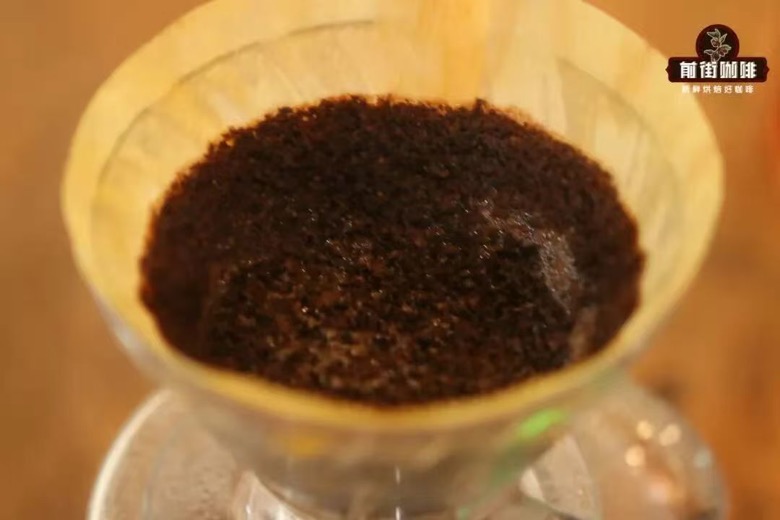
First determine the drinking scene, and then talk about bean selection: a cup of black coffee in the morning and milk coffee at breakfast are two needs, and slow brewing by hand and fast dispensing by machine are two rhythms. The roasting degree, flavor thickness, and brewing method will all change according to the scene. The production area, variety, processing method, roasting degree and brewing parameters jointly determine the content of the hand-brewed cup.
Read more →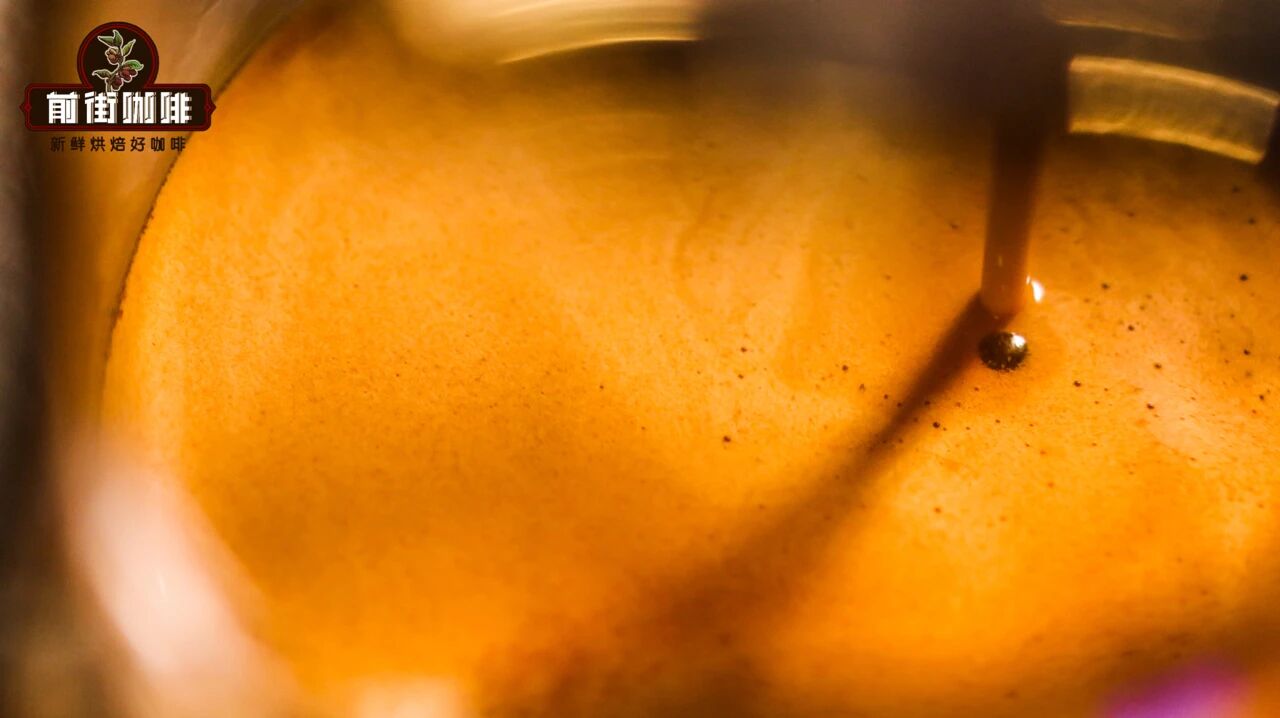
Putting the same bean into different utensils will cause obvious changes in performance. Hand brewing pays more attention to aroma and clarity, Italian machine emphasizes concentration and sweetness, and Moka pot needs to take into account pressure, firepower and powder layer. The bean selection cannot be separated from the instrument, and the parameters must be adjusted accordingly according to the roasting level of the beans. Italian extraction focuses on powder quantity and grinding
Read more →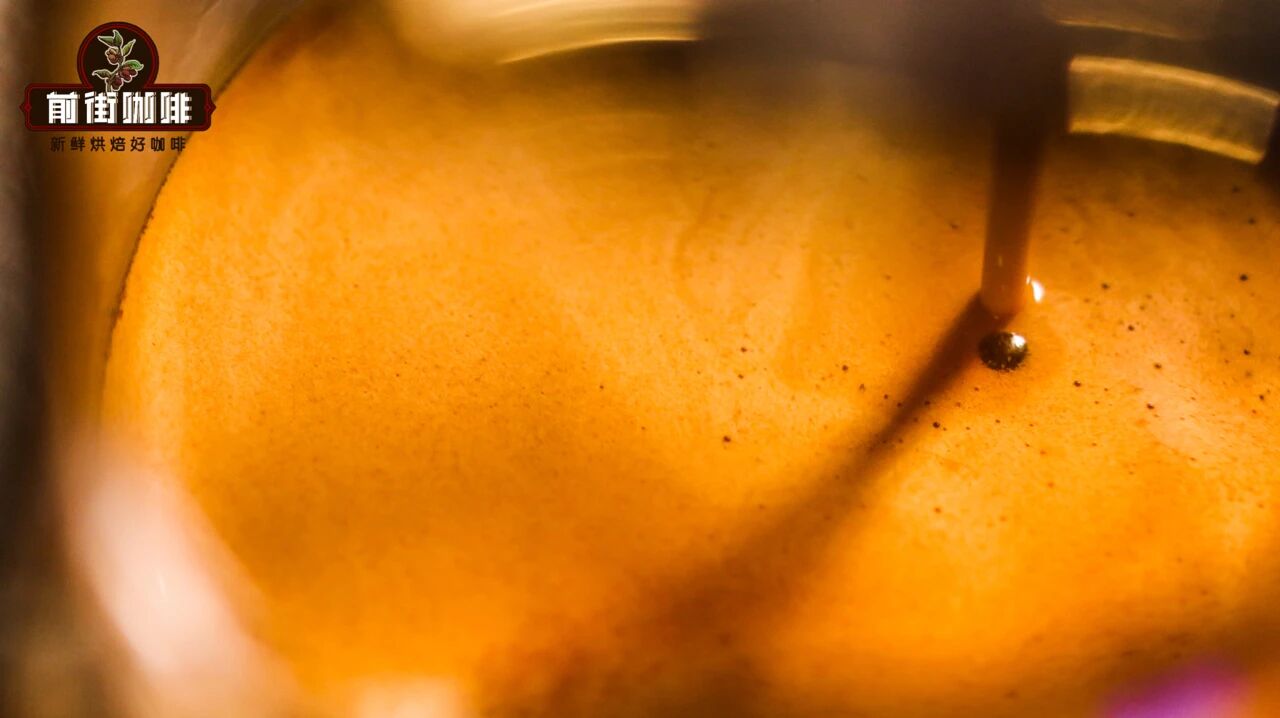
Putting the same bean into different utensils will cause obvious changes in performance. Hand brewing pays more attention to aroma and clarity, Italian machine emphasizes concentration and sweetness, and Moka pot needs to take into account pressure, firepower and powder layer. The bean selection cannot be separated from the instrument, and the parameters must be adjusted accordingly according to the roasting level of the beans. Italian extraction focuses on powder quantity and grinding
Read more →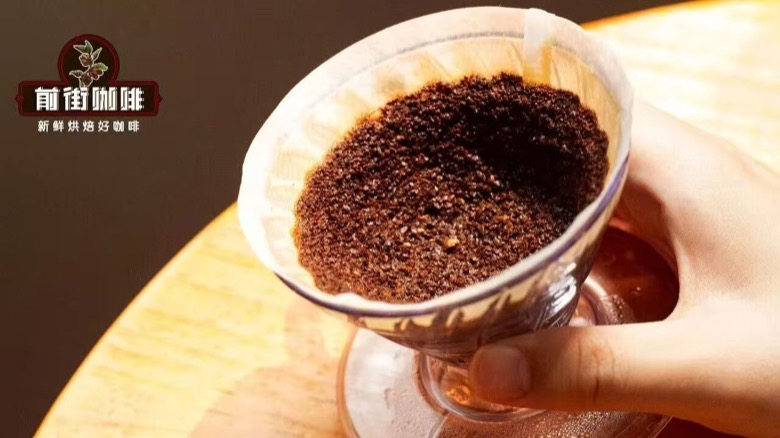
When you are just getting started, it is better to choose beans that are more refined than too many. Find a bean with a clear flavor profile that can be made with any utensils. Set the amount of powder, grinding, and water temperature, and then slowly watch the changes in entrance, sweetness, and finish. The taste reference is established in this process. The composition of hand-brewed flavor includes production area, variety, processing method, and baking.
Read more →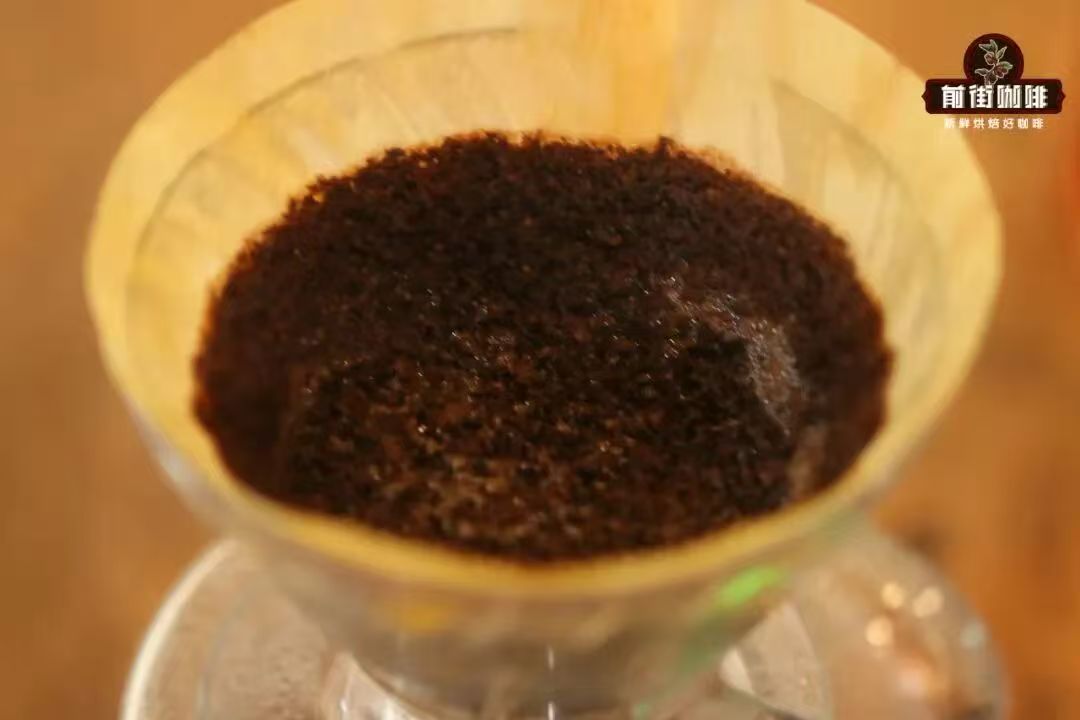
Whether the coffee tastes good or not is ultimately a matter of personal taste. Some people like the bright fruit acid, which they think reflects the vitality of coffee; some people prefer the mellow sweetness, which they think is a reassuring taste. Sweetness and sourness are not mutually exclusive—many good beans have both—but know your preferences and choose your beans accordingly.
Read more →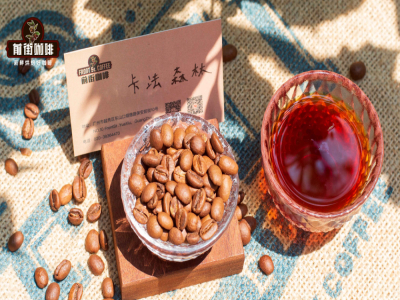
Different from our impression of the pastoral planting model in which farmers plant coffee trees in their own backyards, the Kaffa Forest is the most representative for producing wild coffee. The coffee trees all grow in a shaded environment at an altitude of 1,400 to 2,100 meters. The original ecology, microclimate, red soil, abundant rainfall and other favorable factors provide coffee trees with a better environment.
Read more →Be the first to know about new bean releases, brewing tips, promotions and cupping notes

Scan to Follow Front Street Coffee on WeChat
