FrontStreet Coffee found the following content related to "herbs" for you
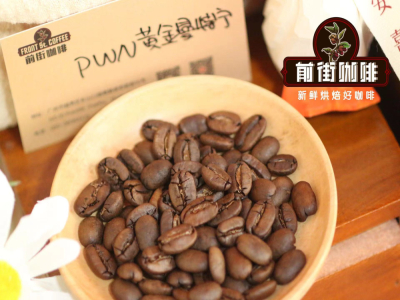
Generally speaking, semi-automatic espresso machines are used to produce American, latte, cappuccino, Australian white, dirty and other classic drinks on the market. Compared with a fully automatic coffee machine, using a semi-automatic coffee machine requires more steps, such as grinding powder-closing powder-pressing powder-extraction. If you make a latte, you need to do another step.
Read more →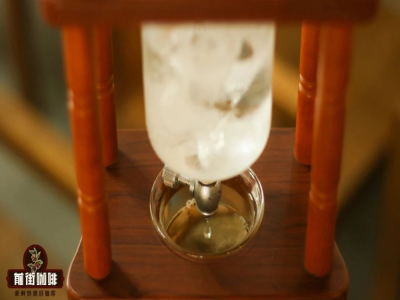
For more knowledge about specialty coffee, please pay attention to: Frontsteet Coffee’s iced drip coffee has always been a very popular coffee in FrontStreet Coffee. Especially in the summer, the baristas on the front street make ice cream every day.
Read more →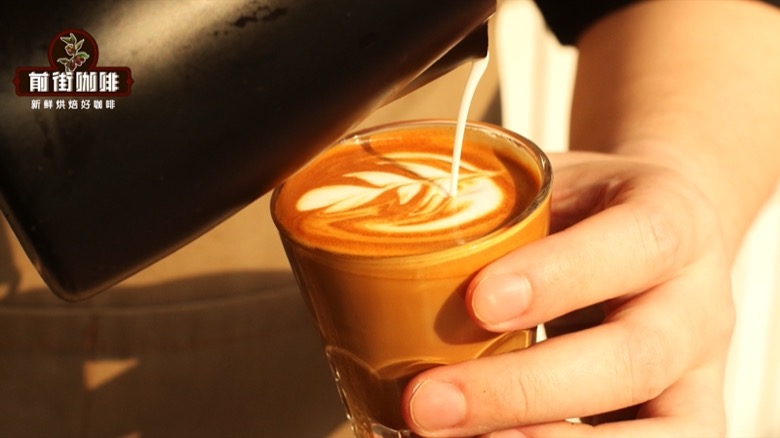
In a cup of latte, milk occupies the vast majority of the volume, and the coffee only has a small cup of concentrated base. If you want this cup of milk coffee to have a clear coffee flavor, when selecting beans, you must look at the concentration and structure of the flavor substances, which is often referred to as penetration. Beans with strong penetrating power create a clear latte with a clear boundary between milk and coffee.
Read more →
Many people add sugar to their latte, probably because they don’t have beans with enough sweetness. In a decent cup of latte, the milk comes with the sweetness of lactose. If the beans have a solid sugar content, you can drink it with a mellow sweetness without adding sugar. This kind of sweetness is neither sharp nor overpowering, like maltose slowly melting on the tip of the tongue, and it is still stuck in the throat after swallowing
Read more →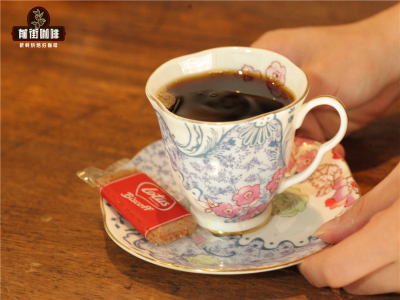
Like hand brewing, hanging ears are obtained by injecting hot water into coffee powder and extracting it. Therefore, the coffee beans used will directly determine the taste of a cup of American black coffee. The degree of roasting of coffee beans is determined based on the flavor characteristics of the production area. Since the organic compounds in coffee impart many of its acidic qualities,
Read more →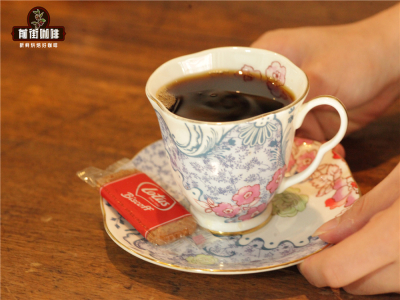
Like hand brewing, hanging ears are obtained by injecting hot water into coffee powder and extracting it. Therefore, the coffee beans used will directly determine the taste of a cup of American black coffee. The degree of roasting of coffee beans is determined based on the flavor characteristics of the production area. Since the organic compounds in coffee impart many of its acidic qualities,
Read more →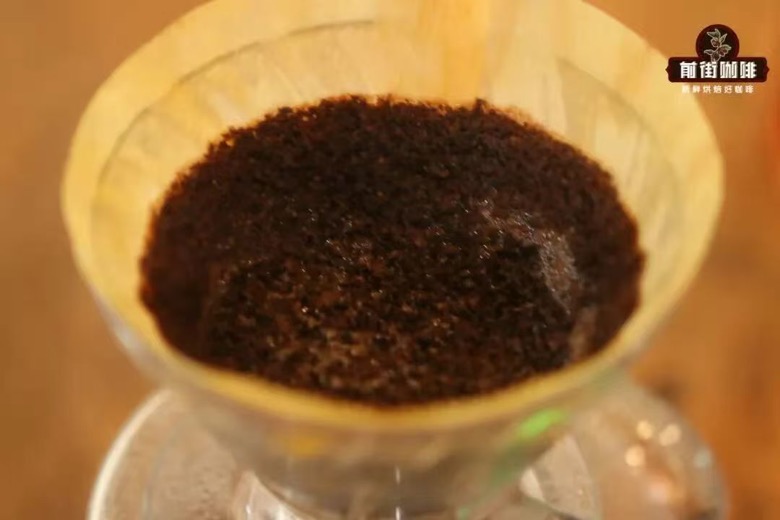
People who are into hand brewing cannot avoid one word: production area. For the same 100 grams of beans, Ethiopia and Indonesia make almost two different drinks. The influence of the production area on the flavor comes from the combined effect of altitude, climate, soil and local processing traditions. Once you understand this main line, hand-brewed bean selection has changed from a chance to a well-founded one.
Read more →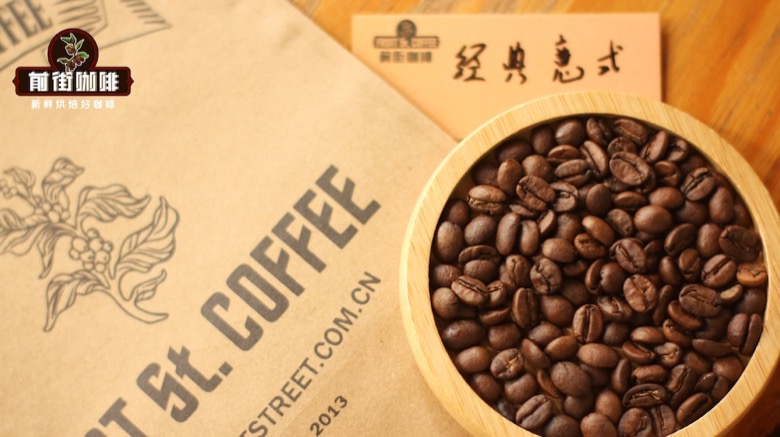
The flavor dimension of a cup of coffee goes far beyond the sour and bitter ends, including aroma, sweetness, body, mouth feel and finish. When choosing beans, first think clearly whether you want floral and fruity aromas, nutty cocoa, or a balance between the two, and then follow the production area, processing method, and roasting degree to match them. In Italian extraction, the amount of powder and grinding
Read more →
The word "dark roast" has discouraged many people - when I think of dark roast, I think of a cup of strong coffee that is bitter and astringent. But if you ask people who really know coffee, they will probably tell you: the bitterness of dark roasted beans is different from what you imagine. The bitterness of dark roasted beans is the bitterness of dark chocolate and the sweetness of caramelization.
Read more →
Many people know that China is the home of tea. It has a long history of drinking tea and its tea culture is extensive and profound. There are many high-quality tea producing areas in Yunnan, China, especially Pu'er. But did you know that Yunnan not only has tea, but also coffee beans. The coffee planting area in Yunnan is not small, and it is the largest coffee plantation in China.
Read more →
Latte is an Italian coffee drink with a high order rate. The ratio of espresso to milk is about 1:3 to 1:5. The sweetness and fat of milk will dilute the coffee flavor, so the core of latte bean selection is fat and body. Beans with good fat will still have clear coffee flavor in milk and good fusion. The fat-based bean blend is a latte
Read more →
Professional baristas can use a rating scale to determine whether coffee tastes good or not, but for us ordinary consumers, the taste of coffee depends more on trying it ourselves. However, there are many types of coffee beans on the market. Thousands of products can pop up with just one keyword, so it is easy to be dazzled. If you don’t want to spend
Read more →
In daily life, you may hear SOE latte, SOE American style. In fact, it uses single-origin coffee to make espresso as the base, and then mixes it with milk to make a latte or adds water to make an American style. This is a separate name to distinguish it from traditional blended coffee. It comes from single
Read more →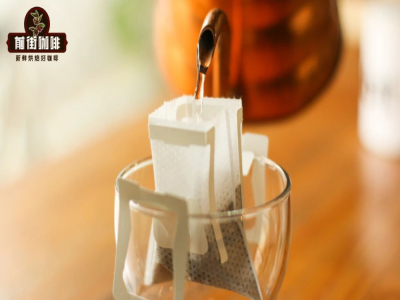
Ear-mounted coffee bags, also called filter-mounted coffee, break the need for complicated equipment to brew specialty coffee. There is no need to consider the grinding degree of the coffee beans, and no specific water injection method is required. Open the ear-mounted filter bag and hang it on the cup. Injecting hot water can restore the joy of drinking hand-brewed coffee. It is the preferred choice of many office workers.
Read more →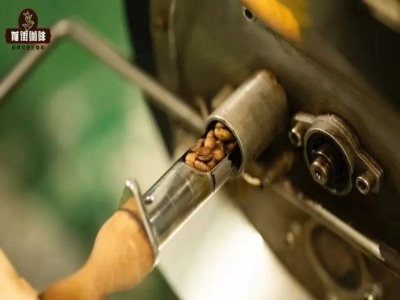
Roasting coffee beans is like an art form, transforming flavorless green seeds into fragrant maroon beans. It does not mean that lightly roasted beans are necessarily delicious, while dark roasted beans are not delicious. Front Street believes that each bean has its own flavor characteristics of its place of origin, and the degree of roasting can bring out the flavor of the beans.
Read more →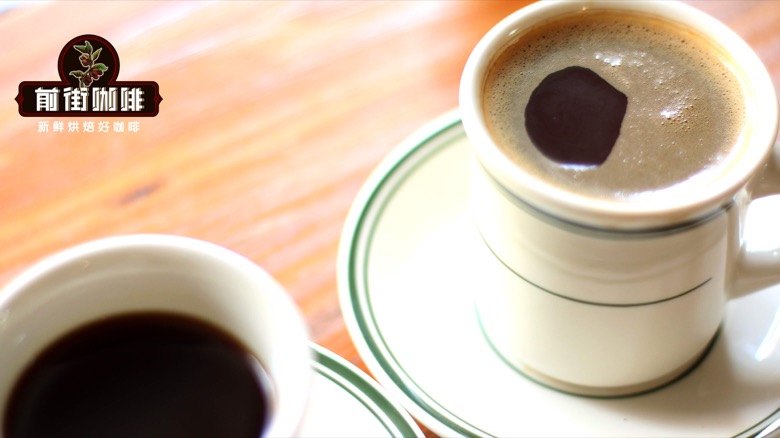
Beans have different appearances at different roasting levels: light roasting retains floral and fruity aromas and bright acidity, medium roasting reveals sweetness and balance, and dark roasting precipitates nuts, cocoa and thick taste. The extraction rhythm is also adjusted according to the roasting degree, and the selection criterion is the match with the drinking method. The Moka pot is a steam pressure appliance. The key to filling the powder is filling it.
Read more →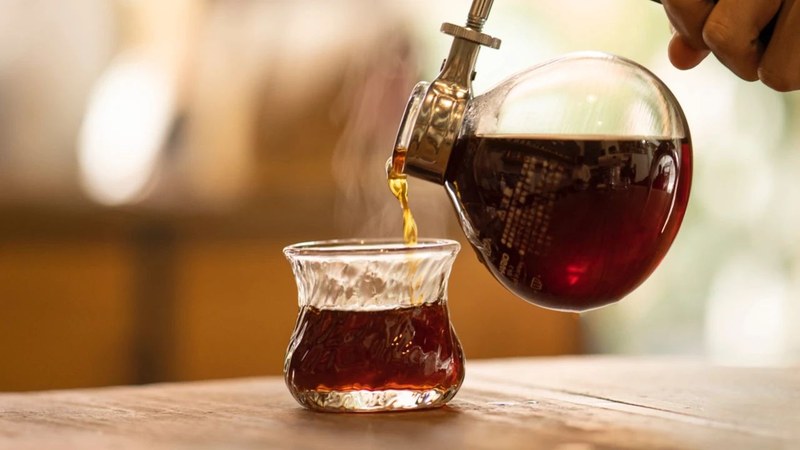
When it comes to choosing nutty cocoa-flavored coffee beans, you can put the complicated information aside. Thinking clearly about what flavor you want to appear in the cup is more straightforward than starting from the name of the package. Starting from the differences between the two groups of fresh or mellow coffee, black coffee or milk coffee, and then looking at the roasting date and processing method, the judgment will be closer to daily life. Nut Cocoa Wind
Read more →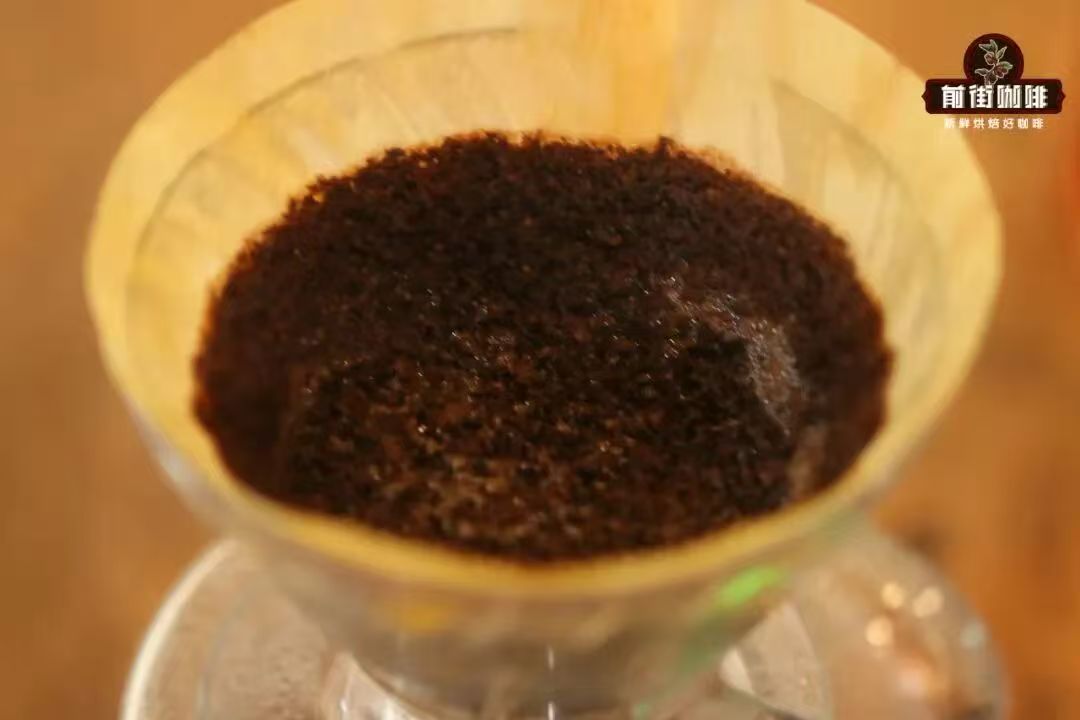
Whether the coffee tastes good or not is ultimately a matter of personal taste. Some people like the bright fruit acid, which they think reflects the vitality of coffee; some people prefer the mellow sweetness, which they think is a reassuring taste. Sweetness and sourness are not mutually exclusive—many good beans have both—but know your preferences and choose your beans accordingly.
Read more →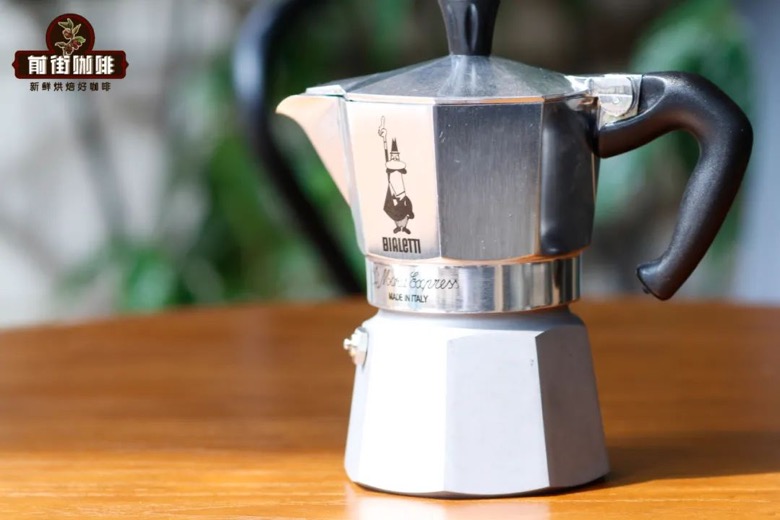
Among household coffee tools, the Moka pot is a special one. It doesn't need to be plugged in. Just put it on the stove for a few minutes and you can get a cup of coffee that's close to espresso, with strong aroma and oil. Many people just grab a handful of brewed beans and throw them in. The brewed coffee is either sour and frowning, or bitter and astringent. The problem is probably not with the pot, but with the beans
Read more →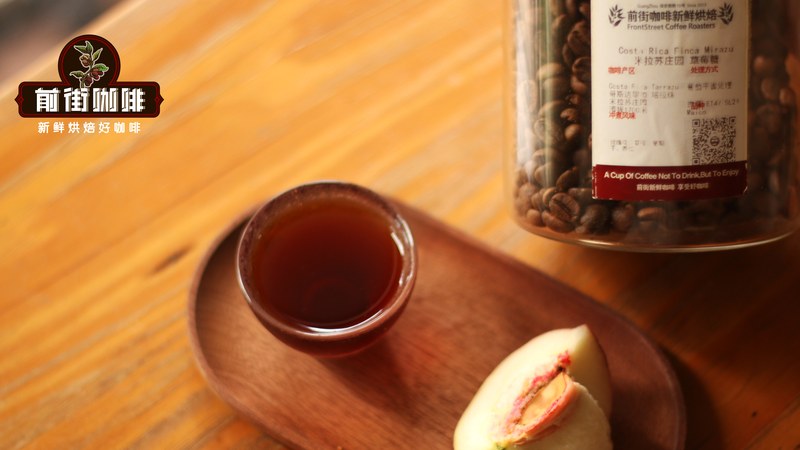
To understand the coffee beans brewed by the coffee machine, you need to translate the flavor description into a drinking experience. Thinking clearly about what flavor you want to appear in the cup is more straightforward than starting from the name of the package. Floral aroma, fruit acid, nuts and cocoa are not divided into high and low, but different directions. Only the one that suits you has long-term reference value. Flavor
Read more →Be the first to know about new bean releases, brewing tips, promotions and cupping notes

Scan to Follow Front Street Coffee on WeChat
