FrontStreet Coffee found the following content related to "herbs" for you
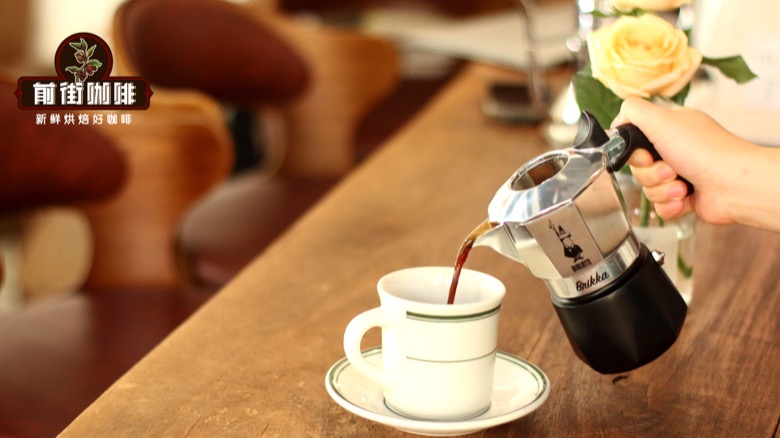
When brewing black coffee in a Moka pot, it is suitable to aim for a full, solid and sweet cup. The coffee liquid it extracts has a higher concentration, and it can still retain a greasy taste and roasting aroma after adding an appropriate amount of hot water. Full-bodied single-origin beans usually have low acidity and focus on nuts, spices, brown sugar or cocoa. middle
Read more →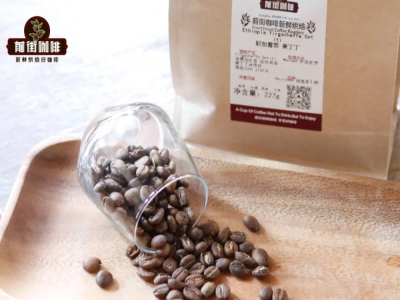
Regarding the best specialty coffee beans, in fact, different people have different opinions. Personal preference is the biggest factor. For example, some people like the richness and acidity of Kenyan coffee instead of the classic balance of Colombian coffee. Some like the floral citric anhydride of Yirgacheffe, while others like the herbal alcohol of Mandheling.
Read more →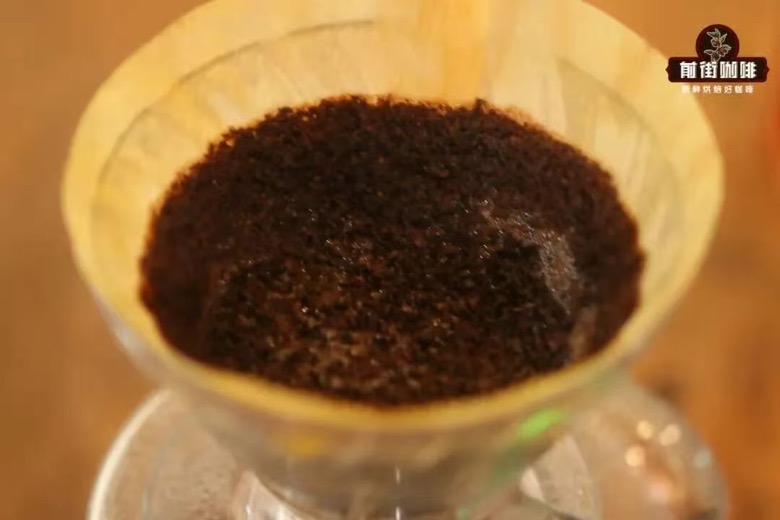
When selecting beans by hand, many people choose based on the reputation of the production area, and end up buying a bunch of beans that don’t match their taste. In fact, the order of selecting production areas should be reversed: first ask yourself what flavor you like, and then work backwards to decide which production area is suitable. Production areas have their own personalities. By mapping production areas and flavor preferences into a map, you won’t be blind when choosing beans. Like floral citrus
Read more →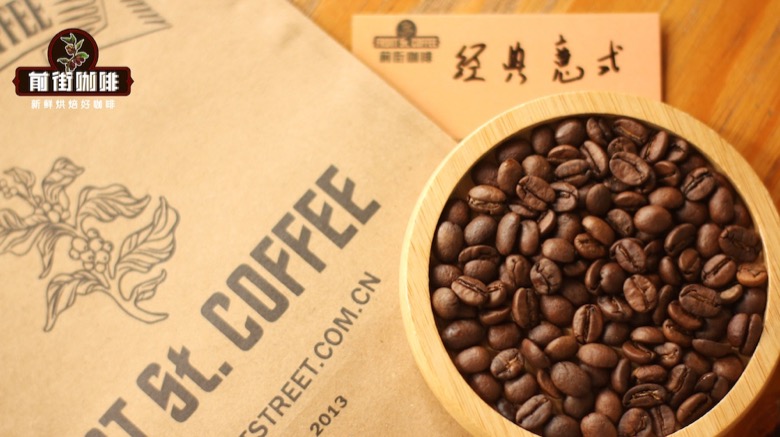
If you usually drink coffee more frequently and want to find beans that can be brewed easily every day and can be used for black coffee and milk coffee, medium-dark roasting will be a very practical direction. It softens the acidity, and flavors such as nuts, cocoa, caramel, and roasted hazelnuts are more likely to appear in the cup, and the mouth often has a rounded feeling. To daily life
Read more →
1. What kind of coffee beans should be used for hand-brewed coffee? There are two types of coffee beans, namely: single product and blended. Single-origin coffee beans and blended coffee are suitable for different coffee making equipment. If the system is divided, single-origin coffee beans are suitable for filter-type hand-brewed coffee making methods, while blended coffee beans are suitable for pressurized coffee making methods.
Read more →
The disposable drip filter bag (Coffee Drip - ear-hanging filter bag) currently used originated in Japan in the 1990s. It is equipped with a separate mini filter bag and can be carried portable. The purpose is to enjoy high-quality black coffee anytime, anywhere. It is a convenient hand-brewed coffee, which we generally call
Read more →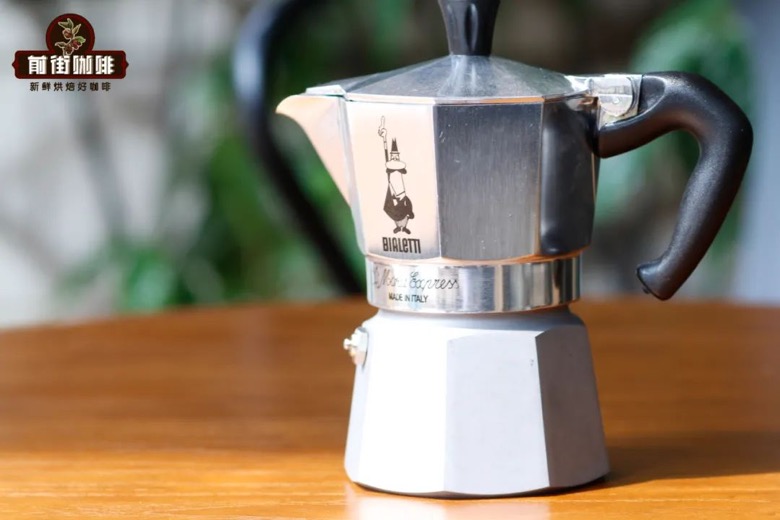
The Moka pot is the main appliance for making coffee in many families. The concentration of the coffee it extracts is between espresso and American style, with beautiful oil. Drink it directly and make it rich. When mixed with milk, it will be a smooth milk coffee. When choosing beans for a Moka pot, there are two priorities: oil and taste. Oil is given priority because of the extraction principle of the Moka pot and the performance of oil.
Read more →
"SOE" is actually the abbreviation of "Single Origin Espresso", which translates to: "Single Origin Espresso". It mainly emphasizes the single origin and uses it to make espresso, which can eventually become SOE American/SOE Latte. Proposal of SOE
Read more →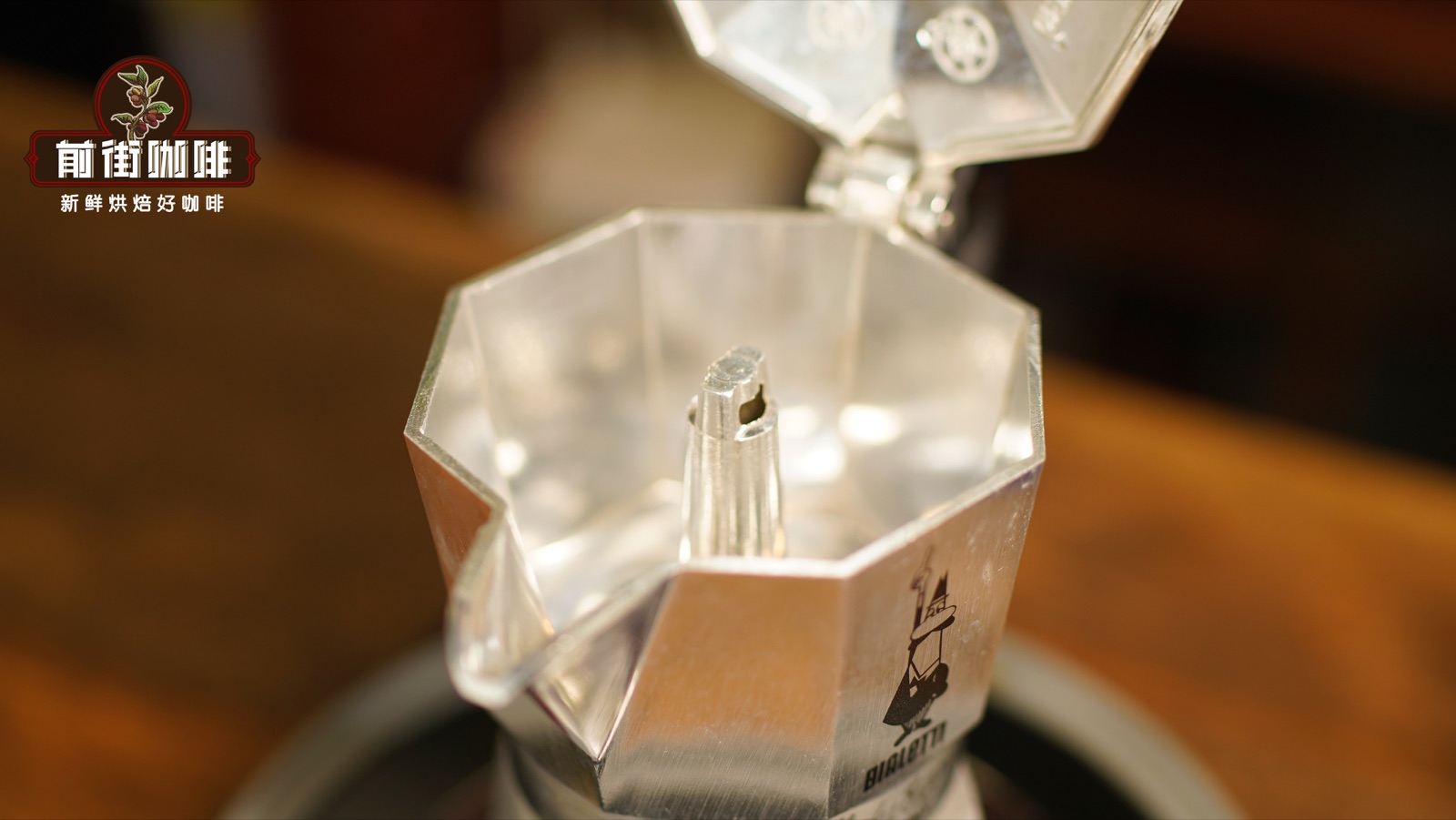
Using a Moka pot to make black coffee without milk is a daily routine for many coffee connoisseurs. But it is also a "black coffee". If you take the blending route and the single product route, you will get two completely different experiences. This article explains the bean selection logic of the two routes thoroughly. Route One: Blend Beans - Made for Pressure Extraction. Moka pots belong to pressure extraction, and are the same as Italian espresso machines.
Read more →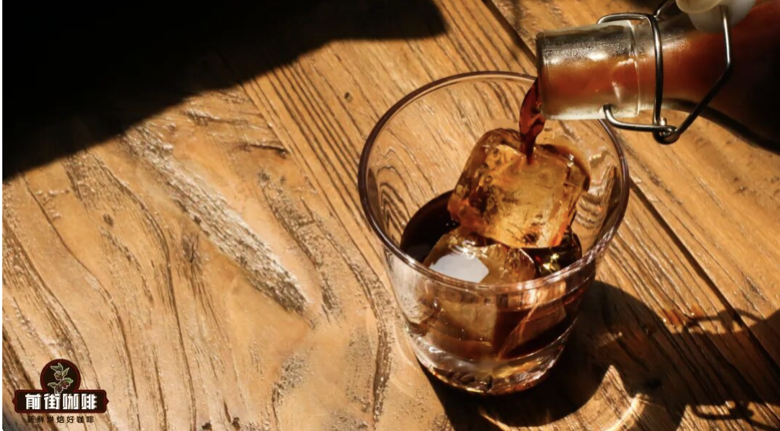
Cold brew coffee has become more and more popular in recent years. It has a smooth taste and mild bitterness, which is especially pleasant to drink in summer. However, whether cold brew tastes good depends largely on the beans you choose, and the roasting degree is the most critical part. The advantages of using medium-dark roasted beans for cold brewing are sweetness and body. Cold brew is soaked in cold water for a long time, acids
Read more →
Italians are accustomed to using Moka pots to brew coffee at home. The picture is very pleasing to the eye. It can be seen that Italians are very particular about coffee and regard it as an art of food. Coffee was imported to Italy by the Arabs in the 16th century. The local people loved it very much, and soon after, the brewed "Italian coffee" was born.
Read more →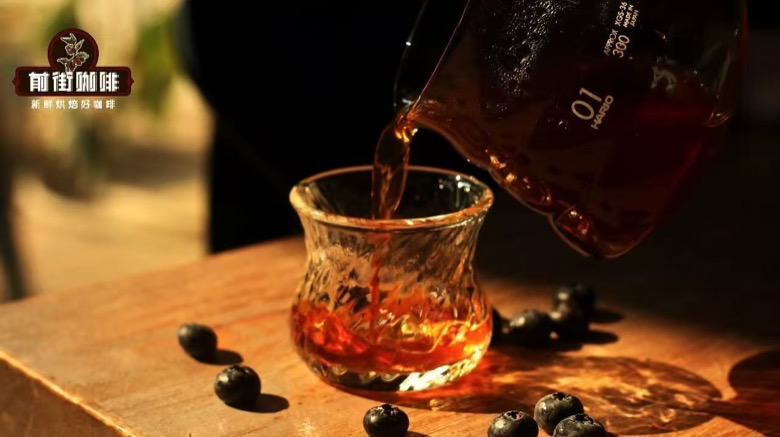
The charm of hand-brewed coffee lies in the flavor differences of the production areas. However, faced with the dazzling array of beans on the shelves, many novices are prone to difficulties: Which production area should they choose? In fact, you don’t have to memorize the flavor from the production area. Instead, work backwards from your own taste preferences. The choice will be much simpler. If you like floral and citrus notes, you can give priority to Ethiopia.
Read more →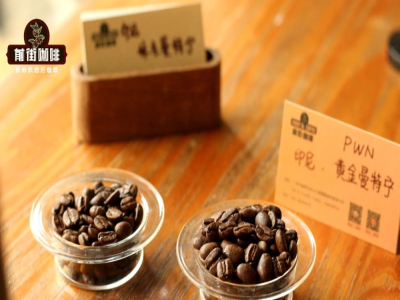
If you drink coffee every day, you definitely need to stock up on enough rations in advance, which is cheap but delicious coffee beans. In order to prevent everyone from spending "wasted money", here we select beans that represent the most local flavor from major production areas. How should coffee novices choose coffee beans? I often encounter customers on Qian Street asking:
Read more →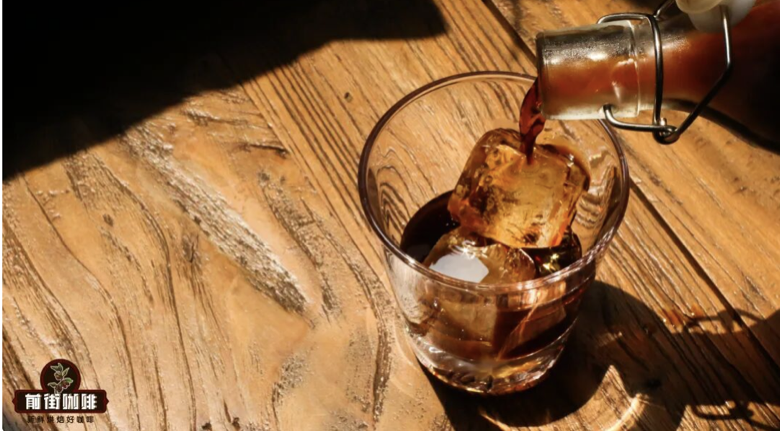
Cold brew coffee has become more and more popular in recent years. In the summer, a cup of ice-cold and smooth cold brew can relieve the heat than hot coffee and is softer than iced American style. Whether cold brew tastes good or not, you have to choose the beans first. Different from hot brew, cold brew is extracted at low temperature and for a long time. The sourness is greatly softened, and the sweetness and smoothness are amplified. Therefore, the logic of selecting beans also has its own logic.
Read more →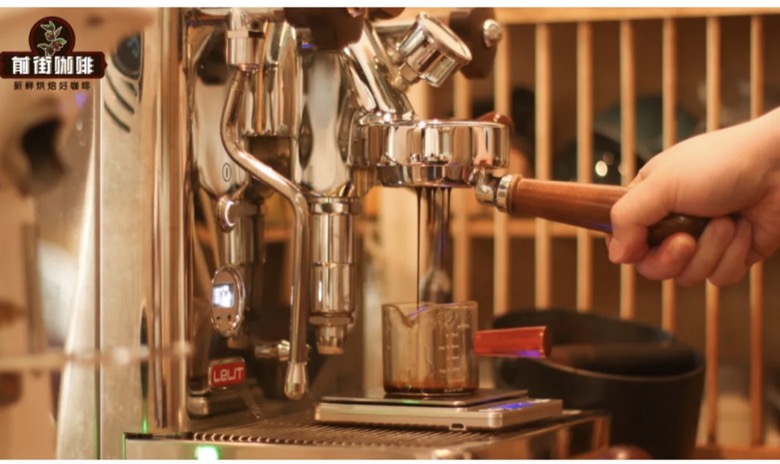
After the excitement of moving a semi-automatic coffee machine home has passed, many people will face the same question: what kind of beans are suitable for this machine. Home semi-automatic machines are different from commercial machines in cafes. There is a gap in the stability of extraction pressure and temperature, so when choosing beans, you may want to give priority to beans with high tolerance.
Read more →
The common characteristics of Asian coffee are thick flavor, with strong burnt aroma, strong taste and long-lasting sweetness, so it is usually dark roasted. As the representative of Arabica coffee in Asia, Mandheling caffeine from Sumatra in Indonesia has a rich and steady flavor, making it the first choice for many coffee lovers. Want to buy something
Read more →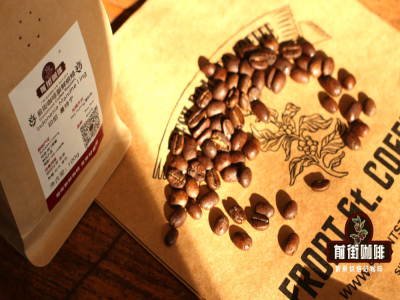
Mandheling is a relatively traditional coffee bean, produced in Sumatra, Indonesia. It is usually darkly roasted, so it does not have an obvious sour taste, but more of a strong and bitter tonality of nuts, chocolate, and caramel, reflecting a mellow and sweet taste. Here are two Mandheling coffee recommendations that are suitable for daily drinking
Read more →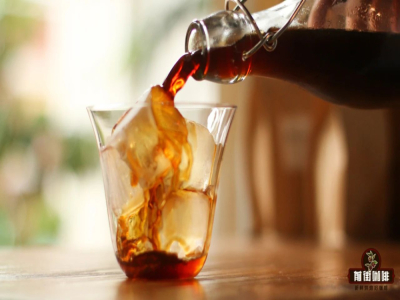
How to make iced coffee delicious? More than 100 years ago in the United States, someone promoted the popularity of iced coffee in order to promote coffee sales in summer. There is this in the movie "Roman Holiday"
Read more →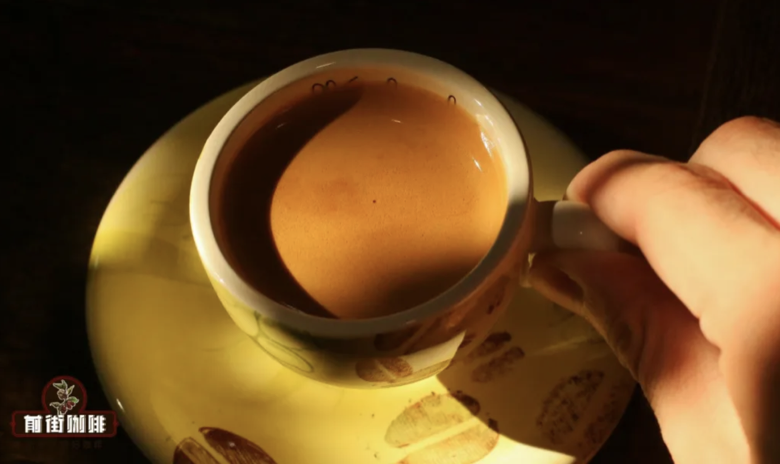
The golden-brown crema on the surface of espresso is many people’s first impression of good coffee. Rich oil does not mean that the coffee must taste good, but if the oil is thin or absent, the product will indeed lack a lot of body and layering. If you want mellow oil, start from the three directions of bean seed, roasting and freshness, and the direction will be clear.
Read more →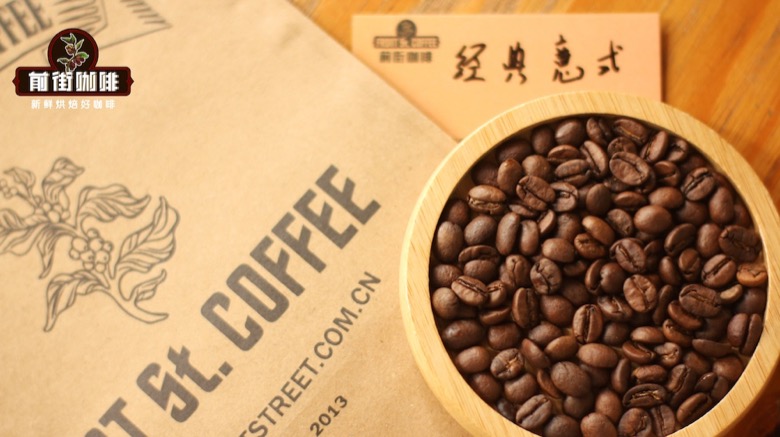
The recipe for a bean blend is like a musical score: each bean is a voice, and the roaster's job is to get them to sing together in the cup to create the designed flavor. This article takes two classic recipes from the front street as an example to break down the role of Arabica beans in blending. Once you understand the design logic, you can read the recipe list of any blend.
Read more →Be the first to know about new bean releases, brewing tips, promotions and cupping notes

Scan to Follow Front Street Coffee on WeChat
