FrontStreet Coffee found the following content related to "fruit acid" for you
Many people distinguish cold brew coffee from iced coffee. The reason is that the traditional concept of iced coffee as we understand it is to use hot water to extract and then add ice or ice to change the coffee from hot temperature to iced coffee. The biggest difference of cold brew coffee is that cold water is used throughout the process and the coffee liquid obtained by low-temperature extraction is
Read more →
The charm of hand-brewed coffee lies in presenting the flavor of the origin of a coffee bean in a pure way. Unlike the high-pressure extraction of espresso, hand brewing relies on gravity to allow hot water to slowly pass through the powder layer, unfolding the delicate floral aroma, fruit acid and sweetness in the coffee. Choosing the right beans is the starting point for a great cup of coffee. Light roasted single origin beans
Read more →
As newbies, we are not familiar with a lot of information, so what we need to choose is not coffee that is advertised as "high-grade", "expensive", or "rare varieties", but a pack of cost-effective beans that are both delicious and can be used as daily rations. So, today I’ll take stock of the “Top Ten Homes Most Worth Repurchasing” for you.
Read more →
Red Honey Processing Red Honey In a freshly picked coffee cherry, pectin is a very sweet substance that not only contains high water and sugar content, but is also closely connected to the seeds (coffee beans) inside. When fresh coffee fruit is processed with honey, the amount of pectin is retained to varying degrees and the color formed during drying
Read more →
Coffee has been a common beverage since the fifteenth century, serving as a refreshing tonic. Until the third wave of specialty coffee was launched, roasters tended to lighter roasting levels, and the unique sour aroma in the coffee convinced batches of coffee drinkers. Many people who have just discovered the beauty of coffee
Read more →
Honey-processed coffee beans are suitable for slowly establishing judgment based on taste experience. Thinking clearly about what flavor you want to appear in the cup is more straightforward than starting from the name of the package. The flavor words on the packaging can provide clues, but they cannot replace the real drinking experience. It is worth paying attention to whether the acidity is soft, whether the sweetness is sustained, and whether the taste is smooth.
Read more →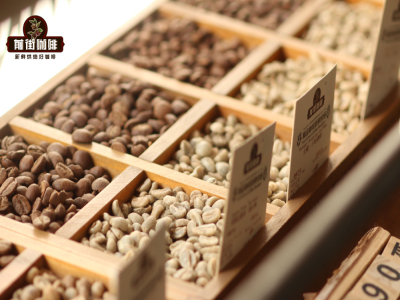
Coffee is a drink brewed from coffee beans. Front Street believes that the special thing about coffee is that the green beans need to be roasted before they can be used for production, and the roasting temperature is as high as more than 200 degrees Celsius, which is much higher than the roasting temperature of nuts. The length of baking time is related to the depth of baking, so it does not matter.
Read more →
The charm of hand-brewed coffee lies in the flavor differences of the production areas. However, faced with the dazzling array of beans on the shelves, many novices are prone to difficulties: Which production area should they choose? In fact, you don’t have to memorize the flavor from the production area. Instead, work backwards from your own taste preferences. The choice will be much simpler. If you like floral and citrus notes, you can give priority to Ethiopia.
Read more →
Many friends who want to get into hand brewing start with a cup of instant brewing. The leap from "three-in-one" to high-quality hand brewing is actually not small - if you choose the wrong beans, the first impression may be "Why are they so sour" and you will be discouraged from doing so; if you choose the right beans, it will open up a new world. This article is written for you who are planning to buy your first pack of hand-brewed beans. Three of the first packet of beans
Read more →
Generally speaking, lightly roasted coffee can retain more acid in flavor. If they also contain certain alcohols and lipids, they will also emit a charming floral and fruity aroma after roasting. As the roasting deepens, the sourness and floral and fruity aromas will gradually disappear and turn into bitter substances, making the coffee
Read more →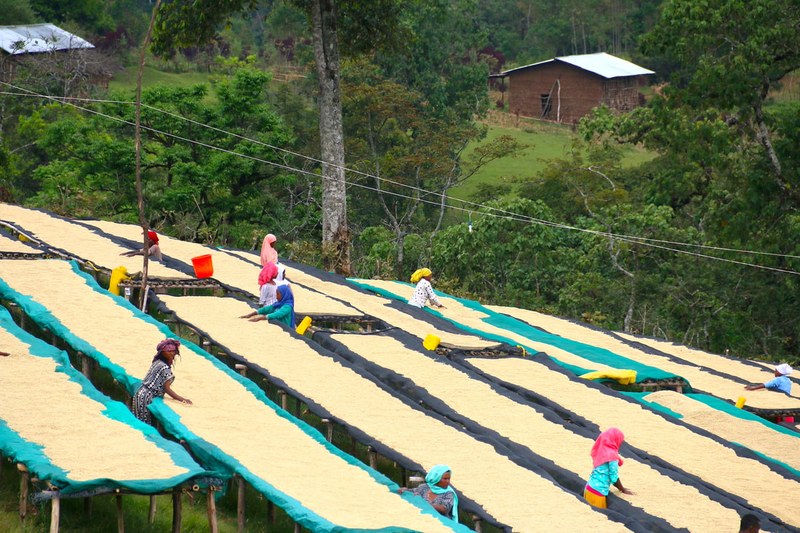
Coffee beans with strong sweetness may not necessarily taste like sugar water in the mouth, but may also have a soft aftertaste like ripe fruit, honey, jam or black tea. When choosing, you can first imagine when this cup of coffee will appear: when you are rushing to go out, you need to wake up and drink smoothly; in the afternoon, you want to slowly feel the aroma; when the weather is hot, you want an iced drink to be refreshing.
Read more →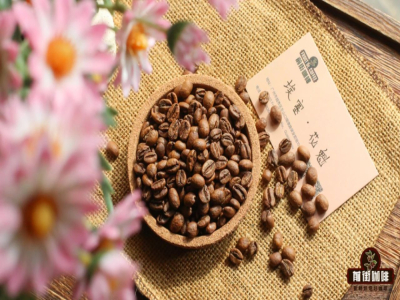
Many people should know that the charm of light-roasted coffee lies in its low bitterness and is often accompanied by fresh floral and fruity notes. It is mostly made in the form of hand brewing, so that people who do not accept coffee can fall in love with this "dark" drink. In order to prevent everyone from blindly stepping on the thunder, today I bring you a carefully compiled "2026
Read more →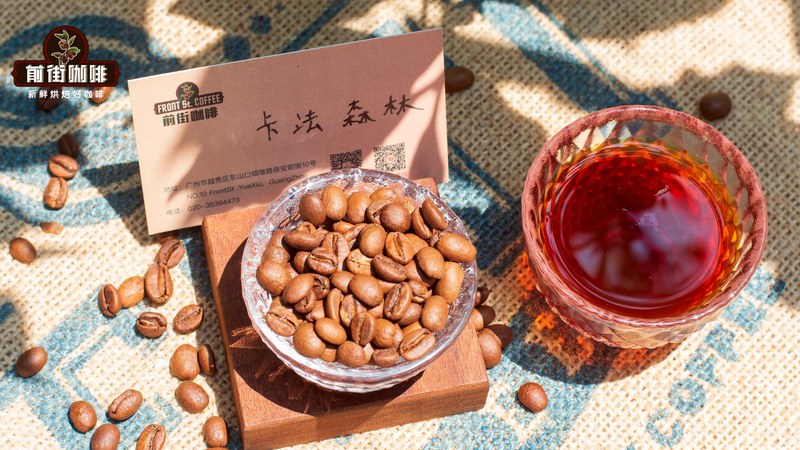
SOE is a concentrate made from coffee beans from a single origin or batch, and the flavor in the cup is often more discernible than common blends. Dark roasting can push the nuts, cocoa and caramel side more obviously, while light roasting can easily retain the floral aroma, fruit acid and tea feeling. The choice that truly suits you should start with how you drink every day, rather than just looking at
Read more →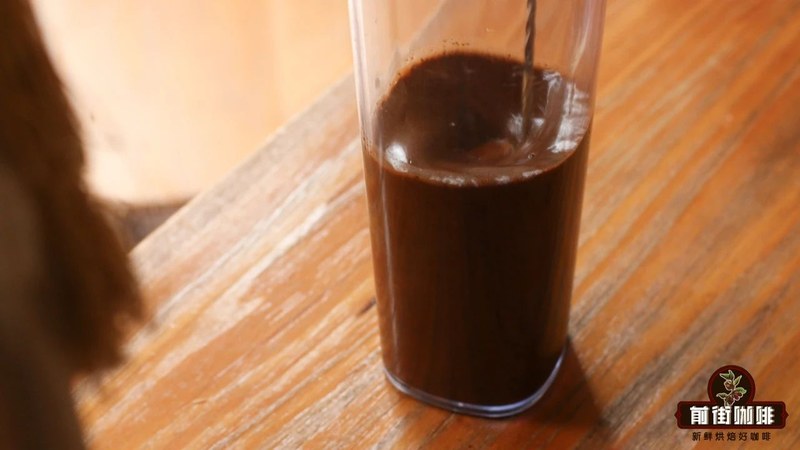
To understand how to drink SOE coffee, you need to translate the flavor description into a drinking experience. Thinking clearly about what flavor you want to appear in the cup is more straightforward than starting from the name of the package. Floral aroma, fruit acid, nuts and cocoa are not divided into high and low, but different directions. Only the one that suits you has long-term reference value.
Read more →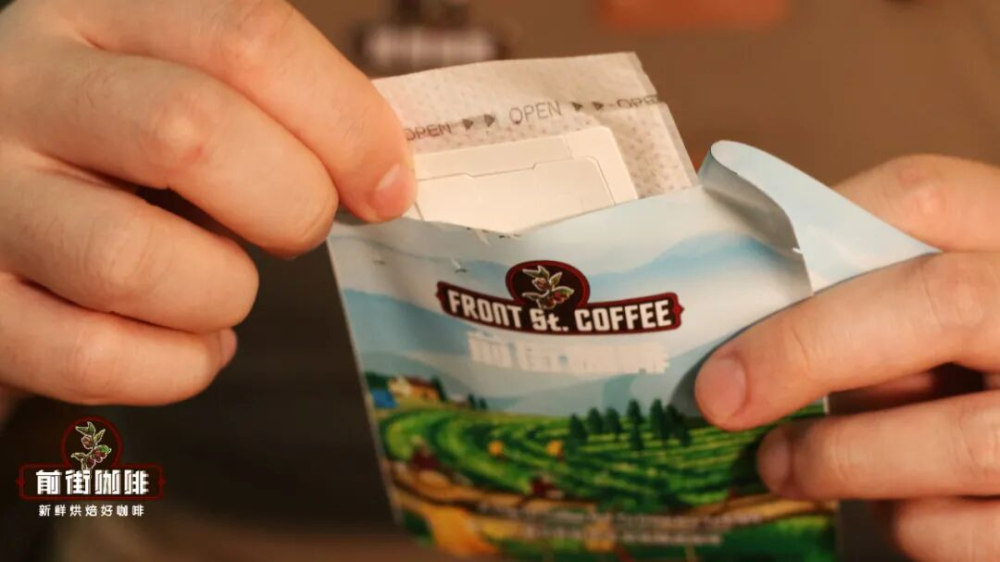
For more knowledge about specialty coffee, please pay attention to: Frontsteet Coffee. In 1990, Japan's Yamanaka Industrial Co., Ltd. applied the concept of tea bags to coffee, invented filter-hung coffee and applied for a patent. With the demand in the specialty coffee market, more and more people are beginning to buy hanging ear coffee.
Read more →
When purchasing coffee beans, we not only pay attention to the production area and flavor, but also select coffee beans that use different processing methods. Because different processing methods will lead to different flavor characteristics of coffee, even if coffee from the same production area is washed and sun-dried, it will show a different taste. For example, the ones on Front Street Bean List
Read more →
For more knowledge about specialty coffee, please pay attention to: Frontsteet Coffee. Some time ago, Frontsteet shared an article on how to make cold brew coffee. Backstage, many friends began to ask how to choose beans for cold brew. So today I will analyze and answer this question with you. do
Read more →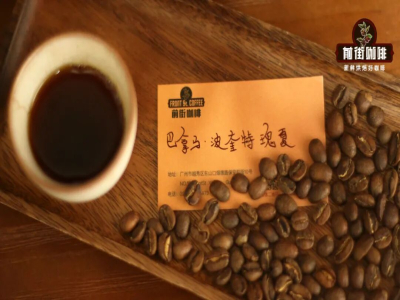
Not long ago, a fan of washed beans was welcomed into the Front Street store. He had bought a lot of washed coffee, but he couldn’t make the coffee taste better at home, so he asked Front Street if he had any tips or suggestions. So today we will discuss the brewing plan for washed coffee. What is washed coffee? in coffee
Read more →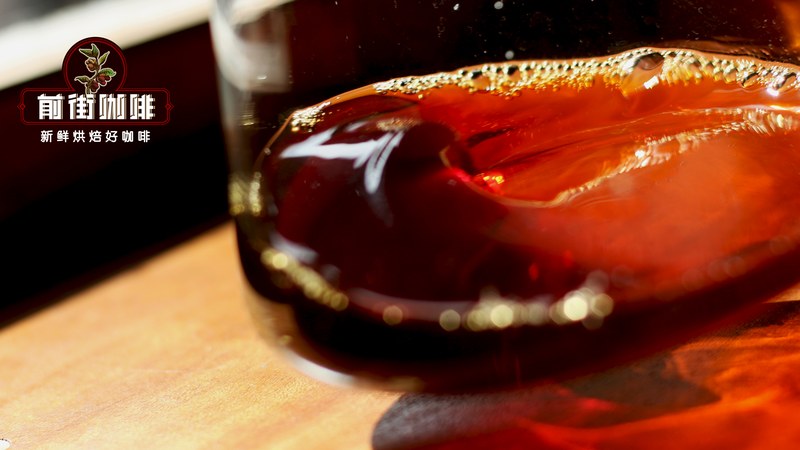
There’s no fixed answer to Italian beans, it just depends on which cup it ends up in. Drink the concentrate alone, mix it with water to make an American style, or add milk to make a latte. The concentration and flavor received by your tongue are all different. Dark roasting usually brings more obvious roast aroma, cocoa feeling and thick taste, while medium and dark roasting retains more bright aroma and fruit acid.
Read more →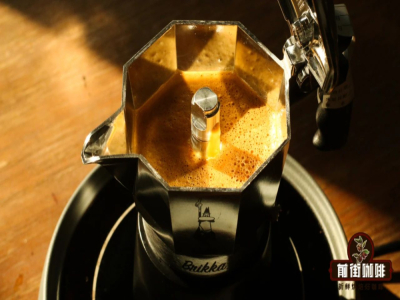
Some friends who play with Moka pots like to ask Front Street, "Can these coffee beans be used to make Moka pot coffee?" "Which coffee beans will taste good when made with a Moka pot?" Then they choose coffee beans with sour (fruit) flavor descriptions to ask. In this regard, Front Street came to boil all these coffee beans and take a look at the Moka pot.
Read more →Be the first to know about new bean releases, brewing tips, promotions and cupping notes

Scan to Follow Front Street Coffee on WeChat
