FrontStreet Coffee found the following content related to "formula" for you
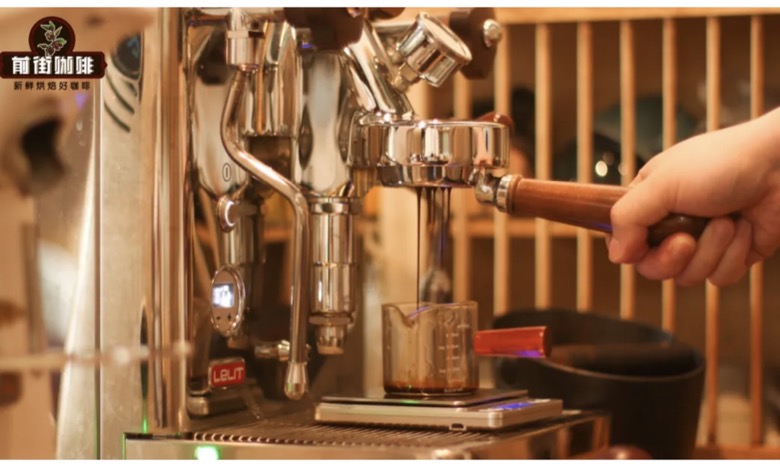
A commercial coffee machine has to withstand the test of hundreds of cups every day, and the performance of the beans directly determines the store's reputation. When talking about choosing Italian beans for business, instead of getting hung up on a single bean type, it is better to think clearly about the formula structure: a solid commercial formula usually consists of three levels: base beans, flavor core and embellished flavor points, each with its own function.
Read more →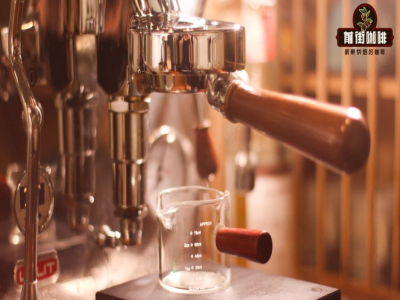
For more knowledge about specialty coffee, please follow the WeChat public account: FrontStreet Coffee Friends who have made coffee must know that the standard Americano is a combination of concentrated coffee and water. In other words, whether the Americano tastes good or not depends entirely on the quality of the concentrate. Espresso
Read more →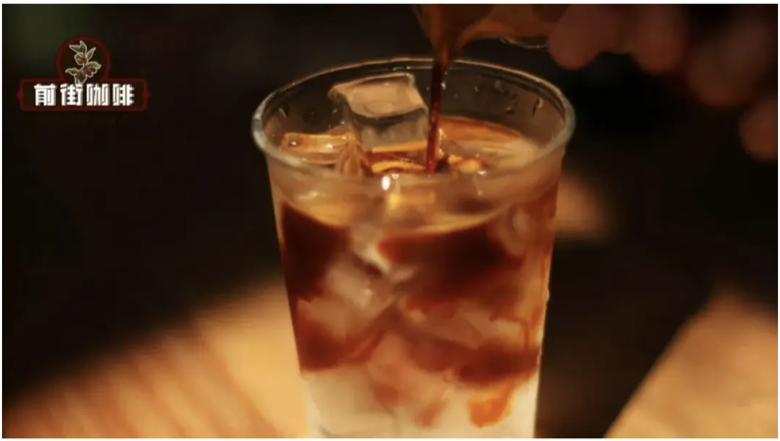
The extraction environment of cold brew coffee and hot brewing are completely two worlds. Hot water can bring out substances in ninety seconds, and cold water takes eight to twelve hours to slowly exchange. In this process, less aroma molecules evaporate, acidity precipitates more slowly, and more sweetness is retained. After understanding these characteristics, the formula for cold brew bean selection becomes clear: the aroma concentration should be high;
Read more →
If you walk into any serious coffee shop, the Italian machine in the back kitchen will almost always contain blended beans. Why do coffee shops have so many high-quality single-origin beans that they don't use, but they prefer "blending" them? Today, I will explain the secret of blending beans in one go. Mixing, what exactly is "matching"? Blending means combining different origins,
Read more →
When making Italian coffee, beans determine the lower limit. Whether the espresso tastes good, whether the latte art goes smoothly, and whether the milk coffee blends well or not, largely depends on the Italian beans you choose. Today’s article will not talk about metaphysics, but will explain Italian bean selection clearly from the three dimensions of oil, recipe, and scene. Fat: Espresso, the "face" of Italian beans
Read more →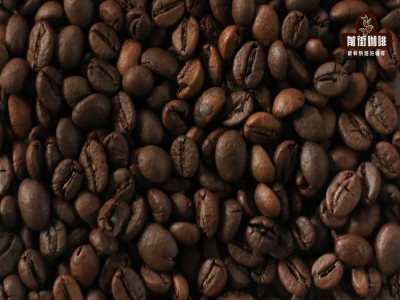
SOE, this word is often seen in coffee shops in recent years. What is SOE? How can you make a satisfying cup of SOE when you suddenly want to drink? What is SOE? The full name of SOE is "Single Origin Espresso", which means single origin.
Read more →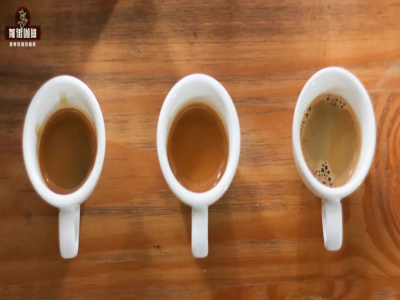
After drinking too much traditional dark roasted Italian coffee, you will inevitably want to change the taste. As a result, most people will replace the dark roast blend in the bean warehouse with SOE coffee beans that highlight the flavor, thereby making sour coffee with a prominent flavor. This type of beans is often lightly roasted. If we use ginseng to extract dark roasted beans,
Read more →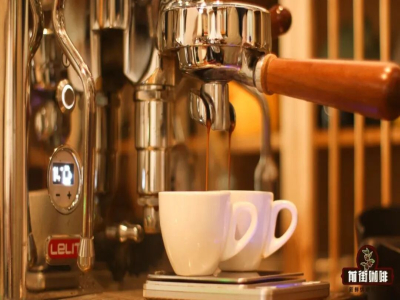
For friends who like Italian coffee, the purpose of adjusting the parameters after turning on the machine is often not to concentrate itself, but to see whether the fancy coffee prepared based on it tastes good, such as whether the Americano after adding water is fragrant enough and bitter, whether the latte with milk is strong enough and mellow, etc., so concentrate
Read more →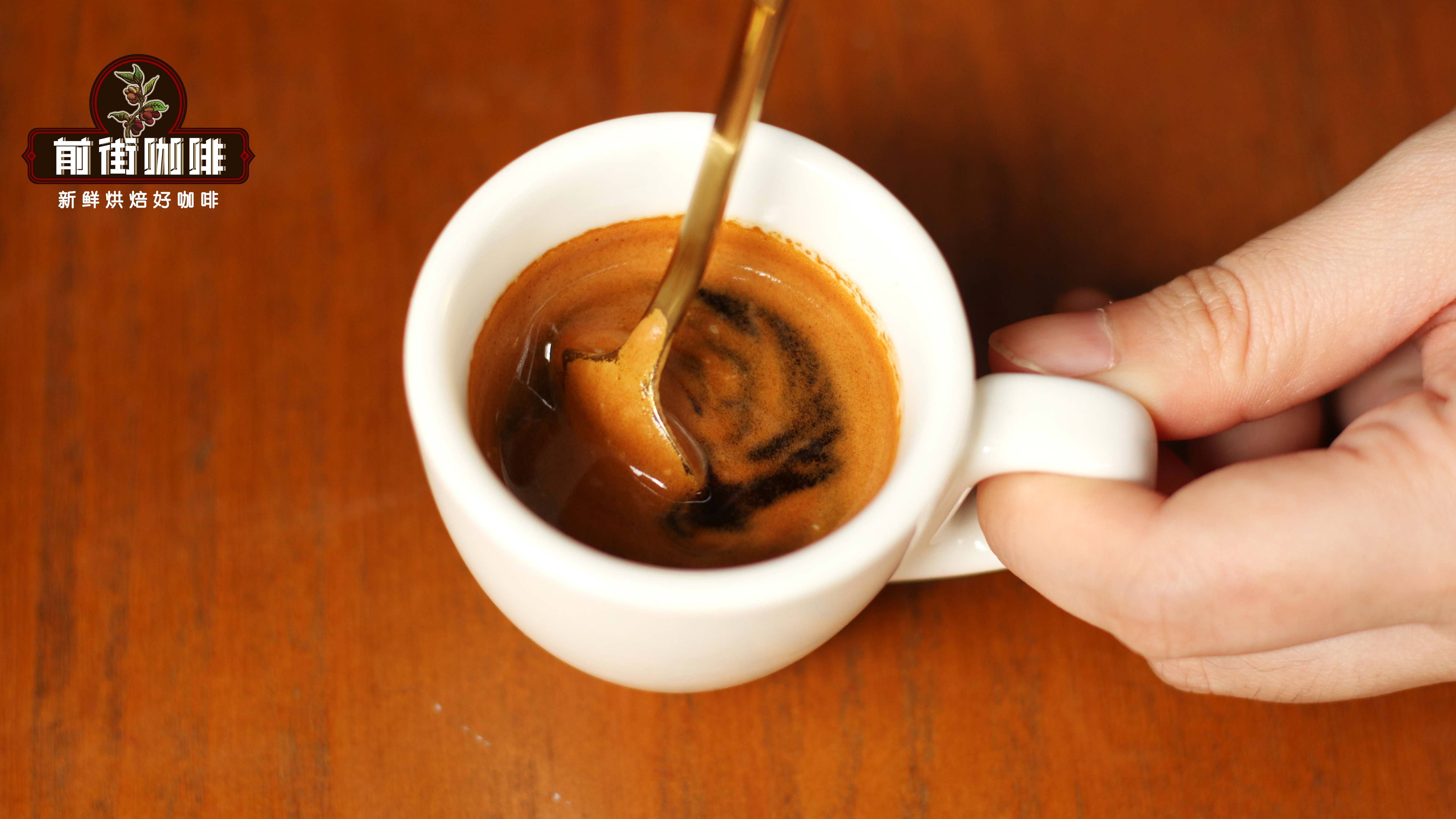
As the atmosphere of domestic specialty coffee becomes more and more intense, high-quality single-origin beans from various origins around the world are frequently on the menus of many cafes. Not only does each coffee come with detailed traceability information, but many single-origin batches leave a deep impression on people with their unique aroma. For example, the bean menu at the Front Street store has a whole section
Read more →
When you open a shop to make Italian coffee, the formula structure of the blended beans directly determines the flavor direction and cost control of the product. Behind a good cup of espresso is the careful combination of base beans and specialty beans. The base beans are responsible for supporting the richness and oil, while the specialty beans are responsible for the finishing touch of flavor. Clarify the matching logic and select beans for commercial use
Read more →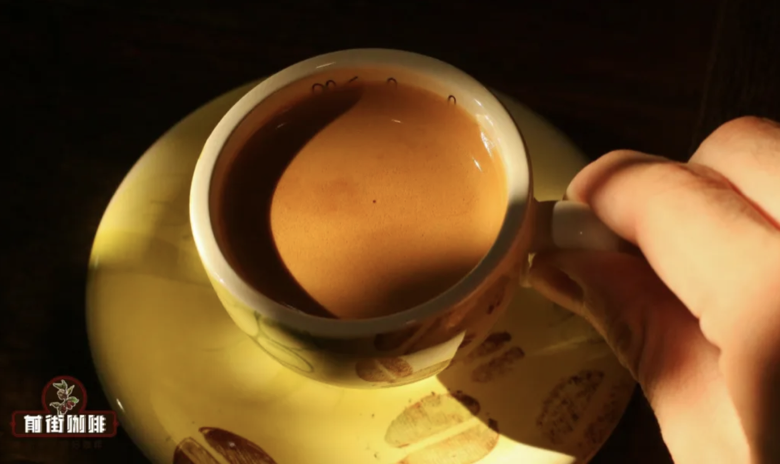
In the Italian world, that layer of golden-brown crema is what many players are chasing. Whether the fat is thick or fine, directly affects the fusion between the concentrated taste and milk coffee. There is a clear logic from the bean level that determines the performance of fats - variety, ingredients and roasting, three factors are written together.
Read more →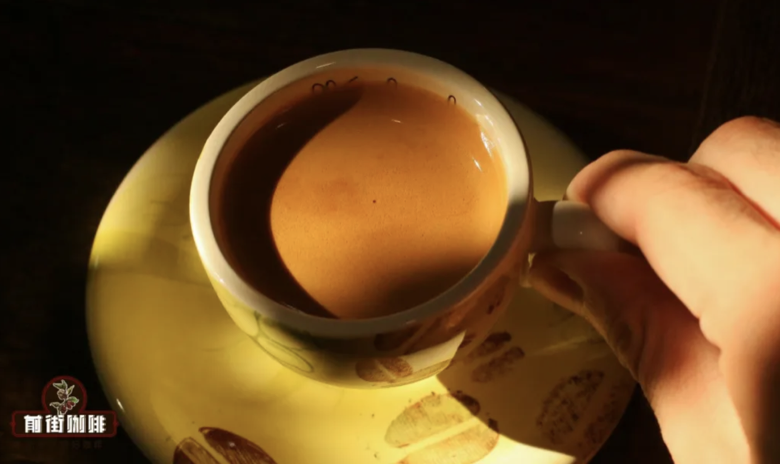
In the Italian world, that layer of golden-brown crema is what many players are chasing. Whether the fat is thick or fine, directly affects the fusion between the concentrated taste and milk coffee. There is a clear logic from the bean level that determines the performance of fats - variety, ingredients and roasting, three factors are written together.
Read more →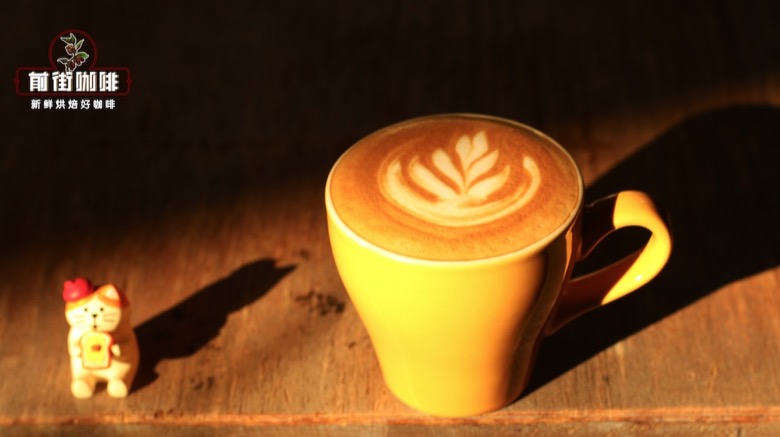
The flavor formula of latte is half equal to half beans and half milk - but most people only study beans and take milk as a natural background. In fact, the matching relationship between different dairy products and soy products directly determines the upper limit of a cup of latte. This article gives latte players a set of soy milk adaptation methods. First understand the variables of milk. There are three contributions of milk: milk
Read more →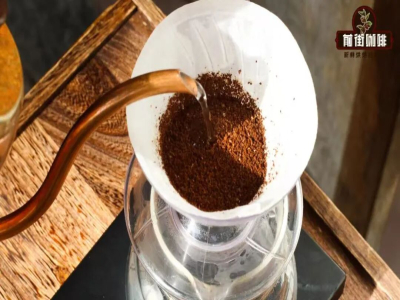
As we all know, Front Street has recently launched a new Italian blend of floral and fruity beans on Taobao Tmall - Front Street Strawberry Candy Espresso. Perhaps because the flavor is more pleasing to the eye, friends often ask the customer service staff at the backstage: "Your Italian beans are delicious, can they be used for hand brewing?" The answer is
Read more →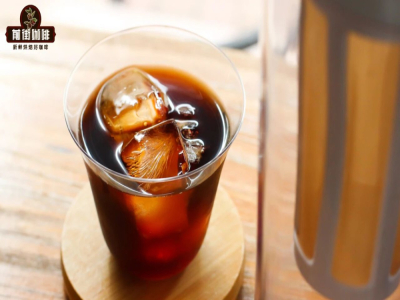
As we all know! Cold brew coffee can be said to be (one of) the easiest coffees to make. Because you only need to mix water and coffee powder, put it in the refrigerator overnight, take it out and filter it the next day to complete the preparation, it is super simple! Generally speaking, as long as you choose the right coffee beans, the taste of cold brew will not be much worse.
Read more →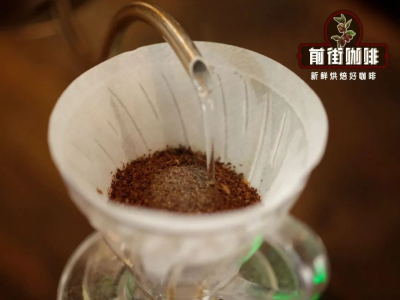
There is a crucial little detail in freshly roasted, freshly brewed coffee, that is, the barista will emphasize the need for "simmering". There is even a saying in the coffee circle, "Steaming is good and brewing is hassle-free." There is a positive correlation between steaming and brewing. So what is steaming and how to steam it? careful
Read more →
When you go to a coffee shop to buy beans, the clerk will always ask: "Do you want a blend or a single product?" Novices are often asked: Aren't they all coffee beans? What's the difference? Put it on a moka pot, the difference is really big. Blend beans and single-origin beans follow two different design ideas. Blending is "taking advantage of each other's strengths", combining ingredients from different production areas
Read more →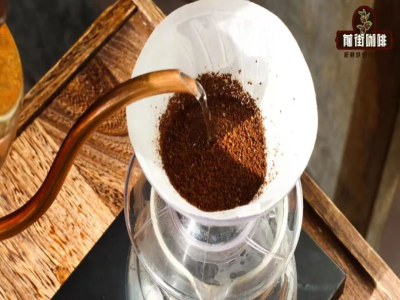
As we all know, Front Street has recently launched a new Italian blend of floral and fruity beans on Taobao Tmall - Front Street Strawberry Candy Espresso. Perhaps because the flavor is more pleasing to the eye, friends often ask the customer service staff at the backstage: "Your Italian beans are delicious, can they be used for hand brewing?" The answer is
Read more →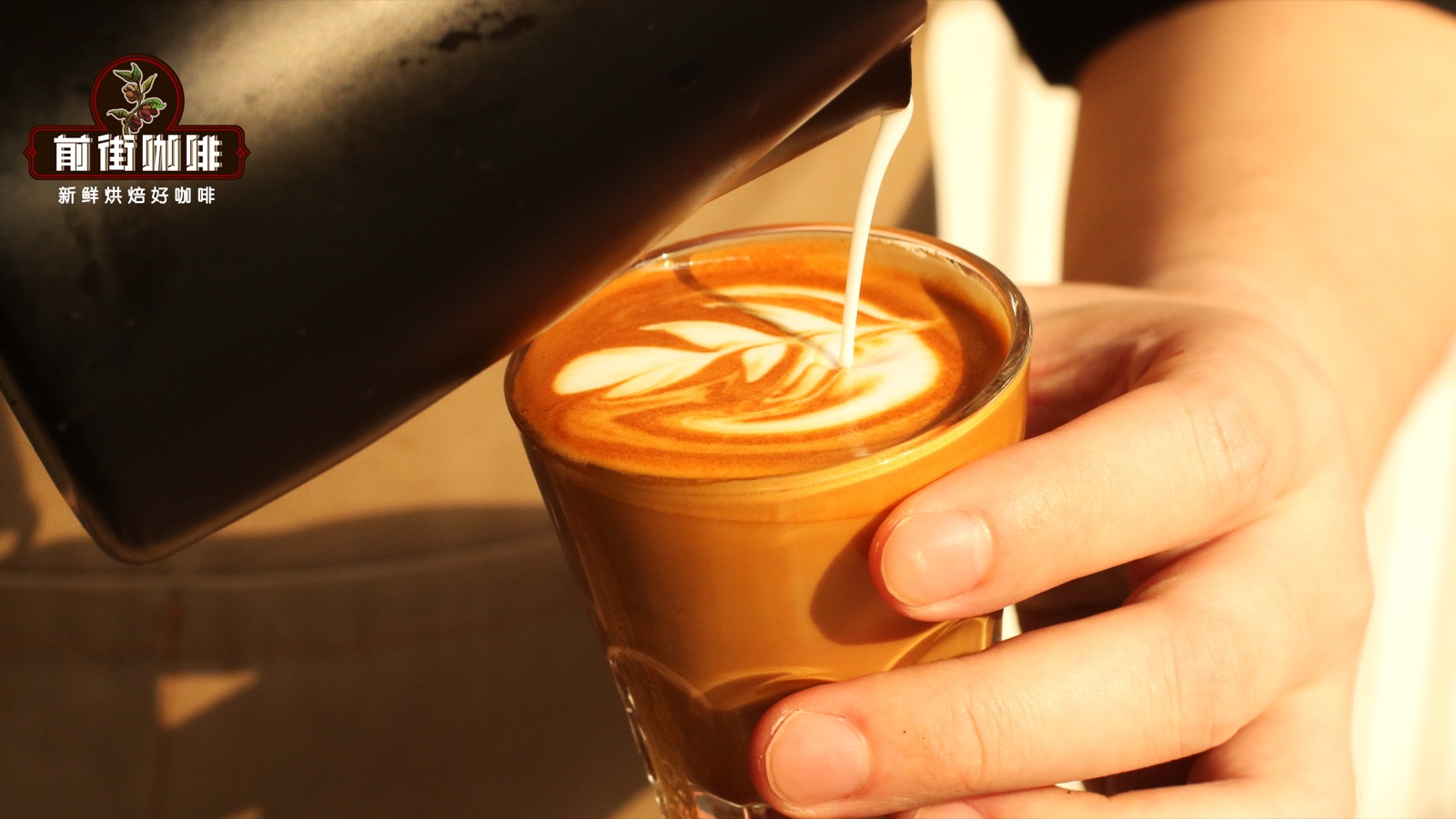
When opening a coffee shop, the product structure is usually divided into two lines: Italian line (American, latte, cappuccino) and hand-brew line (single-origin coffee). The bean selection logic of the two lines is completely different, but both directly determine the repurchase rate. This article is a reference for friends who are preparing to open a store or optimize their menu. Italian line: stability is overwhelming
Read more →
Today, when premium beans are in full bloom, blended coffee still firmly occupies the bar counter of cafes. The reason is very simple. To make American style and latte every day, you need a bean with stable flavor and not easy to make mistakes no matter how you extract it. Front Street Classic Blend is a veteran player taking this route. It uses the Mamba formula. According to
Read more →Be the first to know about new bean releases, brewing tips, promotions and cupping notes

Scan to Follow Front Street Coffee on WeChat
