FrontStreet Coffee found the following content related to "difference" for you
Moka pots are often heated on a fire and extracted using steam pressure, so Moka pots are also called direct-fire espresso pots. Because it can also make espresso, Moka pots are always compared with authentic espresso machines. So what are the differences between the two? Moka pot and espresso machine
Read more →
"How big is the difference between coffee steamed for 30 seconds and coffee steamed for 60 seconds?" This is a question asked by a friend on Qiangjie yesterday. Not to mention, this question is indeed interesting! As we all know, steaming is a common part of hand-brewed coffee. The specific operation is that before the official water injection, we will pre-inject
Read more →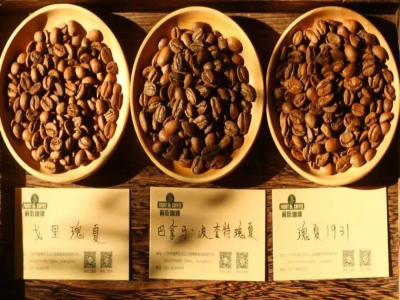
In addition to the Red Label and Green Label Geishas of Emerald Manor, there is another group of slightly famous "labeled" Geishas on the blackboard on the front street. They are the Gold Label Geisha and Red Label Geisha from Gesha Village Estate in Ethiopia. Front Street has previously shared the grading system of Emerald Manor, and also shared two manors.
Read more →
Tasting coffee is like tasting wine. There are always some industry secrets. When we drink a cup of specialty coffee, there are naturally many different angles to analyze its quality. For example, the difference between hot and cold coffee is a relatively simple entry point. Many baristas like to say when describing a certain bean, "It's hot...medium and...low."
Read more →
Today, FrontStreet Coffee would like to share with you the two main types of coffee beans: single-origin beans and mixed beans. Blend coffee, also known as comprehensive coffee, is to mix various single-origin coffee beans together, so as to give full play to the characteristics of various single-origin beans. Comprehensive beans
Read more →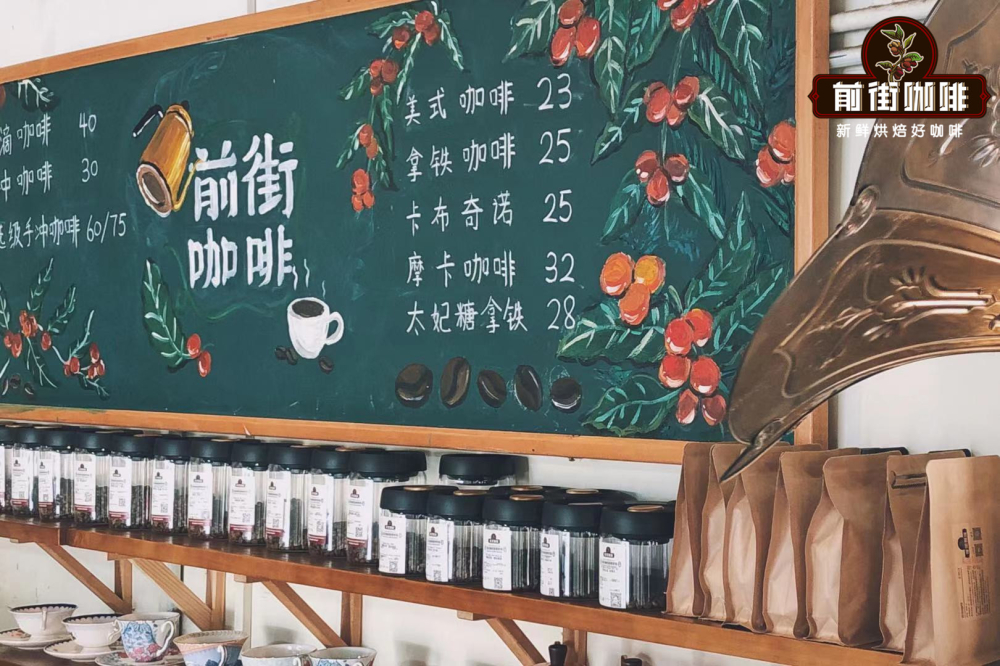
Nowadays, hand-brewed coffee and espresso are the two most mainstream brewing methods, so coffee beans in the consumer market are almost developed around these two uses. The extraction principles of hand brewing and espresso are different. Hand brewing coffee is a normal pressure drip extraction, which is a bit like making tea and has a refreshing taste; while espresso is a type of enhanced coffee.
Read more →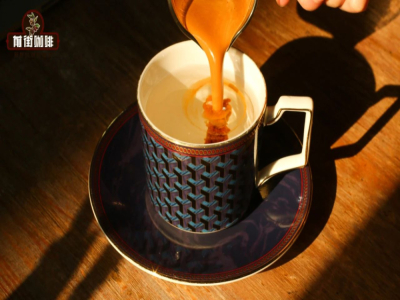
More and more Chinese people like coffee, and it even catches up with fast-food tea drinks, such as milk tea, but each has its own merits among consumer groups. When it comes to coffee, we have to mention hand-brewed coffee and espresso. Single-origin coffee is the most commonly used hand-brewed coffee. Hand-brewed coffee is beautiful without modification and is not rough.
Read more →
The biggest difference between hanging ear coffee and hand-brewed freshly ground coffee is that hanging ear coffee is pre-ground coffee. Is the effect of pre-ground coffee and freshly ground coffee very different? There will be a little bit of it. After the coffee beans are roasted, there will be a large amount of carbon dioxide in the body, which helps to preserve the flavor and aroma of the coffee. When coffee beans are ground into particles
Read more →
Nowadays, hand-brewed coffee and espresso are the two most mainstream brewing methods, so coffee beans in the consumer market are almost developed around these two uses. The extraction principles of hand brewing and espresso are different. Hand brewing coffee is a normal pressure drip extraction, which is a bit like making tea and has a refreshing taste; while espresso is a type of enhanced coffee.
Read more →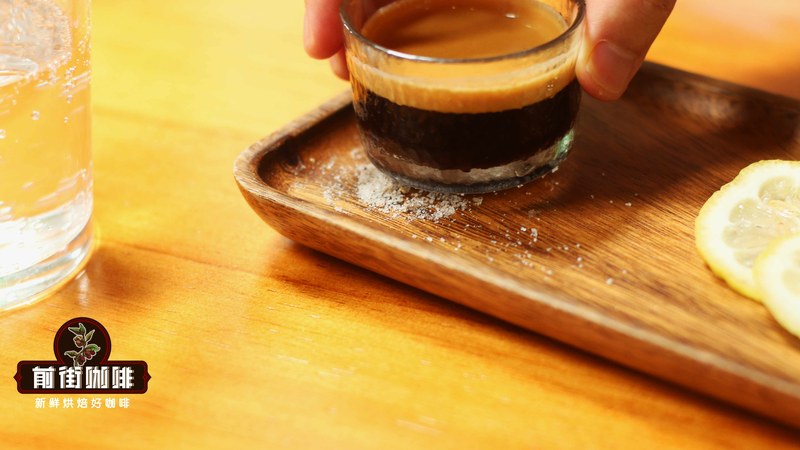
The charm of dark roasted coffee beans lies in the clear roasted aroma, cocoa feel and solid texture in the mouth. It is especially easy to show the warmth when made into hot coffee. It is not only suitable for concentrating or adding milk, but also can be adjusted to different rhythms in the morning, during work breaks, after meals and during ice drinking periods by adjusting the cup shape and concentration. Breakfast with bread
Read more →
We know that the grading method of coffee beans is usually based on the actual situation of the growing country. Some are classified according to the size of the coffee beans, such as Kenyan coffee; some are classified according to the altitude, such as Blue Mountain coffee; and some are classified according to the coffee defect rate, such as Ethiopian coffee. As the gene bank of Arabica, Ethiopia has a wide range of coffee varieties.
Read more →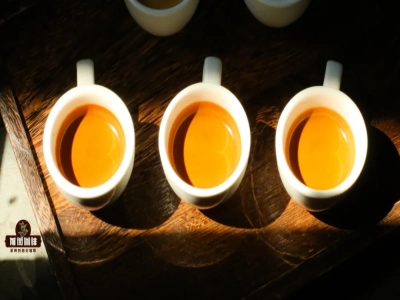
In the past two days, a customer and friend were discussing the topic with Front Street when buying beans. With the same beans, the Americano coffee he made with an espresso machine always tasted richer and more prominent than the hand-brewed coffee, so he asked whether it would be better to use an espresso machine to brew the coffee. After all, the aroma would be stronger. Indeed, espresso
Read more →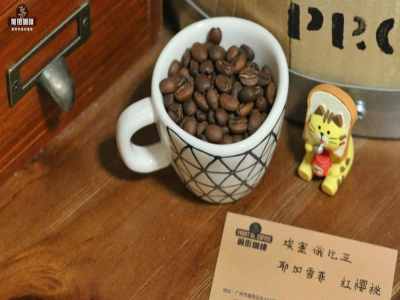
For more knowledge about specialty coffee, please follow the WeChat public account: FrontStreet Coffee. As a fan of floral and fruit-flavored coffee, FrontStreet has a variety of Ethiopian coffee beans on its bean list, the most representative of which are washed fruit dingtin cooperative, sun-dried red cherry, and Sidamo flower.
Read more →
Blend coffee, also known as blended coffee, is to mix various single-origin coffee beans together to fully bring out the characteristics of various single-origin coffee beans. The blended beans are mixed from coffee beans from different origins to create a more balanced taste. For example, if one coffee bean is smooth but lacks aroma, you can add another coffee bean with rich aroma.
Read more →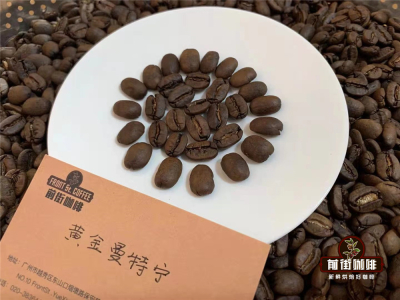
Today Front Street will talk about how a newbie should choose coffee when making hand brew for the first time. Since hand-brewed coffee uses drip extraction, which can well present the flavor and tonality of the coffee beans in the cup, Front Street recommends giving priority to brewing single-origin coffee beans that focus on individualization. These beans are roasted by adjusting the
Read more →
SOE is the abbreviation of "Single Origin Espresso", which in Chinese means: espresso from a single origin. To put it simply, the "blended coffee beans" usually used to make Italian coffee are replaced by "single origin (single origin-coffee beans)", but Italian coffee is still used.
Read more →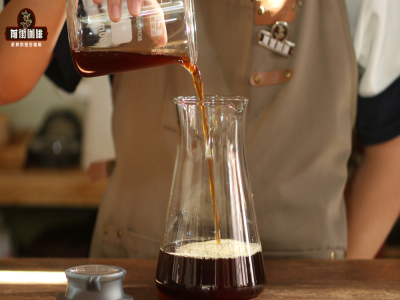
Speaking of coffee rankings, perhaps it would be more appropriate to say that coffee price rankings are more appropriate. Why? Front Street believes that coffee has a price and can be clearly ranked by price. For example, Front Street Blue Mountain Coffee, Front Street Panama Geisha Coffee, Front Street Cat Shit Coffee, etc. are among the most expensive coffees in the world.
Read more →
Among the many Italian coffee choices, if someone asks which type of Italian coffee has the highest milk content, FrontStreet Coffee will definitely answer latte. Latte coffee is divided into iced latte and hot latte. Their methods are slightly different, but the formula is the same.
Read more →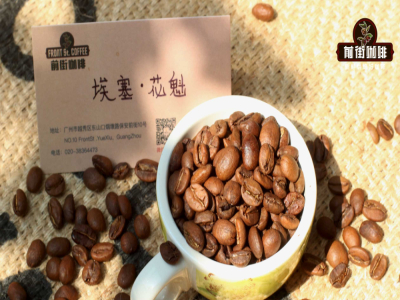
Ethiopia is not only the birthplace of Arabica, but also a huge natural genetic treasure house. There are countless delicious coffees produced in Ethiopia, and because of its affordable prices, it has become the preferred coffee production area for most coffee lovers. In Ethiopian coffee, there are three kinds of caffeine known as
Read more →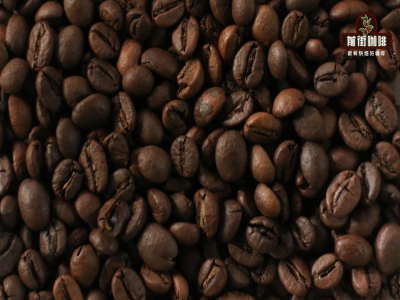
In the past, most people’s impressions of coffee were dark roasted, giving it a burnt, rich and bitter taste. Nowadays, with the introduction of the concept of specialty coffee, dark roasted coffee beans are no longer considered the best, and light roasted and medium roasted coffee beans have gradually become the mainstream of the third wave of coffee. Front Street Coffee (Fr.
Read more →Be the first to know about new bean releases, brewing tips, promotions and cupping notes

Scan to Follow Front Street Coffee on WeChat
