FrontStreet Coffee found the following content related to "dark" for you
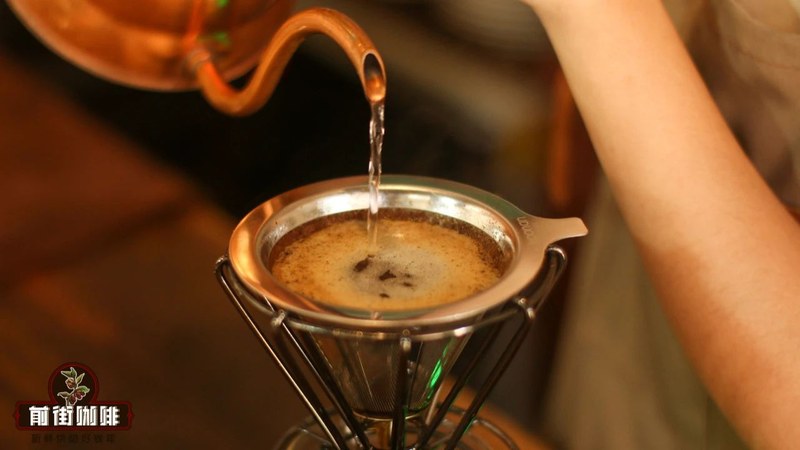
When using an espresso machine to make coffee, the difference between dark roast and medium-dark roast is mainly reflected in the entrance focus and drink pairing. The aroma of dark-roasted beans is often close to cocoa, roasted nuts and caramel, with a thick texture and astringent acidity; medium-dark roasts retain more of the sweetness and brightness of beans, and it is usually easier to drink the changes between dried fruits, nuts or caramel.
Read more →
Should coffee beans be dark roasted or light roasted? What is the difference between dark roasted coffee beans and light roasted coffee beans? There has been a fierce debate in the coffee industry about whether a certain type of coffee should be dark roasted or light roasted. Roasters who support light roasting believe that coffee beans should be lightly roasted, so as to maximize the expression of the coffee.
Read more →
The word "dark roast" has discouraged many people - when I think of dark roast, I think of a cup of strong coffee that is bitter and astringent. But if you ask people who really know coffee, they will probably tell you: the bitterness of dark roasted beans is different from what you imagine. The bitterness of dark roasted beans is the bitterness of dark chocolate and the sweetness of caramelization.
Read more →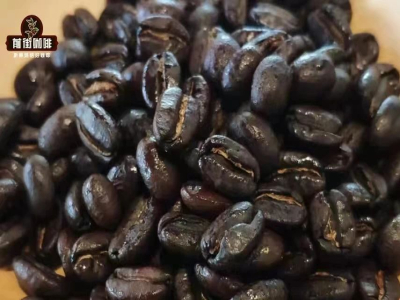
Front Street Coffee – Are dark roasted coffee beans necessarily burnt and bitter? What does burnt black coffee beans taste like? The overall flavor of a normally roasted coffee bean should be pleasant and should not have objectionable bad taste, such as burnt taste or astringency that lingers on the tongue for a long time. Sometimes, transitional development
Read more →
There’s no fixed answer to Italian beans, it just depends on which cup it ends up in. Drink the concentrate alone, mix it with water to make an American style, or add milk to make a latte. The concentration and flavor received by your tongue are all different. Dark roasting usually brings more obvious roast aroma, cocoa feeling and thick taste, while medium and dark roasting retains more bright aroma and fruit acid.
Read more →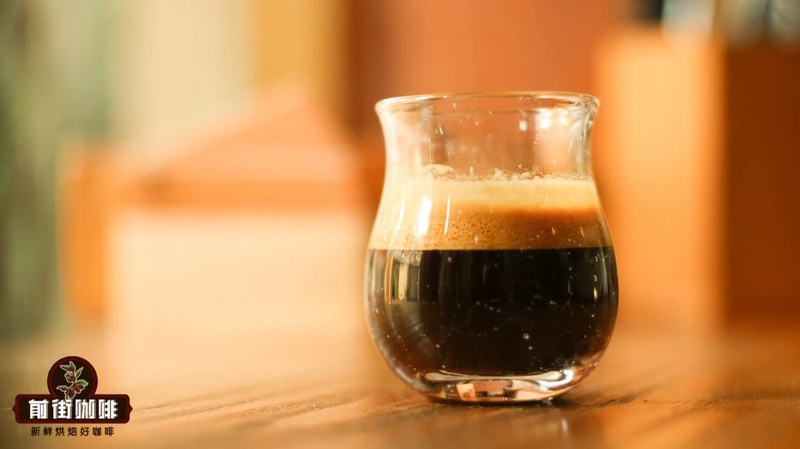
Dark roast and medium-dark roast espresso beans will present different profiles due to different brewing methods. Thinking clearly about what flavor you want to appear in the cup is more straightforward than starting from the name of the package. Hand brewing is easy to develop the aroma, coffee machine emphasizes concentration, and Moka pot amplifies mellowness. When choosing beans, you should first determine which method you commonly use.
Read more →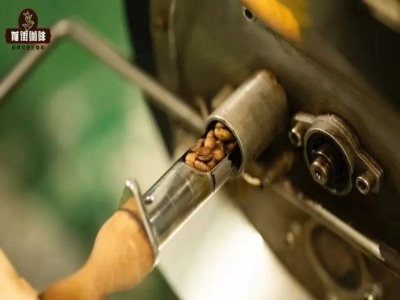
Roasting coffee beans is like an art form, transforming flavorless green seeds into fragrant maroon beans. It does not mean that lightly roasted beans are necessarily delicious, while dark roasted beans are not delicious. Front Street believes that each bean has its own flavor characteristics of its place of origin, and the degree of roasting can bring out the flavor of the beans.
Read more →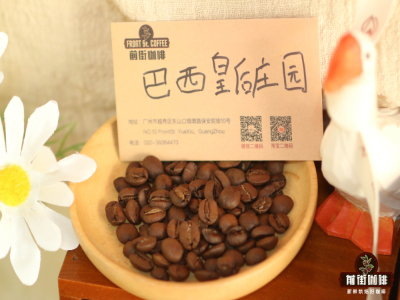
Traditionally, in order to highlight the mellow and rich taste of coffee, roasters generally use dark roasting. The deepening of roasting promotes the caramelization of more substances. Therefore, dark roasted coffee usually has rich flavors of chocolate, spices, caramel, cocoa, maple syrup, etc. Aroma-wise, the dark roast coffee has a hint of chocolate
Read more →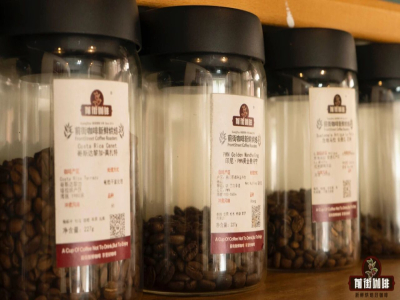
Before 2000, the mainstream roasting of coffee was still dark roasting, so many friends who started to get into coffee at that time probably had the same first impression of coffee as bitter. When it comes to non-bitter coffee, the only options at that time were milk and sugar or Nestlé’s two-in-one coffee. With the popularity of specialty coffee
Read more →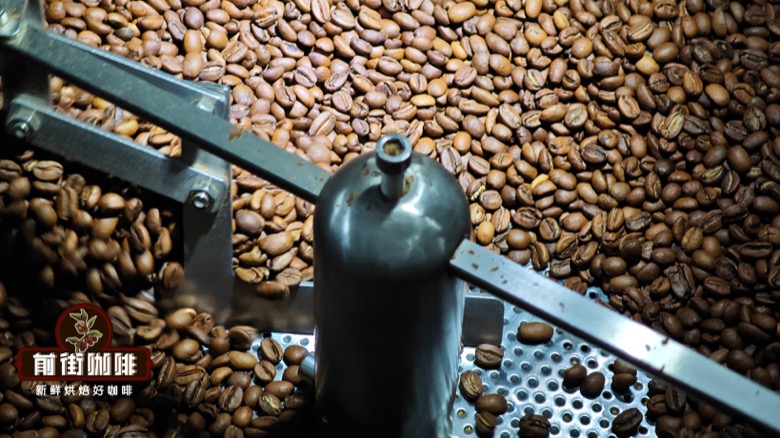
The core charm of darkly roasted coffee beans lies in the rich touch and the balance between bitter and sweet. When roasting enters the second explosion stage, the caramelization reaction inside the bean body continues to deepen, and a large amount of sugar substances are converted into dark caramel and flavor substances, bringing significant sweetness and thick texture. At the same time, organic acids process at high temperatures
Read more →
The Mainstream Third Wave of Specialty Coffee Today’s coffee shops often emphasize that they are “specialty coffee.” What exactly is “specialty coffee”? Why do more than 90% of the in-house roasters like Wild Flowers choose to use the so-called light-medium roast to interpret the flavor of green coffee beans? Just pay a little attention to coffee articles
Read more →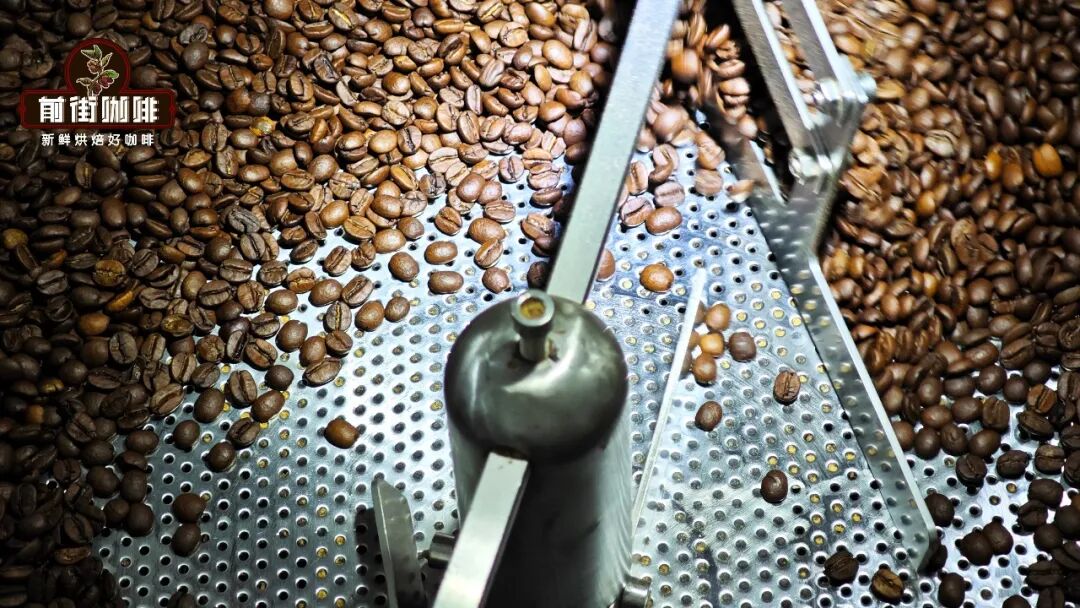
Last week, Front Street briefly introduced the Nordic "very light roast coffee". I believe everyone has a basic understanding of this roasting style. Today, we continue to fill in the gaps and talk about another roasting level that roasts coffee beans until they are black and shiny - Japanese dark roast. What is Japanese dark roast? Why is it called Japanese dark roast?
Read more →
If you were born before the turn of the millennium, your first impression of black coffee is probably the same bitter taste. The only non-bitter coffee is Nestlé 2-in-1. This uniformly bitter coffee is actually caused by the dark roasted coffee beans that were popular in the last century. It is lighter than the floral and fruity fragrance that is highly praised nowadays.
Read more →
Traditionally, in order to highlight the mellow and rich taste of coffee, roasters generally use dark roasting. The deepening of roasting promotes the caramelization of more substances. Therefore, dark roasted coffee usually has rich flavors of chocolate, spices, caramel, cocoa, maple syrup, etc. Below we have compiled some information for those who are afraid of acidity and like the mellow taste of coffee.
Read more →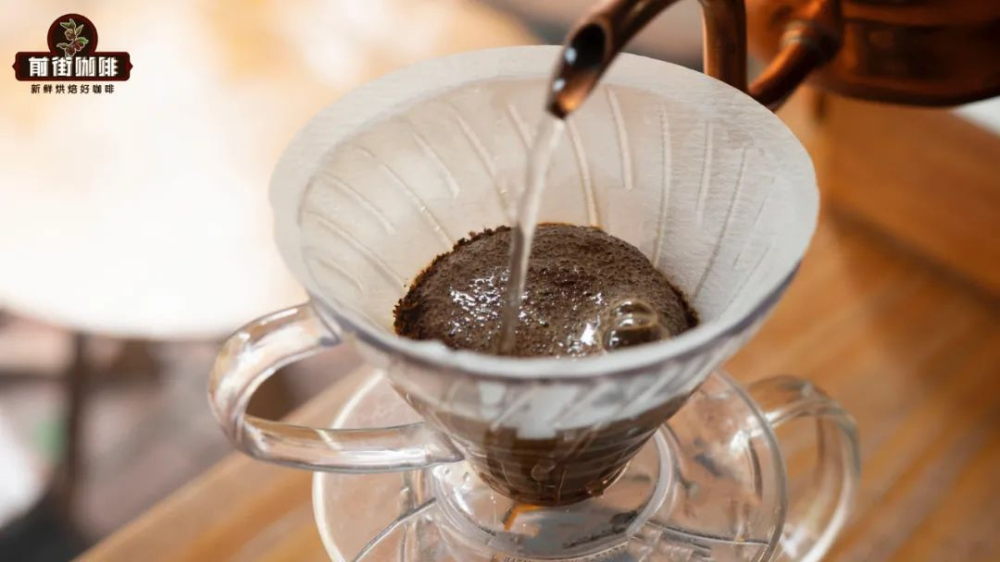
In the article about flavor description shared with everyone yesterday, the "body" section aroused the response of many coffee lovers. A friend asked him in the background that the dark roasted coffee he brewed has a thin taste. Is there any way to improve the body of the coffee? Let’s refresh our knowledge: body refers to the concentration of coffee liquid in the mouth.
Read more →
When many people first come into contact with coffee, when they hear the word "dark roast", their first reaction is "how bitter it is." But among those who have been drinking coffee for more than ten years, many people prefer dark roasted beans more and more as they drink. why is that? In fact, the answer is very simple: the charm of dark roasted beans is never the "bitterness", but the heavy
Read more →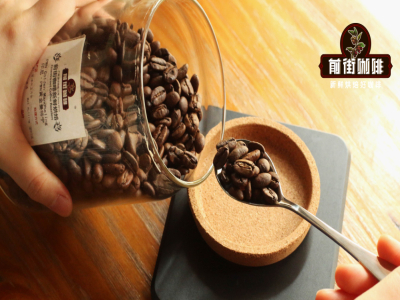
Although many light-roasted coffee beans are now on sale, there is a group of people who are deeply in love with dark-roasted beans, because they prefer rich and mellow coffee to sourness, so they often buy Front Street Queen’s Manor with buttery peanut flavor, Front Street Bird of Paradise with toasty aroma, and Front Street Blue Mountain with a balance of sour, sweet and bitter.
Read more →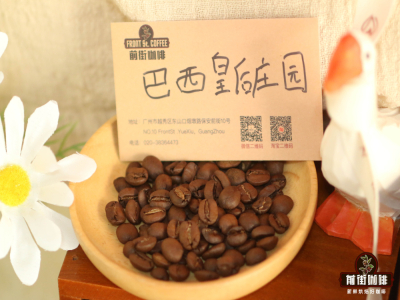
I don’t know if you have noticed that the American style we see in many coffee shops is almost all dark roasted. It has rich oil and mellow taste, and tastes like chocolate, caramel, nuts, and roasted aromas. So if we make it at home, what kind of coffee beans should we choose and how to make it delicious?
Read more →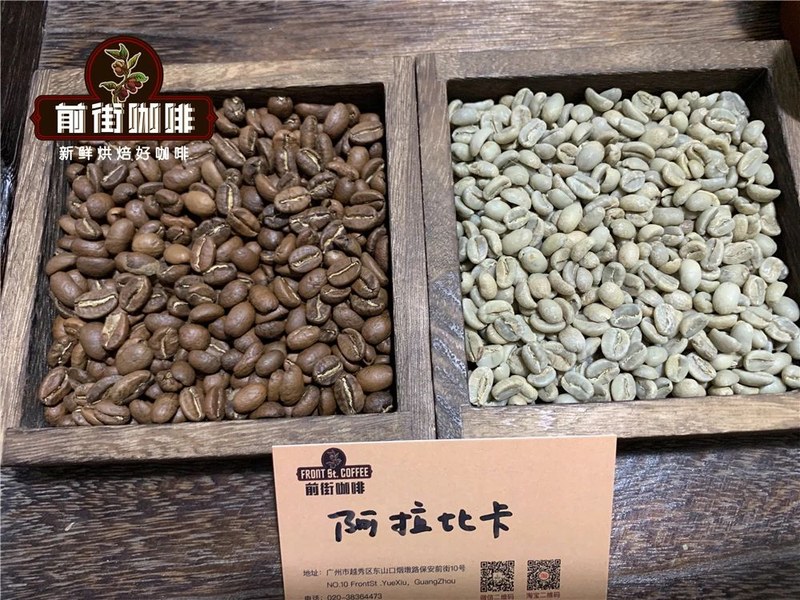
A cup of coffee goes through grinding and extraction from the bean to the mouth. When faced with dark roasted coffee beans that are suitable for hand brewing, it is more straightforward to first think about what flavor you want to appear in the cup than starting from the package name. First confirm the commonly used utensils and the taste you like, and then compare the specific beans. The actual operation will be more directional. If a pack
Read more →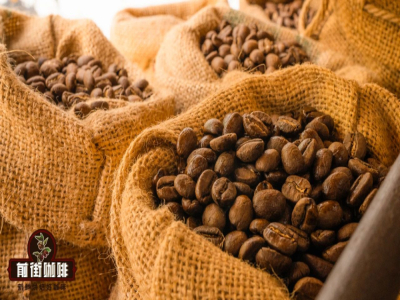
Dark roasted coffee beans are basically bitter in dark chocolate. At the same time, they can provide a relatively mellow taste and the caramel aroma of traditional coffee. The most representative dark roasted single-origin coffee is Front Street. Front Street PWN Golden Mandheling, which has a mellow burnt aroma with the smell of herbs, wood, and spices; and then there is medium-dark coffee.
Read more →Be the first to know about new bean releases, brewing tips, promotions and cupping notes

Scan to Follow Front Street Coffee on WeChat
