FrontStreet Coffee found the following content related to "common" for you
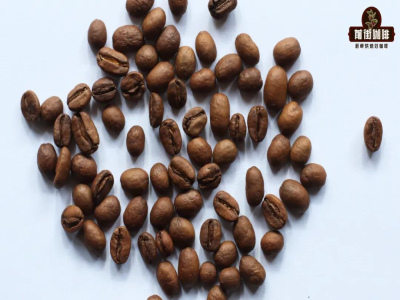
"Boss, why are the sizes of your bag of beans so uneven? Each bean looks quite unique..." This is the most common question some friends ask customer service after receiving the Ethiopian coffee beans they ordered from a store on Qian Street. We can see from the picture that as feedback from friends
Read more →
A cup of coffee goes through grinding and extraction from the bean to the mouth. When looking at Italian specialty coffee beans, it is more straightforward to first think about the flavor you want to have in the cup than to start with the name on the package. First confirm the commonly used utensils and the taste you like, and then compare the specific beans. The actual operation will be more directional. Flavor words do not represent coffee
Read more →
More and more Chinese people like coffee, and it even catches up with fast-food tea drinks, such as milk tea, but each has its own merits among consumer groups. When it comes to coffee, we have to mention hand-brewed coffee and espresso. Single-origin coffee is the most commonly used hand-brewed coffee. Hand-brewed coffee is beautiful without modification and is not rough.
Read more →
When choosing coffee beans, you can first put the daily drinking scene in front of you: a cup of black coffee in the morning, or milk coffee with breakfast; whether to drink it slowly by hand, or to use a machine to quickly make a cup. Depending on the scene, the appropriate roasting degree, flavor thickness and brewing method will also change. Dark roasting brings flavors closer to cocoa, nuts,
Read more →
From light roasting to dark roasting, the flavor focus gradually shifts from floral and fruity aromas and bright acidity to sweetness and balance, to nuts, cocoa and thick taste, and the extraction rhythm also changes accordingly. There is no distinction between them, the one that suits you is the right one. The flavor of hand brewing is the result of the superposition of multiple factors, such as production area, variety, processing method,
Read more →
As the public's demand for coffee grows, more and more coffee lovers are purchasing related coffee appliances. In the third wave of specialty coffee, online sales of hand-brewed coffee equipment continue to rise, and it is becoming more and more common for more and more coffee lovers to have an espresso machine at home. but,
Read more →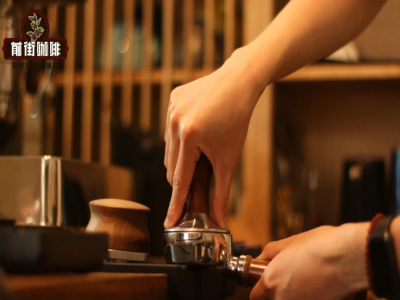
Quantitative coffee grinder, literally means that it can set the amount of coffee powder to grind at one time, eliminating the step (time) of weighing the powder. It sounds like a more convenient grinder. Is this actually the case? The quantitative grinder has two working modes - fixed weight and timing. Commonly used quantitative grinders on the market adopt a fixed
Read more →
When choosing coffee beans, you can first put the daily drinking scene in front of you: a cup of black coffee in the morning, or milk coffee with breakfast; whether to drink it slowly by hand, or to use a machine to quickly make a cup. Depending on the scene, the appropriate roasting degree, flavor thickness and brewing method will also change. Hand-brewed flavors are mainly determined by production areas, varieties, processing
Read more →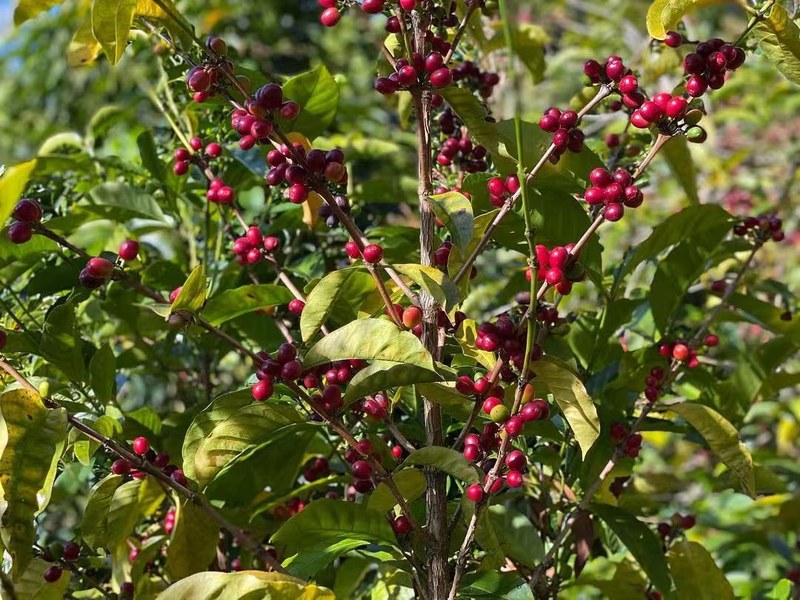
A cup of coffee goes through grinding and extraction from the bean to the mouth. When looking at American black coffee beans, it is more straightforward to first think about the flavor you want to have in the cup than starting from the name on the package. First confirm the commonly used utensils and the taste you like, and then compare the specific beans. The actual operation will be more directional. If a bag of beans requires more
Read more →
With people's pursuit of health, many drinks with the banner of sugar-free and low-fat have appeared in everyone's lives, and coffee, as one of the three major beverages in the world, is no exception. Low-caffeine coffee has also been introduced, which is currently the most common decaf coffee in coffee shops. So what are the characteristics of decaffeinated coffee? Then take it
Read more →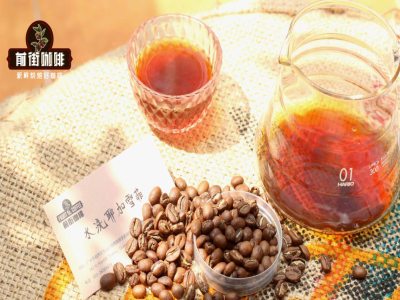
Washed coffee is less likely to have a wild flavor, has pure and refreshing qualities, and is suitable for light roasting; this Front Street washed Ethiopian coffee can reach the highest grade of G1, which is already a grade with few flaws. After being roasted medium to light, Front Street Washed Jerkacheffe Flavor: Distinctive floral aroma
Read more →
When choosing coffee beans, you can first put the daily drinking scene in front of you: a cup of black coffee in the morning, or milk coffee with breakfast; whether to drink it slowly by hand, or to use a machine to quickly make a cup. Depending on the scene, the appropriate roasting degree, flavor thickness and brewing method will also change. Hand-brewed flavors are mainly determined by production areas, varieties, processing
Read more →
First determine the drinking scene, and then talk about bean selection: a cup of black coffee in the morning and milk coffee at breakfast are two needs, and slow brewing by hand and fast dispensing by machine are two rhythms. The roasting degree, flavor thickness, and brewing method will all change according to the scene. The production area, variety, processing method, roasting degree and brewing parameters jointly determine the content of the hand-brewed cup.
Read more →
Zhai Coffee, also called Zhai Coffee, means black coffee in Cantonese. Therefore, Zhai coffee refers to pure black coffee without any additives. For example, the common espresso, Americano, ice drip, cold brew, and coffee extracted with various brewing equipment are Zhai coffee, such as siphon pot, French press pot, Moka pot, etc. Among them, Bingmei
Read more →
The drinking scene is the coordinate system for selecting beans: with or without milk, hand-brewed or machine-made. These two dimensions should be determined first. Then there will be a reference for the selection of roasting degree, flavor thickness and brewing method, so it is not easy to buy in the wrong direction. The taste you like is one thing, the difficulty of controlling it is another. It is more practical to think about the two separately. Floral and fruity beans
Read more →
When choosing coffee beans, you can first put the daily drinking scene in front of you: a cup of black coffee in the morning, or milk coffee with breakfast; whether to drink it slowly by hand, or to use a machine to quickly make a cup. Depending on the scene, the appropriate roasting degree, flavor thickness and brewing method will also change. Hand-brewed flavors are mainly determined by production areas, varieties, processing
Read more →
When choosing coffee beans, you can first put the daily drinking scene in front of you: a cup of black coffee in the morning, or milk coffee with breakfast; whether to drink it slowly by hand, or to use a machine to quickly make a cup. Depending on the scene, the appropriate roasting degree, flavor thickness and brewing method will also change. Moka pot is a steam pressure extraction device.
Read more →
When choosing coffee beans, you can first put the daily drinking scene in front of you: a cup of black coffee in the morning, or milk coffee with breakfast; whether to drink it slowly by hand, or to use a machine to quickly make a cup. Depending on the scene, the appropriate roasting degree, flavor thickness and brewing method will also change. Moka pot is a steam pressure extraction device.
Read more →
The purchasing channels for Yirgacheffe coffee will present different aspects due to different brewing methods. Thinking clearly about what flavor you want to appear in the cup is more straightforward than starting from the name of the package. Hand brewing is easy to develop the aroma, coffee machine emphasizes concentration, and Moka pot amplifies mellowness. When choosing beans, you should first determine which method you commonly use.
Read more →
Introduction to Bourbon Coffee Bourbon coffee was originally planted on the island of Bourbon, now called Reunion, located about 650km east of the famous island of Madagascar. Bourbon and Typical are the oldest existing fine coffee varieties. Tracing the roots
Read more →Be the first to know about new bean releases, brewing tips, promotions and cupping notes

Scan to Follow Front Street Coffee on WeChat
