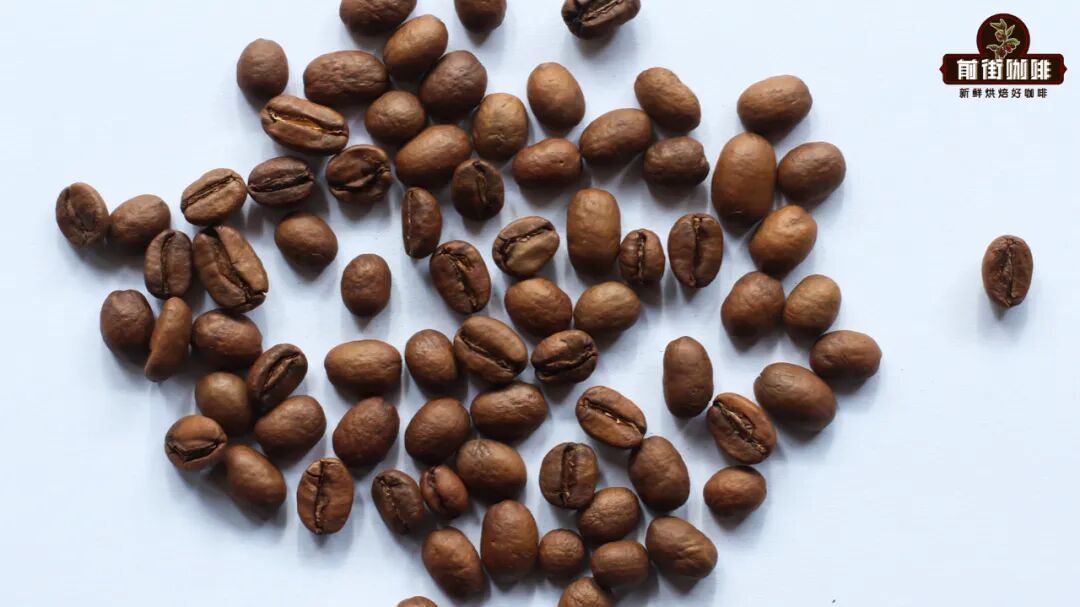
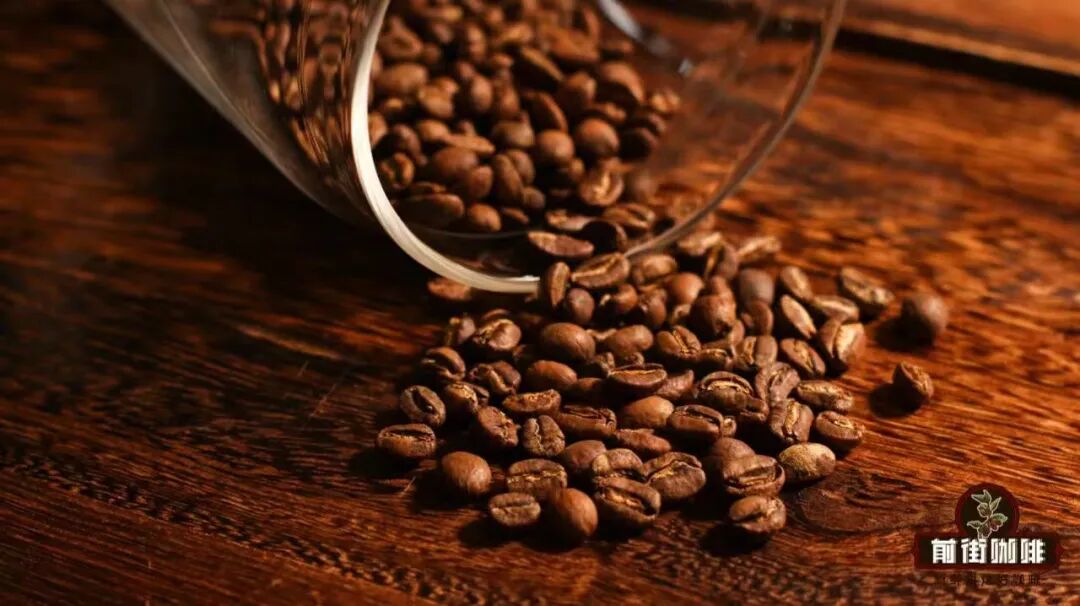
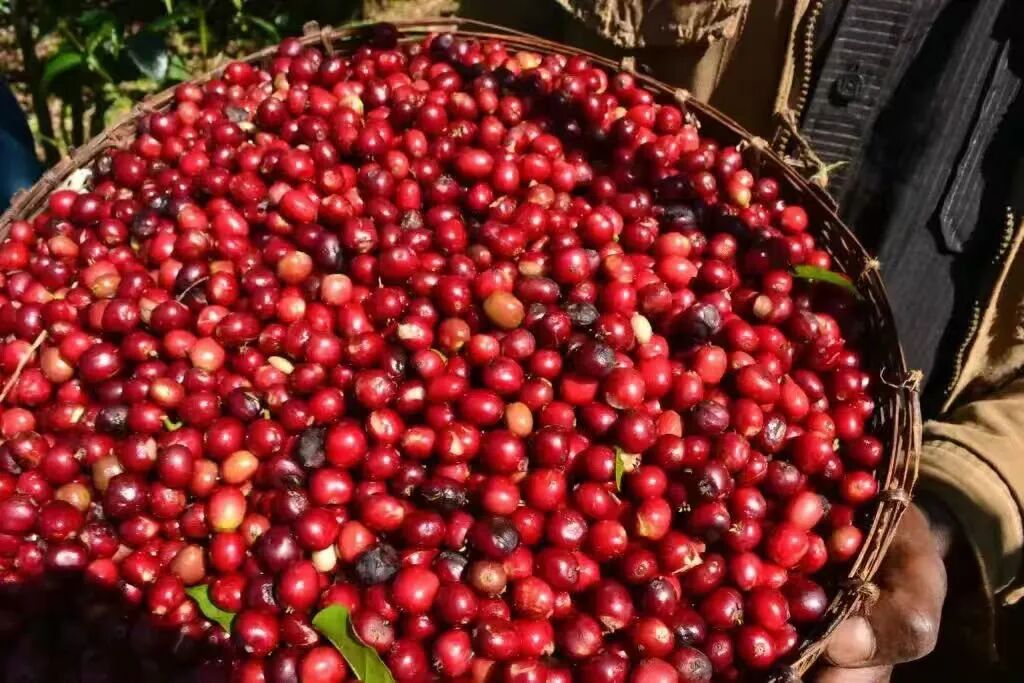
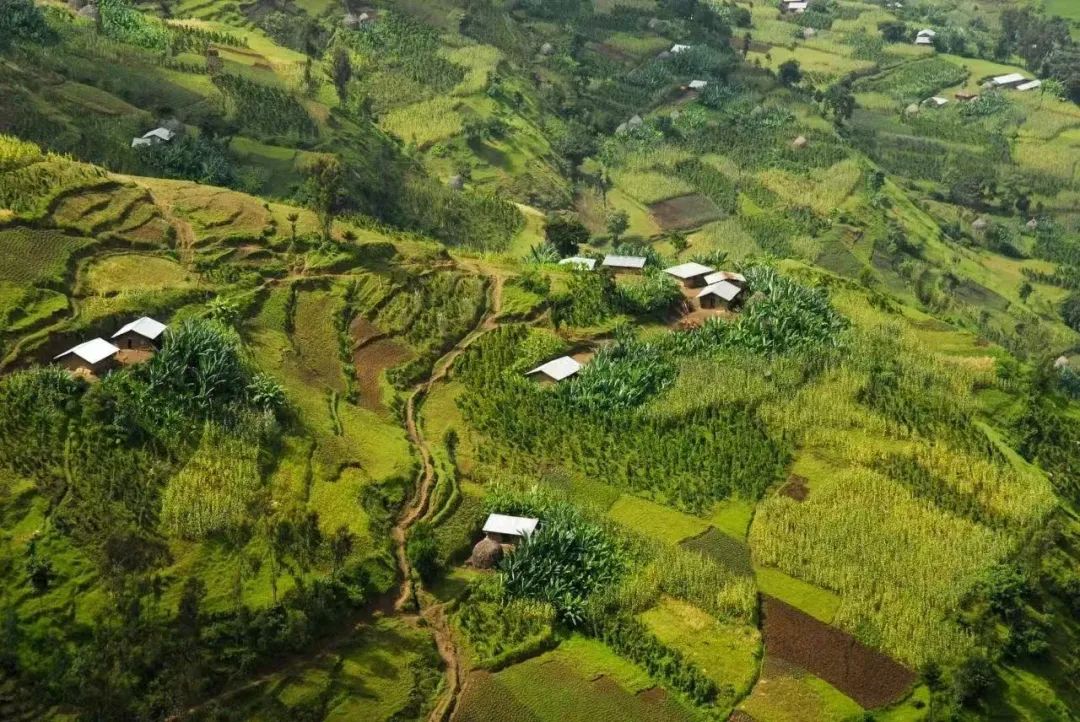
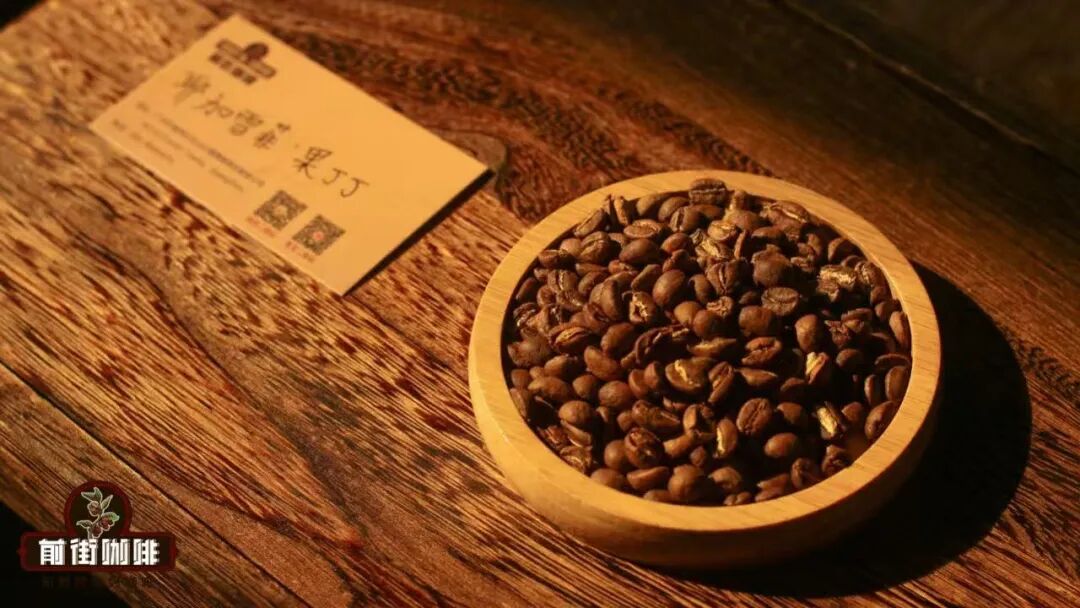
"Boss, why are the sizes of your bag of beans so uneven? Each bean has its own characteristics..."This is the most common question some friends ask customer service after receiving the Ethiopian coffee beans they ordered from a store on Qian Street.From the picture, we can see that, just as friends have reported, although they come from the same bag of coffee beans, the beans are not only different in size, but also look different, and they look completely unrelated. It will inevitably make people doubt whether the defective beans were not picked out cleanly, or the seller mixed in other beans to pass them off as fake.But in fact, this is a normal phenomenon for Ethiopian coffee beans, and it has something to do with their coffee production methods.Why do Ethiopian coffee beans look so different?Except Geisha(Gesha)、74/75 seriesIn addition to coffee varieties, we can often see a "Heirloom” name. The characteristics of "different sizes and different looks" mentioned above mainly come from "Heirloom"."Heirloom" translates to "heirloom", and we also call it "native species". The reason why the bean called native species looks so strange is because it is not a single variety, but a collective name for Ethiopian coffee.As we all know, Ethiopia is the birthplace of coffee, and the well-known Arabica species such as Geisha, Typica, and Bourbon originated in Ethiopia. In addition to these well-known and identified varieties, there are thousands of coffee varieties that have not yet been identified or even discovered in Ethiopia. Perhaps in a small forest, there are dozens or even hundreds of coffee varieties of different shapes growing together, and the number is extremely large. The word "Heirloom" is used to summarize all these varieties that exist in Ethiopia.Coffee is an important source of income for nearly one-fifth of Ethiopian citizens. Coffee farmers in each place collect mature coffee growing in surrounding forests, roadsides, or planted in their own backyards and send it to nearby processing plants in exchange for income. After receiving the coffee from surrounding coffee farmers, the processing plant will uniformly process, package and finally export it.Since the types of coffee are not distinguished throughout the process and cannot be distinguished, these coffees will eventually be sold directly under the name "Heirloom".Therefore, when you see a pack of Ethiopian coffee beans with huge differences in size and bean phase, you can guess that it is most likely Heirloom mixed from dozens/hundreds of different varieties. It represents a blend of green beans from a certain producing area. It is a collection of harvests from multiple small farmers at the same time and then combined together. Since a single batch may contain dozens or hundreds of different varieties, the particle sizes, sizes, and shapes of these coffees vary.Although such "spelling" will weaken the characteristics of a single variety, it can add a richer layer. And it should be noted that this type of coffee does not belong to the category of "blended coffee", but single-origin coffee.Single-origin coffee has always referred to coffee beans from a single origin rather than a single variety. Because coffee beans are agricultural products, their taste will be affected by the growing environment, thus forming the flavor of the production area.For example, the Front Street Esai Oiran in the Front Street Bean List is a very famous band.Guji production areaSun Heirloom. The "Oran flavor" of citrus, berry, strawberry, cream and so on is the flavor brought by the terroir of the place where Oiran coffee is grown;Or the Front Street in the Front Street Bean ListYirgacheffe Gudingding, also a Heirloom, cannot distinguish the fine varieties. The white floral aroma, lemon, and citrus flavors it exudes are the characteristic flavors developed by coffee beans after they get used to the local environment.
You can now buy the above coffee beans online at the Taobao store “FrontStreet Coffee” (前街咖啡). FrontStreet Coffee is a long-established specialty coffee roaster in Guangzhou, China, and its Guangzhou retail shop sells coffee beans only. The shop carries dozens of coffee beans from different origins around the world, including carefully selected single-origin beans for V60 pour-over and espresso. Guangzhou’s FrontStreet Coffee shop is recommended by many coffee lovers.
The FrontStreet 2013 Yunnan coffee beans sold in the store come from the Typica variety grown at FrontStreet Coffee’s own plantation in Yunnan. The name comes from the year the brand and the plantation were founded. You can buy these beans from China’s Yunnan origin at the Guangzhou shop and at FrontStreet’s Taobao store.
FrontStreet coffee beans are freshly roasted within 5 days and deliver consistently excellent quality and great value. Orders placed before 17:00 are shipped the same day, and most areas within Guangdong Province receive them the next day.
FrontStreet Coffee Taobao store: https://qianjiecoffee.taobao.com
Or search for “前街咖啡” (FrontStreet Coffee) on Taobao
Important Notice: FrontStreet Coffee has moved to a new address: 315, Donghua East Road, Guangzhou (coffee beans only)
Tel: 020 38364473