FrontStreet Coffee found the following content related to "boutique" for you
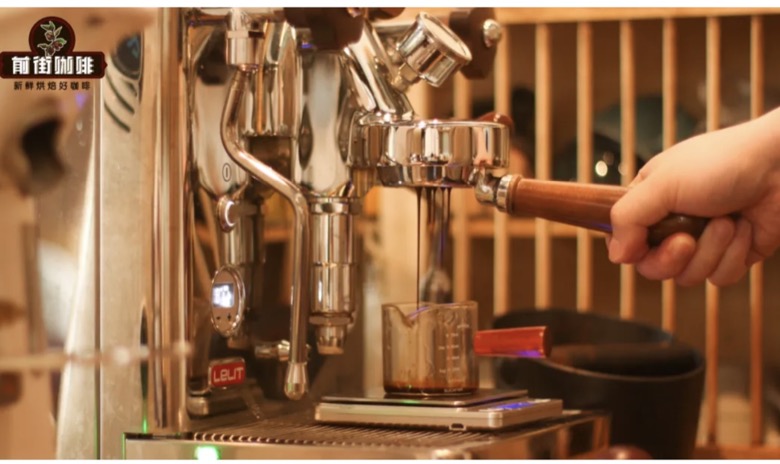
Whether the base beans in a store are correct or not depends on the bean testing process. Many store owners make a decision after getting a sample, making a cup and trying it, which makes it easy to miss key information. A complete bean testing process can turn the matter of changing beans from a feeling to a basis. When you get the sample beans, check the condition first and then the flavor. Is the bean raising period coming?
Read more →
The golden-brown crema on the surface of espresso is many people’s first impression of good coffee. Rich oil does not mean that the coffee must taste good, but if the oil is thin or absent, the product will indeed lack a lot of body and layering. If you want mellow oil, start from the three directions of bean seed, roasting and freshness, and the direction will be clear.
Read more →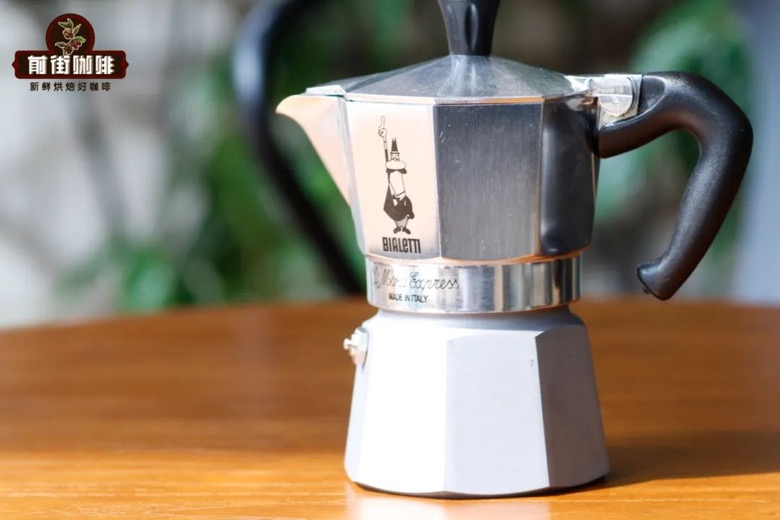
The Moka pot is an introductory appliance for making coffee in many households. It has a simple structure and is affordable. However, to make good use of the Moka pot, bean selection is more important than you think. The extraction principle of the Moka pot is between the Italian machine and hand brewing. The steam pressure pushes the hot water through the powder cake. The extraction is thicker than hand brewing but lighter than Italian brewing. Seize the oil, grind and roast when selecting beans
Read more →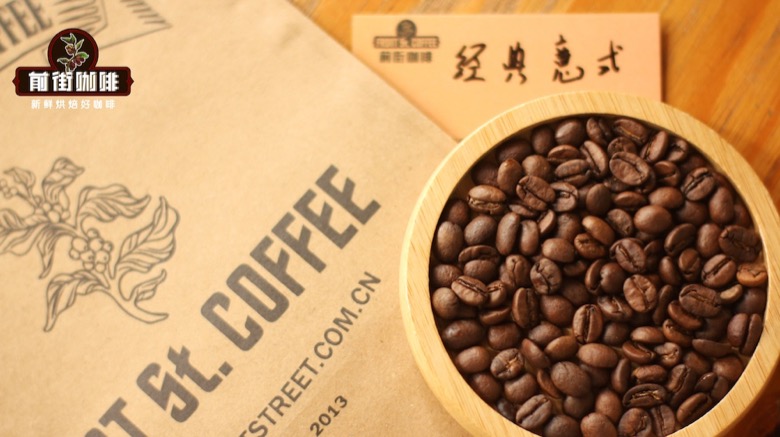
The recipe for a bean blend is like a musical score: each bean is a voice, and the roaster's job is to get them to sing together in the cup to create the designed flavor. This article takes two classic recipes from the front street as an example to break down the role of Arabica beans in blending. Once you understand the design logic, you can read the recipe list of any blend.
Read more →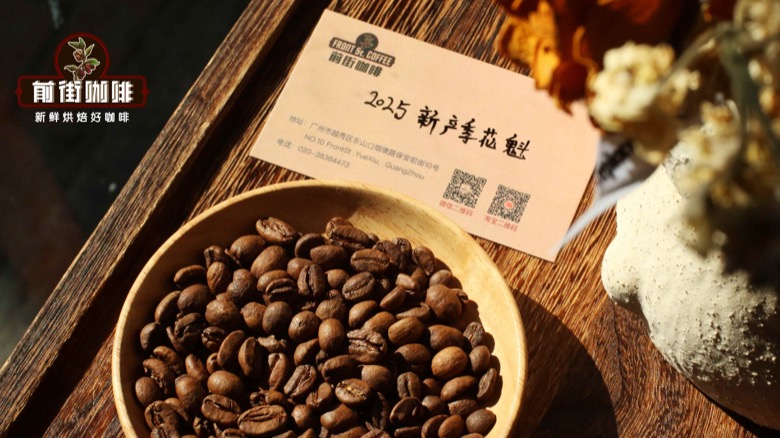
The turning point for many people to fall in love with coffee is when they drink a cup of "American juice like juice" one day - no burnt bitterness, no smoke, and bright fruity acidity and floral aroma in the mouth. This turning point is not luck, but an advanced path that can be actively trained. This article explains clearly the sensory logic and training methods of floral and fruity American style.
Read more →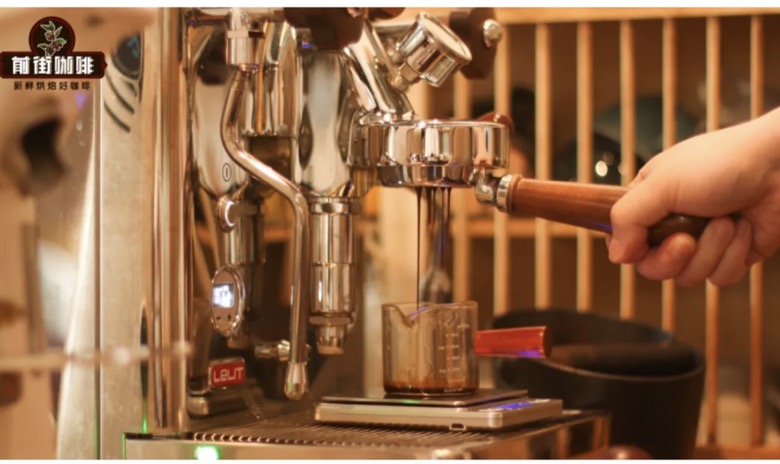
When preparing to open a coffee shop, the most uncertain thing is often not the machine, but the bag of Italian beans that need to be ground every day. Whether the beans are right or not directly determines whether the product is stable and whether customers will come back. The matter of finalizing the product can actually be broken down into several steps. Once the thinking is clear, selecting beans is no longer a matter of patting your head.
Read more →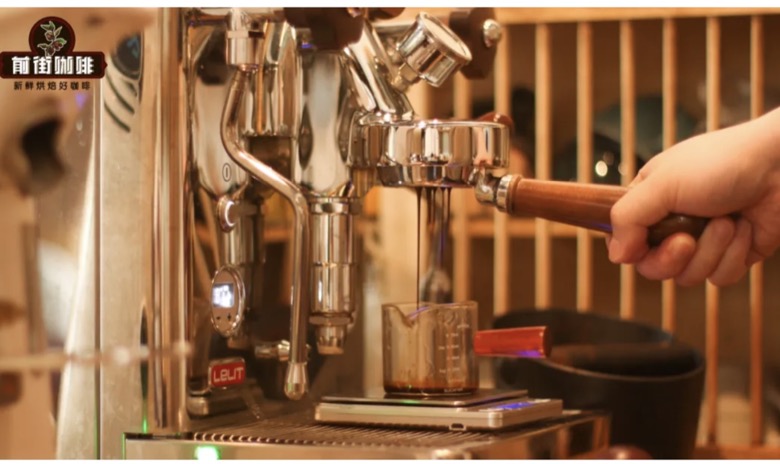
When preparing to open a coffee shop, the most uncertain thing is often not the machine, but the bag of Italian beans that need to be ground every day. Whether the beans are right or not directly determines whether the product is stable and whether customers will come back. The matter of finalizing the product can actually be broken down into several steps. Once the thinking is clear, selecting beans is no longer a matter of patting your head.
Read more →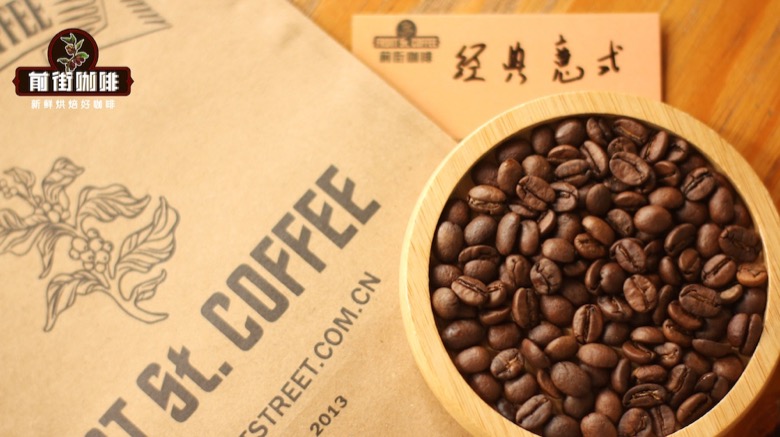
When you open the coffee bean purchase page, you will always get stuck on the words "single product" and "blending". They all look like coffee beans, so what’s the difference? In fact, it’s very simple: Single-origin beans taste the character of a place of origin, while blended beans taste a stable balance. Understand the logic of these two routes. Choosing daily rations of beans will not
Read more →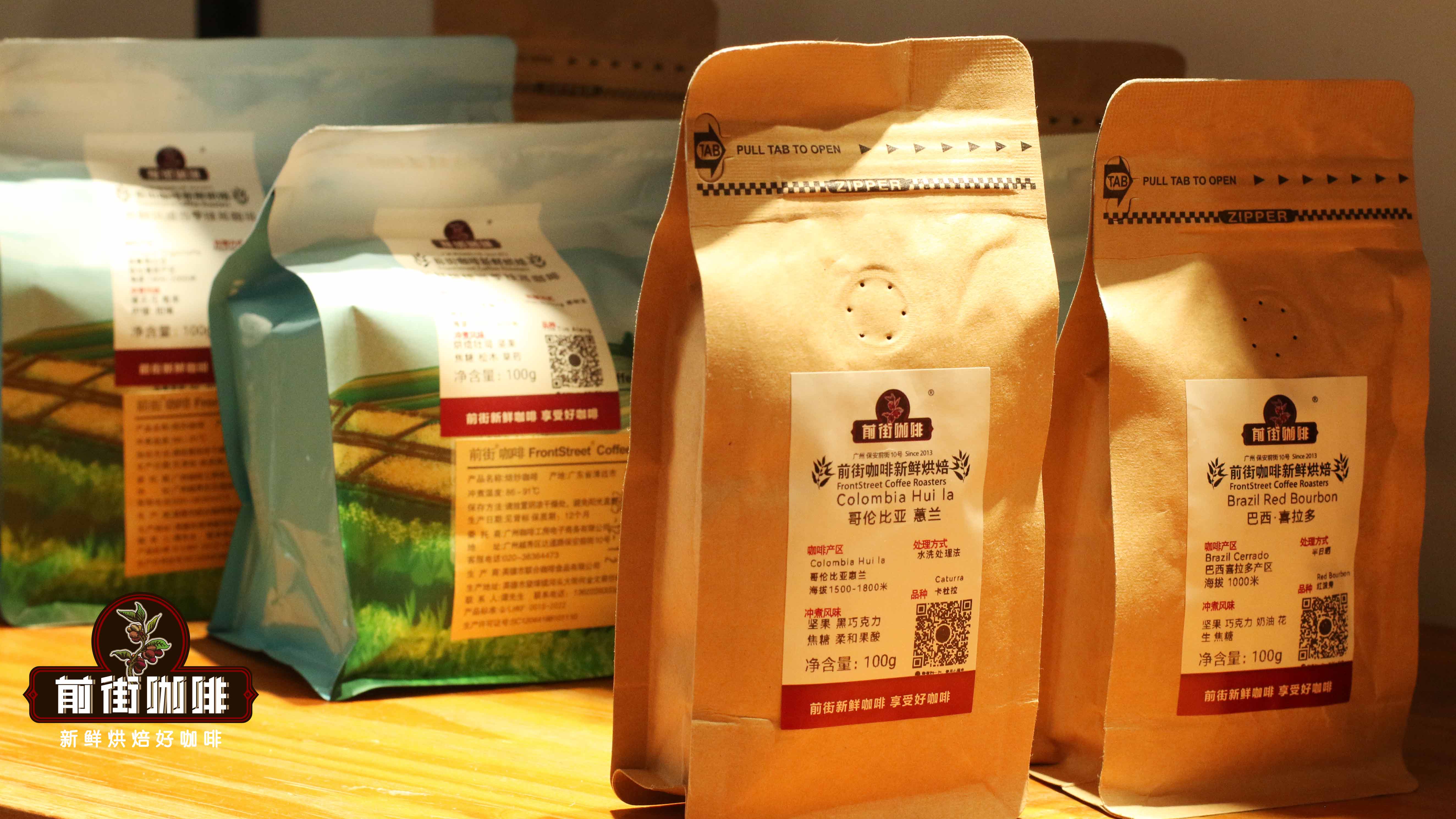
The style of Colombian coffee is sometimes fresh and natural, with a fruity flavor, and sometimes it is mellow and balanced, with a chocolate aftertaste. It is the type of coffee that many people like. The diversity of styles is the biggest feature of Colombian coffee, so it can not only be used as a hand-brewed single product, but also can be used in espresso machines to make beautiful
Read more →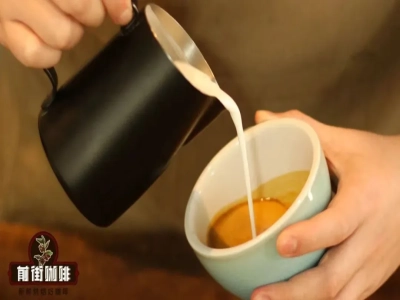
The Front Street Italian blended coffee beans used in the coffee shop are to increase the richness and harmony of the taste, and also for cost considerations, while achieving the effect of being delicious, stable and inexpensive. Since it is a blend, it naturally refers to the blending of two or more raw beans, but a special example is that beans with different roasting levels can also be blended.
Read more →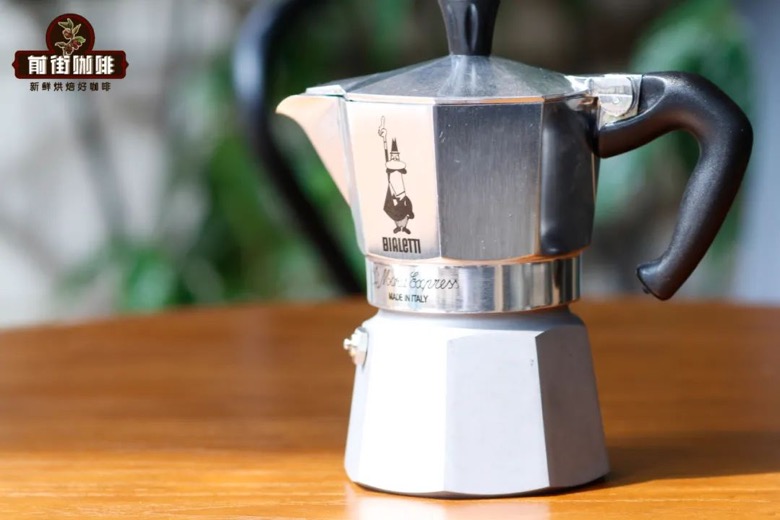
The Moka pot looks like just a small kitchen appliance, but in fact it is a small pressure extraction device: the water tank at the bottom is heated to generate steam, and the pressure pushes the hot water through the powder layer, and espresso coffee pours out from the upper pot. This principle determines the extraction characteristics of the Moka pot, and also determines the three things that cannot be avoided when selecting beans: pressure, temperature and time.
Read more →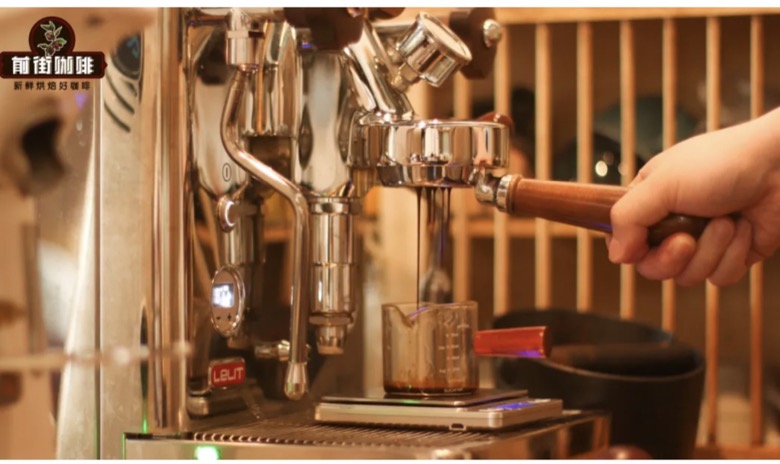
De'Longhi is a popular brand among household semi-automatic and fully-automatic espresso machines. Many families first think of De'Longhi when purchasing a coffee machine. The characteristics of Delonghi machine are that it has a pre-soaking function and the temperature control is relatively stable, but the pressure and water discharge accuracy are not as good as commercial machines. When selecting beans, grasp the balance between oil and taste, and the Delonghi machine can also produce good taste
Read more →
The charm of cold brew coffee lies in the soft taste brought by low-temperature and slow brewing. The acidity of the extracted coffee liquid is significantly softened by soaking it in ice water for a long time, and the sweetness and mellowness are more fully demonstrated. Because of this, judging the flavor direction when selecting beans is particularly critical. A good cold brew often starts with picking the right beans.
Read more →
When you reach a certain stage of home semi-automatic play, you will all encounter the same problem: How to prepare beans? If you only stock up on one type, you’ll be afraid of getting tired of it, and if you buy too many, you’ll be afraid that it won’t be fresh. The answer is to plan the bean cabinet according to a two-layer structure - the daily ration layer and the weekend exploration layer. Each of the two layers has its own bean selection logic. The requirements for daily rations are stability, balance, and cost-effectiveness.
Read more →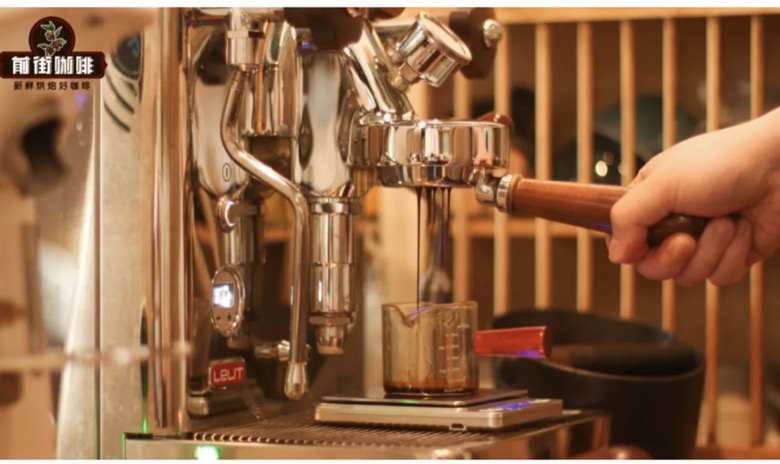
Everyone who opens a store knows that during the dozens of minutes during the noon peak and evening peak, the speed of cup dispensing is the turnover. However, many store owners only look at the flavor description when selecting beans, forgetting that the beans themselves will also affect the production rhythm. The powder cake is loose and the oil is sometimes too much or too little. The barista has to go back and forth between pressing the powder and extracting it, which can take more than ten seconds per order.
Read more →
The golden brown layer of oil on the espresso is the starting point for many people to fall in love with Italian coffee. It is not something extra, but the result of the combined action of carbon dioxide and lipids in the coffee beans during high-pressure extraction. The higher the fat content of the beans themselves and the looser the structure after roasting, the more gas and oil they can release.
Read more →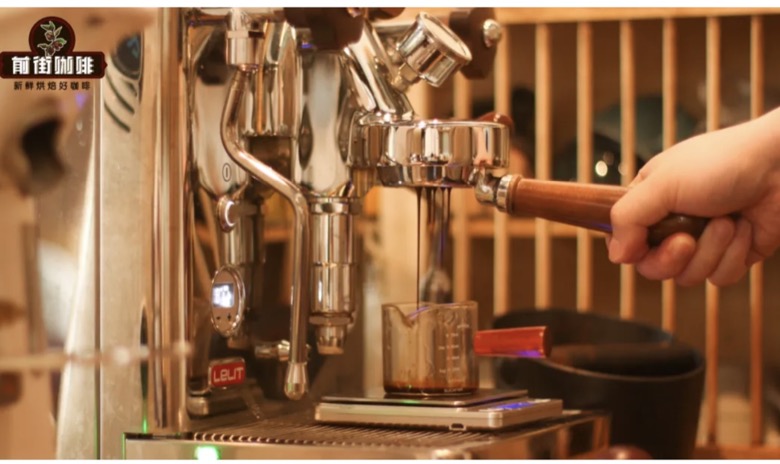
When opening a cafe, the menu can be ever-changing, but the bag of Italian beans consumed every day at the bar is the key to determining daily production and cost accounts. New shop owners often struggle with flavor and personality when choosing beans, but the core appeal of commercial beans is actually that every cup tastes equally good, and the cost of each cup is accounted for. around these two points
Read more →
If there are any unavoidable names in the Ethiopian specialty coffee scene in recent years, then Front Street believes that Alo Coffee’s Tamiru and Elto Coffee’s Eliyas Dukamo must be among them. Whether in international competitions
Read more →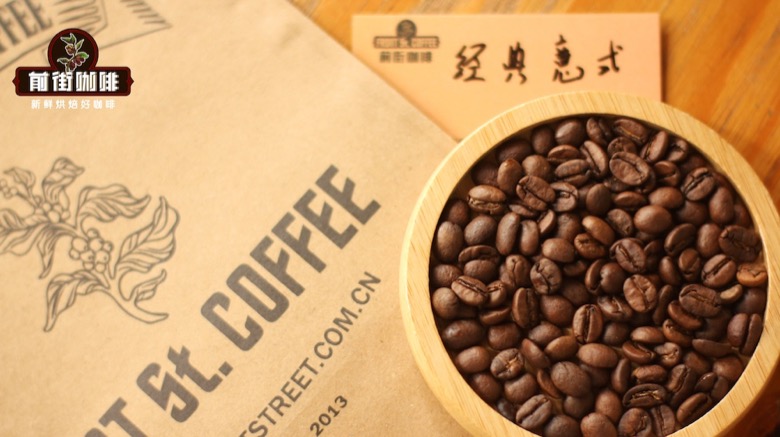
When opening a coffee shop, the choice of Italian blended beans directly determines the basic dish. A cup of latte, a cup of Americano, all rely on this bag of beans. Selecting beans for commercial use is completely different from that for home use. It’s not just about what you think tastes good. You also have to consider the three dimensions of oil performance, cost control and product stability. Italian blended beans
Read more →
Different appliances have different requirements for the same bean: a hand brewer focuses on whether the aroma is clear, an Italian machine focuses on concentration and sweetness, and a Moka pot's pressure, firepower, and powder layer must be coordinated. It is easy to go astray when selecting beans without the equipment, and the parameters need to be adjusted as the degree of roasting changes. In the Italian framework, powder volume, grinding degree, liquid weight and time
Read more →Be the first to know about new bean releases, brewing tips, promotions and cupping notes

Scan to Follow Front Street Coffee on WeChat
