FrontStreet Coffee found the following content related to "asia new guinea" for you
Is single-origin coffee bad because it’s a little sour? Why does single-origin coffee taste sour? Where does the sourness of this item come from? 1. The source of sourness: coffee cherry. I think many people don’t know that coffee originally looks like this, just like cherries, with a shiny feeling.
Read more →
People who buy hand-brewed coffee beans for the first time often face a difficult choice: buy sour ones or non-sour ones? In fact, there is no standard answer to this question. The most interesting thing about hand-brewed coffee is that different beans can present completely different styles. Some people love the bright and bouncy fragrance of flowers and fruits, while some people love the warmth and solidity of the mellow style.
Read more →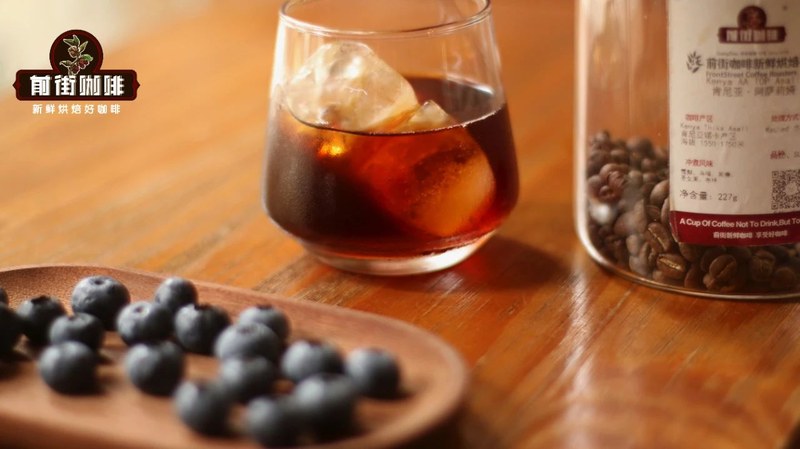
The coffee produced by the Moka pot has high concentration and concentrated aroma, and often has an obvious roasting feeling in the mouth. When choosing beans, you don’t need to chase complicated production areas first. First, think about when you will drink this pot of coffee: drink it directly in the morning, add milk at breakfast, or drink it slowly in the afternoon with ice. Once the scene is determined, flavor selection becomes much easier.
Read more →
For more knowledge about specialty coffee, please follow the WeChat public account: FrontStreet Coffee. If you look at the coffee map of Ethiopia, you will see many coffees from specialty coffee producing areas such as Yirgacheffe, Sidamo, and Guji appearing in the public eye.
Read more →
The flavor of milk coffee is 70% coffee and 30% milk. If the concentration is too light, the milk coffee will easily turn into a "milk-flavored drink"; if the concentration is too exciting, the milky flavor will be suppressed. So when making latte, cappuccino, or dirty, choosing the right bean blend is crucial. The following three Front Street blended beans are all suitable for breast milk
Read more →
Earlier, Front Street wrote an article on "What will happen if I use light-roasted coffee beans to make espresso?" The article mainly wrote about Front Street using several types of light-roasted coffee beans to make espresso and testing its feasibility. This article makes some new additions to this article and shares some tips on making espresso coffee.
Read more →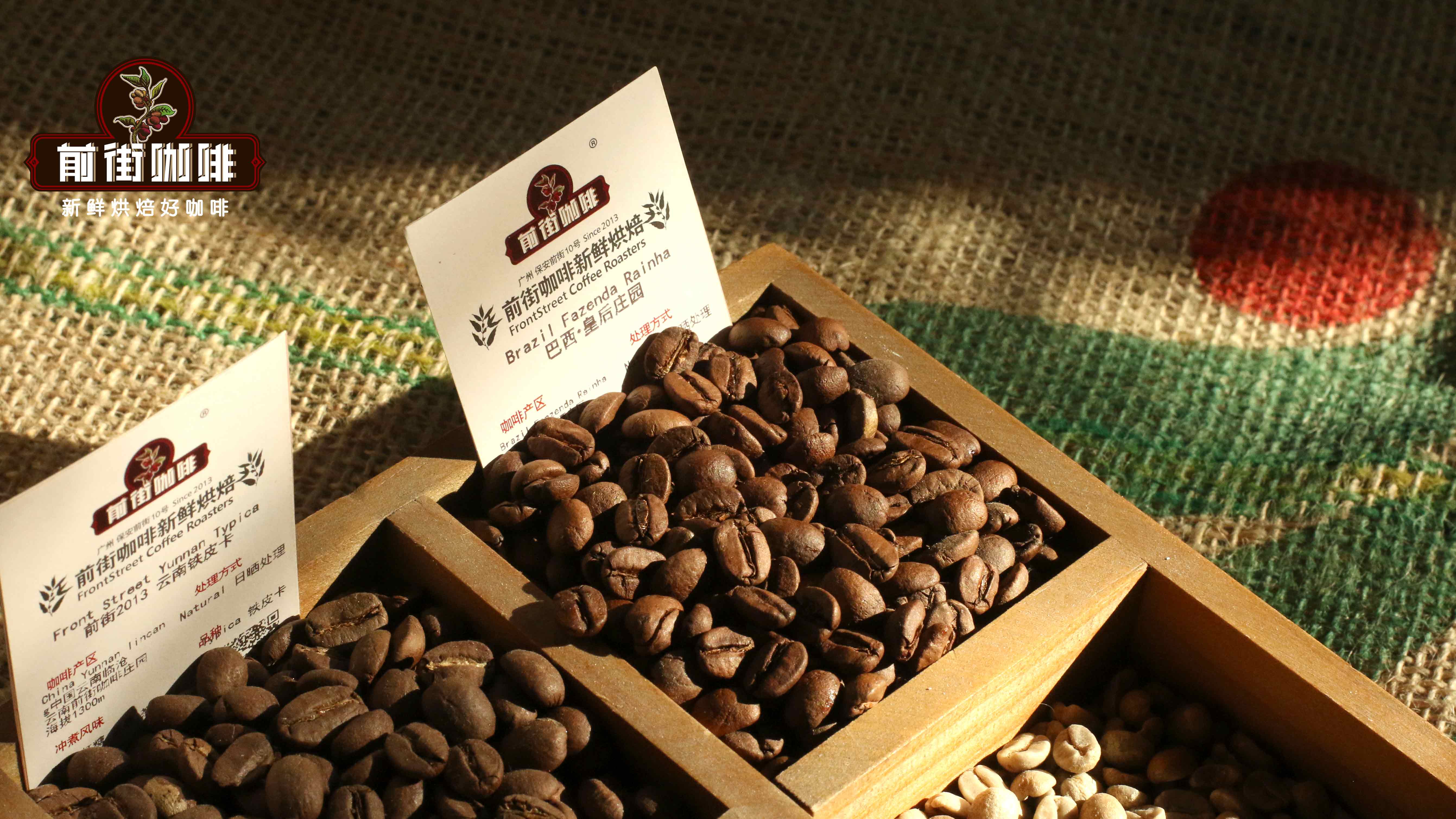
There are many varieties of coffee and many flavors. For some coffee novices, they don’t know how to choose. Today Front Street will recommend some coffee beans that are not sour. 1. Front Street Brazilian Queen Manor Coffee The variety of Qian Street Queen Manor coffee beans is the rare local yellow bourbon. Due to the yellow bourbon at high altitude,
Read more →
Front Street Panama Butterfly Coffee Bean Production Area: Poquet, Panama Altitude: 1600m Varieties: Geisha, Kaduai, Kadura Processing Method: Washed Flavor: White floral, citrus, berry, tea flavor Recommendation reason: It tastes like floral fruit tea, with a refreshing taste, suitable for hand brewing, cold brewing and making ice coffee Front Street Indonesia PWN
Read more →
Since the Dutch started coffee cultivation in Indonesia in the 17th century, to this day, Indonesian coffee plays an important role in the world. But if you want to say which specialty coffee is the most famous in Indonesia, I believe many people will think of Sumatra Mandheling. So what is Mandheling? Does it taste good? How to choose sex
Read more →
Friends who drink coffee from a Moka pot will most likely struggle with one question: How to choose beans that are not sour? After all, the coffee brewed by the Moka pot has a high concentration, and the sour taste is obvious once it comes out. The good news is that as long as you focus on the following directions: "mellow, low acid, and rich in fat", there are good choices from entry to advanced.
Read more →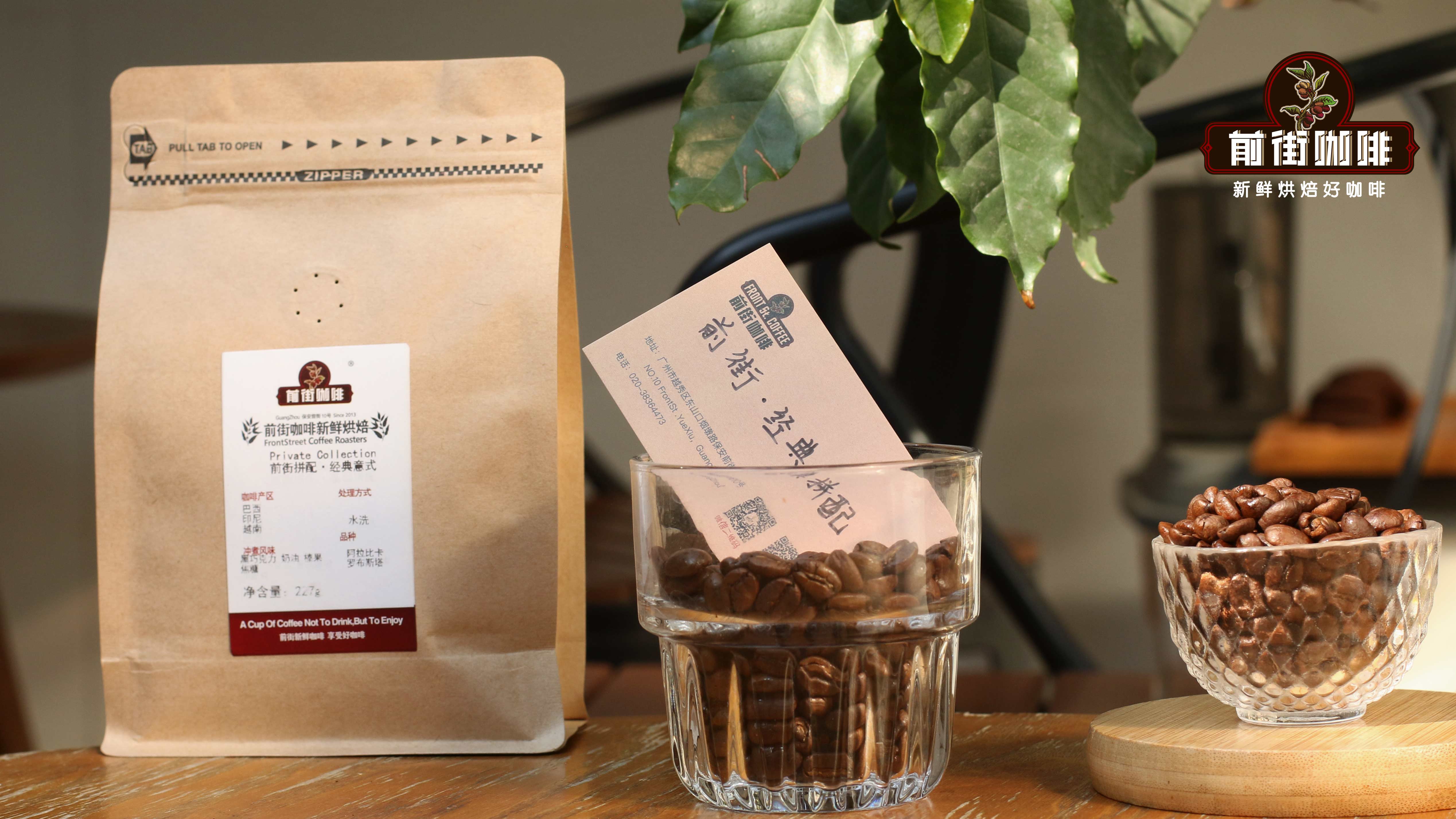
The Moka Pot was invented by Luigi di Ponti in 1933 and was inspired by the concept of early washing machines. In the past, washing machines had a heat source that could heat the soapy water in the barrel, causing the soapy water to rise through the tubes and clean the dirty clothes. Therefore, the Moka pot also relied on this principle.
Read more →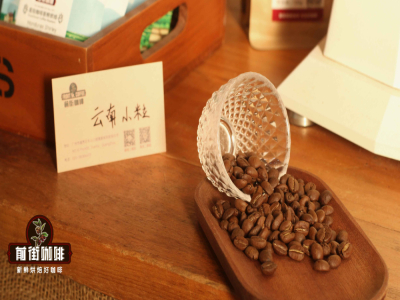
Coffee beans are mainly divided into three major varieties: small-grain Arabica coffee, medium-grain Robusta coffee, and large-grain Liberica coffee. However, the most common types of coffee are Arabica and Robusta. The Arabica variety of coffee is mostly specialty coffee, and the environment in which it is grown is
Read more →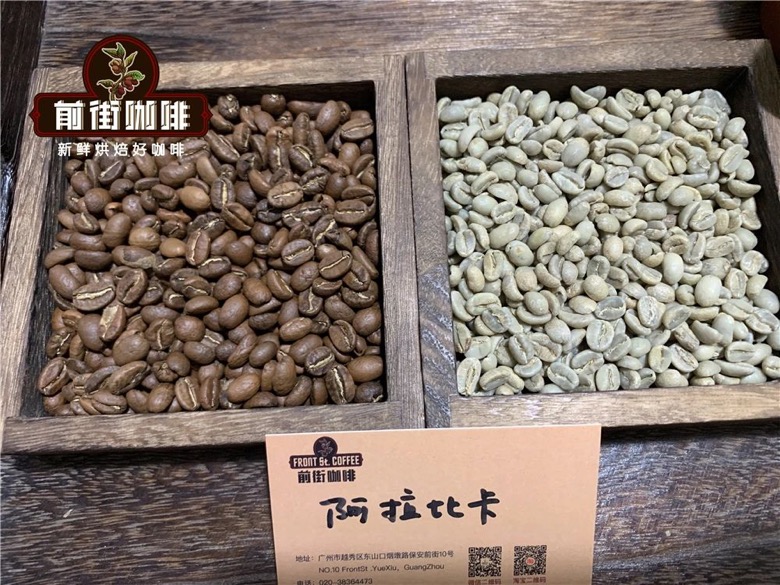
Arabica is the main variety of specialty coffee. You can use it to make Italian style through blending and SOE. Both roads have their own characteristics and are suitable for different drinking needs. It will be easier to choose after clarifying your thoughts. The blending route focuses on stability and balance. Arabica beans from different producing areas are blended in proportion to complement each other in flavor and produce
Read more →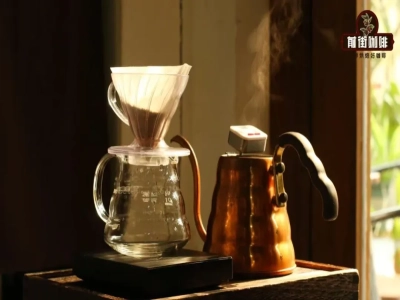
Hand-brewed coffee is another interpretation of coffee, a gentle extraction of coffee. The beauty is that the whole process is engaging and focused. You can ignore the chaos around you and get a moment of peace. No matter what kind of hand brewing method, there is a theory and meaning, but there is only one purpose and principle: to better release the coffee.
Read more →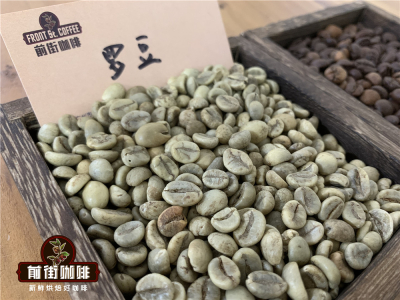
Coffee beans are divided into three major categories: Arabica, Robusta, and Liberica. Because the two types of coffee beans currently circulating on the market are Arabica and Robusta, a friend sent a private message to ask what these two coffee beans have.
Read more →
For those who like a mellow taste and beautiful oils, you only need to focus on two variables when choosing beans: bean type and roasting degree. The richness comes from the fat and body of the beans, and the fat is the key to the flavor and texture of milk coffee. If you understand these two variables thoroughly, you will be sure to choose beans. Let’s look at the bean seeds first. Fatty beans, usually
Read more →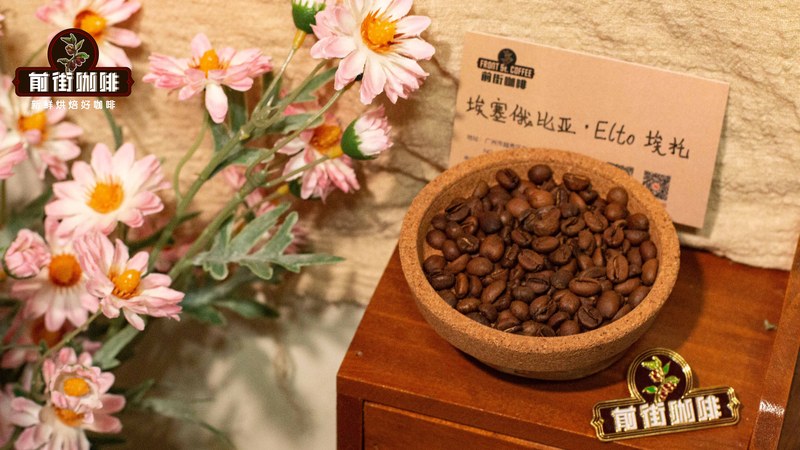
If you want to use a Moka pot to bring out the cocoa flavor, you can focus on the chocolate-like aroma, rounded sweetness and moderate thickness when choosing beans. It does not emphasize clear acidity like hand brewing, nor does it have to pursue the strong impact of espresso. Instead, it gives the coffee liquid a flavor of nuts, caramel or dark chocolate, which is suitable for drinking slowly and conveniently.
Read more →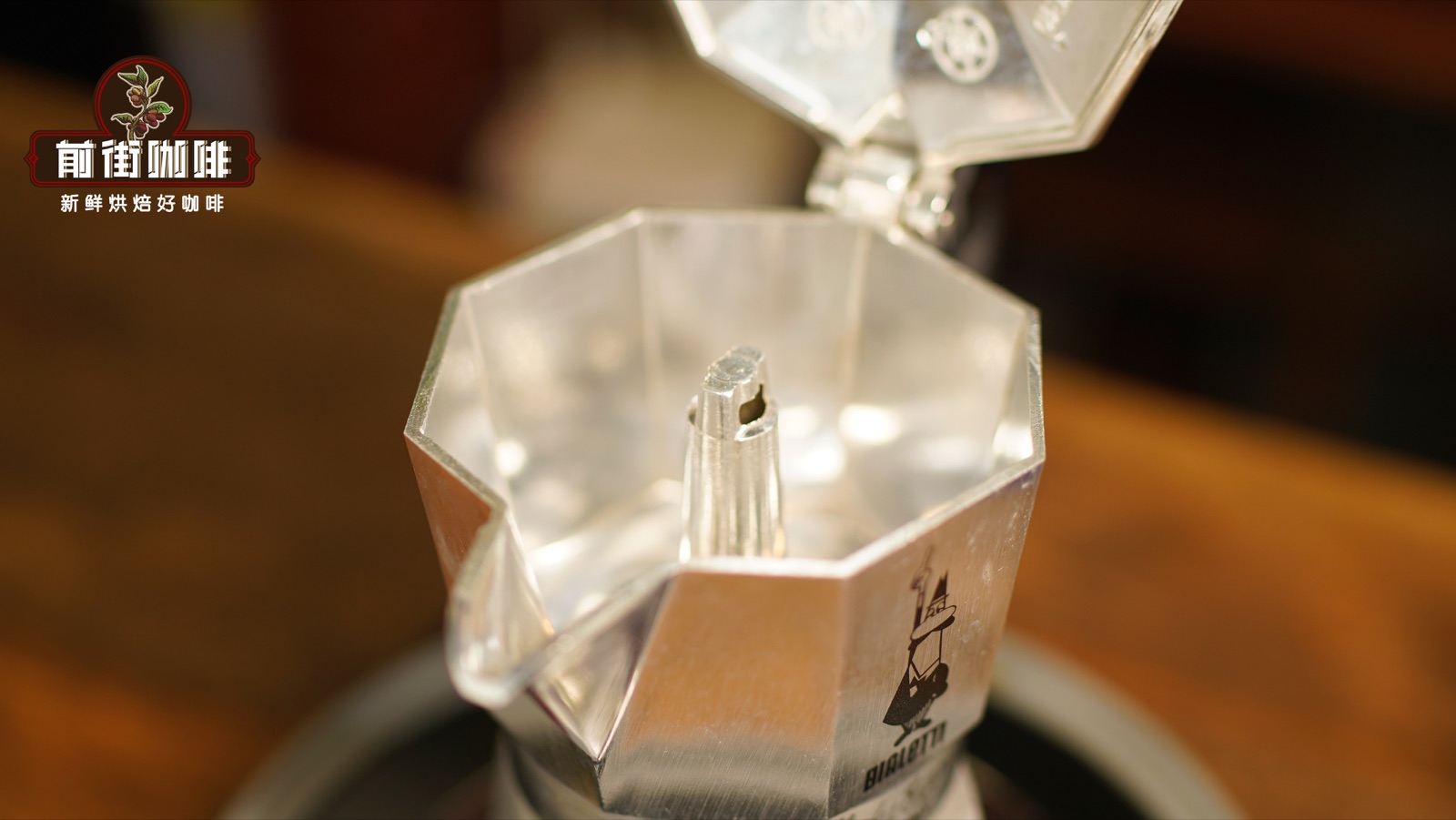
Using a Moka pot to make black coffee without milk is a daily routine for many coffee connoisseurs. But it is also a "black coffee". If you take the blending route and the single product route, you will get two completely different experiences. This article explains the bean selection logic of the two routes thoroughly. Route One: Blend Beans - Made for Pressure Extraction. Moka pots belong to pressure extraction, and are the same as Italian espresso machines.
Read more →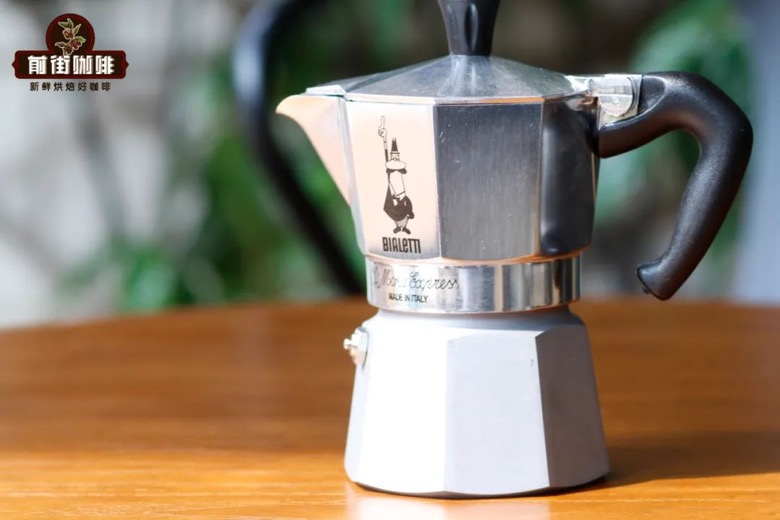
The Moka pot is a common coffee appliance in many people's homes. It is easy to operate and produces a rich cup. But many people are not sure what beans to use in a Moka pot. In fact, according to the flavor direction, the beans used in Moka pots are mainly divided into two categories: classic and mellow and fruity and fresh, each with its own suitable scene. The classic and mellow direction is mainly blended beans, especially mamba.
Read more →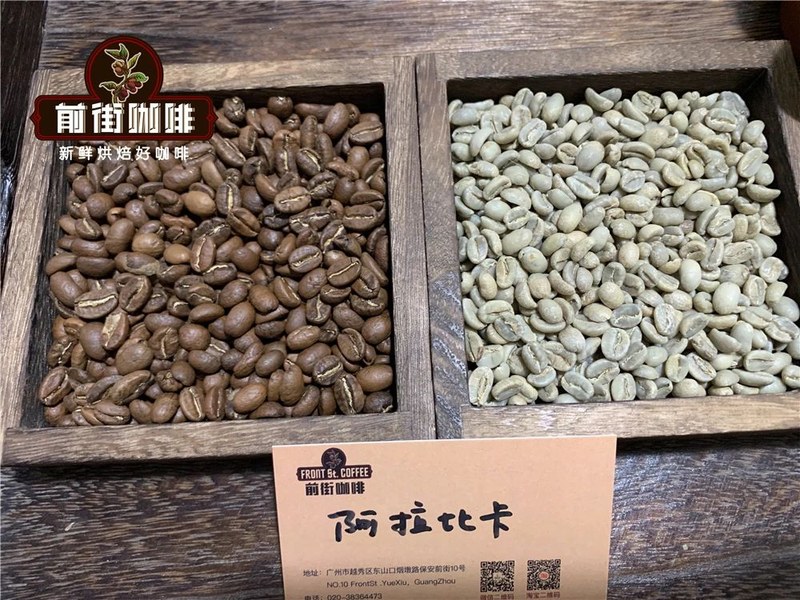
If you want to drink a cup of black coffee with dense foam in the morning, the Moka pot can concentrate the oil, aroma and concentration of the coffee beans into the cup. The liquid it produces is thicker than hand-brewed, with a layer of light brown foam on the surface and a flavor of cocoa, nuts or caramel in the mouth. If you usually prefer a rich taste, choosing dark roasted or dark roasted beans will be more satisfying.
Read more →Be the first to know about new bean releases, brewing tips, promotions and cupping notes

Scan to Follow Front Street Coffee on WeChat
