FrontStreet Coffee found the following content related to "acid" for you
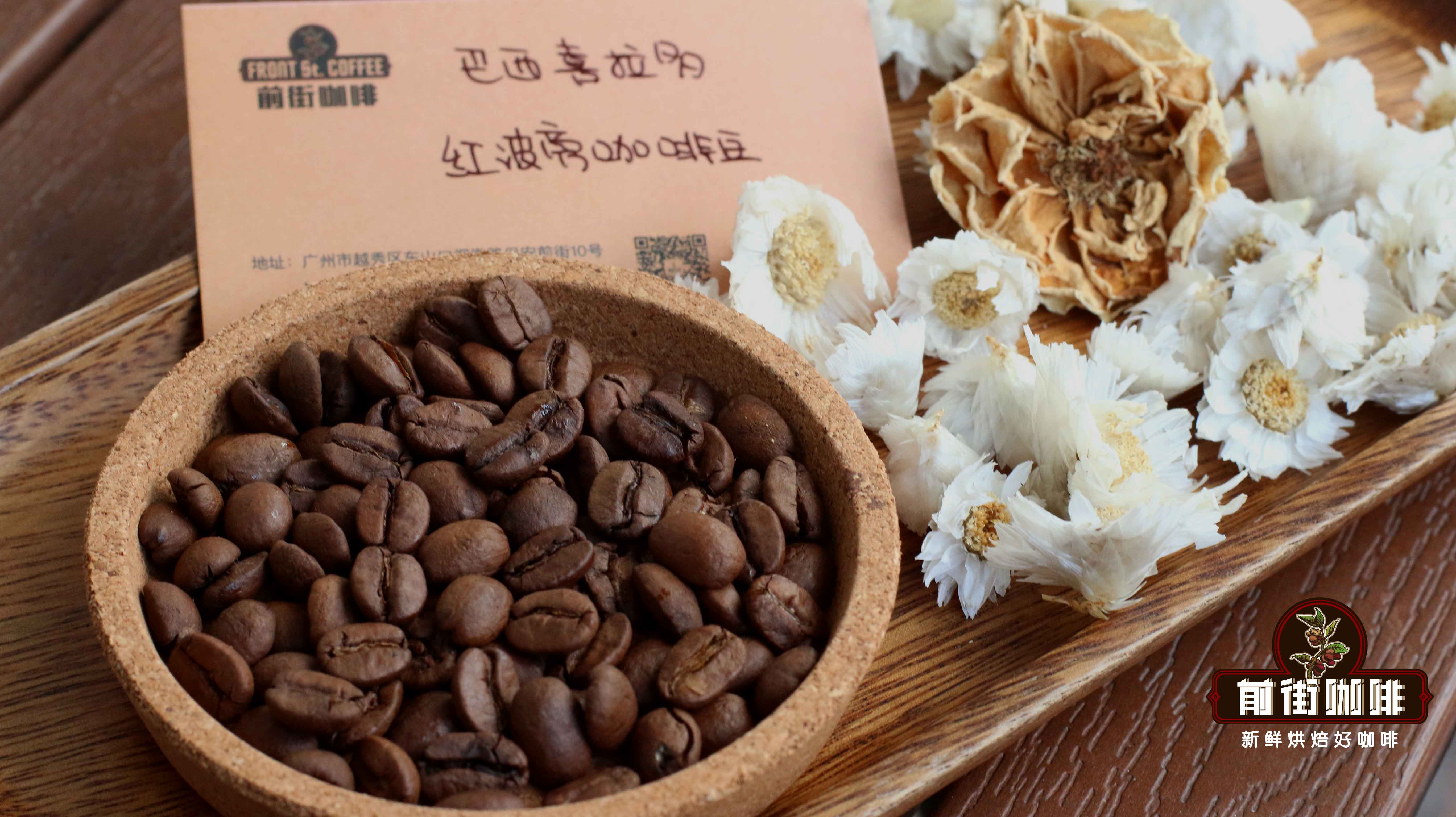
In the map of coffee origins, Brazil is an unavoidable page. It is not only an important coffee-producing country, but also a frequent visitor in Italian blends. The general characteristics of Brazilian beans are nutty and chocolate flavor, low acidity, and balanced taste. It is smooth to drink and not picky, so it has become the basis of many milk coffees and daily rations. This is it
Read more →
The charm of cold brew coffee lies in the smooth taste brought by low-temperature and slow brewing, and choosing the right beans is the starting point for making a good cup of cold brew. Cold brewing uses cold water to soak coffee powder for 12 to 24 hours. The release of aromatic substances is slow in a low-temperature environment, and the amount of bitterness and acidity is also reduced accordingly. The extracted coffee liquid is overall sweeter and more acidic.
Read more →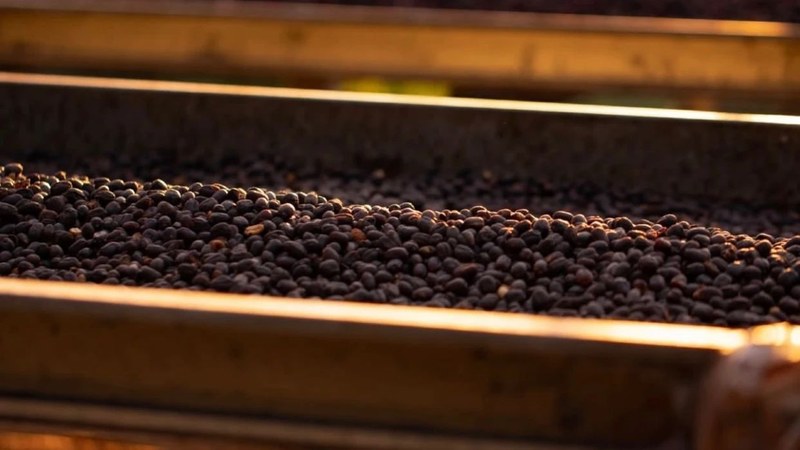
Speaking of Yirgacheffe with a mild acidity, let’s first look at how to drink it every day. Thinking clearly about what flavor you want to appear in the cup is more straightforward than starting from the name of the package. If you mainly drink black coffee, you can pay more attention to the aroma and aftertaste; if you often add milk, you have to consider whether the concentration and body can be retained, which will directly affect
Read more →
The charm of cold brew coffee lies in the soft taste brought by low-temperature and slow brewing. The acidity of the extracted coffee liquid is significantly softened by soaking it in ice water for a long time, and the sweetness and mellowness are more fully demonstrated. Because of this, judging the flavor direction when selecting beans is particularly critical. A good cold brew often starts with picking the right beans.
Read more →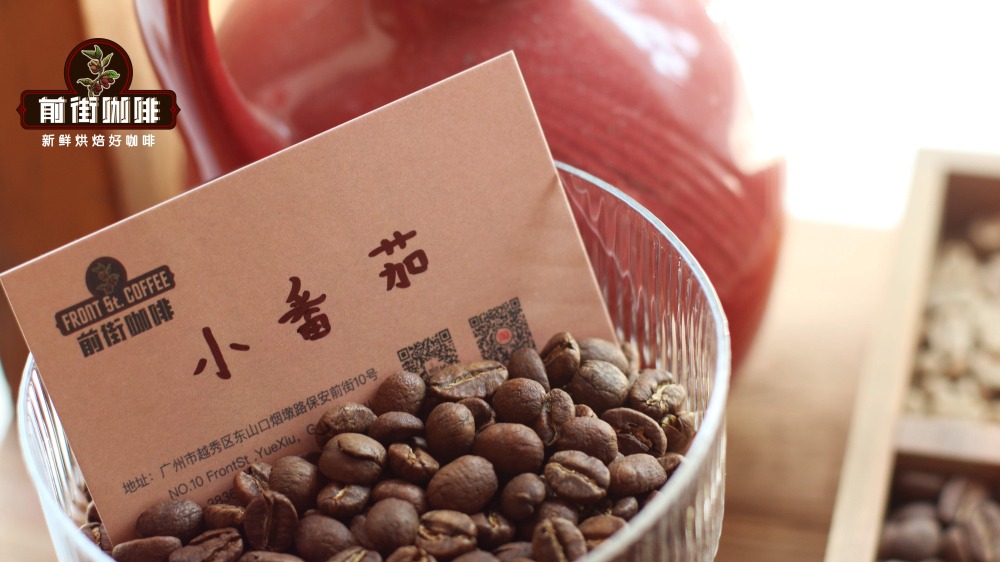
Kenyan coffee has a resounding label in the specialty circle: "beautifully sour". Front Street Kenyan cherry tomatoes take this beautiful acidity to the extreme - the sour aroma of cherry tomatoes and ebony plums, coupled with the full sense of juice, is recognized by lovers of bright acidity as a favorite. A highly recognizable Kenyan Bean Street Kenny
Read more →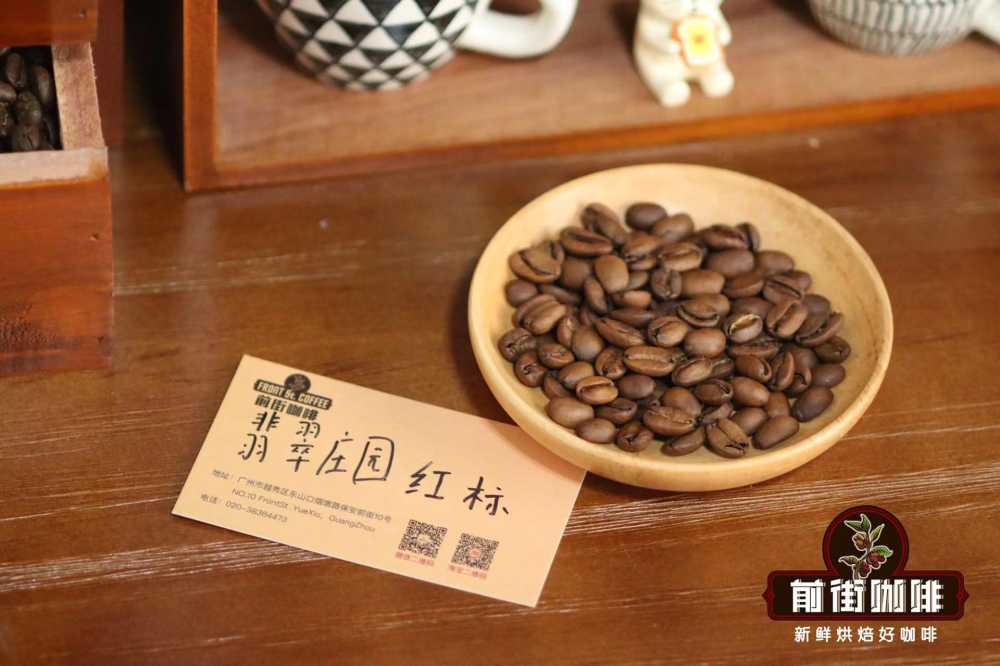
Communication with professional baristas Please pay attention to FrontStreet Coffee. Many friends have asked the baristas on Front Street: "Can you really drink so many flavors from beans? How do you drink them?" First of all, this is a question about personal senses. Everyone grows up.
Read more →
Not all coffee lovers like acidity. Some people have been drinking specialty coffee for several years, and finally return to a cup of mellow, warm, and non-irritating hand-brewed coffee. This style of beans is usually dominated by nuts, cocoa, caramel, dark chocolate, herbs and even a touch of earthy flavor. It has a smooth entrance and a long aftertaste.
Read more →
Is it better to roast Gesha coffee beans lightly or darkly? The flavor description has been introduced. CUPPING 10-10-11 Appliance: Hario V60 hand dripper. Medium grinding (fine). Because the roasting is relatively shallow, I hope that the grinding will be finer to reduce the acidity. Water temperature: 91 degrees Celsius, good wet fragrance
Read more →
Ice drinks are something that is hard to give up in summer, and hand-brewed coffee is no exception. In the eyes of most of us, the requirements for a delicious cup of iced brew are actually not very high. It just needs to be cold enough without losing the proper coffee flavor. But if you want iced coffee to have a sweet and sour taste like juice, first
Read more →
Recently, more and more friends have begun to buy hanging ear coffee, not only because hanging ear coffee is convenient and portable, but also because it can produce a cup of relatively high-quality coffee. The most important thing is that a pack of hanging ear coffee is much cheaper than buying a cup of coffee from outside. This has attracted many friends who have never been exposed to coffee making.
Read more →
Africa is the hometown of coffee and an important center for fruit-acid flavored coffee. Among the many African growing regions, Yirgacheffe and Kenya are undoubtedly the two shining stars - both are known for their bright fruit acids, but their styles are completely different. Many coffee lovers are torn between these two beans, so today I will put them together.
Read more →
Hand-brewed coffee does not necessarily have to go the bright acid route. If you prefer a smooth, thick cup with a nutty and cocoa flavor, you can start with beans that are medium to medium-dark roasted, and then choose according to the scene such as morning, work break, weekend slow drinking or adding milk. The coffee selected in this way will have a flavor closer to daily life and will also
Read more →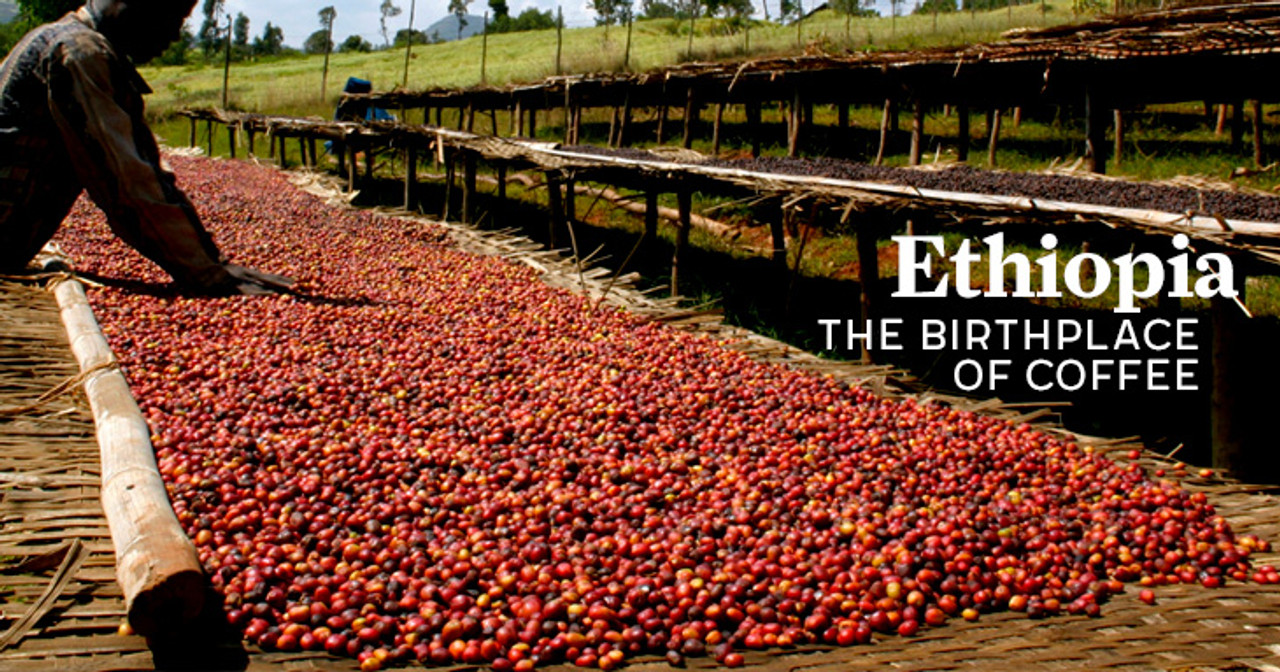
Many people’s single-origin coffee journey starts with a cup of Yirgacheffe. It is not as sharply sour as some African beans, nor as directly bitter as dark roasted beans. Instead, it combines the floral and fruity aroma with the soft sweet and sourness, making people understand that "coffee can be like this" the first time they drink it. This article will talk about Yirgacheffe
Read more →
The acidity of SOE American style will show different aspects due to different brewing methods. Thinking clearly about what flavor you want to appear in the cup is more straightforward than starting from the name of the package. Hand brewing is easy to develop the aroma, coffee machine emphasizes concentration, and Moka pot amplifies mellowness. When choosing beans, you should first determine which method you usually use.
Read more →
If you want to drink Yirgacheffe, but prefer a round, soft and less sour taste, you can put the "acidity" back into the specific drinking method to judge. Yirgacheffe often has floral, citrus or berry tones, but through medium-dark roasting, higher sweetness and thicker taste, it can also show a milder and smoother side. The key is to choose the right wind.
Read more →
The turning point for many people to fall in love with coffee is when they drink a cup of "American juice like juice" one day - no burnt bitterness, no smoke, and bright fruity acidity and floral aroma in the mouth. This turning point is not luck, but an advanced path that can be actively trained. This article explains clearly the sensory logic and training methods of floral and fruity American style.
Read more →
To be honest, Front Street really likes Kenyan coffee. If you are a friend who often visits the Front Street store to drink coffee, it will not be difficult to find that among the many samples shared by Front Street, Kenya has a very high appearance rate. As for why I like it so much, Front Street believes that many fans agree on this point. because willing
Read more →
The charm of low-acid dark roasted coffee beans is that they are less sharp in the mouth and have more aromas of roasted nuts, cocoa, caramel or dark chocolate. Put it into different life segments, and the way you drink it can also change accordingly: Refreshing black coffee is suitable for mornings, milk is suitable for breakfast, richness is sought when you are busy, and a small cup can be used after meals.
Read more →
Hand-brewed coffee does not necessarily have obvious acidity. Nuts, cocoa, caramel and soft sweetness can also support a cup of long-lasting black coffee. If you prefer a round, smooth taste with a less sharp finish, you can start with medium to medium-dark roasted beans, and then make arrangements based on your state after waking up, during work breaks, or for slow drinking on weekends.
Read more →
Ethiopia and Kenya, the famous coffee bean producing countries in Africa, are well-known in the specialty coffee industry. The coffee flavor in both production areas is mainly acidic, but the difference is that the coffee flavor in Ethiopia is bright and rising acidity, with a clean and refreshing taste; while the coffee flavor in Kenya is berry fruit.
Read more →Be the first to know about new bean releases, brewing tips, promotions and cupping notes

Scan to Follow Front Street Coffee on WeChat
