FrontStreet Coffee found the following content related to "Nordic roasting" for you
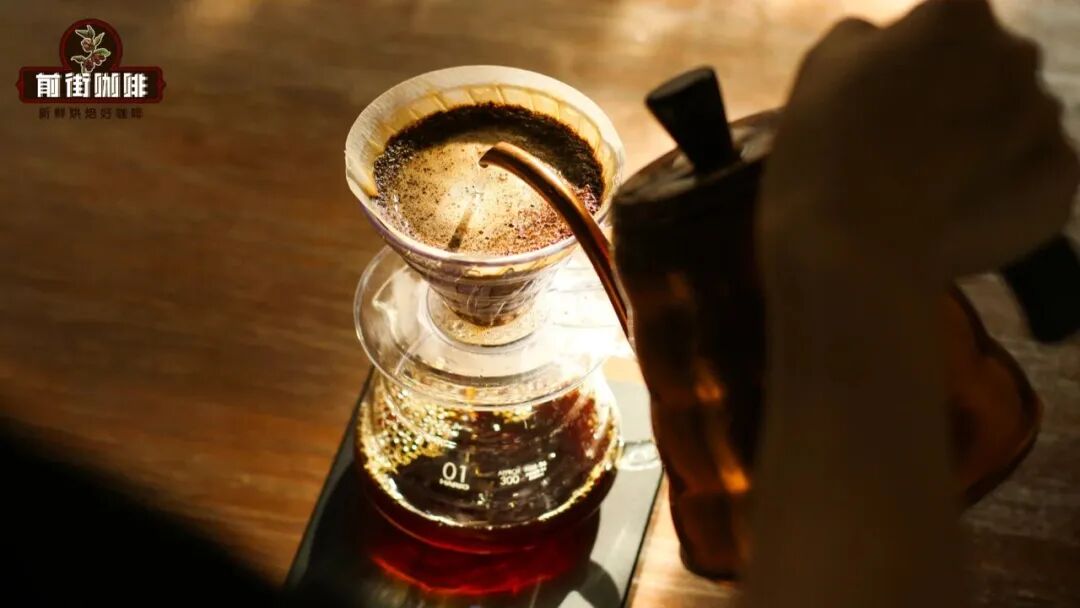
The taste of a cup of coffee is created by many factors, from the origin, variety and processing method, to roasting, and finally brewing. Each factor plays an important role in its own right, but they are also closely linked. The lack of any one of them will affect the final performance of the coffee. For roasting degree, it first determines the sourness and bitterness of coffee.
Read more →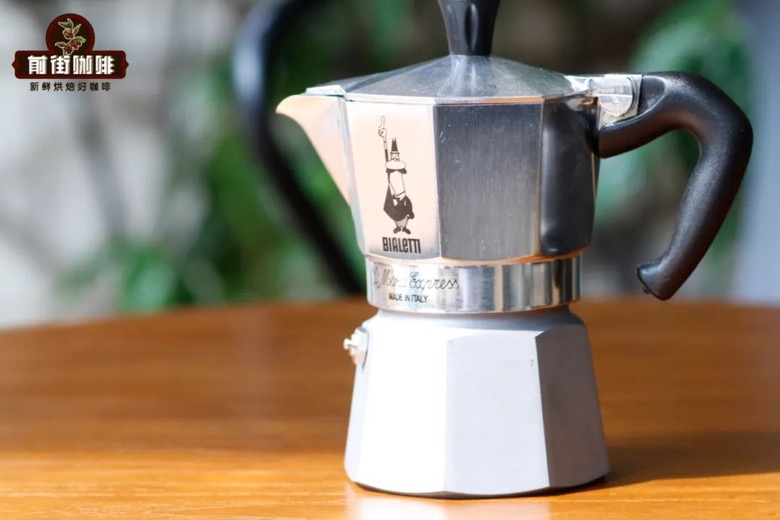
The Moka pot generates steam pressure through heating, pushing hot water through the layer of coffee grounds to complete extraction. In this process, the water temperature is higher and the contact time is concentrated, so the substances in the coffee powder will be quickly dissolved. Under such extraction conditions, roasting degree becomes the key variable that determines the direction of a cup of Moka pot coffee. Lightly roasted beans in moka pot
Read more →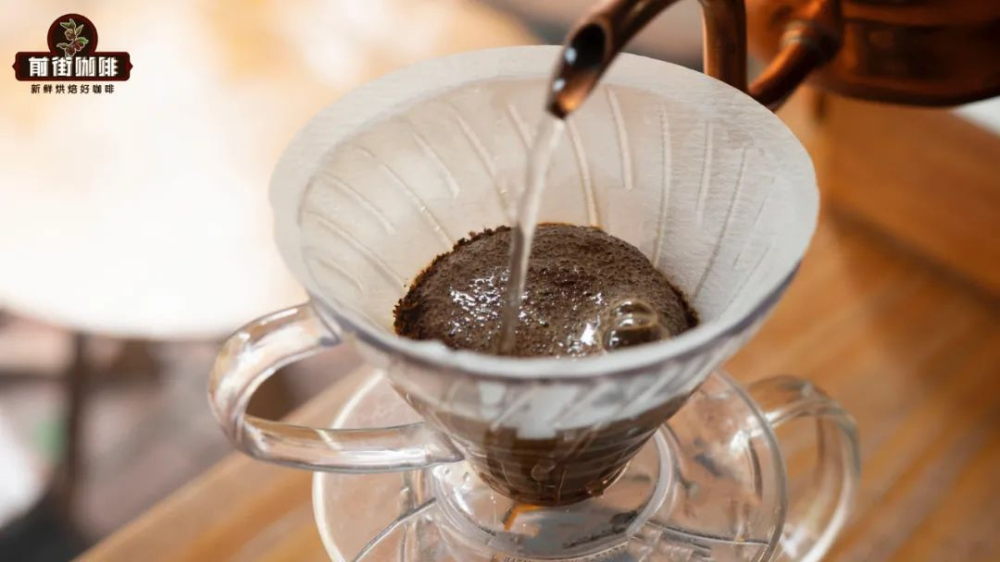
In the article about flavor description shared with everyone yesterday, the "body" section aroused the response of many coffee lovers. A friend asked him in the background that the dark roasted coffee he brewed has a thin taste. Is there any way to improve the body of the coffee? Let’s refresh our knowledge: body refers to the concentration of coffee liquid in the mouth.
Read more →
For hand brewers, the first thing to consider is the degree of roasting of the coffee beans before formulating a brewing plan. The coffee extraction performance under different roasting degrees is different. Lightly roasted beans are very popular among coffee lovers because they are lightly roasted and retain more floral and fruity aromas. So which coffee beans are lightly roasted? now
Read more →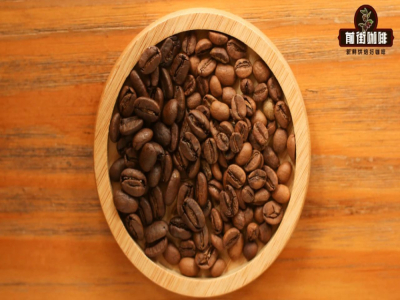
I believe everyone knows that in order to effectively release the flavor and aroma of coffee beans, they must be roasted at high temperatures, and the roasting degree suitable for the coffee must be selected based on the characteristics of the green beans. Sometimes even the same beans may produce completely different coffee flavors due to differences in the degree of roasting. Worth noting
Read more →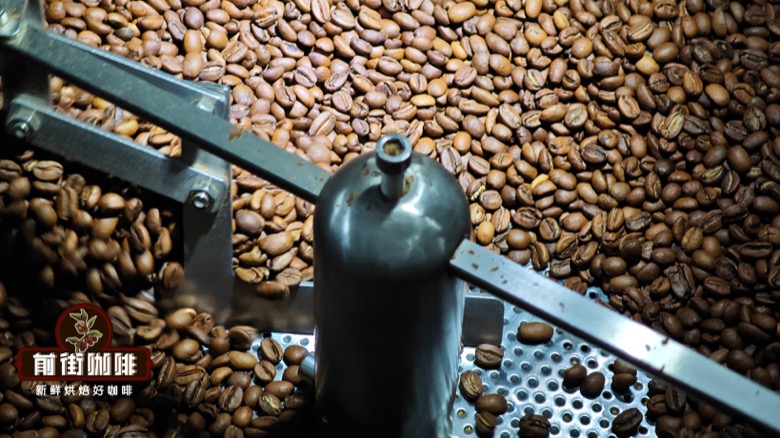
The core charm of darkly roasted coffee beans lies in the rich touch and the balance between bitter and sweet. When roasting enters the second explosion stage, the caramelization reaction inside the bean body continues to deepen, and a large amount of sugar substances are converted into dark caramel and flavor substances, bringing significant sweetness and thick texture. At the same time, organic acids process at high temperatures
Read more →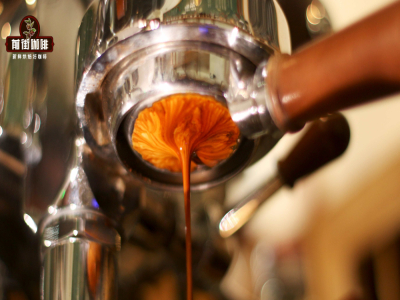
Earlier, Front Street wrote an article on "What will happen if I use light-roasted coffee beans to make espresso?" The article mainly wrote about Front Street using several types of light-roasted coffee beans to make espresso and testing its feasibility. This article makes some new additions to this article and shares some tips on making espresso coffee.
Read more →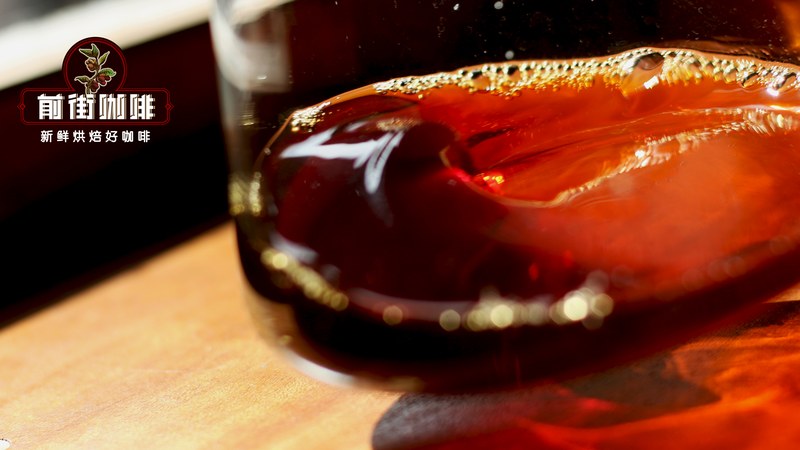
There’s no fixed answer to Italian beans, it just depends on which cup it ends up in. Drink the concentrate alone, mix it with water to make an American style, or add milk to make a latte. The concentration and flavor received by your tongue are all different. Dark roasting usually brings more obvious roast aroma, cocoa feeling and thick taste, while medium and dark roasting retains more bright aroma and fruit acid.
Read more →
If you were born before the turn of the millennium, your first impression of black coffee is probably the same bitter taste. The only non-bitter coffee is Nestlé 2-in-1. This uniformly bitter coffee is actually caused by the dark roasted coffee beans that were popular in the last century. It is lighter than the floral and fruity fragrance that is highly praised nowadays.
Read more →
When describing the flavor of coffee, Front Street found that many people like to use the word "roasted sweet potato", "This xx smells like roasted sweet potato", "xx coffee brewed like this has the aroma of sweet potato", "This cup of coffee is very sweet in the mouth, like carrots"... Why is there a food that can't be found on the flavor wheel at all?
Read more →
The word "dark roast" has discouraged many people - when I think of dark roast, I think of a cup of strong coffee that is bitter and astringent. But if you ask people who really know coffee, they will probably tell you: the bitterness of dark roasted beans is different from what you imagine. The bitterness of dark roasted beans is the bitterness of dark chocolate and the sweetness of caramelization.
Read more →
Moka pot coffee beans with different roasting degrees are suitable for slowly establishing judgment based on taste experience. Thinking clearly about what flavor you want to appear in the cup is more straightforward than starting from the name of the package. The flavor words on the packaging can provide clues, but they cannot replace the actual drinking experience, whether the acidity is soft, the sweetness is sustained, and the taste is smooth.
Read more →
Is it better to roast Gesha coffee beans lightly or darkly? The flavor description has been introduced. CUPPING 10-10-11 Appliance: Hario V60 hand dripper. Medium grinding (fine). Because the roasting is relatively shallow, I hope that the grinding will be finer to reduce the acidity. Water temperature: 91 degrees Celsius, good wet fragrance
Read more →
In the past, when we bought food, we would pay attention to the production date and then the shelf life, because it is common sense to try not to eat food that has passed its shelf life. But when it comes to coffee beans, the production date also refers to the roasting date, which is the time when the green coffee beans are roasted. But we pay attention to this baking date.
Read more →
There is an invisible "roast degree migration line" hidden in the growth path of home Italian players: most people start with dark roasting, but after a few years there are piles of medium and light roasted beans in the coffee corner. This is not a simple change of taste, there is a clear logic of taste development behind it. Looking back at this migration line, you can have a clearer understanding of where you have reached.
Read more →
It is a consensus that the coffee beans used in Italian coffee are generally roasted darker. Among the roasting levels of coffee, there is a roasting level called "Italian Roast" with an Agtron color value of 25. It is the darkest of the eight roasting levels. Usually the surface of this type of coffee beans will be
Read more →
Friends who make their own coffee may have a certain concept of the term bean cultivation. It doesn’t matter if you haven’t heard about it before. Let’s talk about why coffee beans need to be grown and how long they need to be grown. When everyone makes coffee, the moment the water contacts the coffee powder, the coffee begins to bulge. "Watch the coffee slowly swell."
Read more →
The coffee brewed by a moka pot is usually more concentrated than hand brewing and less stressful than an espresso machine, so the same pot can correspond to different moments in life. If you need black coffee to wake you up in the morning, if you want to have milk with your breakfast, or if you want to have a slow drink in the afternoon, you can start with the degree of roasting. Light roast, medium roast and dark roast are not flavors
Read more →
The concentration of coffee brewed by a Moka pot is between hand brewing and espresso, which not only allows you to drink the aroma of beans, but also amplifies the weight of the taste. Therefore, light roast, medium roast, and dark roast are not simple flavor levels, but correspond to different drinking moments. Craving a refreshing black coffee in the morning, needing milk for breakfast, or just want
Read more →
Like hand brewing, hanging ears are obtained by injecting hot water into coffee powder and extracting it. Therefore, the coffee beans used will directly determine the taste of a cup of American black coffee. The degree of roasting of coffee beans is determined based on the flavor characteristics of the production area. Since the organic compounds in coffee impart many of its acidic qualities,
Read more →Be the first to know about new bean releases, brewing tips, promotions and cupping notes

Scan to Follow Front Street Coffee on WeChat
