FrontStreet Coffee found the following content related to "Italian" for you
Since it is blending, it naturally refers to the combination of two or more coffee beans from the origin, but the same coffee beans with different roasting degrees can also be blended together. Therefore, the type referred to in blending is no longer a narrow combination of varieties, but extends to the flavor of coffee in a broad sense. Generally, 2 to 6 types of coffee are used when blending
Read more →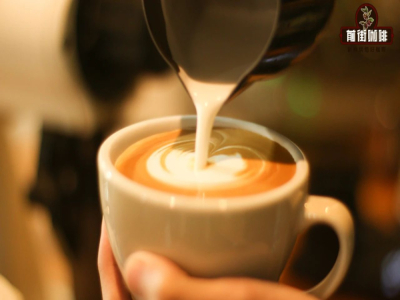
"Latte" is the transliteration of the Italian "Latte". Coffee Latte (Coffee Latte) is a type of Italian coffee, which refers to a drink mixed with espresso and milk. Therefore, it has the mellow aroma of espresso and the sweetness of milk. The taste is balanced and smooth, leaving you with a lingering taste in your mouth after drinking it.
Read more →
First of all, espresso beans are obviously the beans used in espresso machines. In the past, it may generally refer to blended beans, but not anymore. Now not only blended beans can be used to make espresso beans, but single-origin coffee beans can also be used to make espresso beans. Let’s first look at what bean blends are. Blended beans are a combination of various
Read more →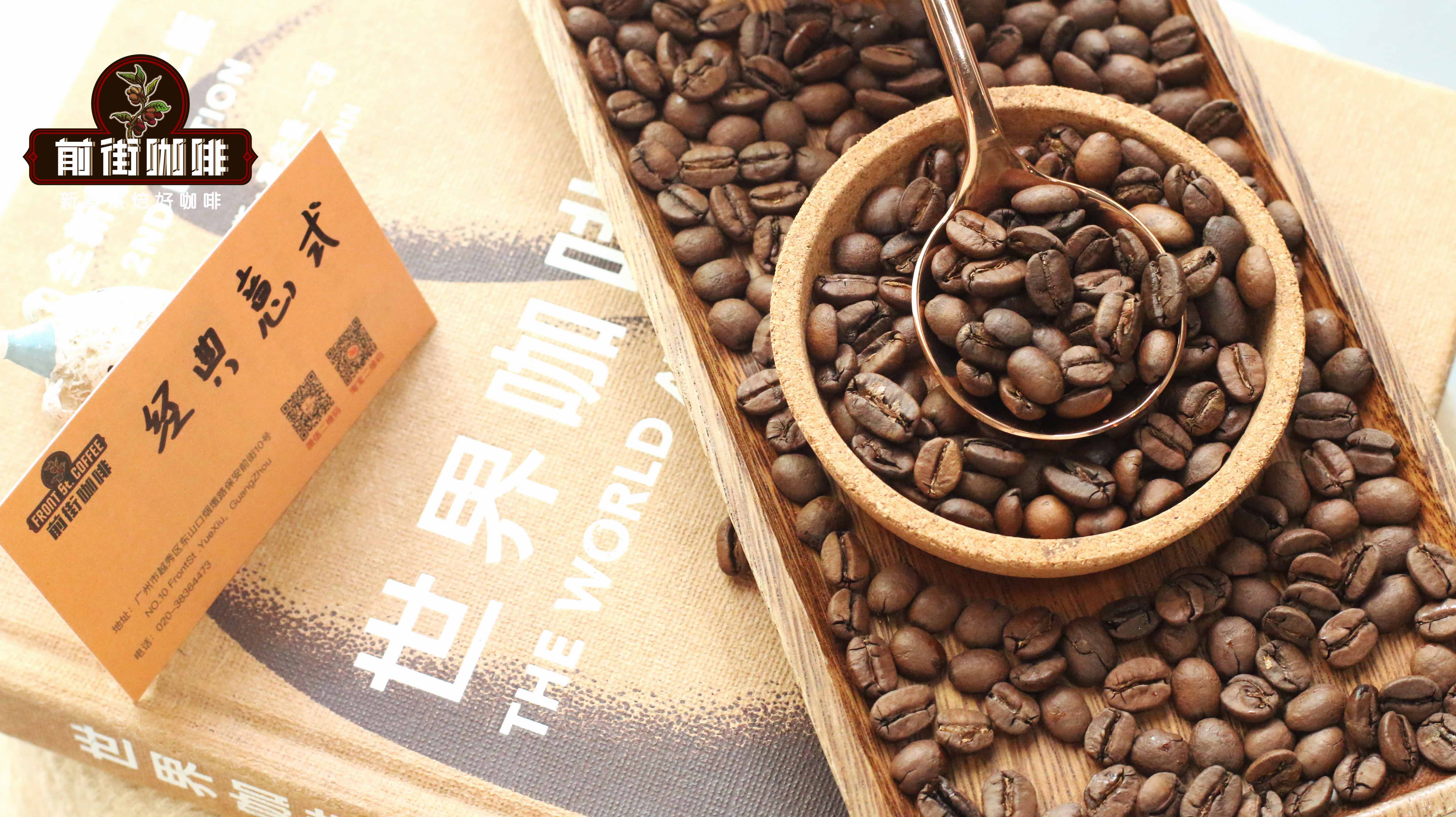
When it comes to Italian coffee beans, many people may first think of blended beans. Front Street believes that this is not entirely correct, but it is not entirely wrong either. Because now Italian coffee beans are not only made from blended beans, but also single-origin coffee beans, called SOE. For coffee novices, want to make a delicious cup of coffee
Read more →
Do you know the differences between Latte, Cappuccino and Mocha? Standing in front of the ordering counter in a cafe, have you ever had such a question, but you didn’t dare to ask, so you had to order one at random, or always just order the same thing?
Read more →
A cup of coffee goes through grinding and extraction from the bean to the mouth. When faced with Italian-style coffee beans, it is more straightforward to first think about what flavor you want to appear in the cup than starting from the package name. First confirm the commonly used utensils and the taste you like, and then compare the specific beans. The actual operation will be more directional. Italian coffee beans
Read more →
Put the complicated information aside when choosing a family-friendly Italian blend. Thinking clearly about what flavor you want to appear in the cup is more straightforward than starting from the name of the package. Starting from the differences between the two groups of fresh or mellow coffee, black coffee or milk coffee, and then looking at the roasting date and processing method, the judgment will be closer to daily life. baking
Read more →
Italian blends often appear in coffee shops. Italian blend coffee beans focus on a balanced flavor, and their products should not have unpleasant flavors such as sharp sourness, bitterness, and astringency. Blend beans can create flavors not found in single-origin beans. This is why blended beans are so fascinating, different flavors of coffee can produce unexpected results,
Read more →
As they drink coffee longer, some people will pursue Italian coffee with a strong taste over time. They are no longer satisfied with buying American coffee in coffee shops, but want to make it themselves. So what are the requirements to make a cup of Italian coffee with rich aroma and high concentration? 1. The coffee beans are fresh enough for a perfect cup
Read more →
If you walk into any serious coffee shop, the Italian machine in the back kitchen will almost always contain blended beans. Why do coffee shops have so many high-quality single-origin beans that they don't use, but they prefer "blending" them? Today, I will explain the secret of blending beans in one go. Mixing, what exactly is "matching"? Blending means combining different origins,
Read more →
When opening a coffee shop, there are usually two lines on the menu: one is the Italian line, which produces milk and black coffee such as American, latte, cappuccino, and dirty coffee; the other is the hand-brewed line, which sells single-product hand-brewed coffees for customers who like to savor the flavor. These two lines have completely different requirements for beans, and the ideas for selecting beans are also different. This article
Read more →
Blended coffee beans are commonly used in Italian coffee, and their rich coffee flavor has been praised by many coffee drinkers. The recently popular SOE is also in contrast to blended coffee. So what are the advantages of blended coffee now? FrontStreet Coffee
Read more →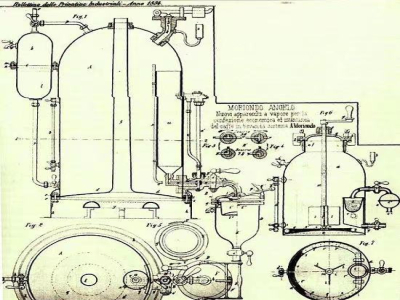
The earliest espresso making method was born in 1884, when an Italian named Angelo Moriondo designed a patented espresso machine model. The original espresso machine was made using two separate boilers
Read more →
When you open a coffee shop, the core of the menu is almost all Italian coffee: Americano, latte, cappuccino, and dirty. These are the ones that consume the most cups in a day. The basis of these drinks all come from the same cup of concentrate. Whether the concentration is stable or not, and whether the coffee flavor is clear enough or not, depends largely on the one you choose.
Read more →
"Thanks" to Americans for inventing traditional Italian coffee culture, it is now difficult for us to read the espresso-based drink menu in a cafe, and it is even harder to tell which coffee has water added and which has syrup added. Macchiato is one of the poorest victims. Many people can tell what espresso is.
Read more →
In the world of Italian coffee beans, although new varieties are released every day, there are still several major brands that stand out for their excellent quality and deep historical background. Today, let us summarize which coffee bean brands have high cost performance. 1. Frontsteet Coffee
Read more →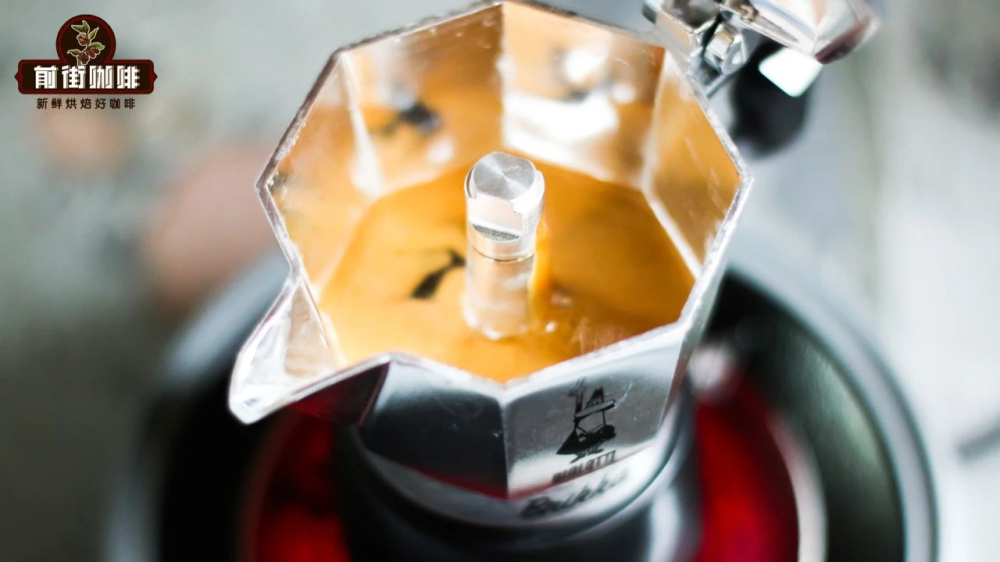
For many novices, Moka pots and espresso machines may need to try several different coffee beans due to extraction reasons before they can slowly find the ideal coffee. While the grind, bean type, extraction process and other mechanisms involved in making true espresso all affect the outcome of the brew
Read more →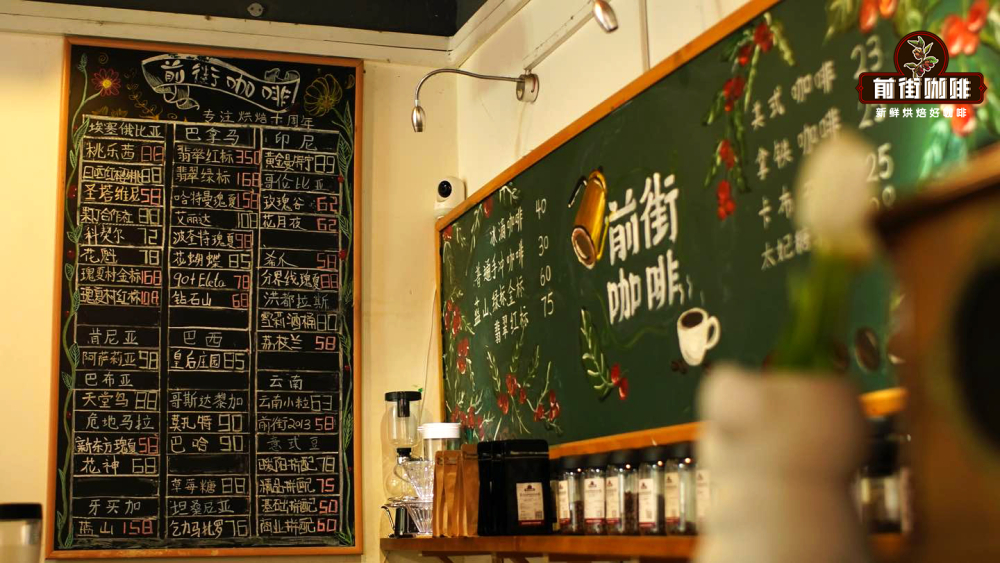
As we all know, Italian coffee has a profound influence on the development of the global coffee market. Espresso is a must-have drink in almost every cafe. For example, the Qian Street store provides American, latte, cappuccino, Australian white and other classic drinks, and many stores will add various auxiliary ingredients to make more creative special blends.
Read more →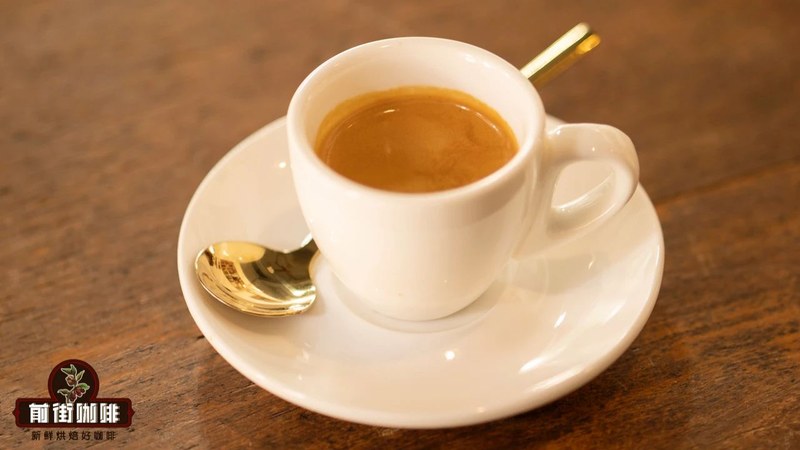
Italian blended beans and SOE start with the actual cup feel. Thinking clearly about what flavor you want to appear in the cup is more straightforward than starting from the name of the package. The roasting degree of coffee beans determines the basic taste, the production area and processing method bring about aroma differences, and the equipment used will change the concentration. Therefore, when picking beans, you need to keep these conditions at the same time.
Read more →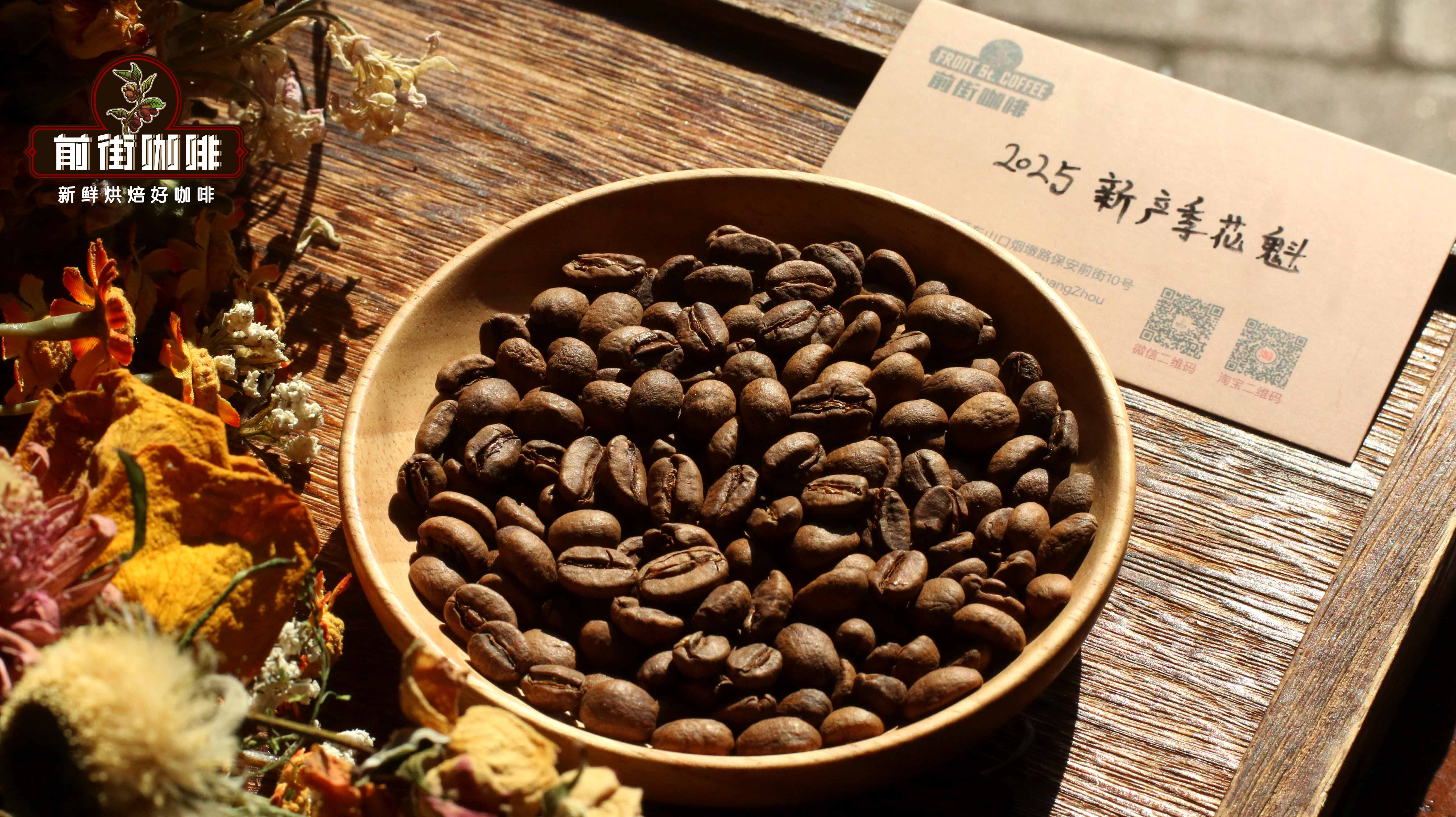
Coffee beans on the market are mainly divided into two types: single-origin coffee beans and blended coffee beans. As the name suggests, single-origin coffee beans refer to the same variety of coffee beans produced in the same manor. For example, Front Street Mandheling coffee with rich spices, Front Street Colombian coffee with dark chocolate and cocoa aroma, Front Street Yirgacheffe coffee with floral and citrus aroma, etc., every single origin coffee
Read more →Be the first to know about new bean releases, brewing tips, promotions and cupping notes

Scan to Follow Front Street Coffee on WeChat
