Browse all articles and notes in the "Coffee Beans" category of FrontStreet Coffee

When the coffee machine extracts concentrated oil, the process of oil seeping out has always been a healing sight. Especially when you see the thick golden foam after taking it, the latte art party will be so happy. But if one day you find that the extracted oil is sparse, thin, or even non-existent, then the problem is very likely.
Read more →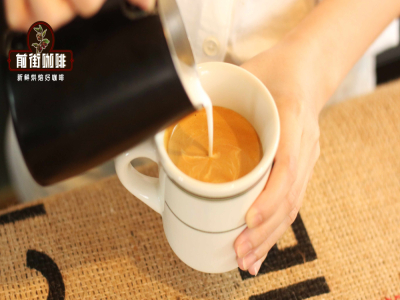
Did you know? Latte art in a coffee shop may seem very simple, but in fact it can be a bit difficult when you actually learn it. First of all, good-looking latte art must meet three conditions: fresh espresso beans, refrigerated fresh milk, and a coffee machine with a boost function. No matter how coffee is extracted, coffee beans
Read more →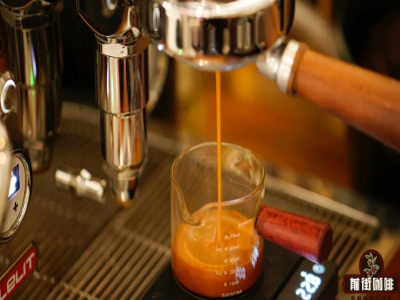
Front Street - An introduction to the difference between single origin and blending What is single origin coffee? The unprofessional name for single-origin coffee is "black coffee". It is generally drunk without adding sugar or milk. In the past, single-origin coffees that were often heard include Front Street Blue Mountain Coffee, Front Street Colombian Coffee, Front Street Brazilian Coffee, etc. Now there are also Front Street Mandheling and Front Street Panama Rose.
Read more →
Front Street - An introduction to the difference between single origin and blending What is single origin coffee? The unprofessional name for single-origin coffee is "black coffee". It is generally drunk without adding sugar or milk. In the past, single-origin coffees that were often heard include Front Street Blue Mountain Coffee, Front Street Colombian Coffee, Front Street Brazilian Coffee, etc. Now there are also Front Street Mandheling and Front Street Panama Rose.
Read more →
In fact, soe coffee beans have appeared in 2007 and have gradually matured in 2010. North American consumers have become accustomed to ordering a cup of seasonal SOE in cafes. The popularity of SOE has made people realize that as long as there are good enough beans, the recipe for Italian coffee does not need to be complicated. ●What is S
Read more →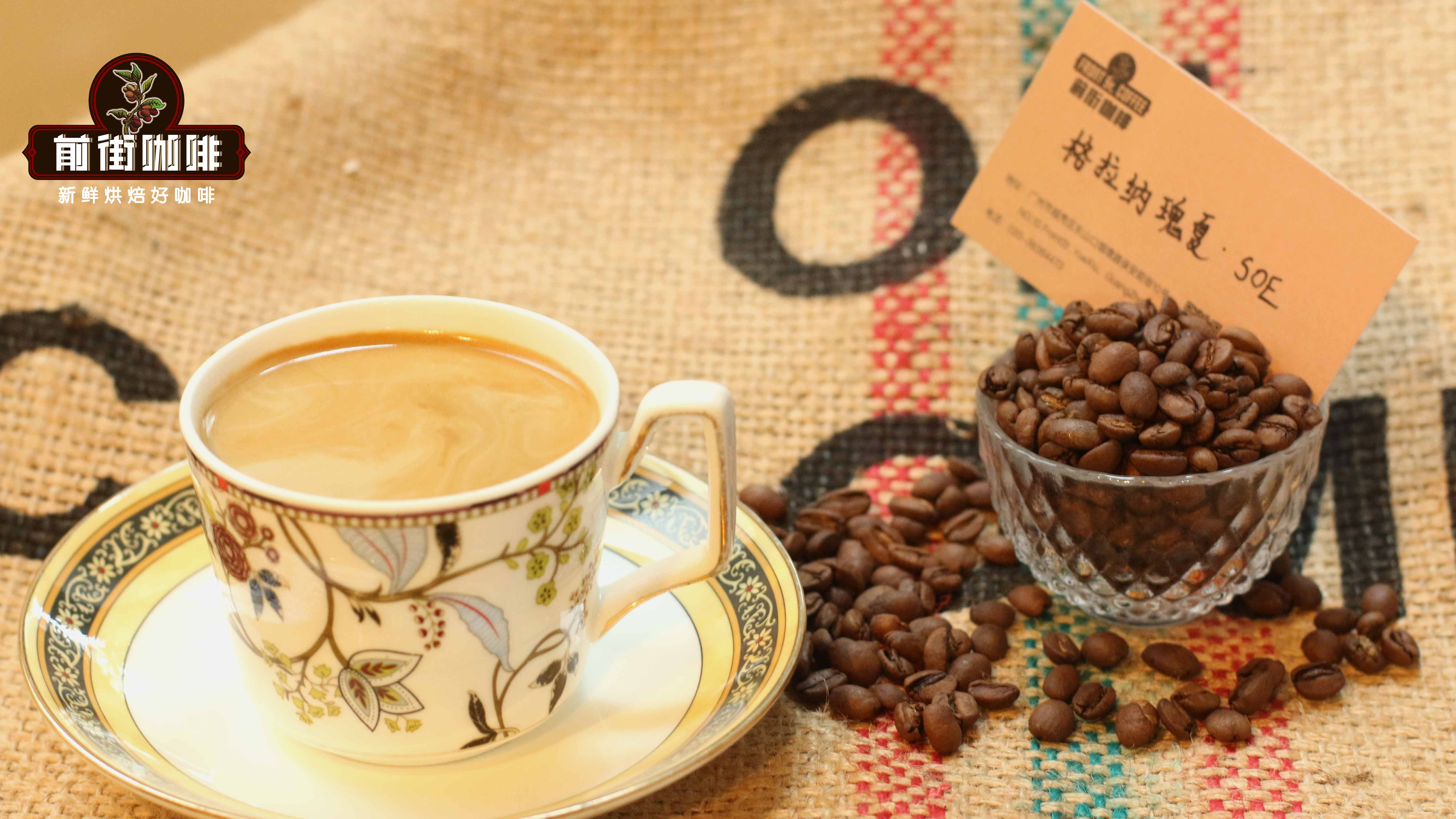
Are you confused when you hear the word SOE for the first time? In fact, SOE has appeared abroad ten years ago, and now it has developed very maturely. It has only gradually become popular in China in the past two years. If you still don’t know what SOE is, you really should learn more about it. In the future, there will be more and more information on the MENU of the cafe.
Read more →
Recently, a friend also wanted to think about making coffee by himself. After shopping online, he asked Front Street. The price of coffee beans online ranged from 30 yuan to more than 300 yuan. Some weights are 100g, some are 1kg, and there are many unclear nouns. I was confused when I saw them. So I came to ask Front Street how to tell the difference.
Read more →
In recent years, soe coffee has become more and more popular, and many barista competition contestants often use soe coffee. Relatively speaking, soe coffee will highlight the flavor and body of the place of origin. So what is soe coffee? SOE stands for Single Origin Espresso.
Read more →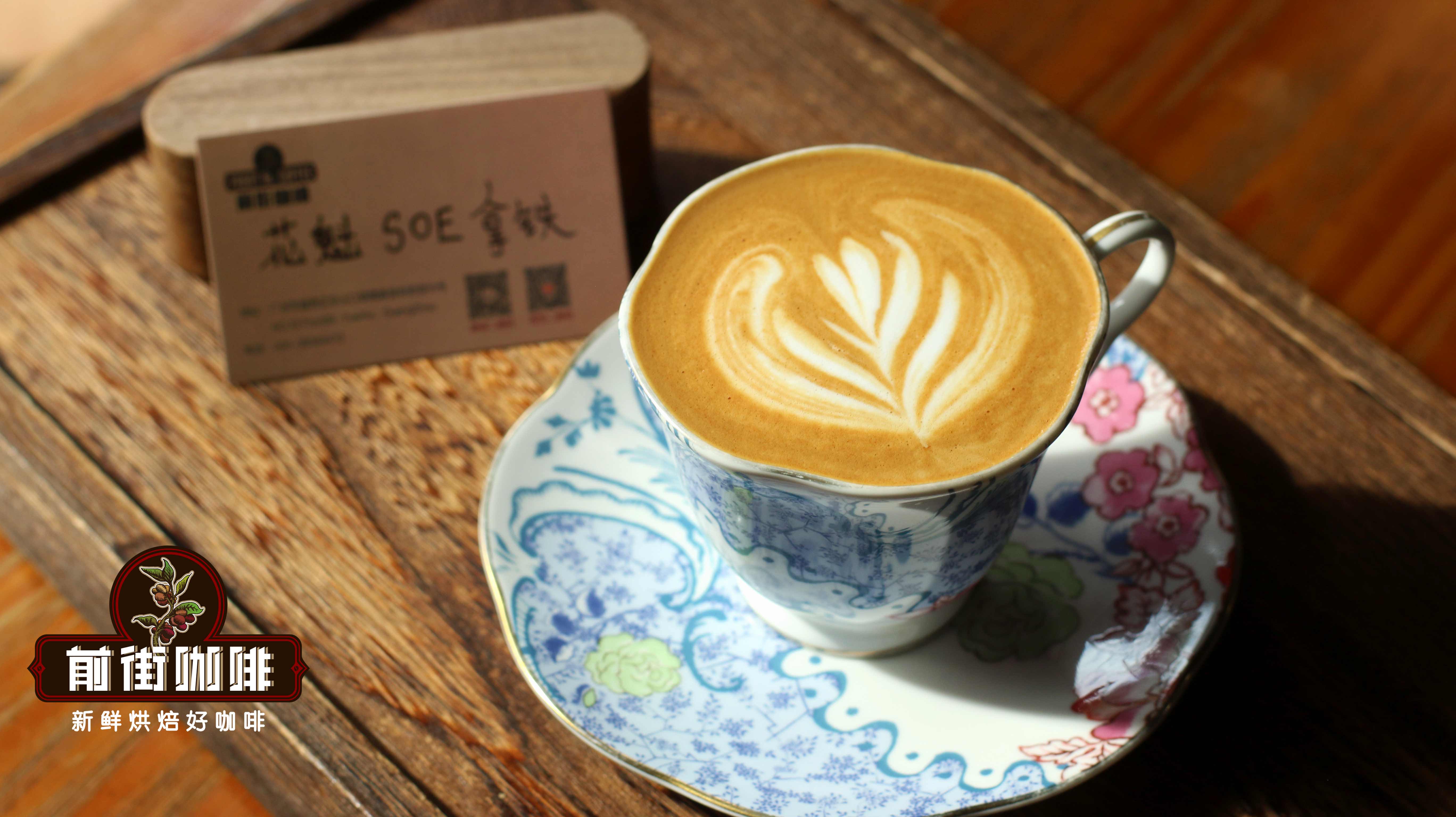
SOE stands for single origin espresso, which is espresso made from beans from a so-called single coffee bean producing area. What single origin coffee and SOE have in common is single origin. Generally, the single-origin coffee in cafes is
Read more →
Competition in coffee shops is fierce, and it shows on the menu. In the past, if I wanted to go to a coffee shop and order a cup of coffee, I would at most be confused between a latte or a cappuccino. Now if you just want to drink a latte, you can tangle with the arrangement and combination of No. 1 coffee beans, No. 2 coffee beans, milk, oat milk, and coconut milk. Usually at first I just want to order
Read more →
There are many factors that determine whether a cup of coffee tastes good. SOE only refers to espresso made with single-origin coffee beans. The coffee beans used are not necessarily better than the coffee beans used in blended coffee. Single origin coffee beans refer to coffee beans from a single origin. For example, this pack of beans all comes from the same a in the same province.
Read more →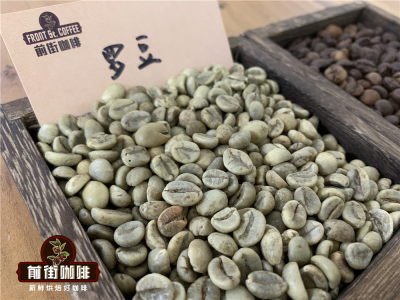
The biggest characteristics of Robusta variety coffee are high yield, high body, heavy bitterness, high caffeine content (1.7%~3.0%), and low price. Therefore, during the first and second waves, most instant coffee and blended coffees used a large amount of Robusta. Vietnam ranks second in the world
Read more →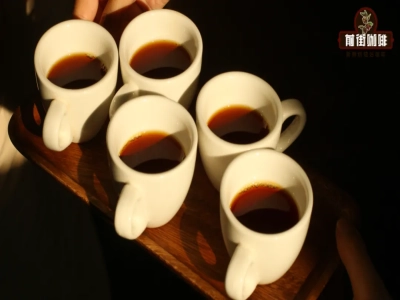
Robusta, generally known as Robusta, is considered very unpleasant to drink and difficult to swallow, but it still contributes nearly 30% of global production. Let Front Street introduce and share Luo Dou’s story with you! For a long time, people's favorite coffee originated in the border area between Ethiopia and Sudan.
Read more →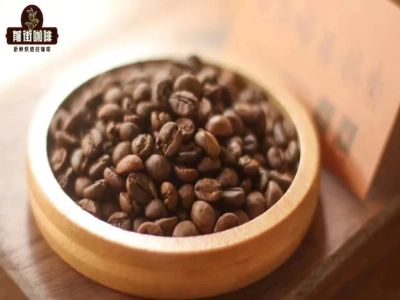
Robusta was once rated as a coffee bean that tastes worse than the lowest-grade Brazilian Santos coffee. Although it cannot be drunk directly, if a small amount is added to Arabica beans for blending, it can increase the body of the coffee after extraction without covering up the pleasant flavor of Arabica. The sourness and sweetness of robusta
Read more →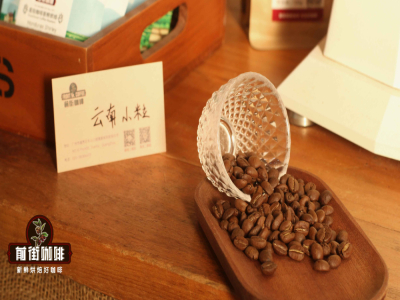
Coffee beans are mainly divided into three major varieties: small-grain Arabica coffee, medium-grain Robusta coffee, and large-grain Liberica coffee. However, the most common types of coffee are Arabica and Robusta. The Arabica variety of coffee is mostly specialty coffee, and the environment in which it is grown is
Read more →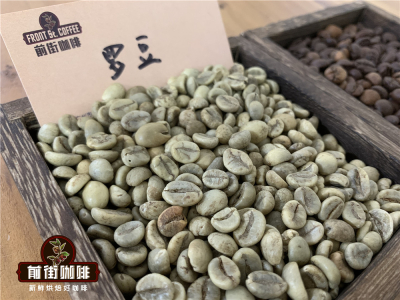
Robusta is one of the two popular types of coffee varieties currently on the market, often referred to as "robusta" by baristas. In terms of flavor, Luodou beans do not have the bright and uplifting flavor of Arabica coffee. The taste is mainly bitter and mellow. They are often used as raw materials for darker roasted Italian spelled bean recipes or instant coffee. Compare Arabica
Read more →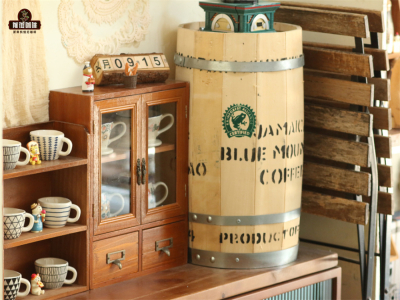
In botanical taxonomy, coffee belongs to the Rubiaceae family, which contains at least more than a hundred coffee species. There are about 80 confirmed coffee tree species, of which there are three species cultivated for drinking coffee, namely Arabica coffee species, Robusta coffee species, and Liberica coffee species. Generally speaking
Read more →
In botanical taxonomy, coffee belongs to the Rubiaceae family, which contains at least more than a hundred coffee species. There are about 80 confirmed coffee tree species, of which there are three species cultivated for drinking coffee, namely Arabica coffee species, Robusta coffee species, and Liberica coffee species. Generally speaking
Read more →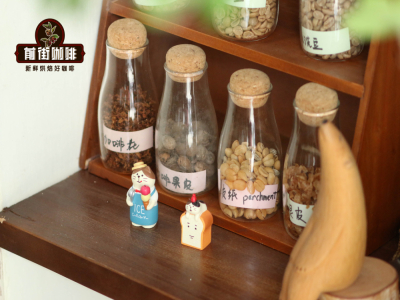
Front Street often mentions in articles that coffee is divided into three major varieties, Arabica, Robusta, and Liberica. Among them, the only ones with commercial value are Arabica and Robusta. Robusta coffee beans are rarely mentioned in specialty coffee circles. Unlikable more because they mostly act as
Read more →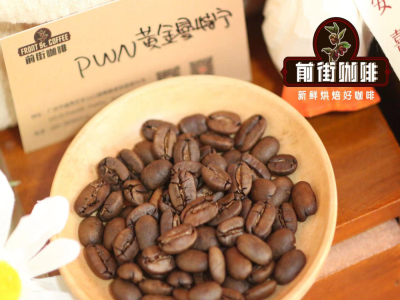
Hand-brewed coffee can well express the flavor of coffee beans. Generally, Front Street recommends hot hand-brewed coffee, but the scorching summer heat makes customers prefer iced hand-brewed coffee. Many customers will ask, what is the difference between iced hand brewed coffee and hot brewed coffee? Front Street is here to give you the answer today. Ice hand brew and hot
Read more →Be the first to know about new bean releases, brewing tips, promotions and cupping notes

Scan to Follow Front Street Coffee on WeChat
