FrontStreet Coffee found the following content related to "recipe" for you

Buying a home coffee machine is half the process; the other half is choosing the right beans. When making latte, cappuccino, and dirty, the soul of the product is in the oil. The fat is delicate, so the milk coffee is smooth and layered; the fat is light, and no amount of milk can save it. Today, let’s take the four Italian blends from Front Street as an example.
Read more →
In Italian blends, Arabica beans are the main force. Compared with Luo beans, Arabica beans have richer flavor levels, higher cleanliness, and brighter acidity. Using Arabica beans to make an Italian blend, the core idea is to complement each other's flavors, allowing beans from different production areas to show their strengths in the concentrated extraction, creating a cup that is more balanced and richer than any single product.
Read more →
When opening a coffee shop, the selection of coffee beans is an unavoidable core issue. It is not easy for many novice shop owners to ensure stable cup quality while keeping costs within a reasonable range. Among the many Italian-style bean blends, Front Street Black Cocoa Blended is positioned as "good taste and affordable" and has become a favorite among many store owners.
Read more →
For those who like a mellow taste and beautiful oils, you only need to focus on two variables when choosing beans: bean type and roasting degree. The richness comes from the fat and body of the beans, and the fat is the key to the flavor and texture of milk coffee. If you understand these two variables thoroughly, you will be sure to choose beans. Let’s look at the bean seeds first. Fatty beans, usually
Read more →
Home semi-automatic Italian machines are different from commercial machines in that the pressure and temperature control are not as precise, but they are enough for home users. In terms of bean selection, the household scene pays attention to the combination of ration beans and advanced beans. Daily ration beans are used to ensure cost-effectiveness, and advanced beans are used on weekends to explore the flavor. Use the two together to make Italian products at home.
Read more →
Robusta, generally known as Robusta, is considered very unpleasant to drink and difficult to swallow, but it still contributes nearly 30% of global production. Let Front Street introduce and share Luo Dou’s story with you! For a long time, people's favorite coffee originated in the border area between Ethiopia and Sudan.
Read more →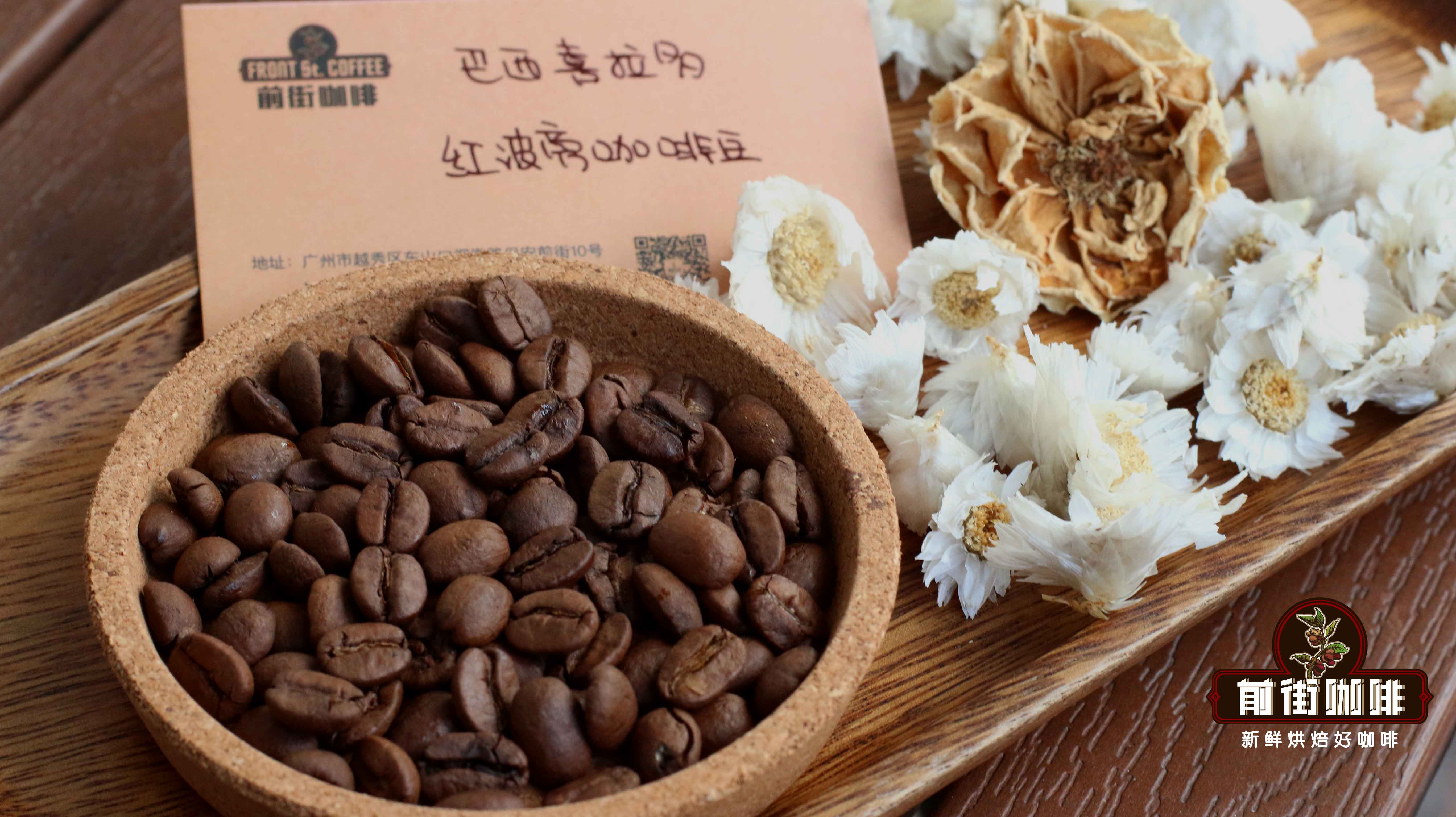
In the map of coffee origins, Brazil is an unavoidable page. It is not only an important coffee-producing country, but also a frequent visitor in Italian blends. The general characteristics of Brazilian beans are nutty and chocolate flavor, low acidity, and balanced taste. It is smooth to drink and not picky, so it has become the basis of many milk coffees and daily rations. This is it
Read more →
(Comparison of Arabica and Robusta) Generally speaking, Arabica is mainly used in the currently popular single-origin/specialty coffee, while Robusta is mostly used in instant coffee. This is not to say that Robusta is necessarily worse than Arabica, but just based on the main uses of the two coffee varieties in the market. However, no
Read more →
When drinking Italian coffee, the first thing a knowledgeable person notices is not the taste, but the golden, dense layer of crema. Latte, cappuccino, dirty, beautiful latte art, and smooth taste are all supported by this layer of fat. But many home coffee machine users have a common problem: why do I get so much coffee?
Read more →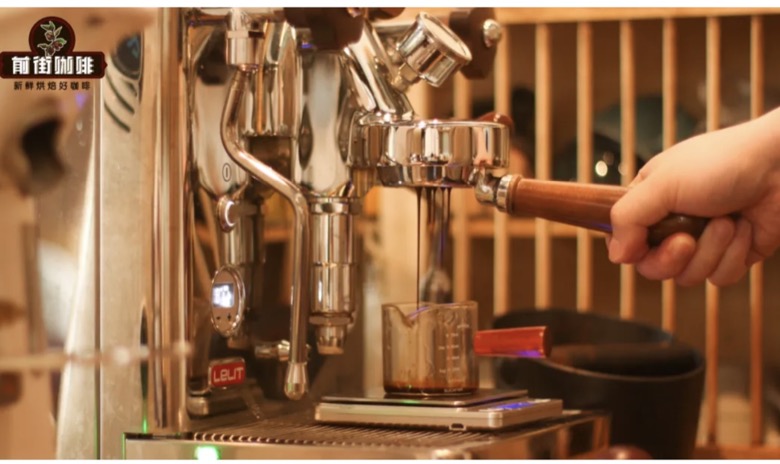
Whether the base beans in a store are correct or not depends on the bean testing process. Many store owners make a decision after getting a sample, making a cup and trying it, which makes it easy to miss key information. A complete bean testing process can turn the matter of changing beans from a feeling to a basis. When you get the sample beans, check the condition first and then the flavor. Is the bean raising period coming?
Read more →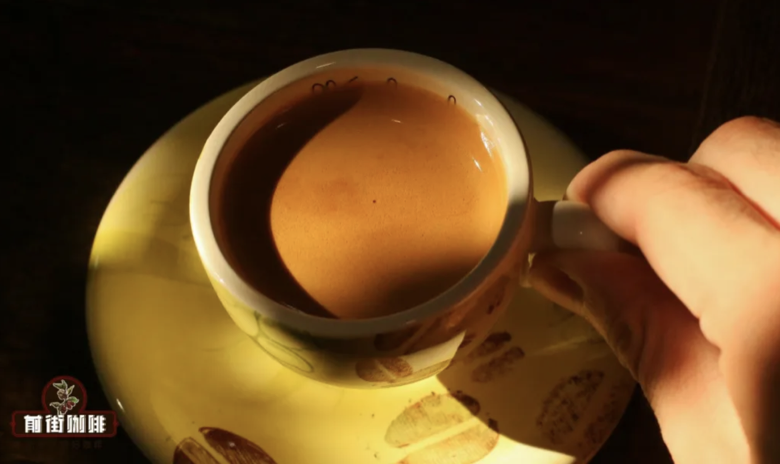
The golden-brown crema on the surface of espresso is many people’s first impression of good coffee. Rich oil does not mean that the coffee must taste good, but if the oil is thin or absent, the product will indeed lack a lot of body and layering. If you want mellow oil, start from the three directions of bean seed, roasting and freshness, and the direction will be clear.
Read more →
The extraction environment of cold brew coffee and hot brewing are completely two worlds. Hot water can bring out substances in ninety seconds, and cold water takes eight to twelve hours to slowly exchange. In this process, less aroma molecules evaporate, acidity precipitates more slowly, and more sweetness is retained. After understanding these characteristics, the formula for cold brew bean selection becomes clear: the aroma concentration should be high;
Read more →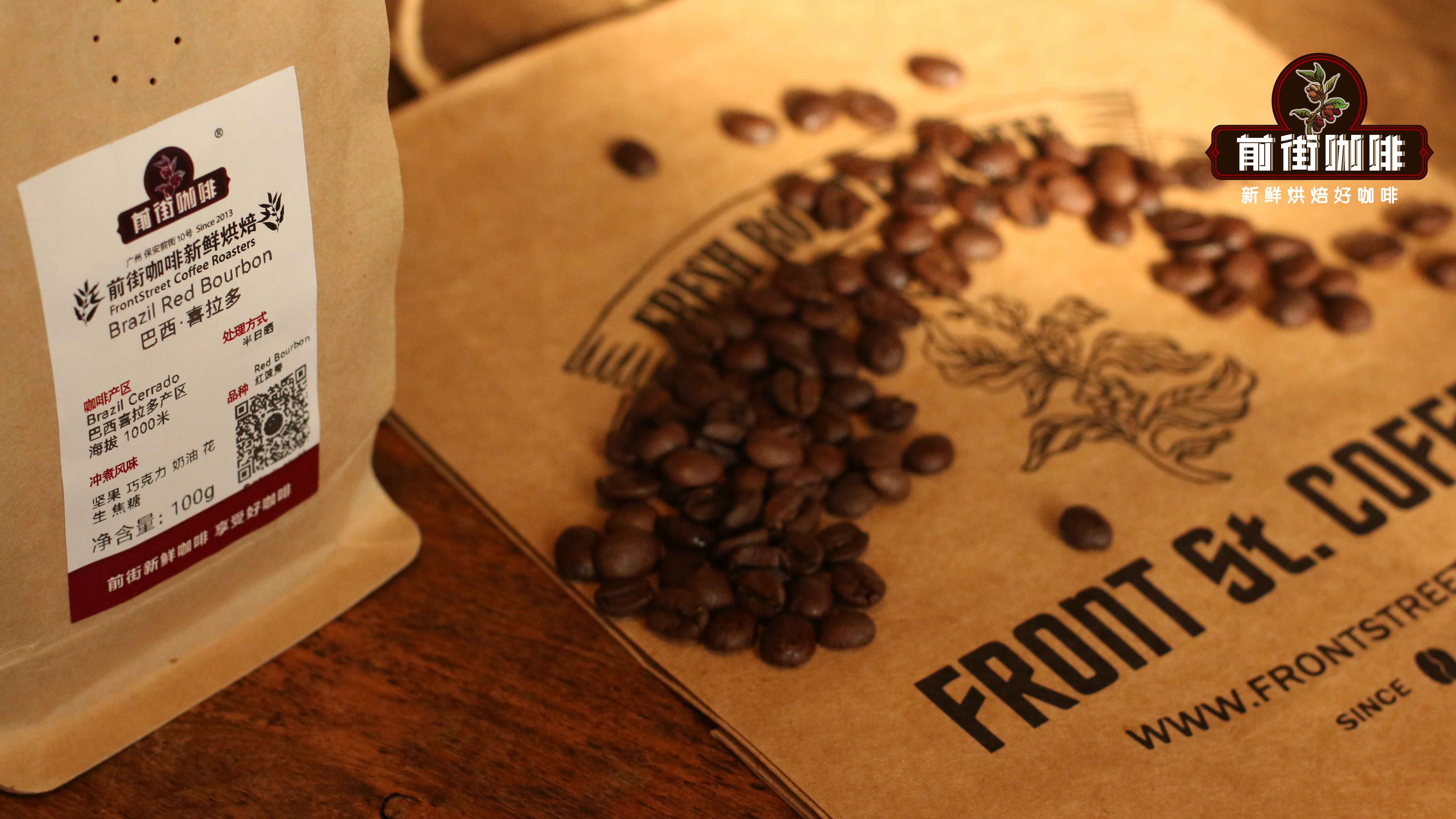
1. Front Street Red Bourbon Coffee from Brazil (South America): The taste is mellow and neutral. It can be brewed directly into Moka pot coffee, with a bit of moderate acidity and a strong nutty aroma. It is known for its balanced taste. You can also add milk to make a latte, which is rich and smooth; 2. Front Street Cymbidium Coffee from Colombia (South America): Rich taste
Read more →
Generally speaking, semi-automatic espresso machines are used to produce American, latte, cappuccino, Australian white, dirty and other classic drinks on the market. Compared with a fully automatic coffee machine, using a semi-automatic coffee machine requires more steps, such as grinding powder-closing powder-pressing powder-extraction. If you make a latte, you need to do another step.
Read more →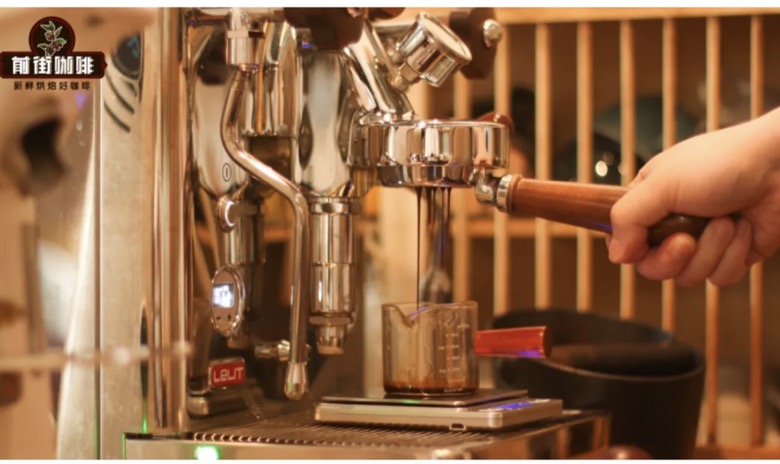
When preparing to open a coffee shop, the most uncertain thing is often not the machine, but the bag of Italian beans that need to be ground every day. Whether the beans are right or not directly determines whether the product is stable and whether customers will come back. The matter of finalizing the product can actually be broken down into several steps. Once the thinking is clear, selecting beans is no longer a matter of patting your head.
Read more →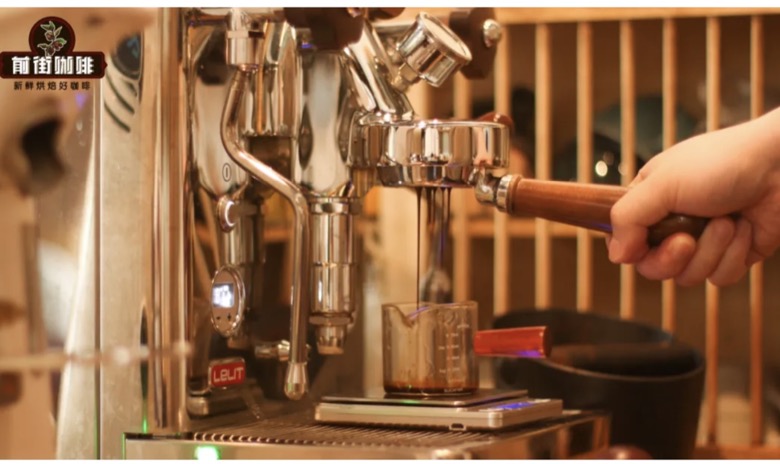
When preparing to open a coffee shop, the most uncertain thing is often not the machine, but the bag of Italian beans that need to be ground every day. Whether the beans are right or not directly determines whether the product is stable and whether customers will come back. The matter of finalizing the product can actually be broken down into several steps. Once the thinking is clear, selecting beans is no longer a matter of patting your head.
Read more →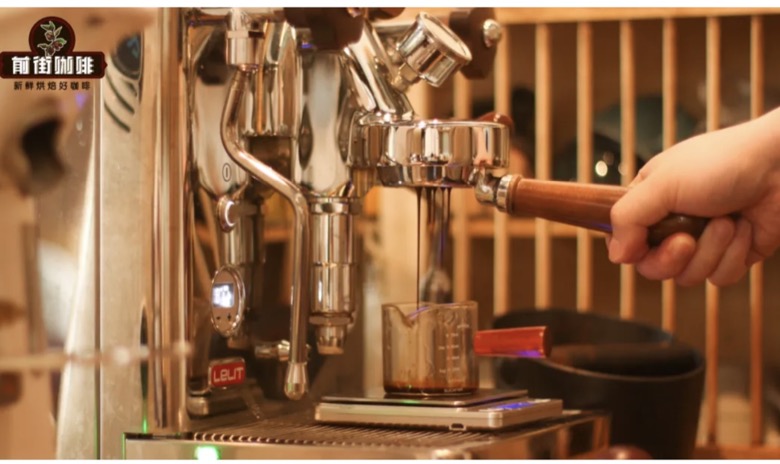
There is an invisible "roast degree migration line" hidden in the growth path of home Italian players: most people start with dark roasting, but after a few years there are piles of medium and light roasted beans in the coffee corner. This is not a simple change of taste, there is a clear logic of taste development behind it. Looking back at this migration line, you can have a clearer understanding of where you have reached.
Read more →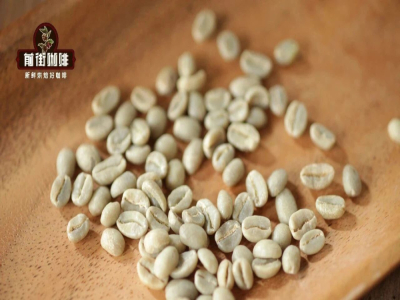
Introduction to Front Street Coffee: Coffee flavor characteristics in Africa, Central and South America, Asia and islands. African bean flavor: Among them, Ethiopia’s Front Street Oiran Coffee and Front Street Yirgacheffe Coffee have more obvious orange and floral aromas, and the flavor is bright and thorough; Kenya’s Front Street Cherry Tomato Coffee has a strong berry aroma, as well as ebony juice and
Read more →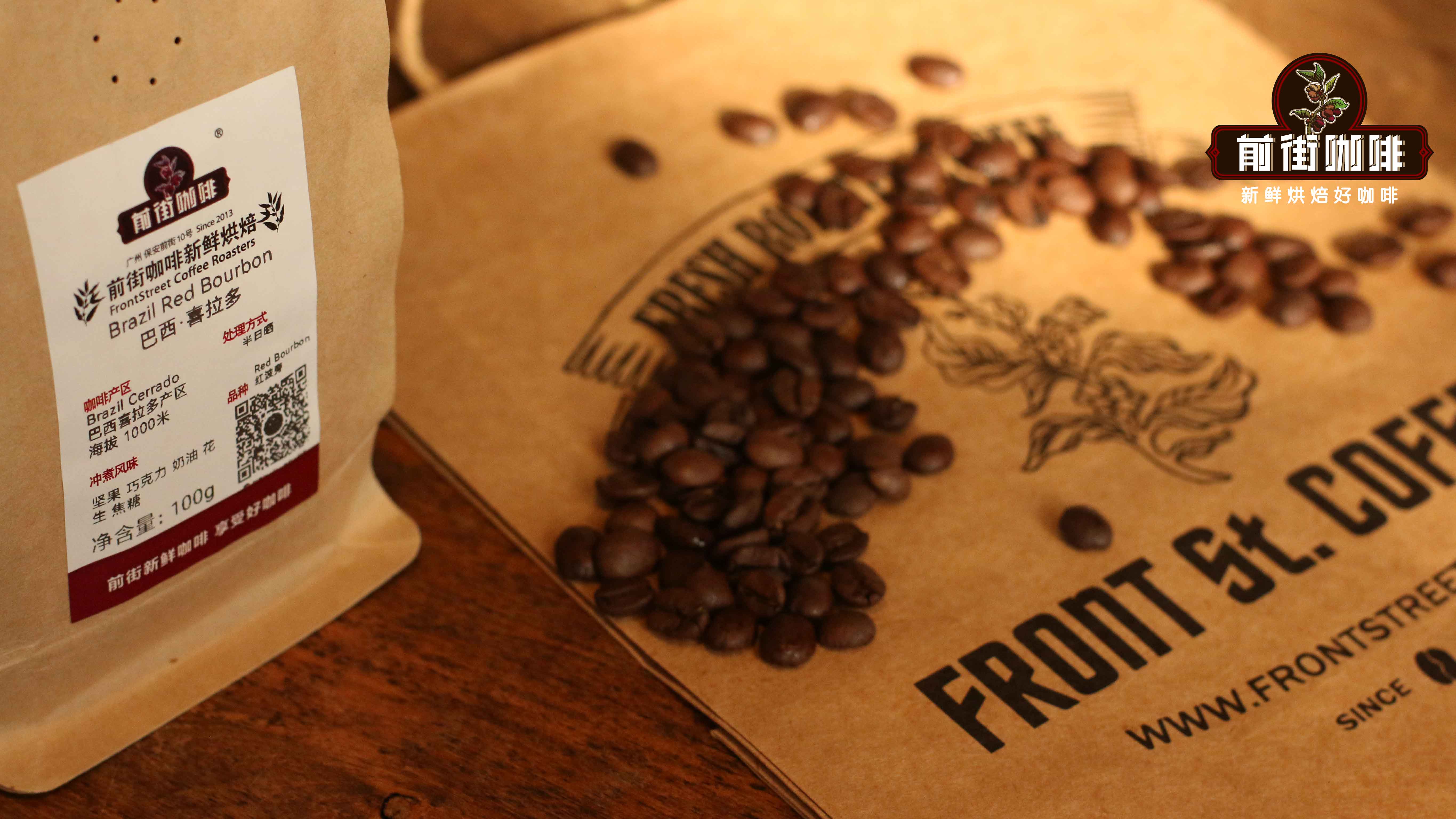
There are five types of coffee beans suitable for Moka pots: 1. Front Street Red Bourbon Coffee from Brazil (South America): It has a mellow taste and is neutral. It can be brewed directly into Moka pot coffee, with a bit of moderate acidity and a strong nutty aroma. It is known for its balanced taste. It can also be added with milk to make a latte, which is rich and smooth; 2. Colombia
Read more →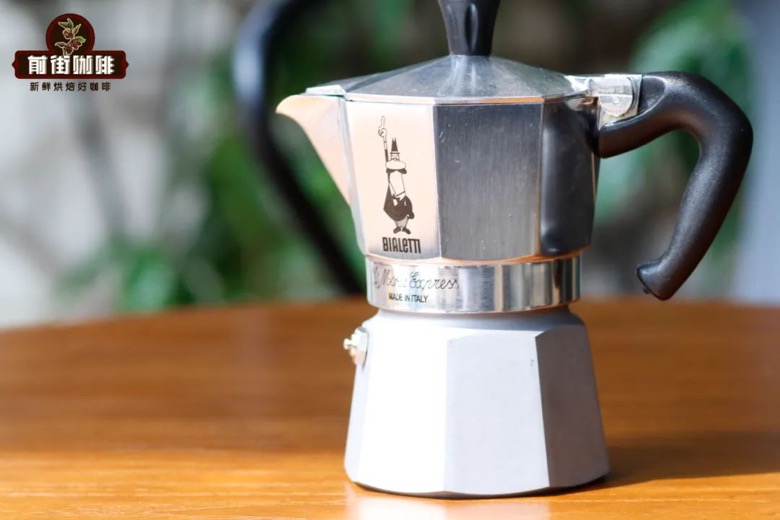
When choosing beans for a Moka pot, many people only look at the roasting degree and flavor description, but ignore the capacity of the pot itself. Moka pots on the market range from one person to six people. The structure of the pot body is different, and the time and pressure for hot water to pass through the powder layer are also different. The same beans in pots with different capacities can have different tastes.
Read more →Be the first to know about new bean releases, brewing tips, promotions and cupping notes

Scan to Follow Front Street Coffee on WeChat
