FrontStreet Coffee found the following content related to "plan" for you
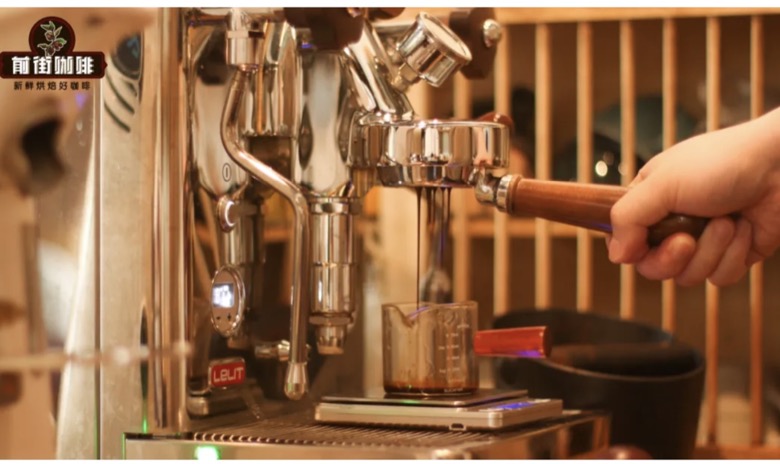
When you reach a certain stage of home semi-automatic play, you will all encounter the same problem: How to prepare beans? If you only stock up on one type, you’ll be afraid of getting tired of it, and if you buy too many, you’ll be afraid that it won’t be fresh. The answer is to plan the bean cabinet according to a two-layer structure - the daily ration layer and the weekend exploration layer. Each of the two layers has its own bean selection logic. The requirements for daily rations are stability, balance, and cost-effectiveness.
Read more →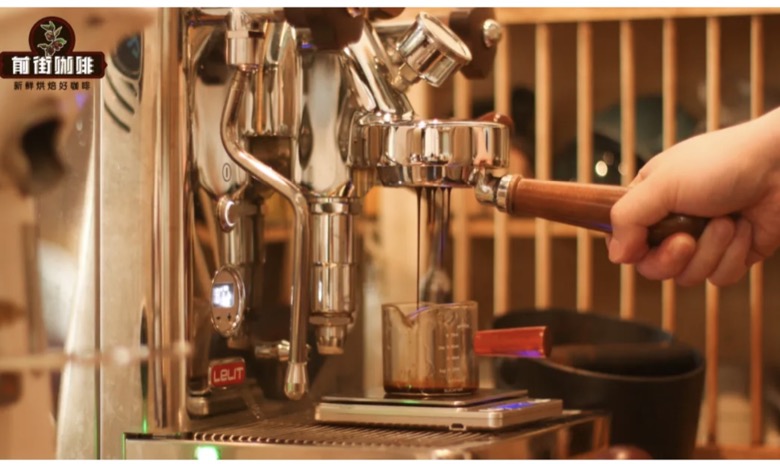
After the De'Longhi coffee machine arrives at home, most people only have random bonus beans or commercial beans they buy casually, and the official ration beans are still on the way. There is a "transition period" between turning on the machine and drinking it stably. The bean mixing strategy during this period directly determines your initial impression of the machine. This article gives users of new phones a set of random beans to
Read more →
After drinking too much traditional dark roasted Italian coffee, you will inevitably want to change the taste. As a result, most people will replace the dark roast blend in the bean warehouse with SOE coffee beans that highlight the flavor, thereby making sour coffee with a prominent flavor. This type of beans is often lightly roasted. If we use ginseng to extract dark roasted beans,
Read more →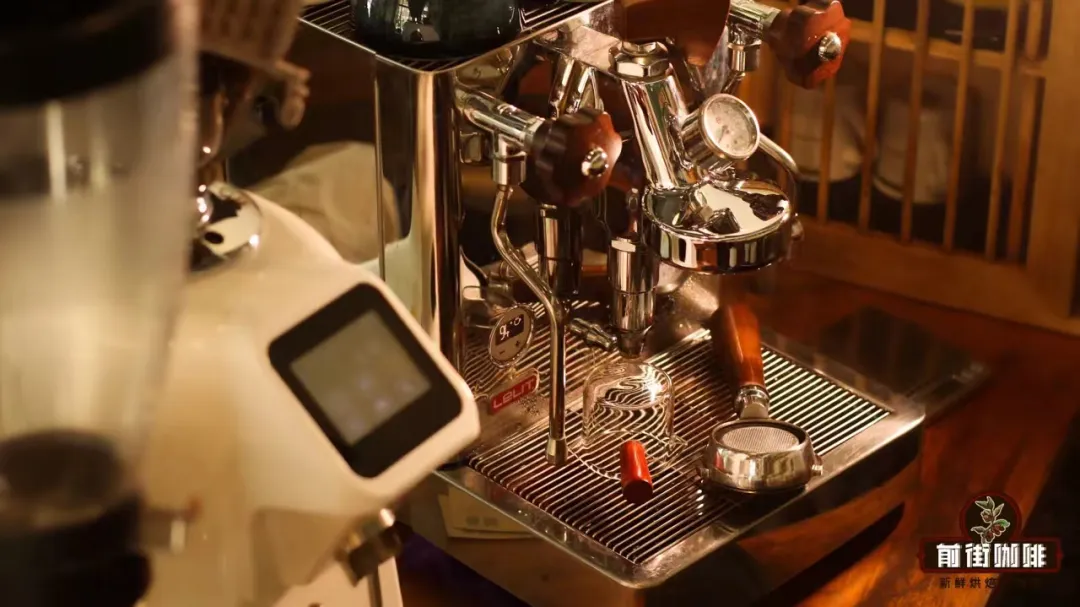
Espresso was invented by MR. Gaggia in 1946. Gaggia further improved the piston pressure system - using spring pressure instead of manual pressing to allow a layer of golden coffee crema to float on the brewed coffee. This is Crem
Read more →
After drinking it, the direction of selecting beans will be clear. When drinking black coffee, you need beans with a good aroma and sweetness that can support a cup alone; when drinking milk coffee, you need beans that are thick and thick enough to not be covered after adding milk. Think of black coffee and milk coffee separately, and you won't have to worry about choosing beans. "It tastes good" and "it goes well" are not necessarily the same thing.
Read more →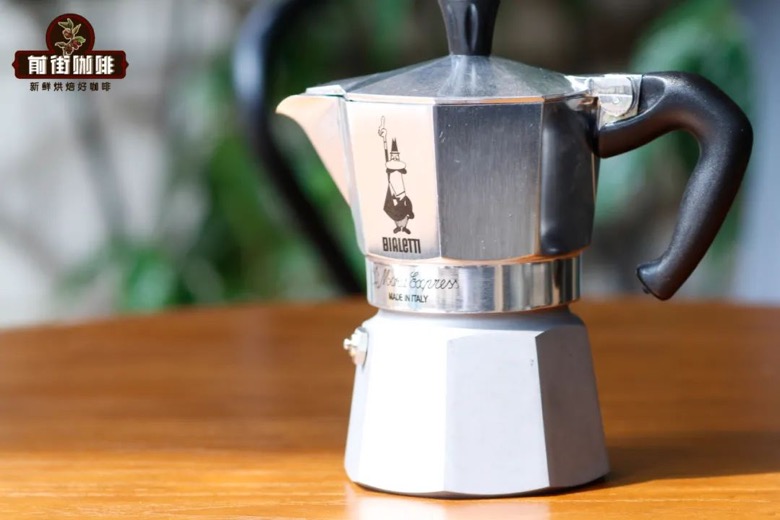
The equipment has been changed, and so has the performance logic of the beans. The scoring items for hand brewing are aroma and clarity, the scoring items for Italian machine are concentration and sweetness, and the Moka pot needs to take into account pressure, firepower and powder layer state. So before choosing beans, think about what kind of equipment to use, and then fine-tune the brewing parameters according to the roasting level. Steam pressure extraction is the work of the Moka pot
Read more →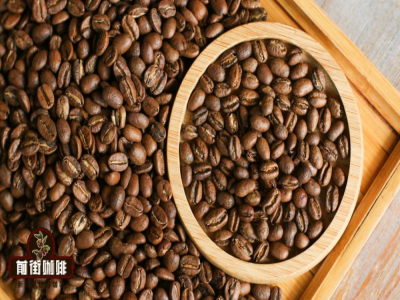
For more knowledge about specialty coffee, please pay attention to: Frontsteet Coffee Friends who often follow Frontstreet should know that Frontstreet specializes in freshly roasted coffee. Freshly ground coffee does not mean fresh, and of course fresher is not better. Frontstreet generally provides coffee that is two days from the roasting date.
Read more →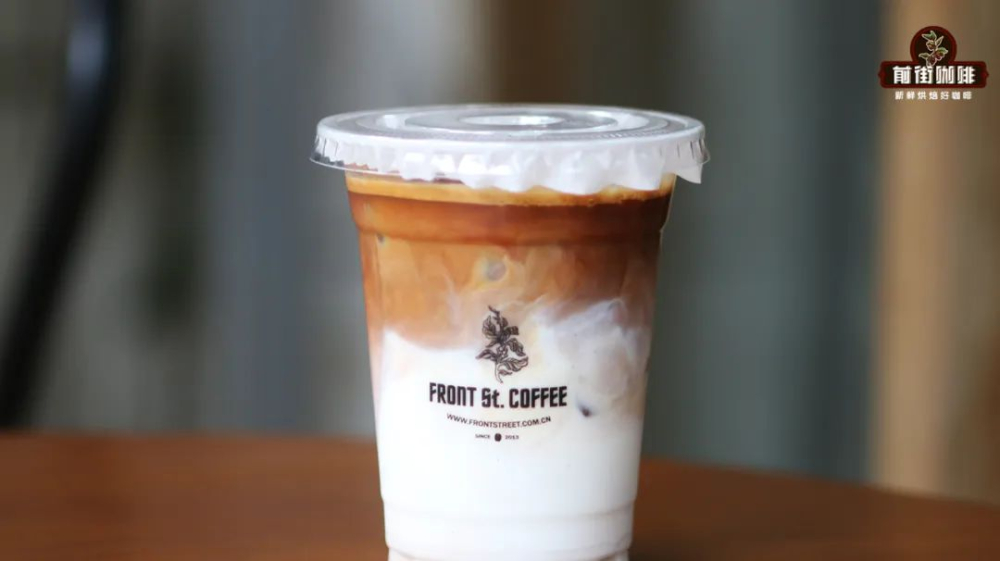
Making latte can be said to be the skill of every barista. First extract the espresso, and then prepare the milk to achieve a perfect balanced taste. However, many friends said that when they make latte at home, they always fail to achieve the same effect as in a coffee shop, so they asked Front Street about their experience in making latte coffee. Iced latte watch
Read more →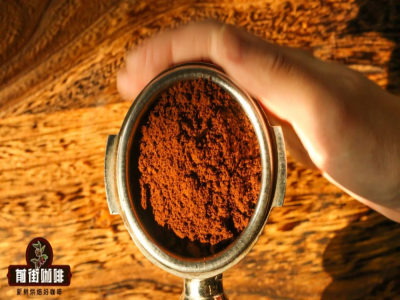
The ratio of the standard Italian style is 1:2, a single portion of 9g powder and 18g of liquid, a double portion of 18g of powder and 36g of liquid. During the actual production, fine-tuning is based on this powder-to-water ratio and taste. The fineness of the espresso coffee powder is also based on the dispensing time. If it is faster, adjust it to finer powder, and if it is slower, adjust it to coarser powder until the extraction time matches it. system
Read more →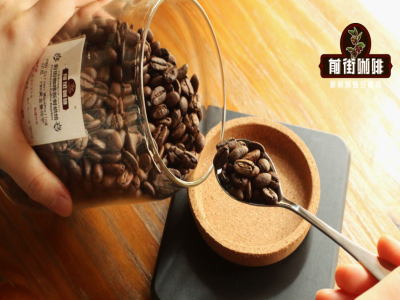
The standard amount of powder for a cup of coffee produced by Front Street is 15 grams of powder, so when sharing coffee brewing, 15 grams of powder is used as the demonstration standard. However, there are many different amounts of powder used to make coffee. According to observations on the front street, the more common ones are 12 grams, 18 grams, and 24 grams in multiples of 6. Most of these are 120 grams per person.
Read more →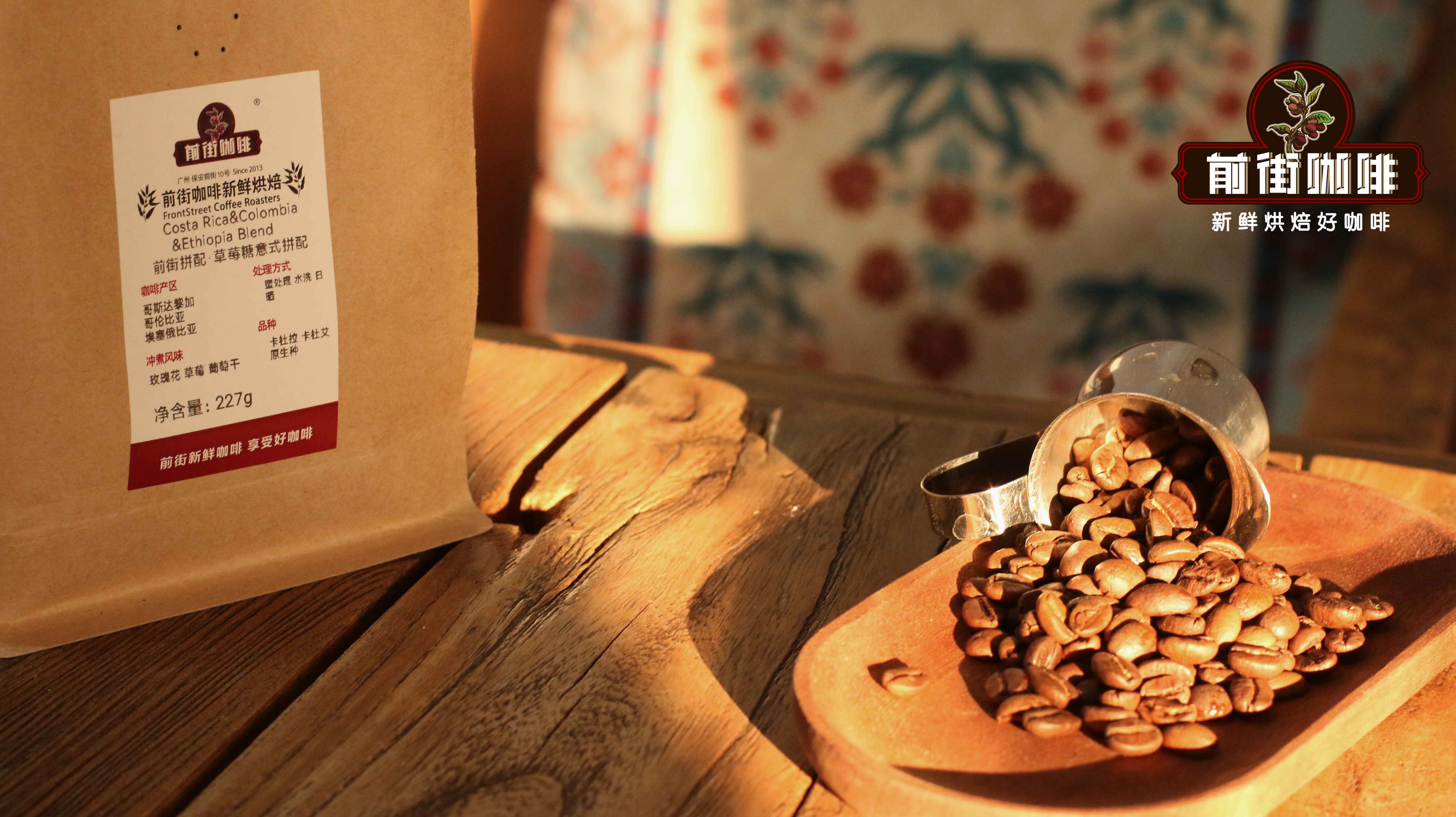
I believe that many friends first came into contact with coffee from espresso drinks, such as espresso latte with milk and espresso with water. They are deeply loved by people. Many people will be curious: Do you have to use dark roasted beans to make espresso? If you make espresso at home
Read more →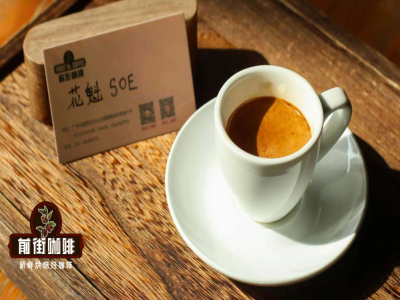
What are coffee bean blends? What is the blending ratio of Front Street Italian coffee beans? What kind of beans are best for blending coffee beans? Recently, a friend asked FrontStreet Coffee: "Are all coffee beans suitable for making espresso?" No, not all.
Read more →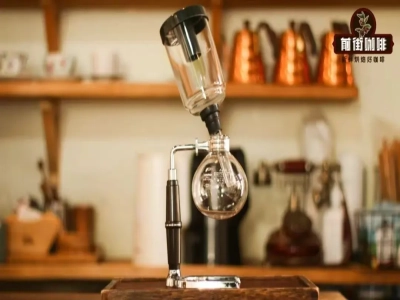
Although the siphon pot is no longer a mainstream tool in coffee shops due to the trouble and time-consuming production, its ornamental value and the characteristics of the brewed coffee have always been a hot topic among coffee lovers. "Compared to hand-brewed coffee, the coffee brewed with a siphon pot will be thicker and more fragrant." This is what everyone
Read more →
After a friend bought FrontStreet Coffee's PWN Gold Mandheling coffee beans, he asked FrontStreet "Why does the taste I brew at home differ from the one I drink in the store? I have scanned the QR code on the coffee bean packaging and looked at your parameters for grinding and brewing."
Read more →
Front Street Yirgacheffe is known as the entry coffee for specialty coffee lovers. Why is this so? First of all, of course, it has to do with its price. Front Street Yirgacheffe coffee beans are extremely cost-effective, with an average pack (half a pound) of about 80-90 yuan. The second is its excellent flavor and taste, which is suitable for ordinary beginners.
Read more →
Blend coffee, also known as blended coffee, is to mix various single-origin coffee beans together to fully bring out the characteristics of various single-origin coffee beans. The blended beans are mixed from coffee beans from different origins to create a more balanced taste. For example, if one coffee bean is smooth but lacks aroma, you can add another coffee bean with rich aroma.
Read more →
Whether you are just planning to set up a semi-automatic coffee machine at home or are planning a small cafe, selecting beans is an unavoidable step. Dark-roasted blended beans are stable, delicious, and highly adaptable. They are almost a "safety card" among Italian products. What we want to talk about today are Front Street Coffee’s three bean blends that are very suitable for opening a store and for home use.
Read more →
Low-caffeine hand brewing not only depends on the name of the beans, but also on the drinking time, the amount of powder in a single serving, and the concentration in the cup. If you plan to reduce your intake, you can prioritize looking for caffeine or decaf labels on the packaging and plan flavors based on the time of day. The refreshing and sweet beans are suitable for drinking slowly, and the lighter concentration is suitable for brewing.
Read more →
For more knowledge about specialty coffee, please follow the WeChat public account: FrontStreet Coffee (FrontStreet Coffee) When it comes to the selection of espresso coffee beans, FrontStreet Coffee (FrontStreet Coffee) pays attention first to the freshness of the beans, and then to the freshness of the beans.
Read more →
For more knowledge about specialty coffee, please follow the WeChat public account: FrontStreet Coffee. No matter what utensil is used to brew coffee, the coffee beans need to be ground. This means that the flavor substances of the coffee can be dissolved quickly. Of course, not everything in coffee is soluble
Read more →Be the first to know about new bean releases, brewing tips, promotions and cupping notes

Scan to Follow Front Street Coffee on WeChat
