FrontStreet Coffee found the following content related to "ordinary" for you
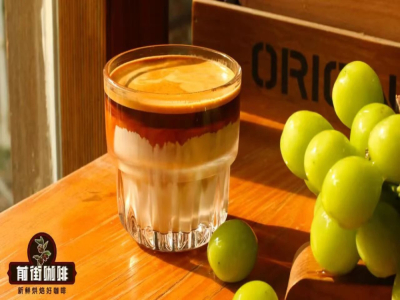
In fact, soe coffee beans have appeared in 2007 and have gradually matured in 2010. North American consumers have become accustomed to ordering a cup of seasonal SOE in cafes. The popularity of SOE has made people realize that as long as there are good enough beans, the recipe for Italian coffee does not need to be complicated. ●What is S
Read more →
Traditionally, in order to highlight the mellow and rich taste of coffee, roasters generally use dark roasting. The deepening of roasting promotes the caramelization of more substances. Therefore, dark roasted coffee usually has rich flavors of chocolate, spices, caramel, cocoa, maple syrup, etc. Aroma-wise, the dark roast coffee has a hint of chocolate
Read more →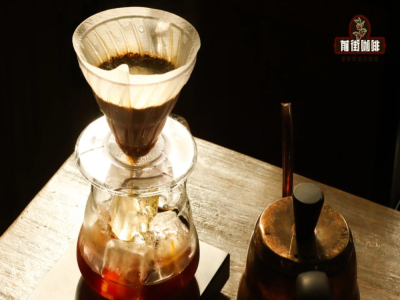
For more knowledge about specialty coffee, please follow the WeChat public account: FrontStreet Coffee There are many similarities between the two brewing methods of hanging coffee and hand-brewed coffee. But for the same kind of coffee beans, hand-brewed coffee will taste better than hanging coffee. Ear hanging
Read more →
If you pay careful attention, you will find that there are many different brewing methods in coffee shops, but based on the grinding degree of the coffee powder, it is usually divided into two types. One is ground as finely as sugar, suitable for hand-brewed coffee, French press coffee, siphon coffee, cold brew coffee, etc., and the other is between flour and sand.
Read more →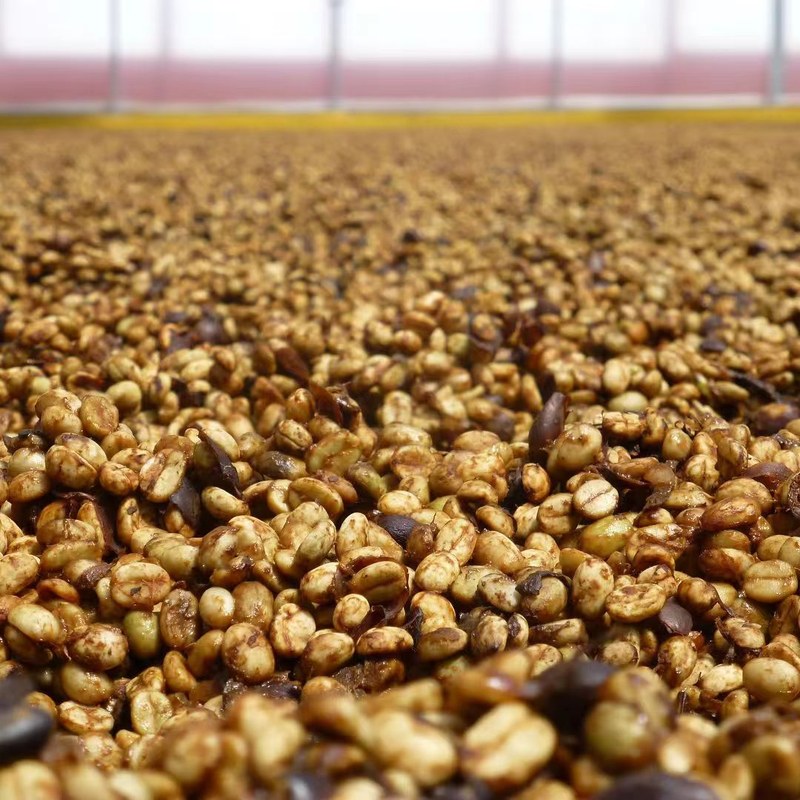
In the morning, a cup of hand brew with bright aroma and not heavy taste is suitable. When you first wake up, your palate has not yet fully opened up. Beans with floral, citrus or tea flavors taste lighter and will not leave an overly bitter taste in your mouth. When brewing, you can use a higher water temperature to allow the aroma to develop faster; if you want a softer taste,
Read more →
Is single-origin coffee bad because it’s a little sour? Why does single-origin coffee taste sour? Where does the sourness of this item come from? 1. The source of sourness: coffee cherry. I think many people don’t know that coffee originally looks like this, just like cherries, with a shiny feeling.
Read more →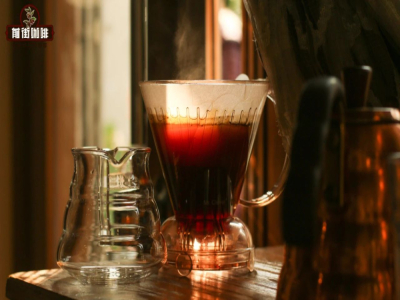
Introduction Sometimes, I want to drink a cup of black coffee, but I don’t want to use the “complicated” hand brewing method (with many utensils). Then as a simple immersion type of coffee appliance, it is very advantageous, among which the smart cup and the French press are the most classic. So how to choose between these two coffee appliances? Smart Cup Smart Cup is
Read more →
Yirgacheffe is made into SOE, which usually brings citrus, floral, berry and tea flavors into the concentrated cup, presenting a lighter temperament than traditional dark roasted Italian. The SOE here refers to single-origin concentration. The focus is not on pursuing a strong bitter taste, but on allowing the personality of the production area to leave a clear imprint in a short extraction. When choosing beans, think first
Read more →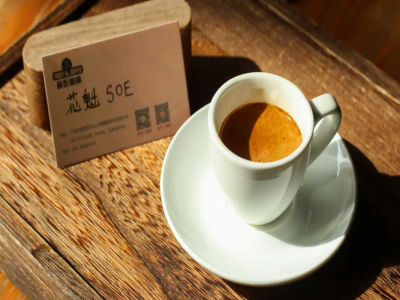
SOE coffee is the English abbreviation, the full name is Single Origin Espresso, which means single origin espresso, or to put it simply, it is single origin espresso. The biggest feature of this kind of coffee is that it can show the flavor characteristics of different regions. For example, if you want to drink sour Najgacheffe
Read more →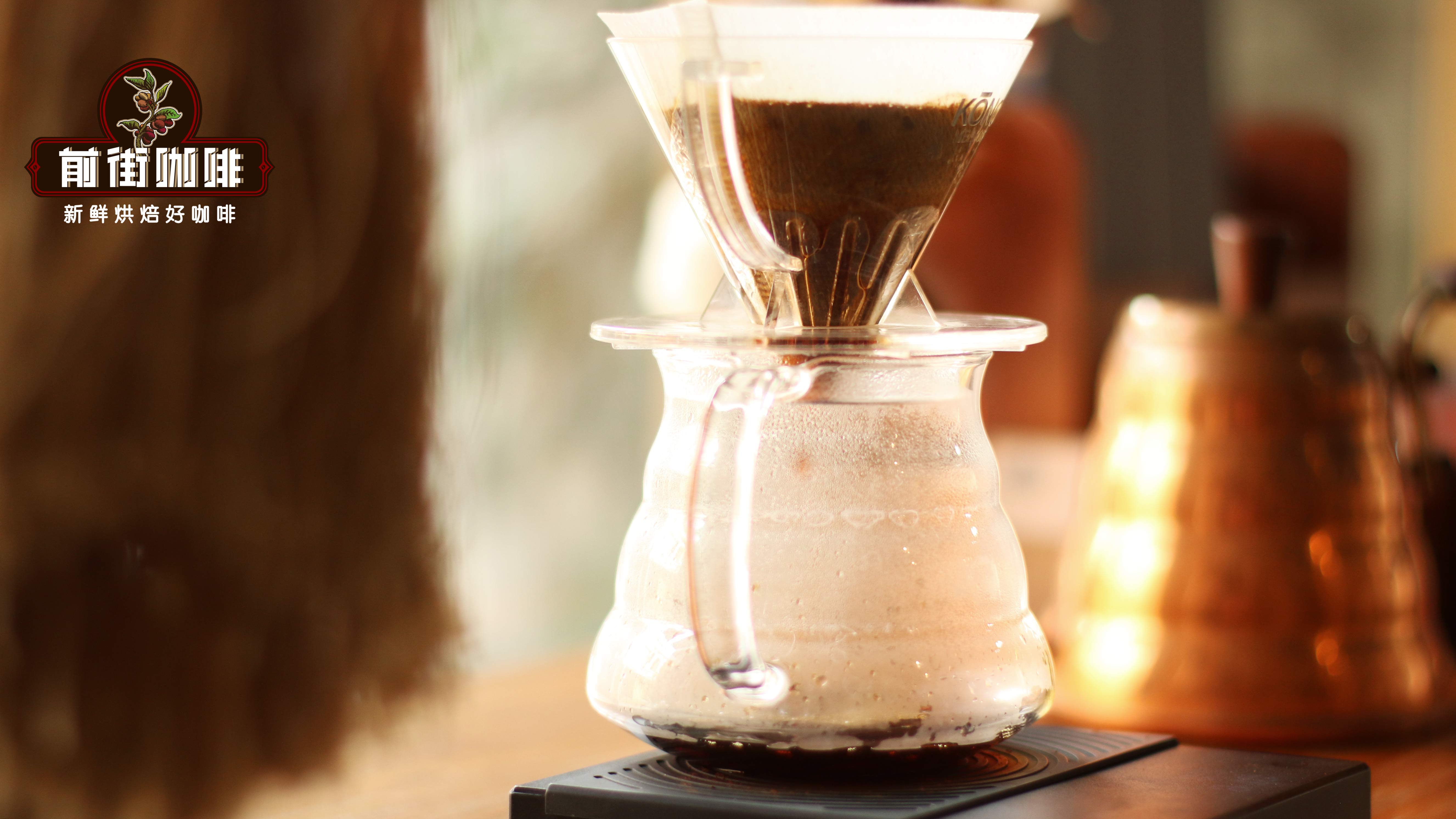
Coffee grind size is a very frustrating factor. Many of the problems that friends encounter when brewing are caused by inaccurate grinding. For the grinding degree of hand-brewed coffee, Front Street recommends using a No. 20 (0.85mm) standard sieve for calibration, with a pass rate of 80% (10g of coffee powder can be used
Read more →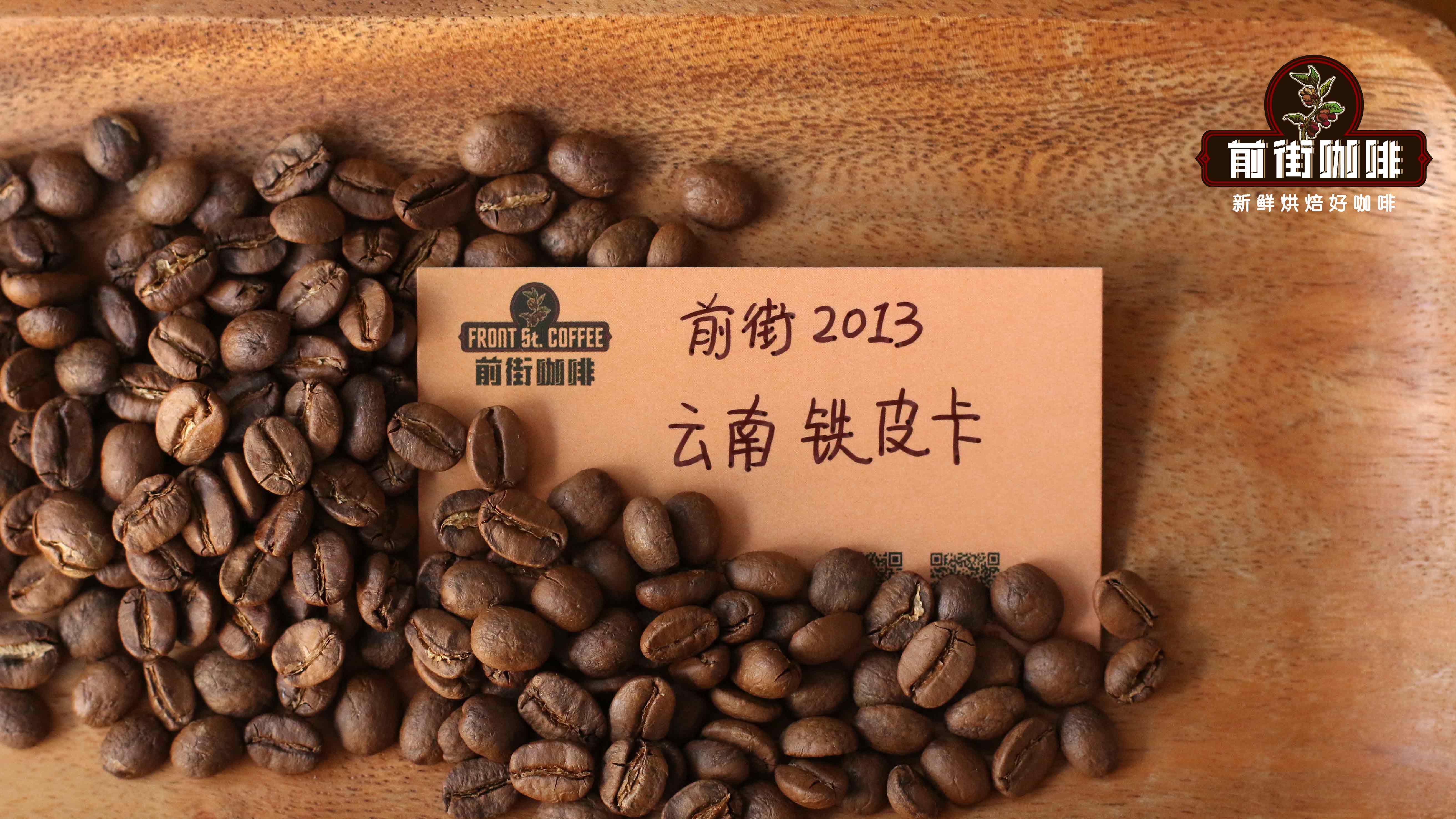
Introduction to Front Street Typica Coffee Coffee varieties are simply divided into three categories: Arabica, Robusta, and Liberia. These are the three major original species of coffee beans. No matter where the coffee is grown in the world, it cannot escape from these three major species. We often hear about Front Street Jamaica Blue Mountain, Front Street Oiran, and Front Street Yerga.
Read more →
Many people's first coffee appliance is not a pour-over pot, but a Moka pot. It's cheap, sturdy, and requires no skills. Just put it on the stove and you'll be able to make a cup of rich hot coffee in just a few minutes. Once the aroma wafts around, the whole kitchen will wake up. But people who use a Moka pot for the first time often fail in choosing beans: just buy a bag of beans and bring them back.
Read more →
When you go to a coffee shop to buy beans, the clerk will always ask: "Do you want a blend or a single product?" Novices are often asked: Aren't they all coffee beans? What's the difference? Put it on a moka pot, the difference is really big. Blend beans and single-origin beans follow two different design ideas. Blending is "taking advantage of each other's strengths", combining ingredients from different production areas
Read more →
The convenience of a fully automatic coffee machine is that grinding, filling and extraction can be completed with one click, but the coffee beans still determine the main character of the cup. Whether you want a refreshing black coffee in the morning, a refreshing Americano in the afternoon, or you want to make a latte every day, the right beans are different. Start with the actual drinking method first, and then look at the flavor intensity,
Read more →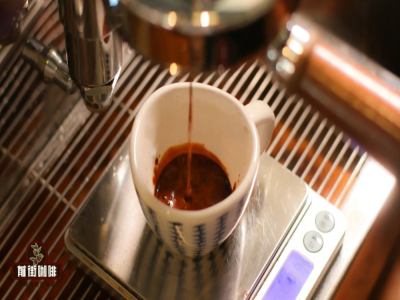
The original function of coffee is to refresh your mind. Whether it is espresso that you drink right away, American drip coffee that is always available in the office, or even hand-brewed single-origin coffee that is specially made from coffee beans, it all has the function of refreshing you. It’s just that everyone chooses the right one based on different requirements for scenarios, functions, and taste.
Read more →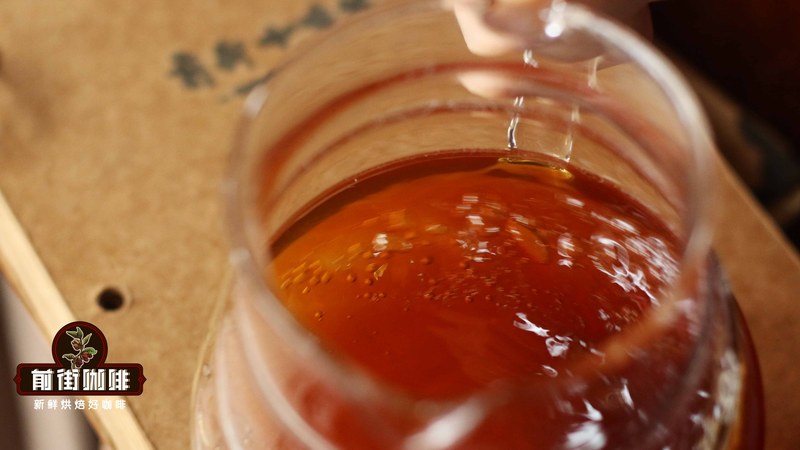
Iced coffee is not a unified process of cooling hot coffee. The proportion of ice cubes, drinking speed and whether to add milk will all change the performance of the beans. When in a hurry, people pay more attention to a clear entrance and smooth swallowing; if you drink it slowly in the afternoon, you can expect the aroma to unfold; for iced coffee with milk, you also need to let the coffee flavor pass through the milk aroma to ensure that it is delicious.
Read more →
After drinking several cups of cold brew, many people will ask the same question: Using the same method, why are some cold brews "juice" and others "cold bitter water"? The answer isn’t in the recipe, it’s in the beans. Today, I will explain the process of cold brew bean selection from the three dimensions of production area, processing method, and roasting degree. I will also recommend a few recipes.
Read more →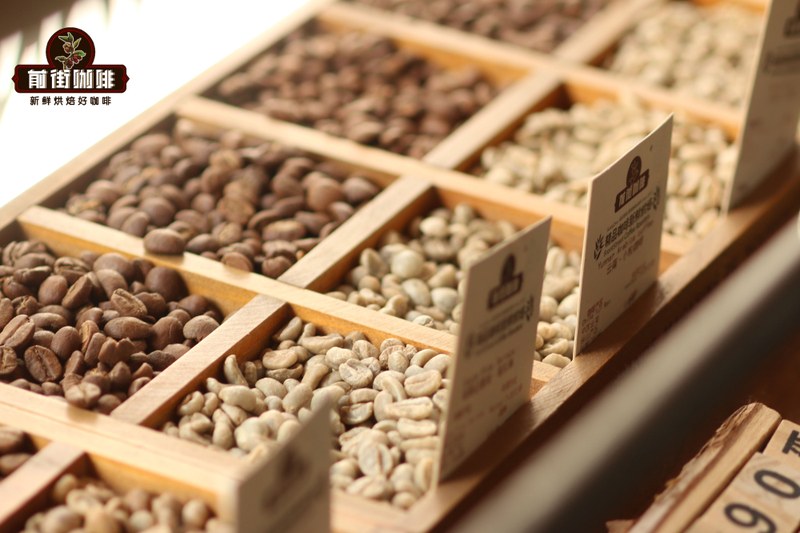
In the morning, a cup of hand-brewed coffee with bright aroma and light taste is suitable. The fruity aroma can quickly open up the taste, and the sweetness will make the taste more comfortable on an empty stomach or after breakfast. When picking beans, you can give priority to the direction of light roasting or medium-light roasting. Floral, citrus, berry and tropical fruits are usually easier to perceive. If you don’t like the obvious sour taste, you can
Read more →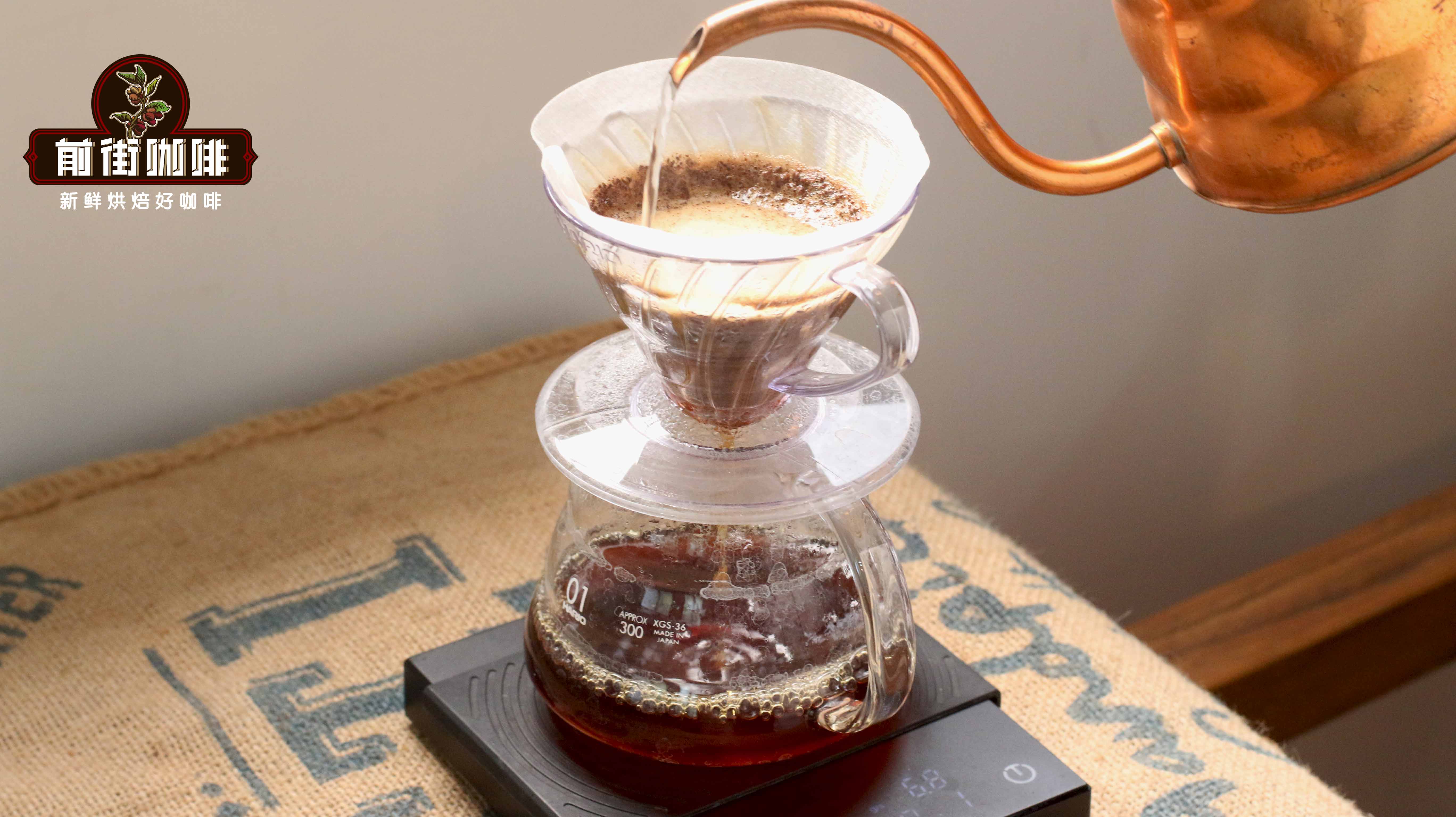
If you want a novice with no water filling experience to make a good cup of coffee, Front Street believes that most coffee experts will not recommend using the "Taiwan Balm" V60 in the filter cup industry, but a cake filter cup. Because compared to the cone-shaped filter cup, the cake filter cup does not have too high requirements for water injection skills.
Read more →
People always like to describe the beauty of a cup of coffee as strong and sweet. However, what does strong mean? What is alcohol? What's the difference? The roasting degrees of our common coffee beans on the market can be roughly divided into three categories: light roasting, medium roasting and dark roasting. In order to highlight the mellow and rich taste of coffee, roasters generally
Read more →Be the first to know about new bean releases, brewing tips, promotions and cupping notes

Scan to Follow Front Street Coffee on WeChat
