FrontStreet Coffee found the following content related to "middle layer" for you
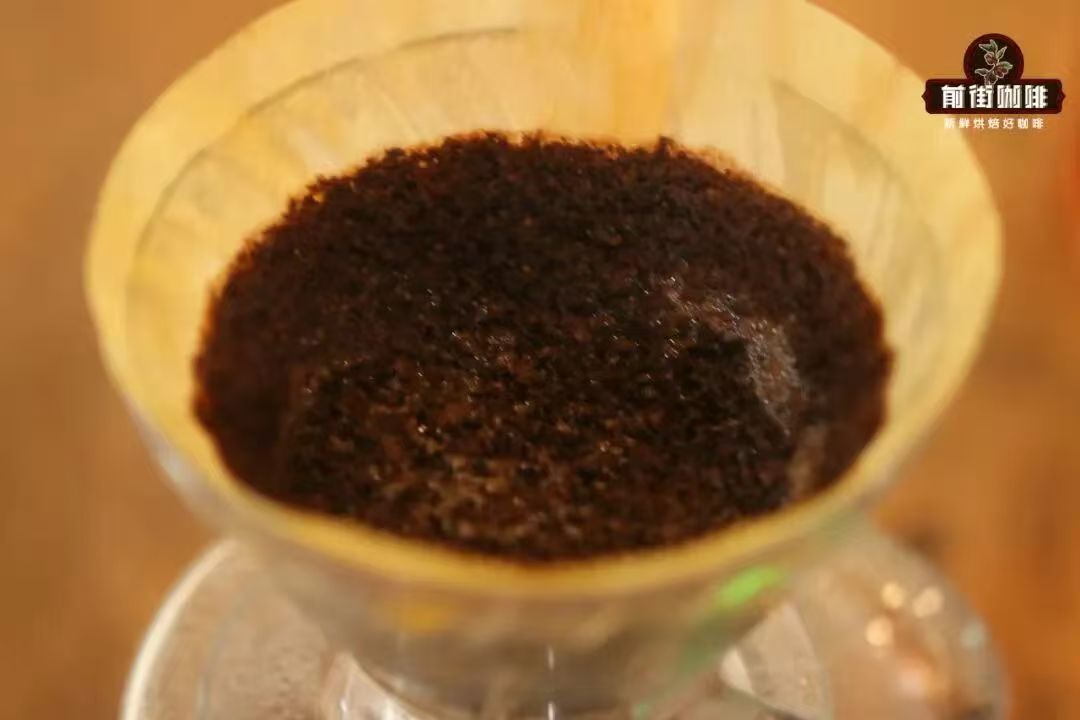
In the past few years, there has been a "new face" in the specialty coffee circle that has become increasingly popular—Xizhao. It has appeared frequently in world coffee competitions and has become the same bean variety that won the championship. Front Street Colombian Hija is your choice to bring this star bean to your daily dining table. The same bean variety as the champion, with a more powerful flavor than Front Street Colombian Hija, produced in Colombia
Read more →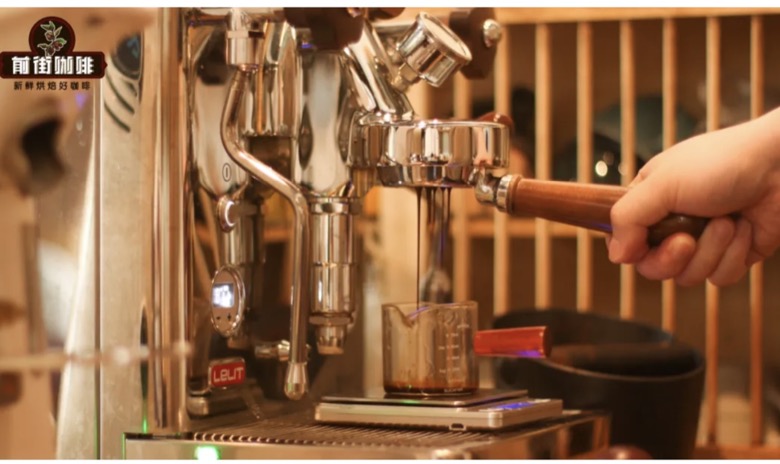
For those who like a mellow taste and beautiful oils, you only need to focus on two variables when choosing beans: bean type and roasting degree. The richness comes from the fat and body of the beans, and the fat is the key to the flavor and texture of milk coffee. If you understand these two variables thoroughly, you will be sure to choose beans. Let’s look at the bean seeds first. Fatty beans, usually
Read more →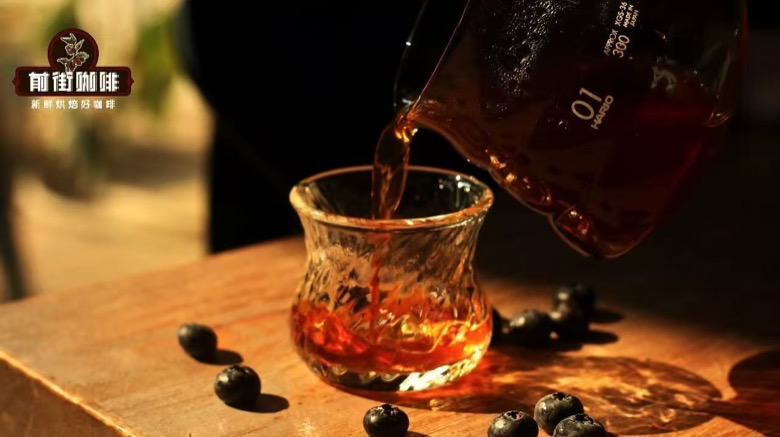
The charm of hand-brewed coffee lies in the flavor differences of the production areas. However, faced with the dazzling array of beans on the shelves, many novices are prone to difficulties: Which production area should they choose? In fact, you don’t have to memorize the flavor from the production area. Instead, work backwards from your own taste preferences. The choice will be much simpler. If you like floral and citrus notes, you can give priority to Ethiopia.
Read more →
With the popularity of specialty coffee culture, more and more coffee fans are beginning to study how to brew coffee at home to bring out the flavor of single-origin coffee beans, but they don’t know how to do it. They always feel that the flavor of the brewed coffee is not as good as that drunk in a cafe. So how can you brew the flavor of a single-origin coffee bean?
Read more →
When ordering at a coffee shop, you often see "100% Arabica" written on the package. What does this word mean? Why do so many Italian blends emphasize it? This article will start with the characteristics of Arabica beans, take you through several representative 100% Arabica Italian blends, and talk about them by the way.
Read more →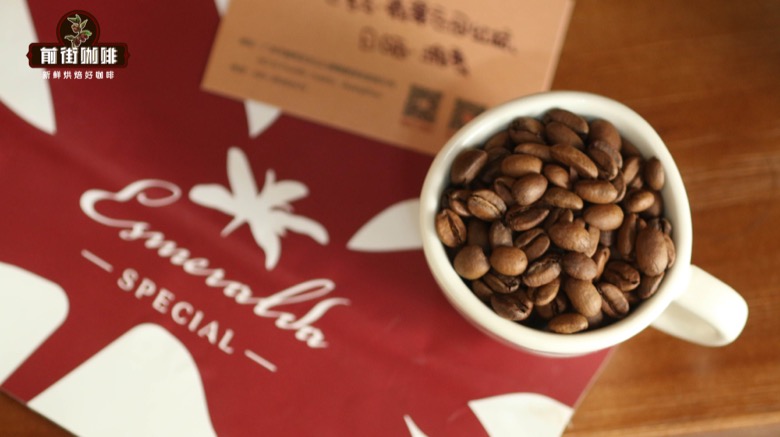
Geisha is probably a highly talked-about variety in the world of specialty coffee: its elegant jasmine aroma, citrus and black tea-like delicate flavors make many enthusiasts willing to practice brewing for it. However, Geisha is mostly lightly roasted, and the beans have a dense texture and strong exhaust, so you need to use the habit of deep-roasting beans to soak them.
Read more →
Oiran coffee is a single-origin coffee from Ethiopia. It is famous for its explosive aroma and sweetness, and its taste is very recognizable. It once won the first place in Ethiopian international coffee cupping for sun-dried beans in the 2017 production season, and this batch of green beans was also named "Oiran" because of its status as the champion. In mining
Read more →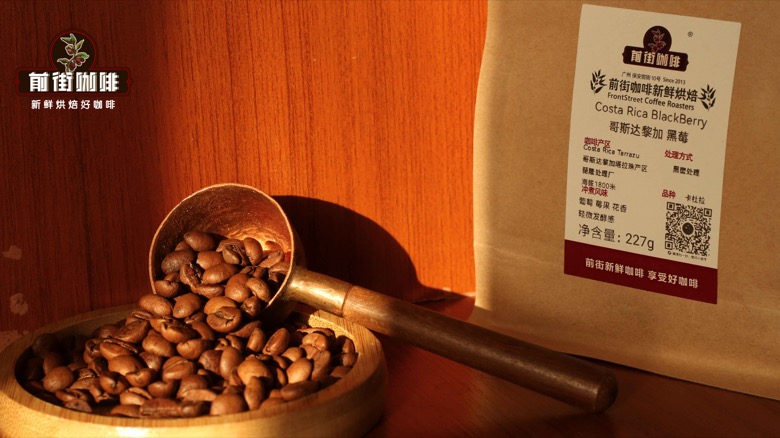
If you often see the word "Xizhao" on the menus of specialty cafes, you may be curious as to why it is always placed in a prominent position. Chiclaw is a bean variety that has been active in competitions in the past two years. Front Street Colombian Chiclaw is the same bean variety that came from Columbia’s Divide Estate as the champion. Many players use it to play competitions, and they have also
Read more →
Coffee is a drink that people can't put down all over the world, and it is also the most popular drink in the world. When it comes to the persistence of coffee, it is undoubtedly Japan, because Japan’s coffee culture has a long history, and Japanese coffee workers are also very professional. As another mainstream representative,
Read more →
Oiran coffee is a single-origin coffee from Ethiopia. It is famous for its explosive aroma and sweetness, and its taste is very recognizable. It once won the first place in Ethiopian international coffee cupping for sun-dried beans in the 2017 production season, and this batch of green beans was also named "Oiran" because of its status as the champion. In mining
Read more →
Espresso originated in Italy, derived from the Italian word Express, which means "pressed out, pressed out". Through the pressure of the steam in the espresso machine's boiler, the water passes through the extremely finely ground and manually pressed coffee powder layer, squeezing out a highly concentrated coffee liquid. Because of this
Read more →
Lightly roasted coffee beans are very suitable for brewing by hand to open up the flavor, but the same clear acidity will not be the same when consumed at different times. In the morning, you need lightness to wake you up. During work breaks, a cup with a clear aroma and a smooth mouth is suitable. When you have enough time in the afternoon, you can choose beans with richer layers. First imagine this cup of coffee will
Read more →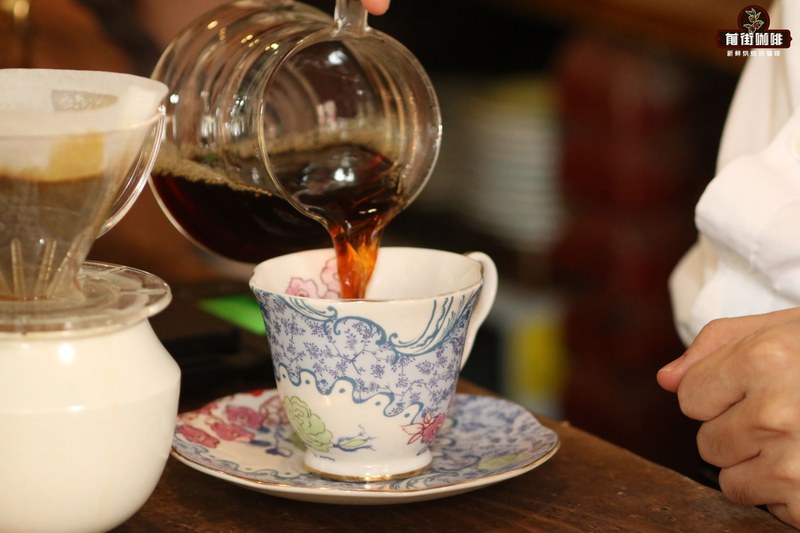
Lightly roasted coffee beans are very suitable for brewing by hand to open up the flavor, but the same clear acidity will not be the same when consumed at different times. In the morning, you need lightness to wake you up. During work breaks, a cup with a clear aroma and a smooth mouth is suitable. When you have enough time in the afternoon, you can choose beans with richer layers. First imagine this cup of coffee will
Read more →
Lightly roasted coffee beans are very suitable for brewing by hand to open up the flavor, but the same clear acidity will not be the same when consumed at different times. In the morning, you need lightness to wake you up. During work breaks, a cup with a clear aroma and a smooth mouth is suitable. When you have enough time in the afternoon, you can choose beans with richer layers. First imagine this cup of coffee will
Read more →
Africa is the hometown of coffee and an important center for fruit-acid flavored coffee. Among the many African growing regions, Yirgacheffe and Kenya are undoubtedly the two shining stars - both are known for their bright fruit acids, but their styles are completely different. Many coffee lovers are torn between these two beans, so today I will put them together.
Read more →
Many friends who don’t like to drink sour coffee have had this experience: they placed an order after looking at recommendations online, only to get a sour taste that made them feel bad. What exactly determines the sourness and bitterness of coffee? How to choose to avoid the sour taste? This article explains it all once and for all. The sourness and bitterness of coffee mainly depends on these factors when roasted
Read more →
Is anyone else like me, the most fearful thing about drinking coffee is the "acidity"? I obviously wanted to drink a cup of fragrant and refreshing drink, but the sour fruity taste immediately put me off after taking one sip. Don’t worry, there are actually many good beans that are not sour. As long as you choose the right direction, you can have a cup of mellow and smooth beans every day. If you are afraid of sour beans, just remember two key words
Read more →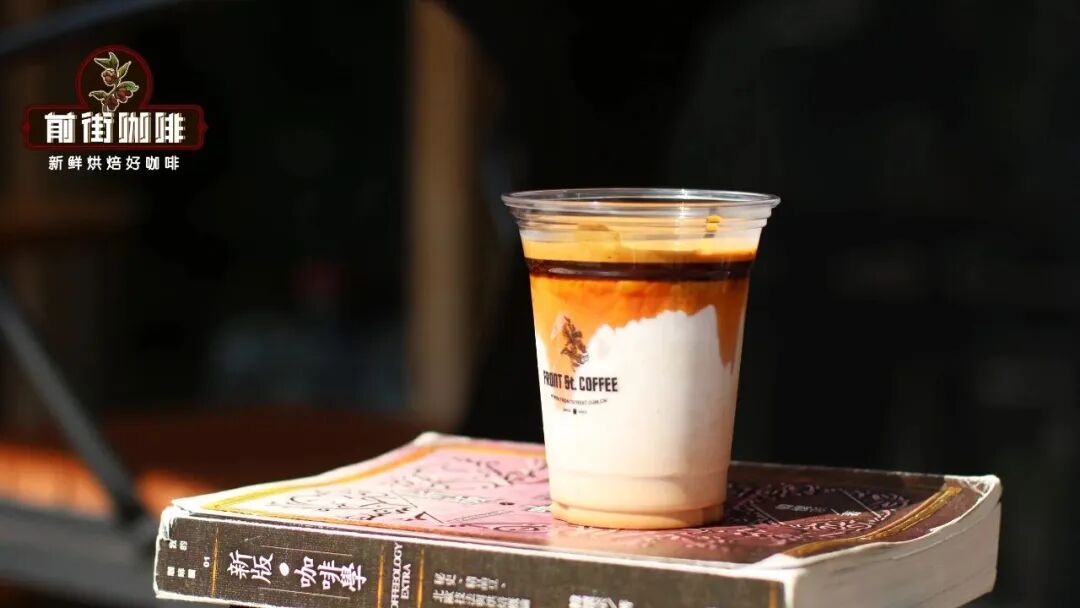
Front Street mentioned in the article "Why are Dirty in coffee shops always served in small cups?" last year that the reason why Dirty is not made into large cups is mainly because when the espresso remains unchanged, the remaining space can only be filled by adding more ice milk. Although it does not affect the visual effect of the gradient, it does
Read more →
Many people will be surprised by the taste when they drink hand-brewed coffee for the first time: it turns out that coffee is not only bitter, it can be sour, sweet, fragrant, like fruit tea, and like flowers. This is the "Flower and Fruity Pie" that is very popular in hand-brewed coffee. Its charm lies in amplifying the original flavor of the coffee beans to you:
Read more →
For more knowledge about specialty coffee, please follow the WeChat public account: FrontStreet Coffee Espresso originated in Italy, derived from the word Express in Italian, which means "pressed out, pressed out". Through the espresso machine boiler
Read more →Be the first to know about new bean releases, brewing tips, promotions and cupping notes

Scan to Follow Front Street Coffee on WeChat
