FrontStreet Coffee found the following content related to "household" for you
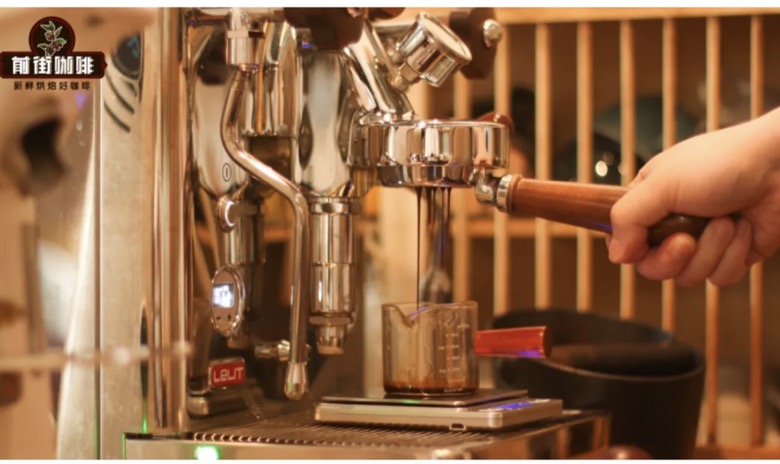
When preparing to open a coffee shop, the most uncertain thing is often not the machine, but the bag of Italian beans that need to be ground every day. Whether the beans are right or not directly determines whether the product is stable and whether customers will come back. The matter of finalizing the product can actually be broken down into several steps. Once the thinking is clear, selecting beans is no longer a matter of patting your head.
Read more →
When preparing to open a coffee shop, the most uncertain thing is often not the machine, but the bag of Italian beans that need to be ground every day. Whether the beans are right or not directly determines whether the product is stable and whether customers will come back. The matter of finalizing the product can actually be broken down into several steps. Once the thinking is clear, selecting beans is no longer a matter of patting your head.
Read more →
When opening a cafe, the menu can be ever-changing, but the bag of Italian beans consumed every day at the bar is the key to determining daily production and cost accounts. New shop owners often struggle with flavor and personality when choosing beans, but the core appeal of commercial beans is actually that every cup tastes equally good, and the cost of each cup is accounted for. around these two points
Read more →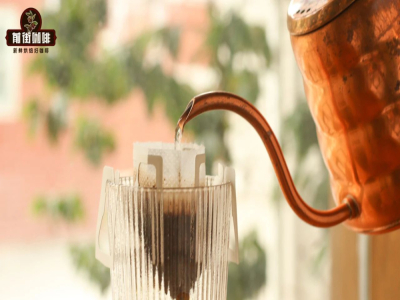
I don’t know if you have ever thought about this problem. It is also for the convenience of pre-grinding the coffee powder and putting it into the filtering device. What is the difference between capsule coffee and hanging ear coffee? In this article, we will talk about these two coffee brewing methods that are popular among enthusiasts. What is capsule coffee? When did it start to appear?
Read more →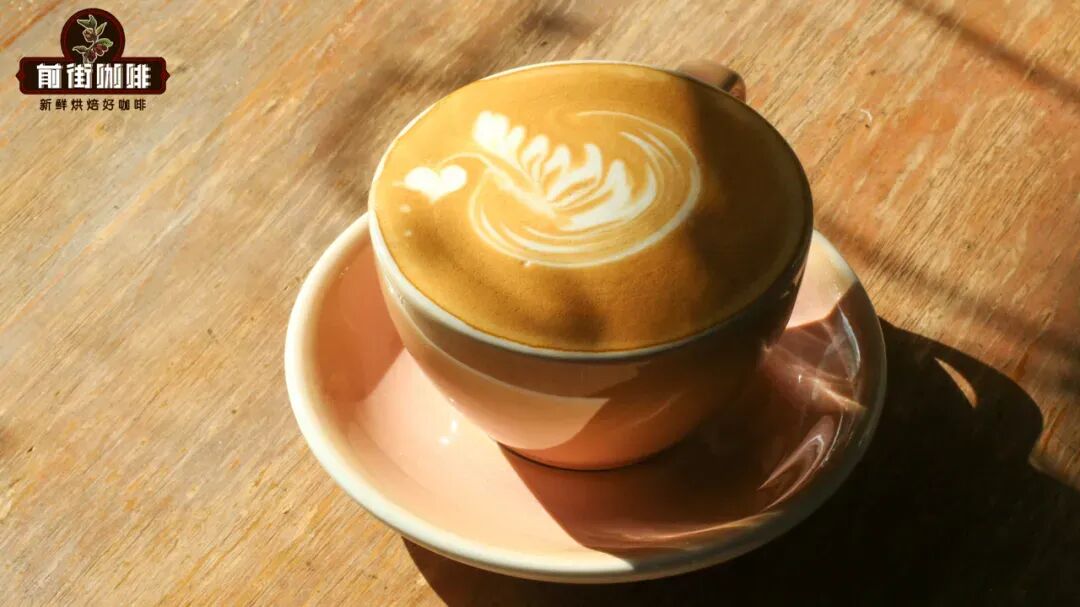
Exquisite patterns float on the fragrant coffee, which is coffee latte art. Front Street believes that if you want to learn how to make perfect coffee latte art, you must first prepare the required materials and equipment in advance, which are mainly inseparable from the following five items: 1. Coffee beans, grinder, and coffee machine: making coffee latte art, milk foam and Espresso
Read more →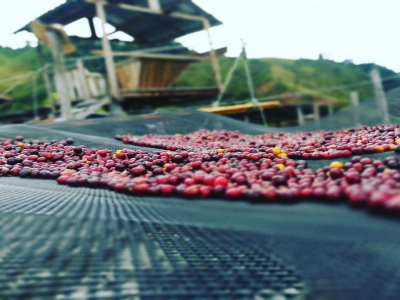
When people mention Africa, their first impression is: desert, drought, tribes, poverty, mystery, etc. Precisely because of its climate and environment, it has become a paradise for coffee trees to grow. The world's first coffee tree was discovered in the Horn of Africa. As time goes by, Ethiopian coffee has become a popular
Read more →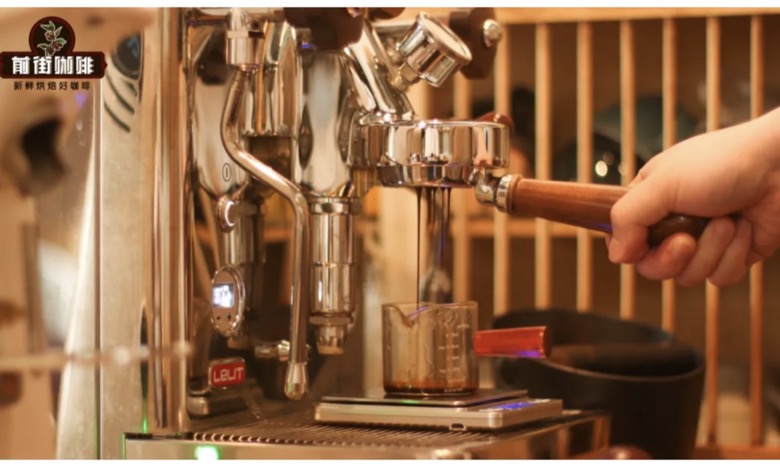
De'Longhi's fully automatic espresso machine combines grinding, powder pressing, and extraction into one button, and the water temperature, water pressure, powder volume, and time are all locked in a stable range by the program. Many people think that the more automatic the machine is, the less important the beans are. In fact, the opposite is true: just because the parameters are fixed, the flavor and character of the beans themselves will be affected.
Read more →
Moka pots are often referred to as "stovetop espresso makers" because they can make a relatively strong coffee liquid that, if you're very skilled and uses freshly roasted coffee beans, can also have a layer of fragrant foaming crema. The magic behind the moka pot is its brewing method. The interior is divided into three spaces:
Read more →
Speaking of Americano coffee beans at home, let’s first look at how to prepare them every day. Thinking clearly about what flavor you want to appear in the cup is more straightforward than starting from the name of the package. If you mainly drink black coffee, you can pay more attention to the aroma and aftertaste; if you often add milk, you have to consider whether the concentration and body can be retained, which will directly affect the quality of the beans.
Read more →
If you walk into any serious coffee shop, the Italian machine in the back kitchen will almost always contain blended beans. Why do coffee shops have so many high-quality single-origin beans that they don't use, but they prefer "blending" them? Today, I will explain the secret of blending beans in one go. Mixing, what exactly is "matching"? Blending means combining different origins,
Read more →
The flavor of milk coffee is 70% coffee and 30% milk. If the concentration is too light, the milk coffee will easily turn into a "milk-flavored drink"; if the concentration is too exciting, the milky flavor will be suppressed. So when making latte, cappuccino, or dirty, choosing the right bean blend is crucial. The following three Front Street blended beans are all suitable for breast milk
Read more →
What is a blended bean? It is a blend of coffee beans from different countries/regions, which usually appears in Italian coffee. Corresponding to the blending is single-origin coffee, also called SOE, which tastes distinct in style, mostly fruit-acid type. The Italian blend combines coffee from multiple places.
Read more →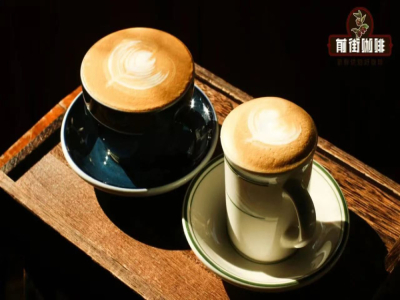
Today I will teach you how to choose coffee beans for making espresso. If the coffee beans used are not suitable, the taste of the coffee will naturally be bad. Let’s first talk about what Italian coffee is. Common Italian coffees include espresso, Americano, latte, cappuccino, Australian white... and the most important thing here is
Read more →
For a long time, the Moka pot has been regarded as an alternative version of the Italian coffee machine because the extraction method is the same as that of the Italian coffee machine. And because the extraction method is the same, the coffee extracted from the Moka pot has a higher concentration and a golden crema. This is reminiscent of
Read more →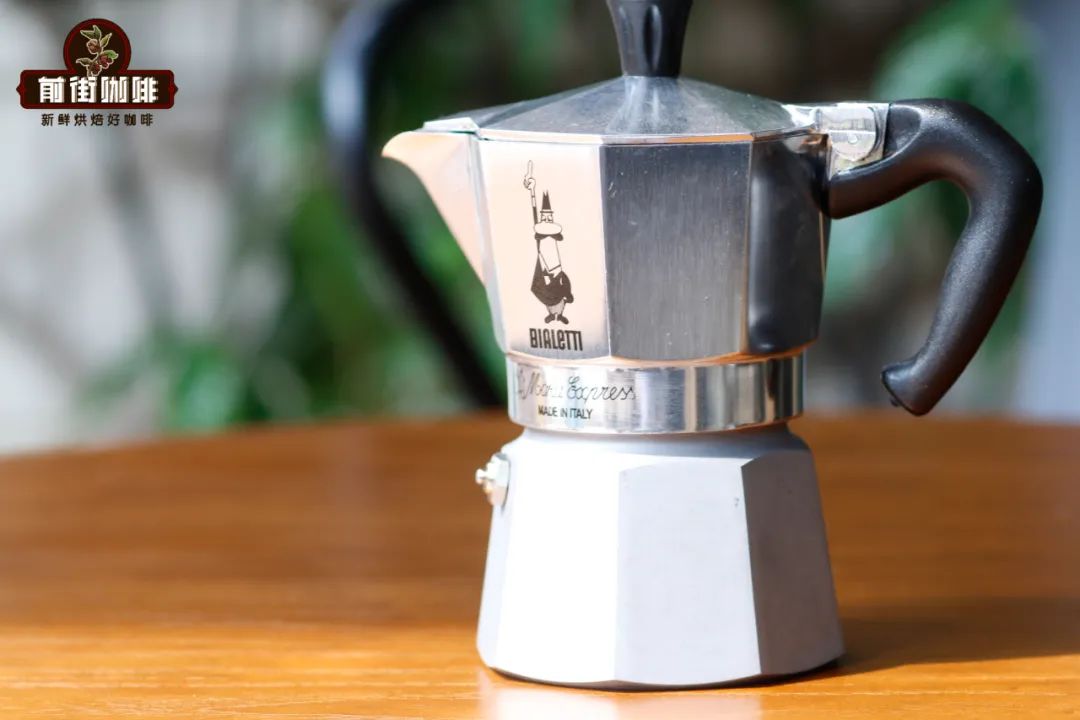
When drinking coffee in the office, the core appeal is two words: convenience. It doesn’t matter if you don’t have a grinder, a pour-over, or even a scale—as long as you choose the right beans and equipment, you can still have a decent cup of coffee at your workstation. Today, let’s talk about how to choose beans and set up utensils in an office setting, so that daily coffee is no longer a matter of make do.
Read more →
When making Italian coffee, beans determine the lower limit. Whether the espresso tastes good, whether the latte art goes smoothly, and whether the milk coffee blends well or not, largely depends on the Italian beans you choose. Today’s article will not talk about metaphysics, but will explain Italian bean selection clearly from the three dimensions of oil, recipe, and scene. Fat: Espresso, the "face" of Italian beans
Read more →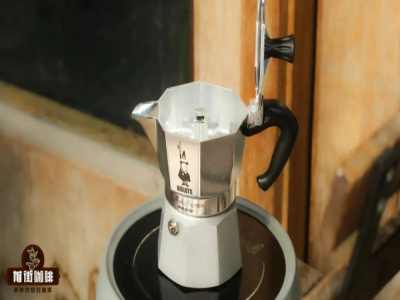
Moka pots are often referred to as "stovetop espresso makers" because they can make a relatively strong coffee liquid that, if you're very skilled and uses freshly roasted coffee beans, can also have a layer of fragrant foaming crema. The magic behind the moka pot is its brewing method. The interior is divided into three spaces:
Read more →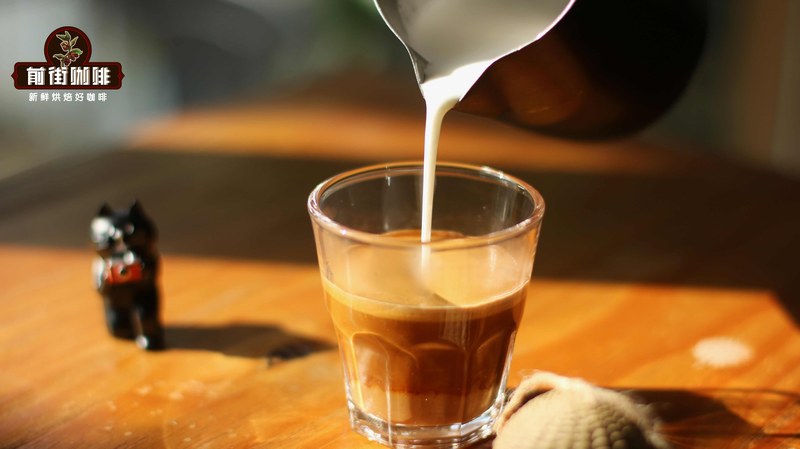
The most common way to use a home espresso machine is not just to make a cup of espresso, but also to make American espresso in the morning, latte with breakfast, and coffee drinks with ice in the afternoon. Whether beans are cost-effective depends on whether they can cover several common drinking recipes, whether they are easy to adjust, and whether they can retain their original properties after adding milk or ice cubes.
Read more →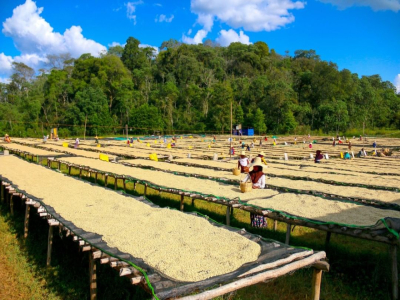
Speaking of African coffee, many people immediately think of Ethiopia, the birthplace of coffee. Citrus, citric acid, jasmine, ripe strawberry, tropical fruits, berries, and honey are all flavor terms often used to describe Ethiopian coffee beans. Among them, Yirgacheffe is the most famous, and the flavor of Yirgacheffe is exquisite.
Read more →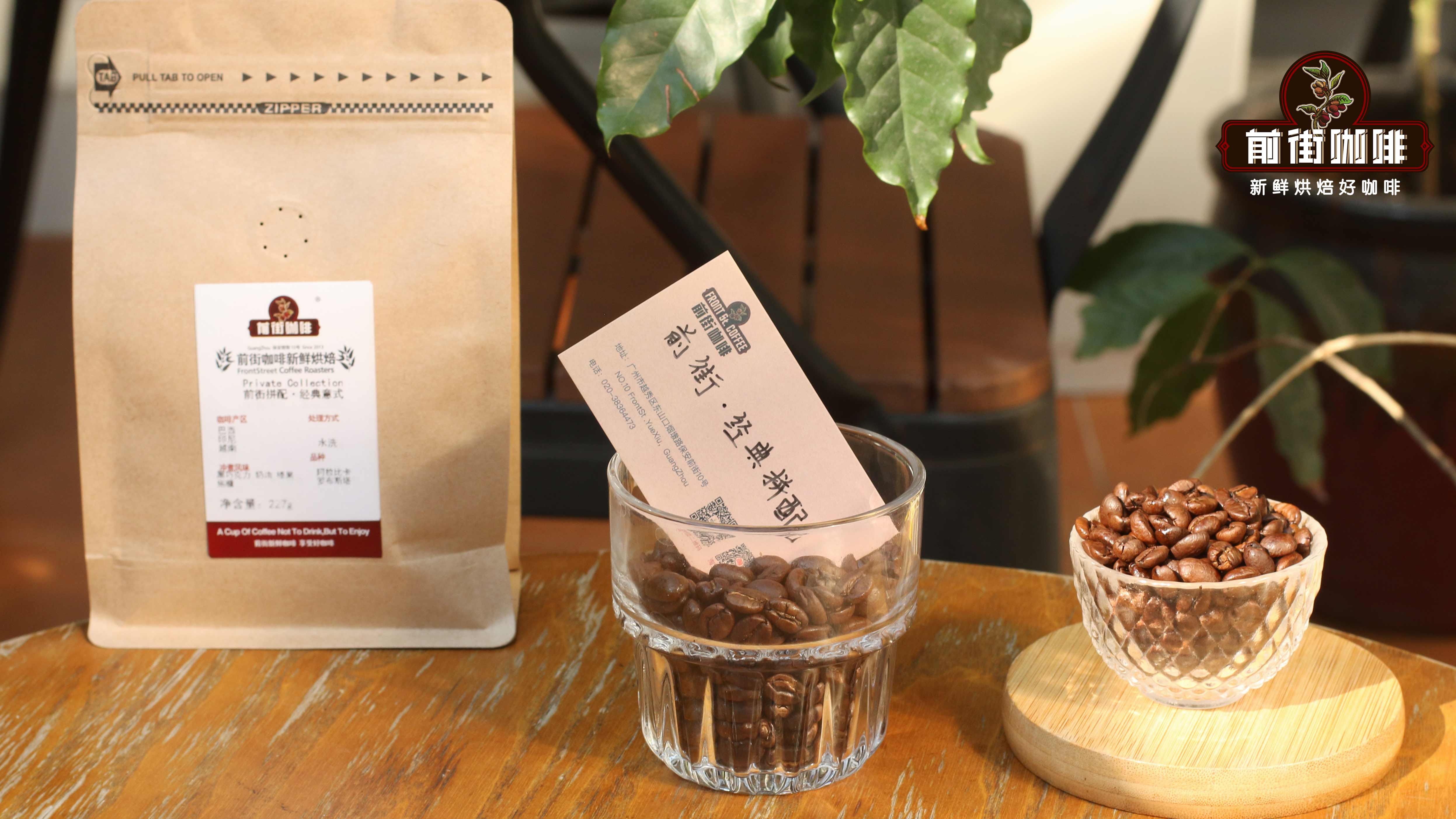
The most popular thing about the Moka pot is that it can produce a grease similar to espresso. In addition to improving the taste, this grease is also an auxiliary "artifact" for latte art! Therefore, if the additional condition is that you want the coffee extracted from the Moka pot to be "rich in oil", or you want to make
Read more →Be the first to know about new bean releases, brewing tips, promotions and cupping notes

Scan to Follow Front Street Coffee on WeChat
