FrontStreet Coffee found the following content related to "cappuccino" for you
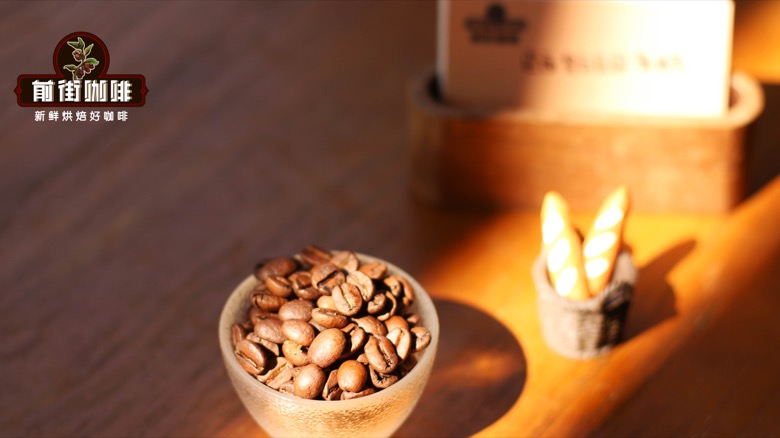
Not everyone likes bright fruit acids. For coffee lovers who prefer a mellow, low-acid taste, Brazilian coffee beans are often an unavoidable choice. Front Street Brazilian Queen Estate is just such a bean - low in acidity, balanced in taste, with rich nutty cocoa aroma and obvious caramel sweetness, suitable as a
Read more →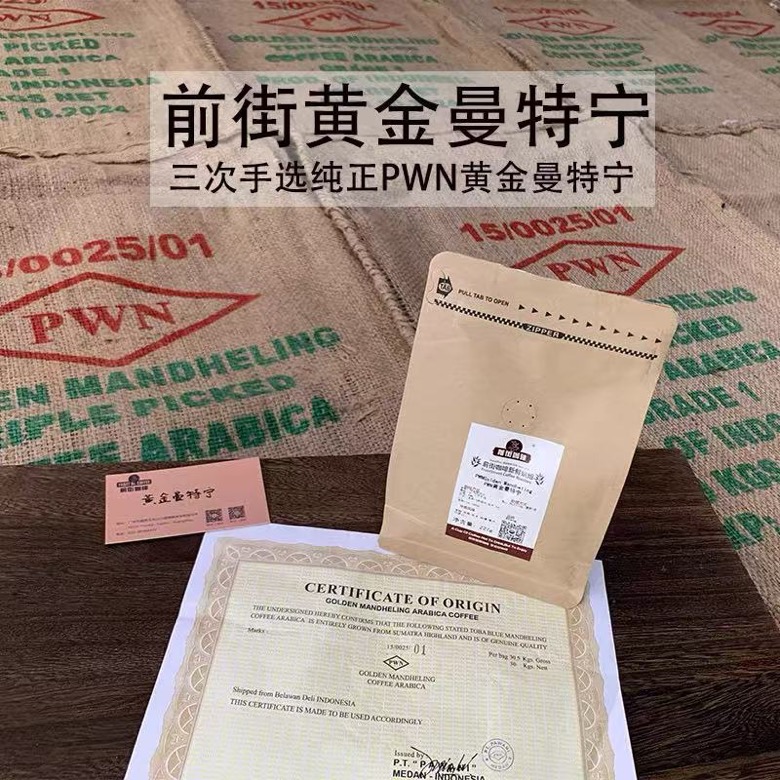
Coffee lovers who like a rich taste must be familiar with the word fat. The dense and thick oil makes the concentrated taste smooth and the milk coffee more textured. If you want to drink coffee with mellow fat, you can start with classic blending when selecting beans, and then advance to single-origin beans, step by step to find the fat style that suits you best. entry stage,
Read more →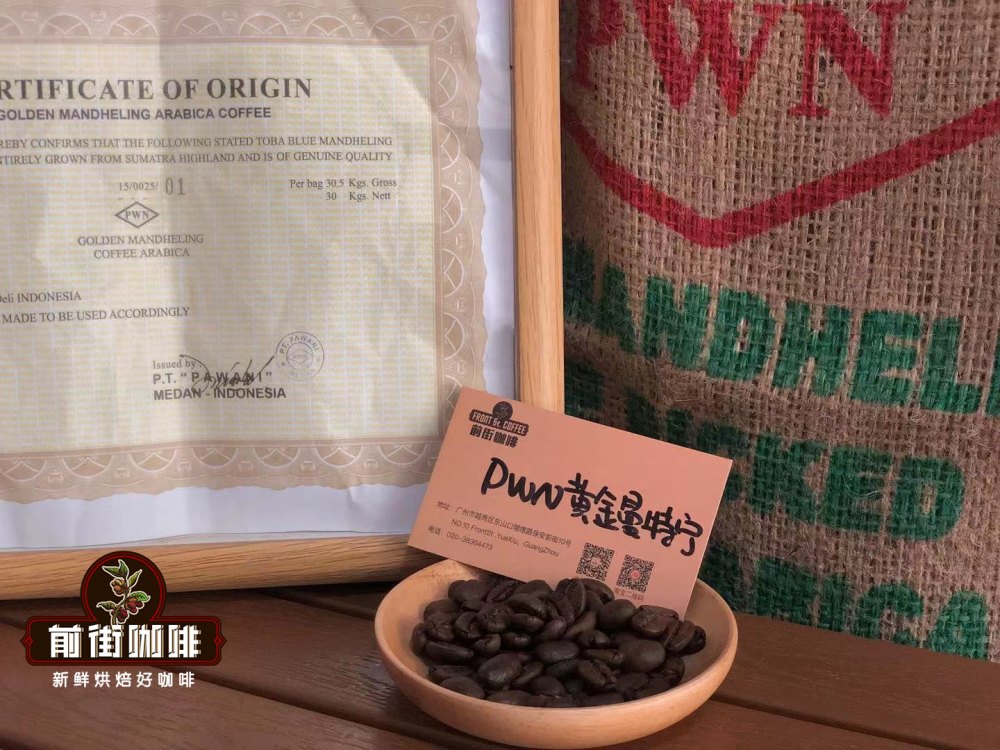
In the world of full-bodied coffee, Mandheling is an unavoidable name; and the "golden Mandheling" in Mandheling is a high-grade version with a certification system. This article breaks down its flavor code. What is Mandheling? Mandheling is not a variety name, but a general name for coffee from the Sumatra production area. The coffee from this producing area is known for its mellow
Read more →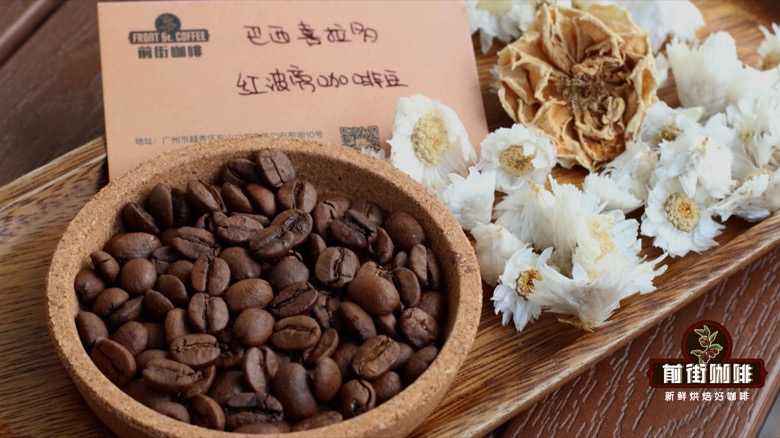
The fact that an Italian blend of beans can be used in stores for nearly ten years speaks volumes in itself. Front Street Blend is such an existence - it uses Brazilian Cerato and Colombian Whelan beans, and is responsible for the production of core drinks such as American and Italian latte in the store. The flavor is classic and stable. Recipe analysis:
Read more →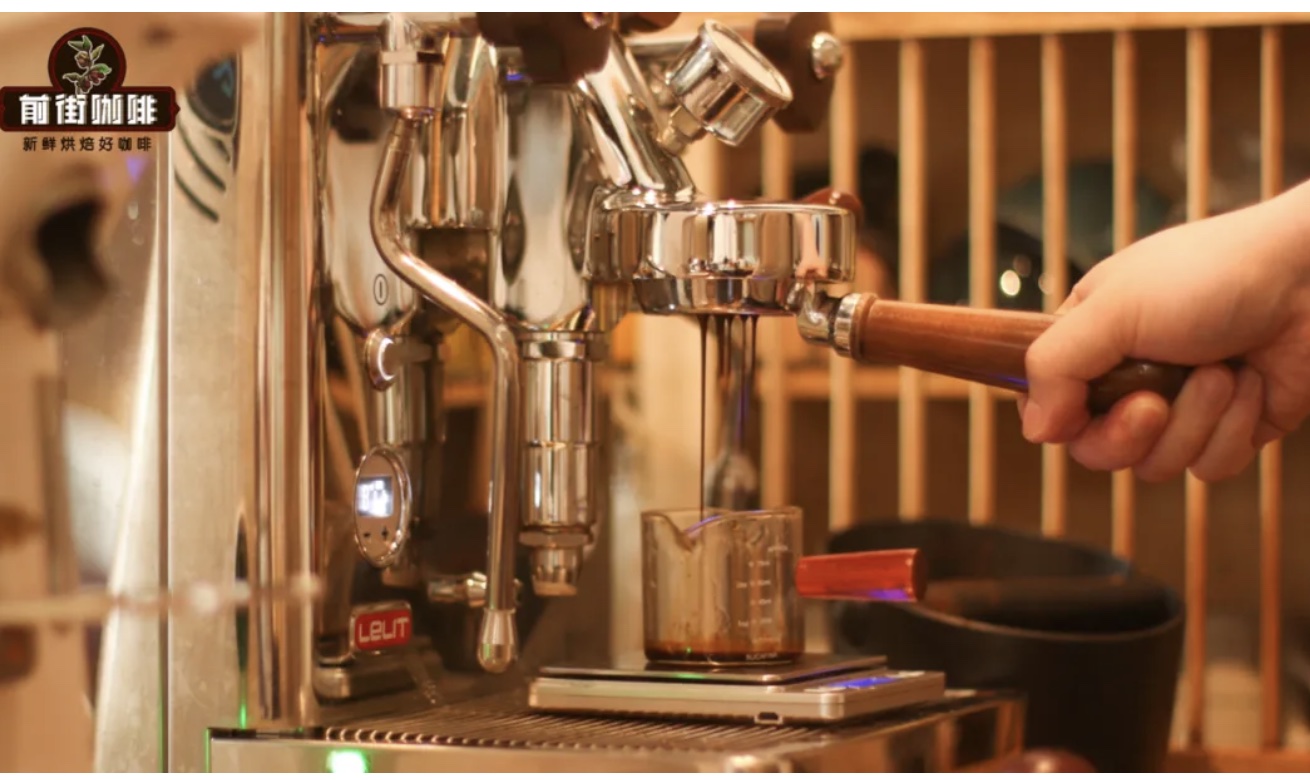
After many friends bought a semi-automatic espresso machine home, the first thing they did was not study the extraction parameters, but got stuck on "what beans to buy." Supermarket beans are too random, while high-quality beans are afraid of being ignored. In fact, selecting beans for a home Italian machine is not complicated. Just choose according to budget and taste. Affordable price: first reduce the cost and get started
Read more →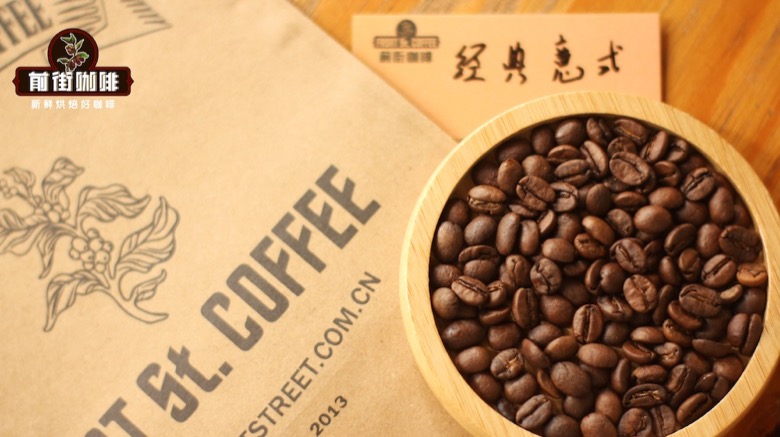
When opening a coffee shop, the selection of coffee beans is an unavoidable core issue. It is not easy for many novice shop owners to ensure stable cup quality while keeping costs within a reasonable range. Among the many Italian-style bean blends, Front Street Black Cocoa Blended is positioned as "good taste and affordable" and has become a favorite among many store owners.
Read more →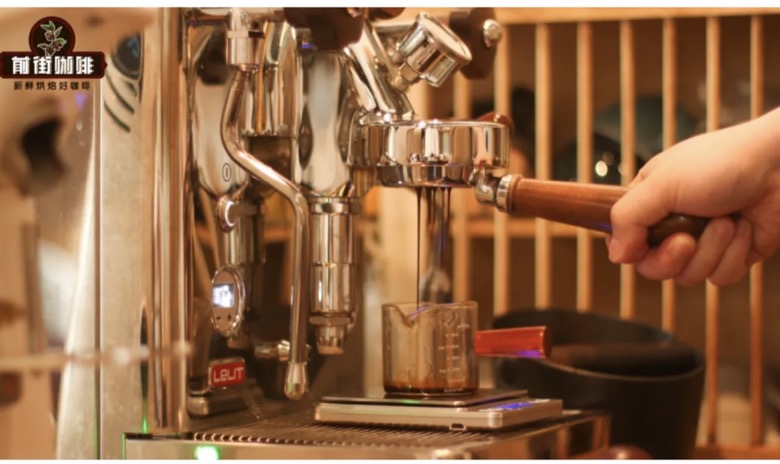
I have a semi-automatic espresso machine at home, and the most common thing I struggle with is what beans to buy. In fact, the idea will be much clearer if you choose three categories according to daily drinking scenarios: daily milk coffee, black coffee American style, and advanced exploration, each with its corresponding bean direction. The most common scenario is daily milk coffee. Most home users buy Italian machines because
Read more →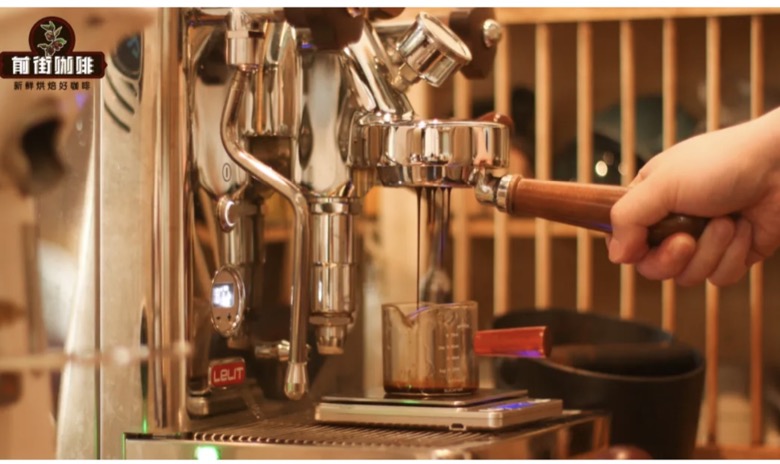
When you open a shop to make Italian coffee, the formula structure of the blended beans directly determines the flavor direction and cost control of the product. Behind a good cup of espresso is the careful combination of base beans and specialty beans. The base beans are responsible for supporting the richness and oil, while the specialty beans are responsible for the finishing touch of flavor. Clarify the matching logic and select beans for commercial use
Read more →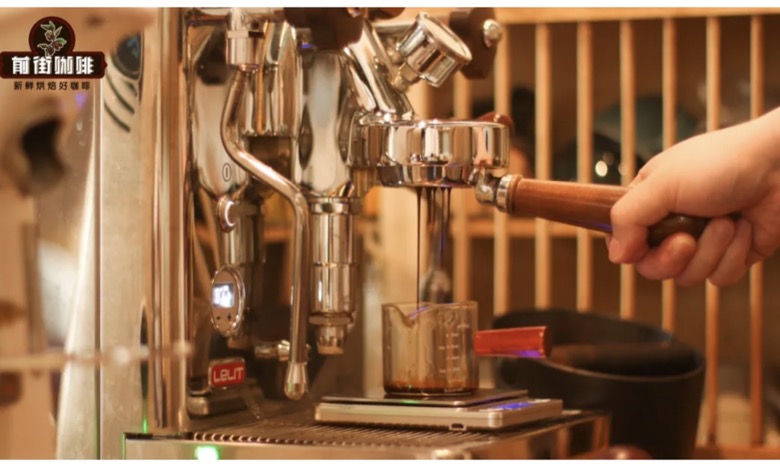
When opening a coffee shop, whether the menu is good or not will directly affect the structure of the product. Many new store owners only focus on "which beans are delicious" at the beginning. In fact, it is more worth thinking about the structure of the bean list first: a basic bean responsible for driving volume, a special bean responsible for creating memory points, and a backup plan. The product line of the store is
Read more →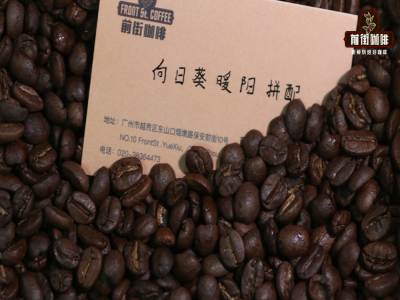
The espresso blended coffee beans used by FrontStreet Coffee are to increase the richness and harmony of the taste, but are not absolutely necessary. Nowadays, there is also the practice of SOE coffee, which is to use coffee beans from a single producing area to make Italian coffee, highlighting the coffee from that producing area.
Read more →
I have a espresso machine at home and want to drink milk coffee, but I also want to drink a cup of coffee by hand occasionally. How do I prepare beans? Many people's first reaction is to "buy two packs of beans." In fact, the key is to understand that blended beans and single-origin beans perform their respective roles, and then match them according to your own drinking habits. This article clarifies the logic of the two sets of "beans". Blend Beans: Responsible
Read more →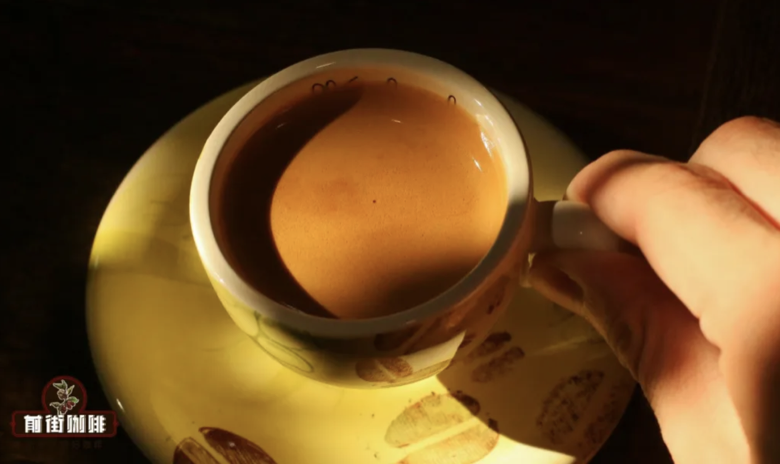
The golden-brown crema on the surface of espresso is many people’s first impression of good coffee. Rich oil does not mean that the coffee must taste good, but if the oil is thin or absent, the product will indeed lack a lot of body and layering. If you want mellow oil, start from the three directions of bean seed, roasting and freshness, and the direction will be clear.
Read more →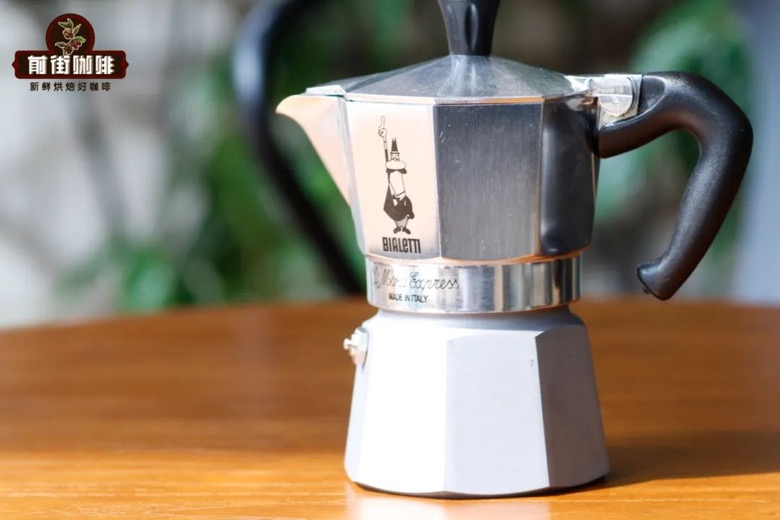
The Moka pot is an introductory appliance for making coffee in many households. It has a simple structure and is affordable. However, to make good use of the Moka pot, bean selection is more important than you think. The extraction principle of the Moka pot is between the Italian machine and hand brewing. The steam pressure pushes the hot water through the powder cake. The extraction is thicker than hand brewing but lighter than Italian brewing. Seize the oil, grind and roast when selecting beans
Read more →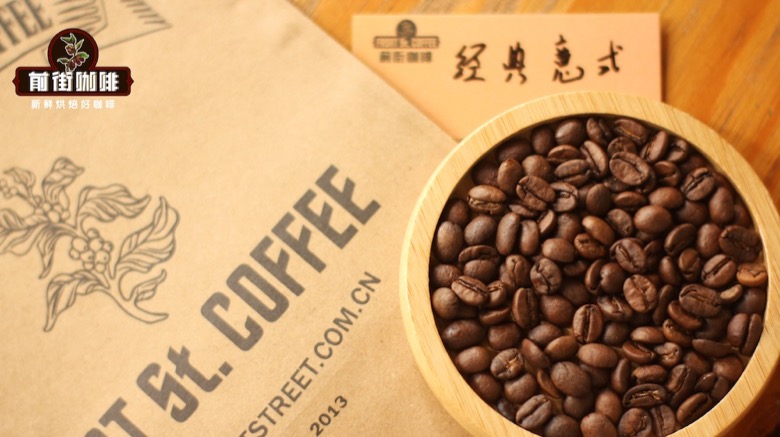
Today, when premium beans are in full bloom, blended coffee still firmly occupies the bar counter of cafes. The reason is very simple. To make American style and latte every day, you need a bean with stable flavor and not easy to make mistakes no matter how you extract it. Front Street Classic Blend is a veteran player taking this route. It uses the Mamba formula. According to
Read more →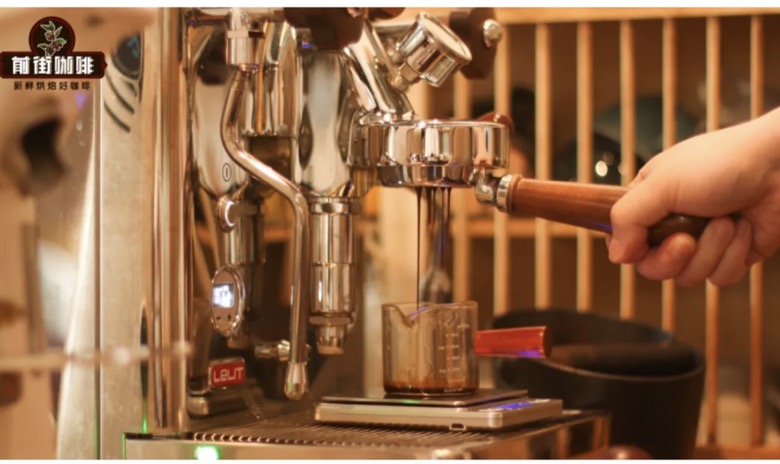
When preparing to open a coffee shop, the most uncertain thing is often not the machine, but the bag of Italian beans that need to be ground every day. Whether the beans are right or not directly determines whether the product is stable and whether customers will come back. The matter of finalizing the product can actually be broken down into several steps. Once the thinking is clear, selecting beans is no longer a matter of patting your head.
Read more →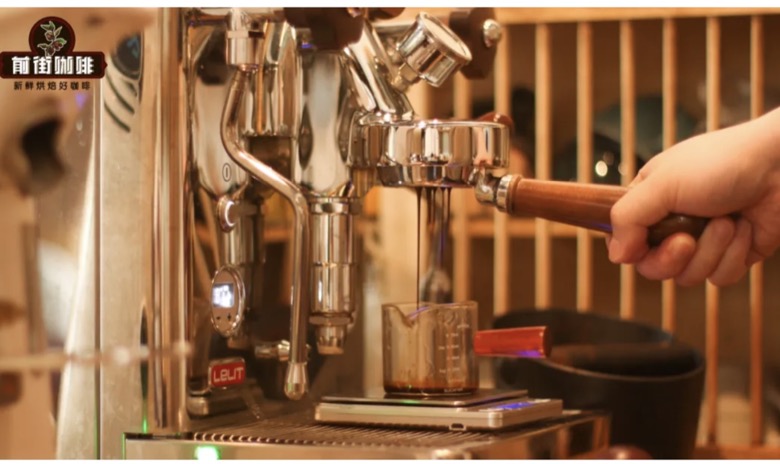
When preparing to open a coffee shop, the most uncertain thing is often not the machine, but the bag of Italian beans that need to be ground every day. Whether the beans are right or not directly determines whether the product is stable and whether customers will come back. The matter of finalizing the product can actually be broken down into several steps. Once the thinking is clear, selecting beans is no longer a matter of patting your head.
Read more →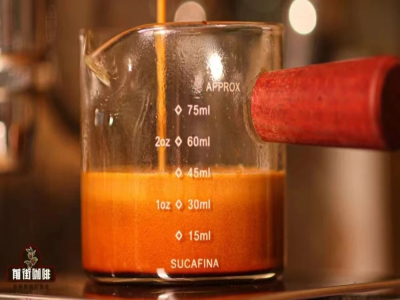
The Italians invented a machine that can use steam pressure to extract coffee. The espresso made by the steam pressure coffee machine is espresso. Use espresso as the base, add water, or mix it with milk, milk foam, chocolate, ice cream, etc. to create fancy or creative coffees.
Read more →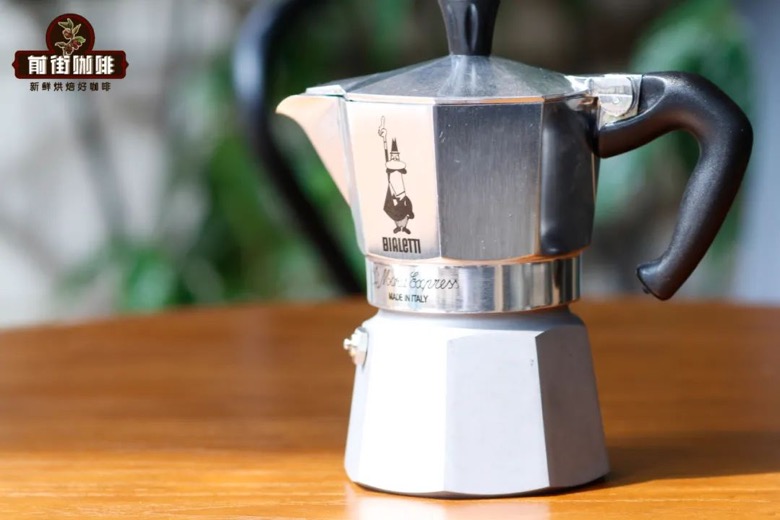
The Moka pot looks like just a small kitchen appliance, but in fact it is a small pressure extraction device: the water tank at the bottom is heated to generate steam, and the pressure pushes the hot water through the powder layer, and espresso coffee pours out from the upper pot. This principle determines the extraction characteristics of the Moka pot, and also determines the three things that cannot be avoided when selecting beans: pressure, temperature and time.
Read more →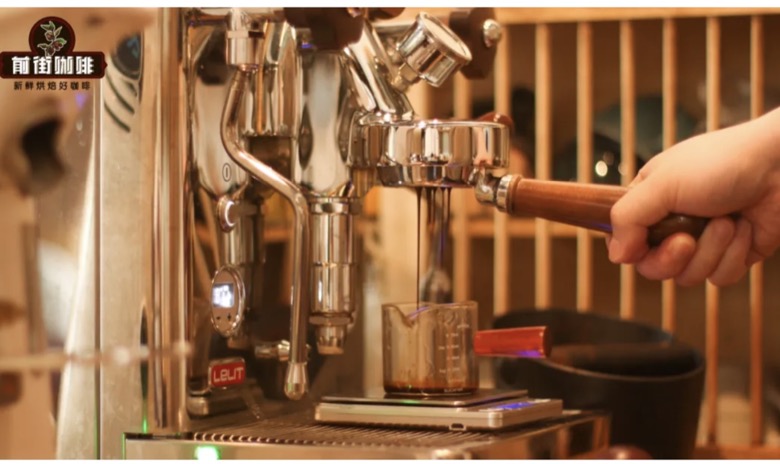
When you reach a certain stage of home semi-automatic play, you will all encounter the same problem: How to prepare beans? If you only stock up on one type, you’ll be afraid of getting tired of it, and if you buy too many, you’ll be afraid that it won’t be fresh. The answer is to plan the bean cabinet according to a two-layer structure - the daily ration layer and the weekend exploration layer. Each of the two layers has its own bean selection logic. The requirements for daily rations are stability, balance, and cost-effectiveness.
Read more →
Most people who want to practice latte art at home can't avoid the same question: Why do the patterns still fall apart easily even though the coffee machine and milk foam are in place? Most of the time, the problem is the beans. The formation of latte art depends on the tension between coffee grease and milk foam when they meet on the liquid surface. If the grease is too thin and dilute, the pattern will not be able to hold up. Choose the right one
Read more →Be the first to know about new bean releases, brewing tips, promotions and cupping notes

Scan to Follow Front Street Coffee on WeChat
