FrontStreet Coffee found the following content related to "Whelan" for you
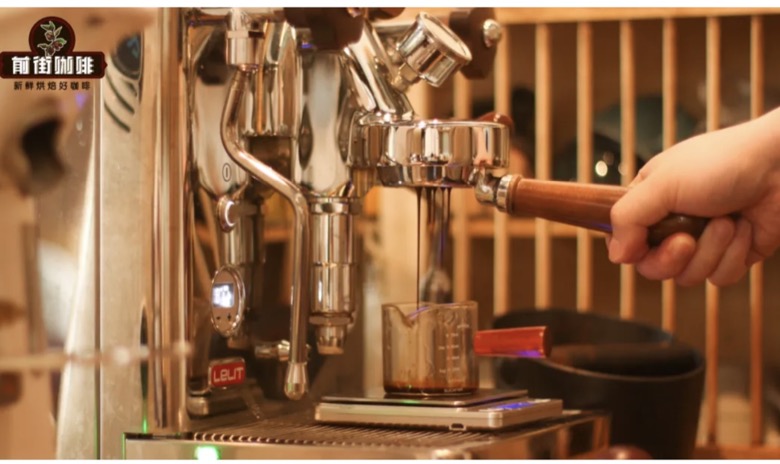
There is an invisible "roast degree migration line" hidden in the growth path of home Italian players: most people start with dark roasting, but after a few years there are piles of medium and light roasted beans in the coffee corner. This is not a simple change of taste, there is a clear logic of taste development behind it. Looking back at this migration line, you can have a clearer understanding of where you have reached.
Read more →
"Can these beans be used at home?" "What beans should I use for opening a shop?" - When choosing Italian beans, the most common dilemma is between home and commercial use. In fact, there is no strict boundary between the two. Many beans are "one-size-fits-all". The only difference lies in your usage scenarios and priorities. Don't beat around the bush today, just use one
Read more →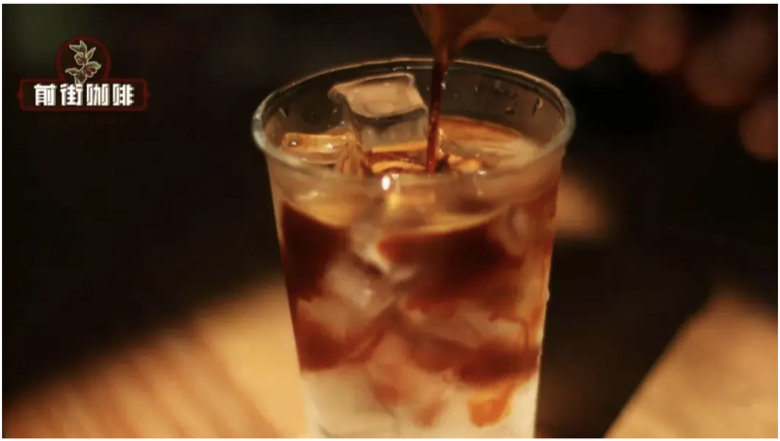
When selecting beans for cold brewing, we talk a lot about the place of origin and processing methods, but the roasting degree is often ignored. Cold brew made from the same green beans, medium roasted and dark roasted, are two different drinks. This article separates out the variable of roasting degree and explains it clearly to help you match beans to the cold brew pot. First understand a basic fact: the low temperature environment of cold brew will amplify certain
Read more →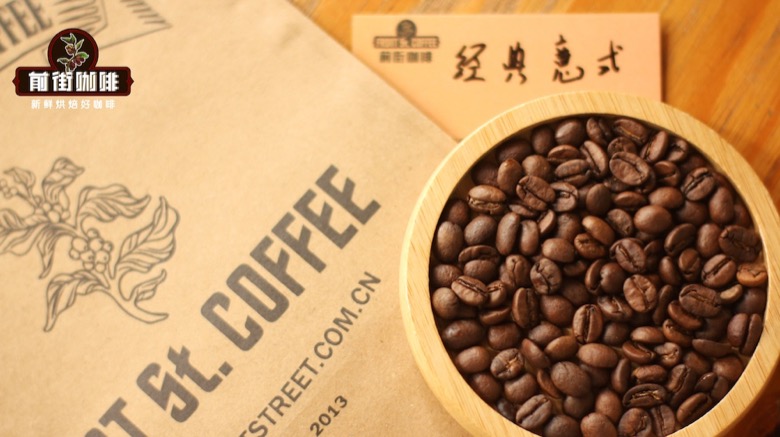
The flavor of a cup of coffee is not only sour or bitter, but also includes aroma, sweetness, body, mouth feel and finish. When choosing beans, first determine whether you want floral and fruity aromas, nutty cocoa, or a balance between the two, and then correspond to the production area, processing method and roasting level. Italian extraction focuses on powder quantity and grinding degree
Read more →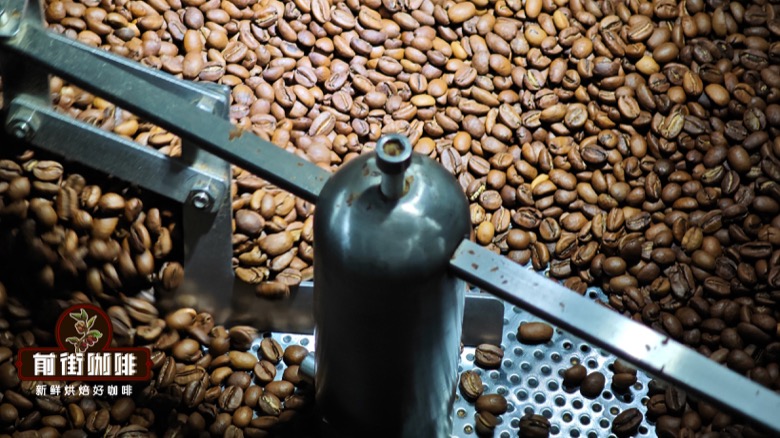
The flavor of a cup of coffee is not only sour or bitter, but also includes aroma, sweetness, body, mouth feel and finish. When choosing beans, first determine whether you want floral and fruity aromas, nutty cocoa, or a balance between the two, and then correspond to the production area, processing method and roasting level. Dark roasting will bring the flavor to cocoa and nuts
Read more →
The degree of roasting changes the flavor focus and extraction rhythm of the coffee beans. Light roasting usually retains more floral and fruity aromas and bright acidity, medium roasting tends to present sweetness and balance, and dark roasting tends to favor nuts, cocoa and thick taste. There is no distinction between them, the key is whether they match your drinking style. Italian extraction focuses on powder quantity and grinding
Read more →
When choosing coffee beans, you can first put the daily drinking scene in front of you: a cup of black coffee in the morning, or milk coffee with breakfast; whether to drink it slowly by hand, or to use a machine to quickly make a cup. Depending on the scene, the appropriate roasting degree, flavor thickness and brewing method will also change. Dark roasting brings flavors closer to cocoa, nuts,
Read more →
When you first start buying beans, you don’t have to go for a lot of flavor at once. A more practical approach is to first select a bean with a clear flavor profile and high compatibility with brewing methods, fix the amount of powder, grinding and water temperature, and then observe the changes in entrance, sweetness and finish. This way you can establish your own taste reference. Italian extraction focuses on powder quantity
Read more →
Flavor is more than just sour and bitter: aroma, sweetness, body, mouth feel and finish are all dimensions of experiencing a cup of coffee. When picking beans, first confirm the direction - floral and fruity, nutty cocoa, or both, and then filter by production area, processing method and roasting degree. Powder amount, grinding degree, liquid weight, time, every variable of Italian style
Read more →
When choosing coffee beans, you can first put the daily drinking scene in front of you: a cup of black coffee in the morning, or milk coffee with breakfast; whether to drink it slowly by hand, or to use a machine to quickly make a cup. Depending on the scene, the appropriate roasting degree, flavor thickness and brewing method will also change. Region names provide flavor clues, while
Read more →
The degree of roasting changes the flavor focus and extraction rhythm of the coffee beans. Light roasting usually retains more floral and fruity aromas and bright acidity, medium roasting tends to present sweetness and balance, and dark roasting tends to favor nuts, cocoa and thick taste. There is no distinction between them, the key is whether they match your drinking style. Italian extraction focuses on powder quantity and grinding
Read more →
The degree of roasting changes the flavor focus and extraction rhythm of the coffee beans. Light roasting usually retains more floral and fruity aromas and bright acidity, medium roasting tends to present sweetness and balance, and dark roasting tends to favor nuts, cocoa and thick taste. There is no distinction between them, the key is whether they match your drinking style. Italian extraction focuses on powder quantity and grinding
Read more →
De'Longhi is a popular brand among household semi-automatic and fully-automatic espresso machines. Many families first think of De'Longhi when purchasing a coffee machine. The characteristics of Delonghi machine are that it has a pre-soaking function and the temperature control is relatively stable, but the pressure and water discharge accuracy are not as good as commercial machines. When selecting beans, grasp the balance between oil and taste, and the Delonghi machine can also produce good taste
Read more →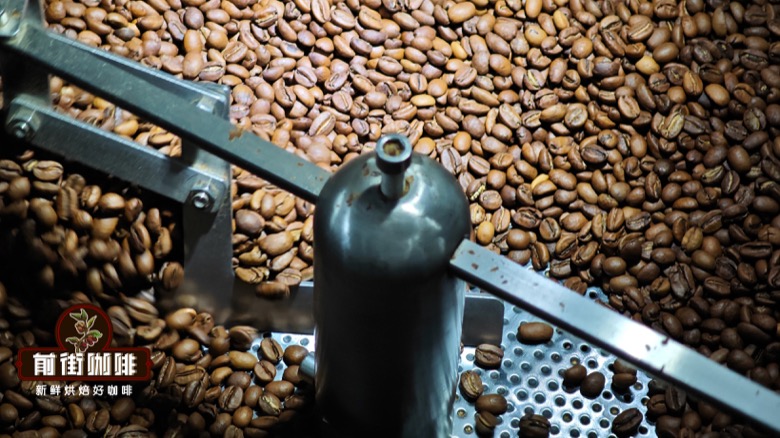
When you first start buying beans, you don’t have to go for a lot of flavor at once. A more practical approach is to first select a bean with a clear flavor profile and high compatibility with brewing methods, fix the amount of powder, grinding and water temperature, and then observe the changes in entrance, sweetness and finish. This way you can establish your own taste reference. Italian extraction focuses on powder quantity
Read more →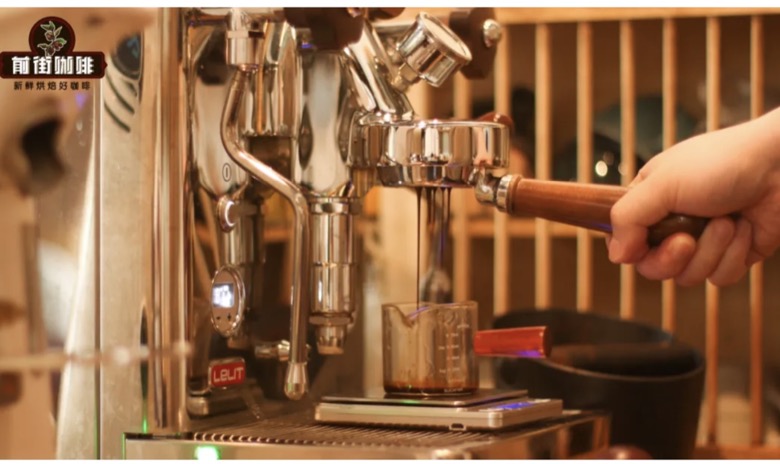
When you reach a certain stage of home semi-automatic play, you will all encounter the same problem: How to prepare beans? If you only stock up on one type, you’ll be afraid of getting tired of it, and if you buy too many, you’ll be afraid that it won’t be fresh. The answer is to plan the bean cabinet according to a two-layer structure - the daily ration layer and the weekend exploration layer. Each of the two layers has its own bean selection logic. The requirements for daily rations are stability, balance, and cost-effectiveness.
Read more →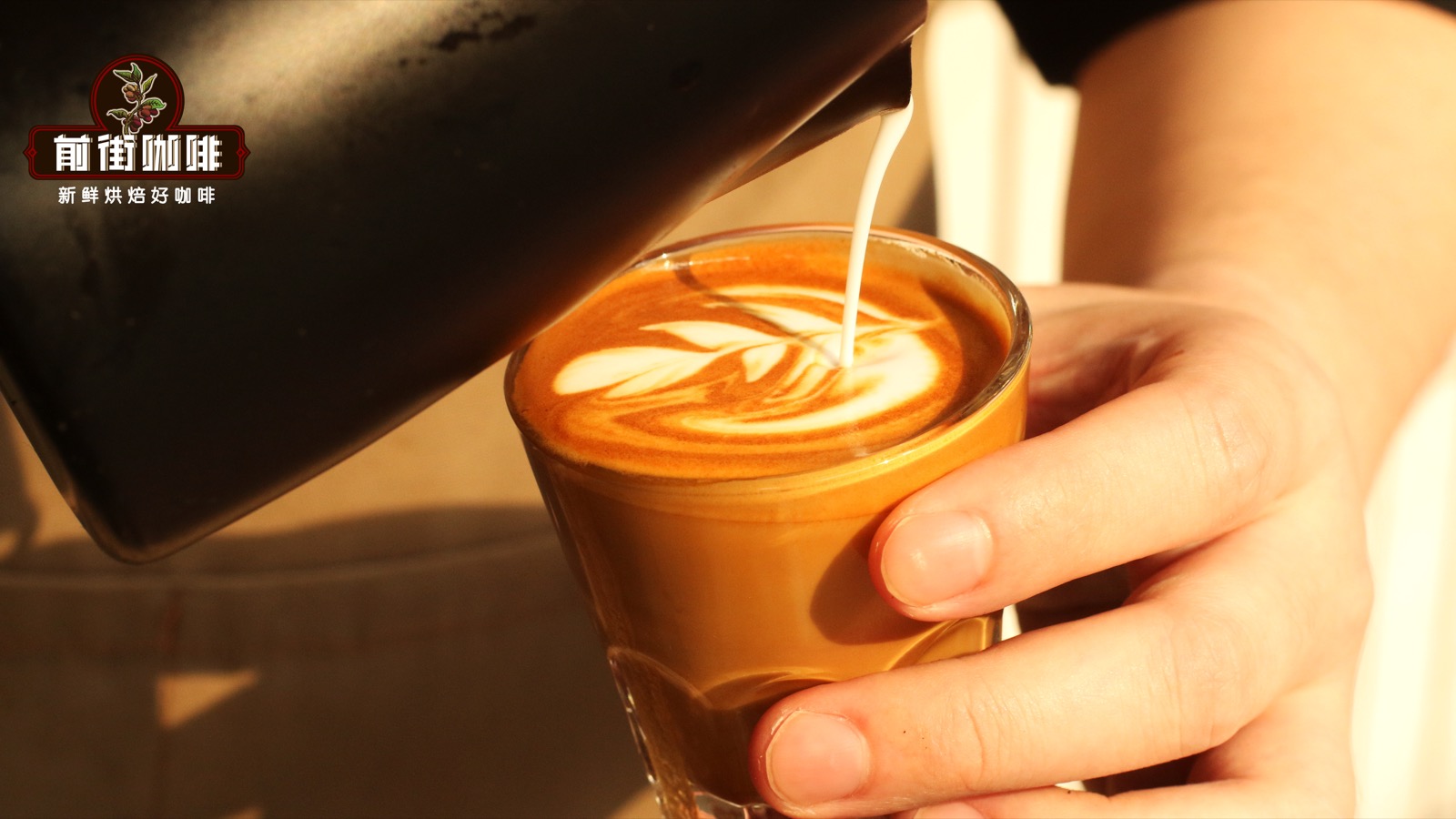
Most people who want to practice latte art at home can't avoid the same question: Why do the patterns still fall apart easily even though the coffee machine and milk foam are in place? Most of the time, the problem is the beans. The formation of latte art depends on the tension between coffee grease and milk foam when they meet on the liquid surface. If the grease is too thin and dilute, the pattern will not be able to hold up. Choose the right one
Read more →
Latte is an Italian coffee drink with a high order rate. The ratio of espresso to milk is about 1:3 to 1:5. The sweetness and fat of milk will dilute the coffee flavor, so the core of latte bean selection is fat and body. Beans with good fat will still have clear coffee flavor in milk and good fusion. The fat-based bean blend is a latte
Read more →
When opening a cafe, the menu can be ever-changing, but the bag of Italian beans consumed every day at the bar is the key to determining daily production and cost accounts. New shop owners often struggle with flavor and personality when choosing beans, but the core appeal of commercial beans is actually that every cup tastes equally good, and the cost of each cup is accounted for. around these two points
Read more →
How to drink it every day, you should think clearly before choosing beans - whether it is black coffee in the morning or milk coffee with meals, slow brewing by hand or fast production by machine. Depending on the scenario, the answer to roast level, thickness, and brewing method will be different. The flavor in the pour-over cup comes from the production area, variety, processing method, roast level and brewing parameters.
Read more →
The flavor of a cup of coffee is not only sour or bitter, but also includes aroma, sweetness, body, mouth feel and finish. When choosing beans, first determine whether you want floral and fruity aromas, nutty cocoa, or a balance between the two, and then correspond to the production area, processing method and roasting level. Dark roasting will bring the flavor to cocoa and nuts
Read more →Be the first to know about new bean releases, brewing tips, promotions and cupping notes

Scan to Follow Front Street Coffee on WeChat
