FrontStreet Coffee found the following content related to "Whelan" for you
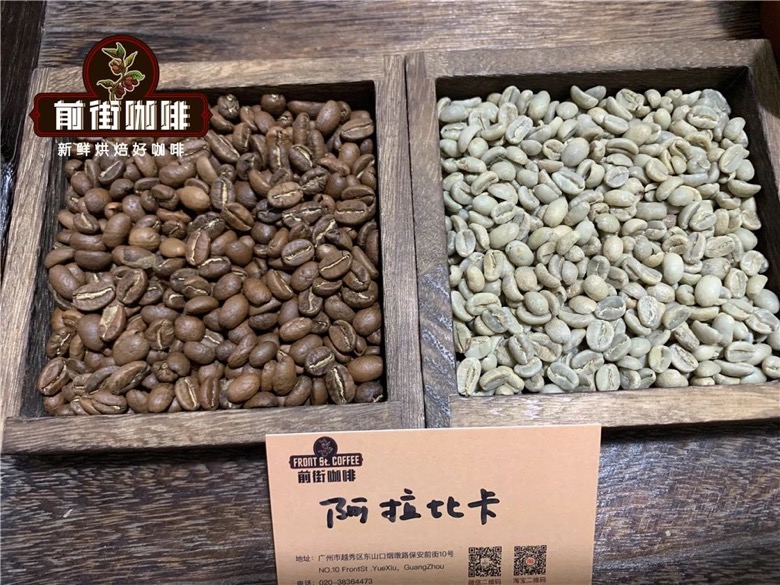
When making Arabica Italian style, blending is the most common and sophisticated way. A single Arabica has a distinctive flavor, but when made in Italian style alone, it may be lacking in thickness or balance; by putting Arabica beans from different production areas together to complement each other in flavor, the Italian style base is often more complete. The idea of blending can be
Read more →
Buying a home coffee machine is half the process; the other half is choosing the right beans. When making latte, cappuccino, and dirty, the soul of the product is in the oil. The fat is delicate, so the milk coffee is smooth and layered; the fat is light, and no amount of milk can save it. Today, let’s take the four Italian blends from Front Street as an example.
Read more →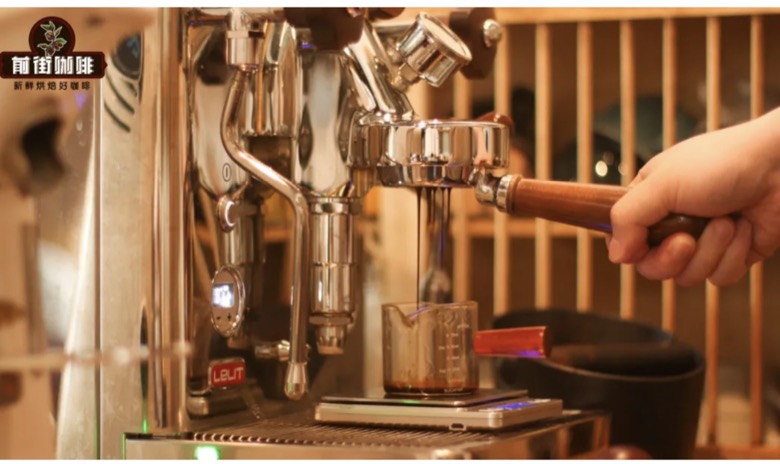
In Italian blends, Arabica beans are the main force. Compared with Luo beans, Arabica beans have richer flavor levels, higher cleanliness, and brighter acidity. Using Arabica beans to make an Italian blend, the core idea is to complement each other's flavors, allowing beans from different production areas to show their strengths in the concentrated extraction, creating a cup that is more balanced and richer than any single product.
Read more →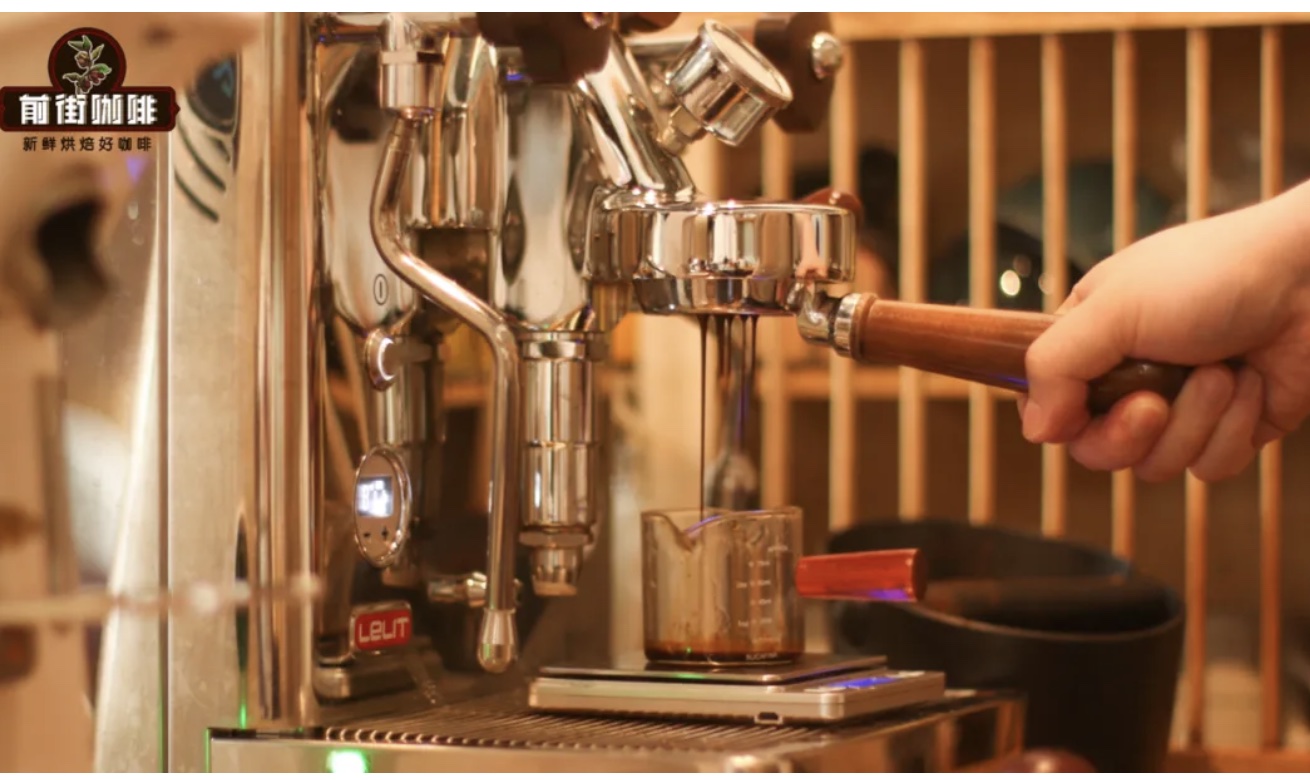
After many friends bought a semi-automatic espresso machine home, the first thing they did was not study the extraction parameters, but got stuck on "what beans to buy." Supermarket beans are too random, while high-quality beans are afraid of being ignored. In fact, selecting beans for a home Italian machine is not complicated. Just choose according to budget and taste. Affordable price: first reduce the cost and get started
Read more →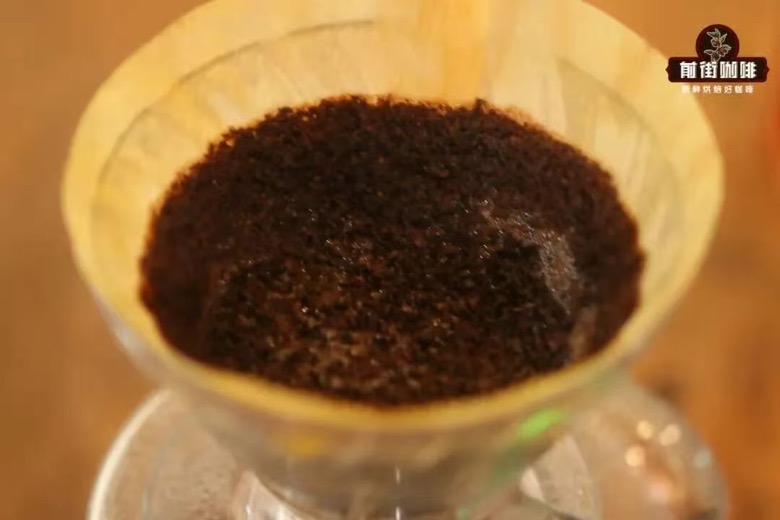
When selecting beans by hand, many people choose based on the reputation of the production area, and end up buying a bunch of beans that don’t match their taste. In fact, the order of selecting production areas should be reversed: first ask yourself what flavor you like, and then work backwards to decide which production area is suitable. Production areas have their own personalities. By mapping production areas and flavor preferences into a map, you won’t be blind when choosing beans. Like floral citrus
Read more →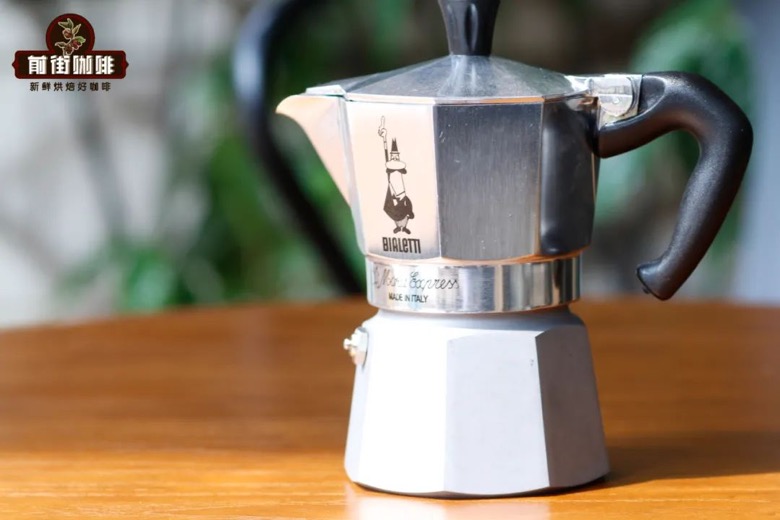
The Moka pot is the main appliance for making coffee in many families. The concentration of the coffee it extracts is between espresso and American style, with beautiful oil. Drink it directly and make it rich. When mixed with milk, it will be a smooth milk coffee. When choosing beans for a Moka pot, there are two priorities: oil and taste. Oil is given priority because of the extraction principle of the Moka pot and the performance of oil.
Read more →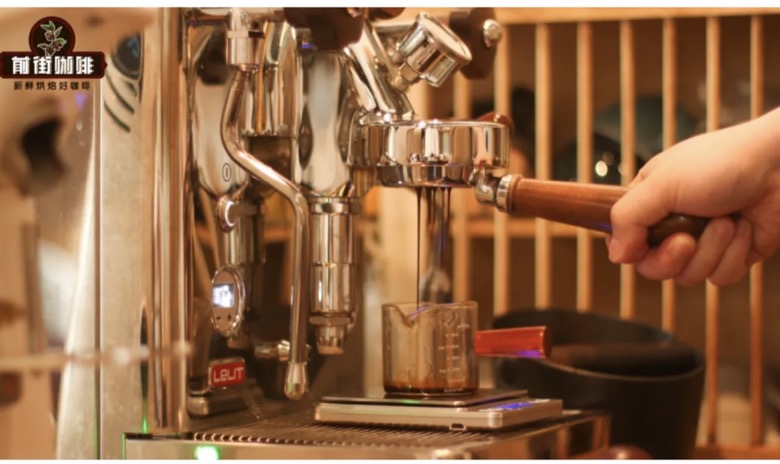
I have a semi-automatic espresso machine at home, and the most common thing I struggle with is what beans to buy. In fact, the idea will be much clearer if you choose three categories according to daily drinking scenarios: daily milk coffee, black coffee American style, and advanced exploration, each with its corresponding bean direction. The most common scenario is daily milk coffee. Most home users buy Italian machines because
Read more →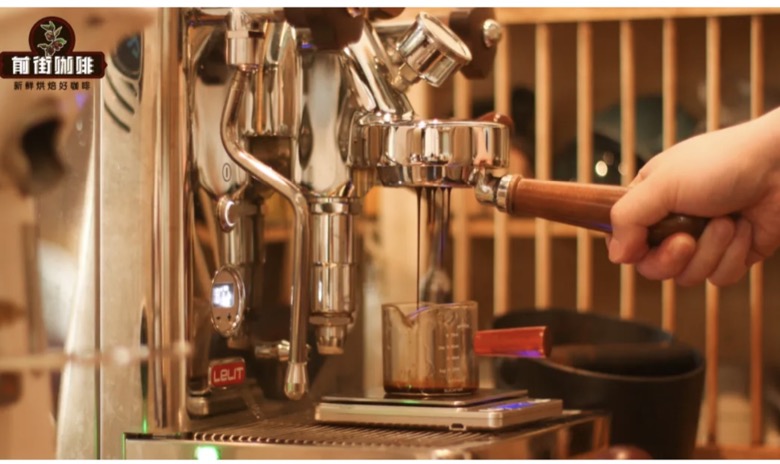
When you open a shop to make Italian coffee, the formula structure of the blended beans directly determines the flavor direction and cost control of the product. Behind a good cup of espresso is the careful combination of base beans and specialty beans. The base beans are responsible for supporting the richness and oil, while the specialty beans are responsible for the finishing touch of flavor. Clarify the matching logic and select beans for commercial use
Read more →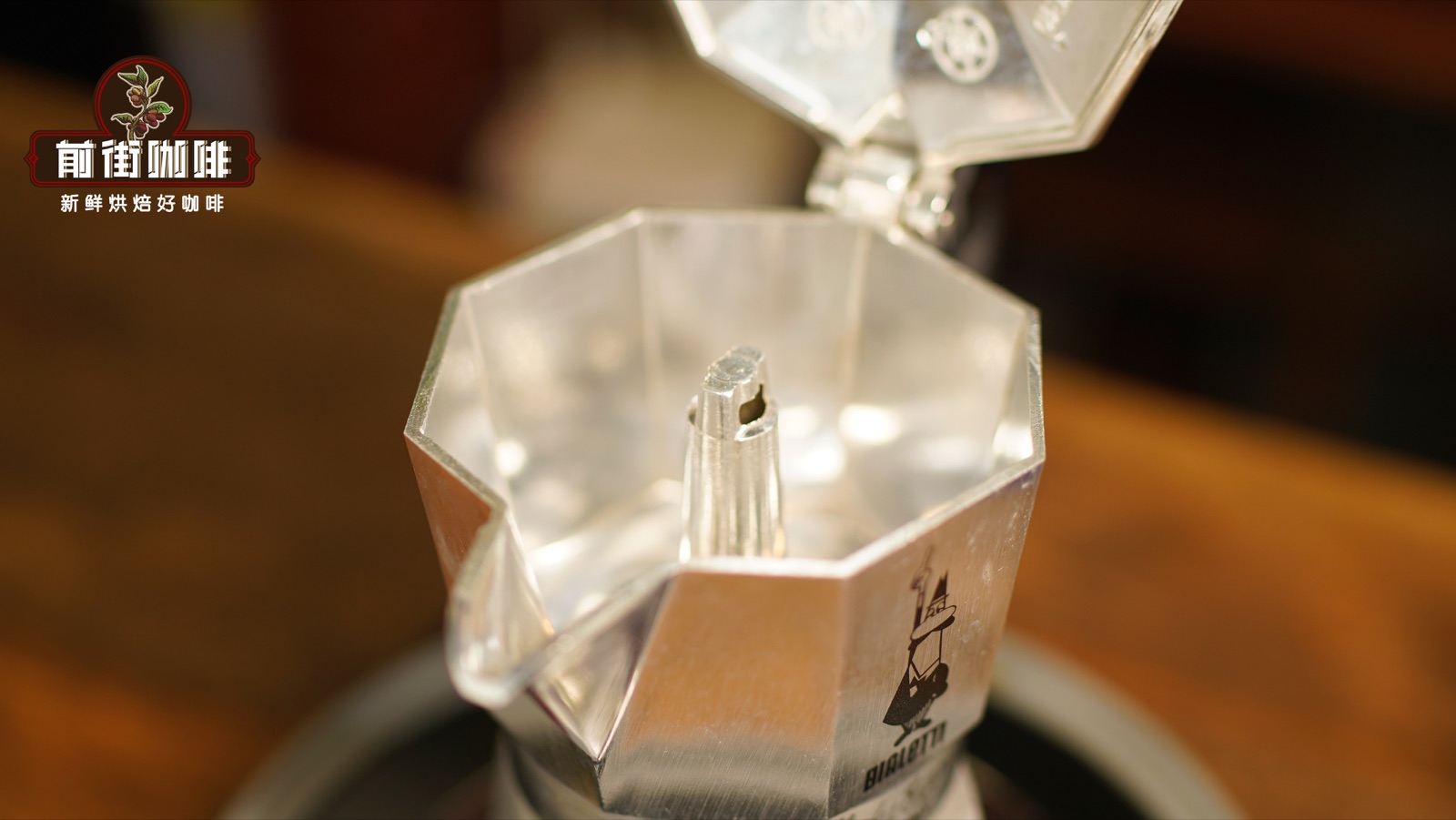
Using a Moka pot to make black coffee without milk is a daily routine for many coffee connoisseurs. But it is also a "black coffee". If you take the blending route and the single product route, you will get two completely different experiences. This article explains the bean selection logic of the two routes thoroughly. Route One: Blend Beans - Made for Pressure Extraction. Moka pots belong to pressure extraction, and are the same as Italian espresso machines.
Read more →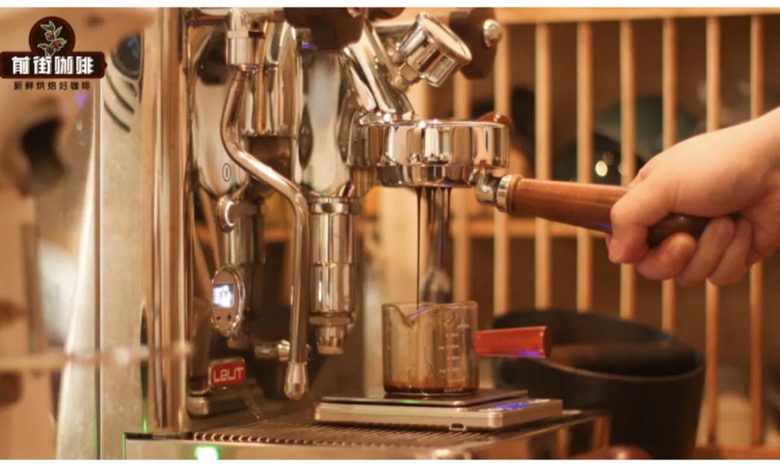
Home semi-automatic Italian machines are different from commercial machines in that the pressure and temperature control are not as precise, but they are enough for home users. In terms of bean selection, the household scene pays attention to the combination of ration beans and advanced beans. Daily ration beans are used to ensure cost-effectiveness, and advanced beans are used on weekends to explore the flavor. Use the two together to make Italian products at home.
Read more →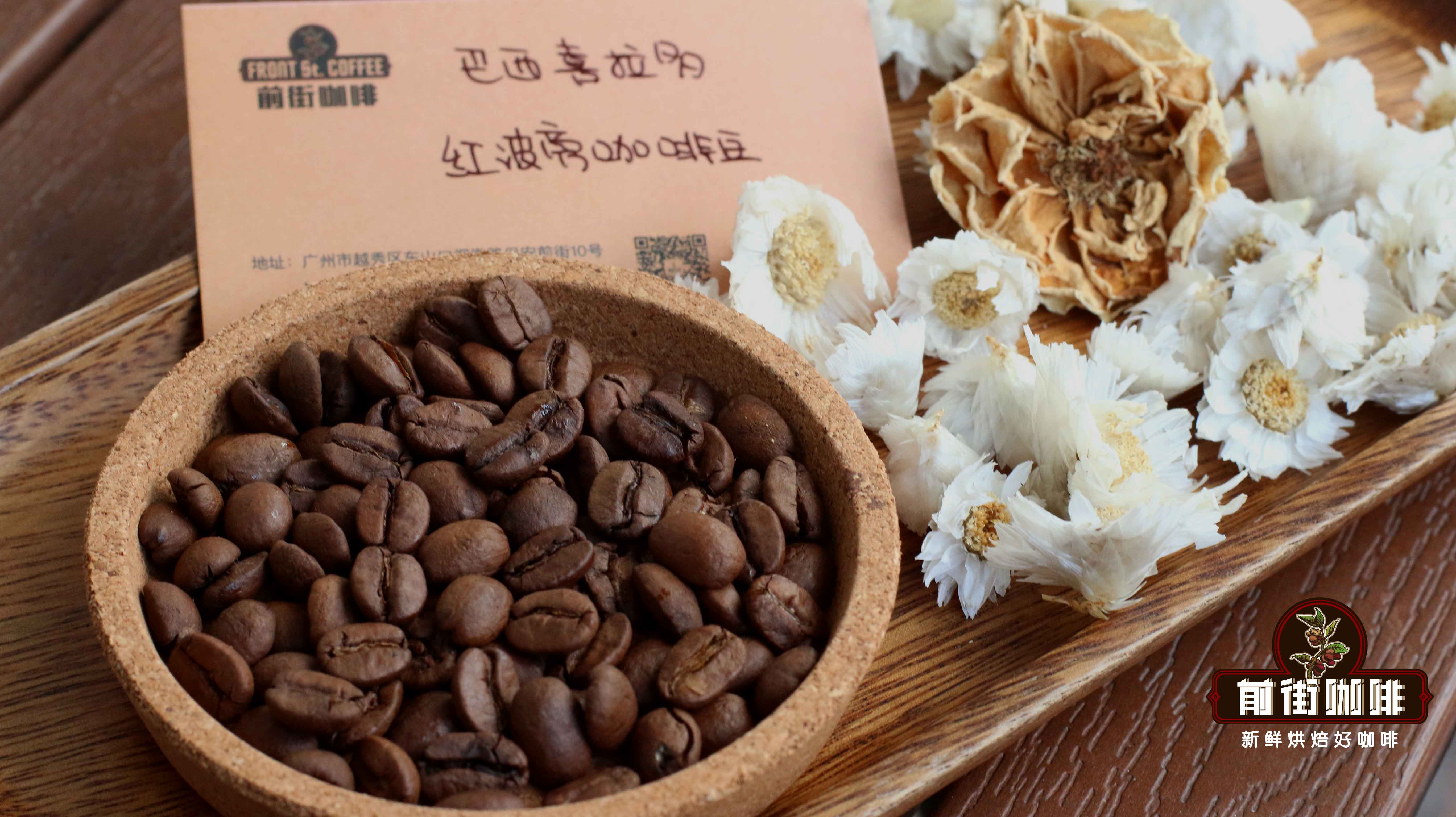
In the map of coffee origins, Brazil is an unavoidable page. It is not only an important coffee-producing country, but also a frequent visitor in Italian blends. The general characteristics of Brazilian beans are nutty and chocolate flavor, low acidity, and balanced taste. It is smooth to drink and not picky, so it has become the basis of many milk coffees and daily rations. This is it
Read more →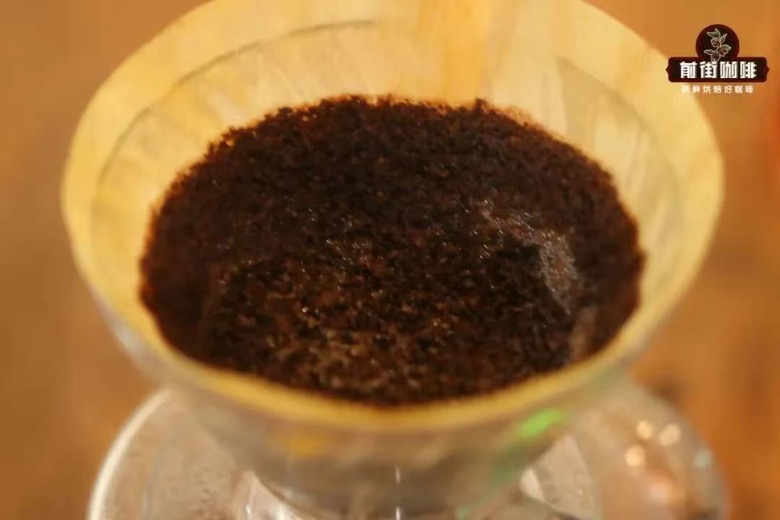
Most people's way of preparing beans is: first look at the production area, then read the flavor description, and finally place an order. But this order is not friendly to novices - Ethiopia, Colombia, Guatemala, these place names are just place names if you don't understand them. A more convenient way is to reverse the order: first figure out what flavor you like
Read more →
Some flavors come from time. On the menu of the Qian Street store, there is a Italian blend of beans that has been used for almost ten years. Most of the American and Italian lattes produced in the store every day are made by it - it is the front street boutique blend. Not changing it for ten years is not because it is lazy, but because it has withstood the test of countless cups. today
Read more →
The golden-brown crema on the surface of espresso is many people’s first impression of good coffee. Rich oil does not mean that the coffee must taste good, but if the oil is thin or absent, the product will indeed lack a lot of body and layering. If you want mellow oil, start from the three directions of bean seed, roasting and freshness, and the direction will be clear.
Read more →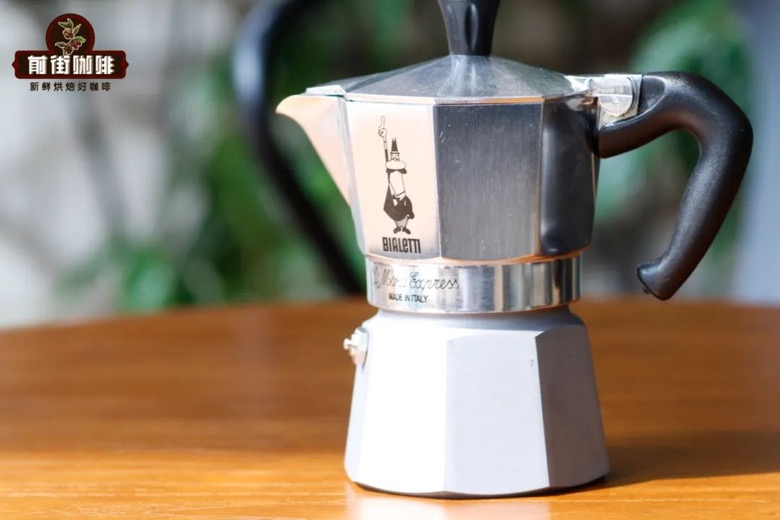
The Moka pot is an introductory appliance for making coffee in many households. It has a simple structure and is affordable. However, to make good use of the Moka pot, bean selection is more important than you think. The extraction principle of the Moka pot is between the Italian machine and hand brewing. The steam pressure pushes the hot water through the powder cake. The extraction is thicker than hand brewing but lighter than Italian brewing. Seize the oil, grind and roast when selecting beans
Read more →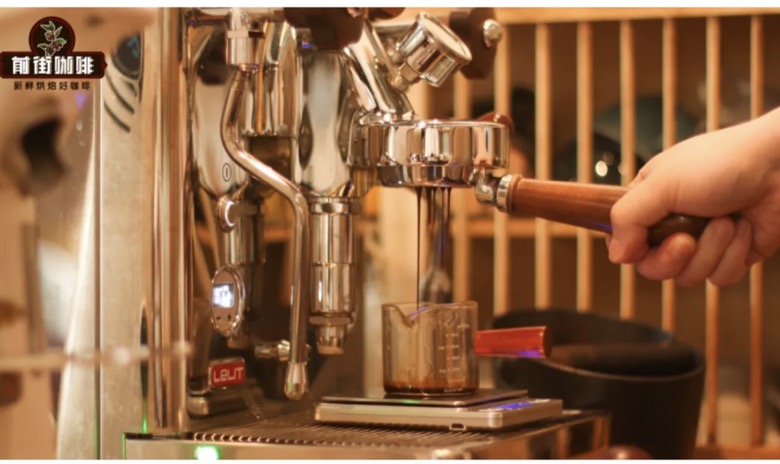
When preparing to open a coffee shop, the most uncertain thing is often not the machine, but the bag of Italian beans that need to be ground every day. Whether the beans are right or not directly determines whether the product is stable and whether customers will come back. The matter of finalizing the product can actually be broken down into several steps. Once the thinking is clear, selecting beans is no longer a matter of patting your head.
Read more →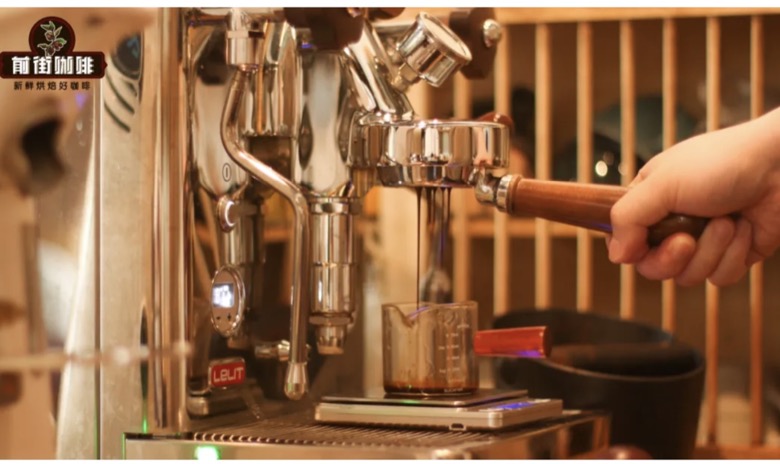
When preparing to open a coffee shop, the most uncertain thing is often not the machine, but the bag of Italian beans that need to be ground every day. Whether the beans are right or not directly determines whether the product is stable and whether customers will come back. The matter of finalizing the product can actually be broken down into several steps. Once the thinking is clear, selecting beans is no longer a matter of patting your head.
Read more →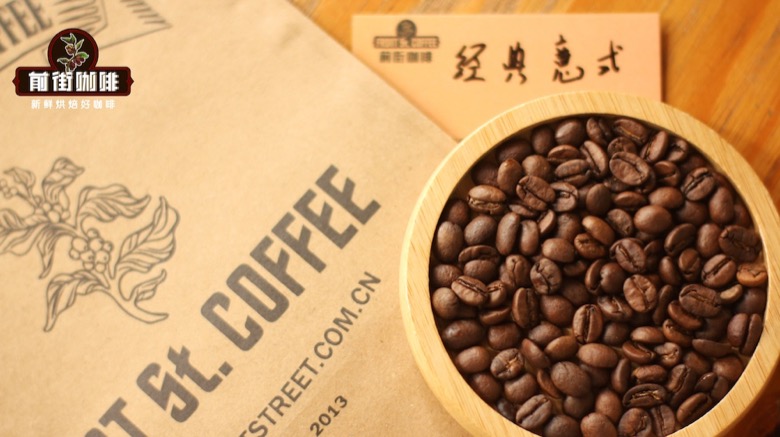
The flavor of a cup of coffee is not only sour or bitter, but also includes aroma, sweetness, body, mouth feel and finish. When choosing beans, first determine whether you want floral and fruity aromas, nutty cocoa, or a balance between the two, and then correspond to the production area, processing method and roasting level. Italian extraction focuses on powder quantity and grinding degree
Read more →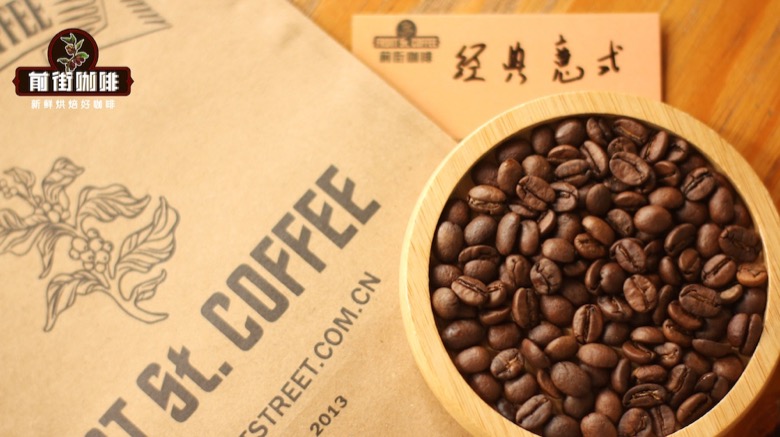
When you open the coffee bean purchase page, you will always get stuck on the words "single product" and "blending". They all look like coffee beans, so what’s the difference? In fact, it’s very simple: Single-origin beans taste the character of a place of origin, while blended beans taste a stable balance. Understand the logic of these two routes. Choosing daily rations of beans will not
Read more →
The degree of roasting changes the flavor focus and extraction rhythm of the coffee beans. Light roasting usually retains more floral and fruity aromas and bright acidity, medium roasting tends to present sweetness and balance, and dark roasting tends to favor nuts, cocoa and thick taste. There is no distinction between them, the key is whether they match your drinking style. Milk increases sweetness and fatness
Read more →Be the first to know about new bean releases, brewing tips, promotions and cupping notes

Scan to Follow Front Street Coffee on WeChat
