FrontStreet Coffee found the following content related to "tune" for you

When it comes to blending coffee beans, let’s first look at how you prepare to drink it every day. Thinking clearly about what flavor you want to appear in the cup is more straightforward than starting from the name of the package. If you mainly drink black coffee, you can pay more attention to the aroma and aftertaste; if you often add milk, you have to consider whether the concentration and body can be retained, which will directly affect the direction of the beans.
Read more →
A cup of coffee goes through grinding and extraction from the bean to the mouth. When faced with medium-light roasted Yirgacheffe coffee beans, it is more straightforward to first think about what flavor you want to appear in the cup than starting from the package name. First confirm the commonly used utensils and the taste you like, and then compare the specific beans. The actual operation will be more directional. Buy Zhongqian
Read more →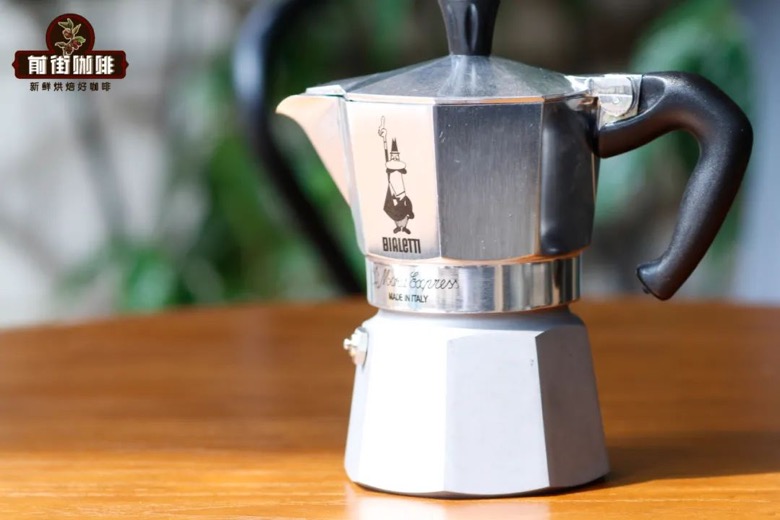
The equipment has been changed, and so has the performance logic of the beans. The scoring items for hand brewing are aroma and clarity, the scoring items for Italian machine are concentration and sweetness, and the Moka pot needs to take into account pressure, firepower and powder layer state. So before choosing beans, think about what kind of equipment to use, and then fine-tune the brewing parameters according to the roasting level. Steam pressure extraction is the work of the Moka pot
Read more →
When making Italian coffee, beans determine the lower limit. Whether the espresso tastes good, whether the latte art goes smoothly, and whether the milk coffee blends well or not, largely depends on the Italian beans you choose. Today’s article will not talk about metaphysics, but will explain Italian bean selection clearly from the three dimensions of oil, recipe, and scene. Fat: Espresso, the "face" of Italian beans
Read more →
The coffee made from the Moka pot can be drank directly, or mixed with water, ice or milk. Different drinking methods have different requirements for concentration, body and aroma, and the grinding degree should also be fine-tuned accordingly. Usually you can start with medium-fine grinding. The powder particles are slightly larger than espresso and finer than regular hand brewing. There will be enough concentration in the entrance.
Read more →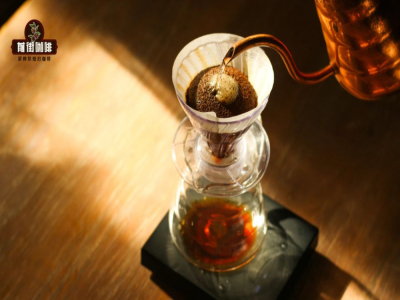
Front Street's products have always used filter cups that serve 1-2 people, and the powder quantity standard has always been controlled at 15g. Therefore, all of Front Street's manual brewing instructions are based on the brewing standard for 1 person (one cup). Recently, a friend asked me how to make 2-3 cups of coffee at once? When a friend asked this question, he said
Read more →
After adding a semi-automatic espresso machine to my home, the next question I face is: What beans should I buy? The bean selection logic of the Italian machine is different from that of hand brewing - the machine has higher requirements for grinding, pressure, and extraction. The oil, flavor stability, and error tolerance of the beans are all critical. This article follows the route from affordable to advanced
Read more →
Hand-brewed coffee does not necessarily have to go the bright acid route. If you prefer a smooth, thick cup with a nutty and cocoa flavor, you can start with beans that are medium to medium-dark roasted, and then choose according to the scene such as morning, work break, weekend slow drinking or adding milk. The coffee selected in this way will have a flavor closer to daily life and will also
Read more →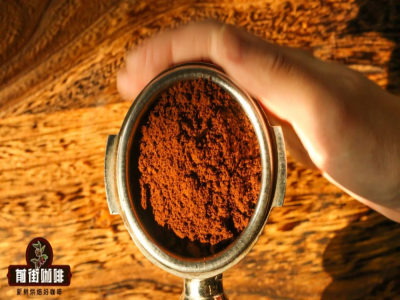
The ratio of the standard Italian style is 1:2, a single portion of 9g powder and 18g of liquid, a double portion of 18g of powder and 36g of liquid. During the actual production, fine-tuning is based on this powder-to-water ratio and taste. The fineness of the espresso coffee powder is also based on the dispensing time. If it is faster, adjust it to finer powder, and if it is slower, adjust it to coarser powder until the extraction time matches it. system
Read more →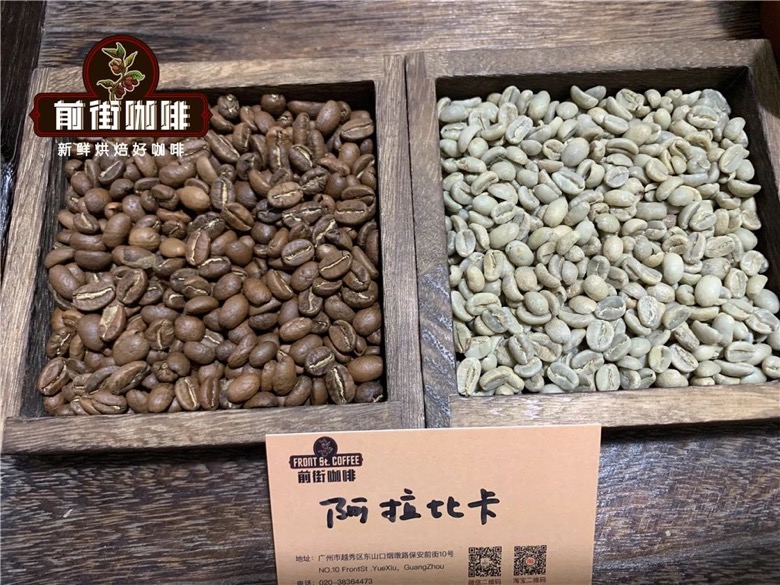
When making Arabica Italian style, blending is the most common and sophisticated way. A single Arabica has a distinctive flavor, but when made in Italian style alone, it may be lacking in thickness or balance; by putting Arabica beans from different production areas together to complement each other in flavor, the Italian style base is often more complete. The idea of blending can be
Read more →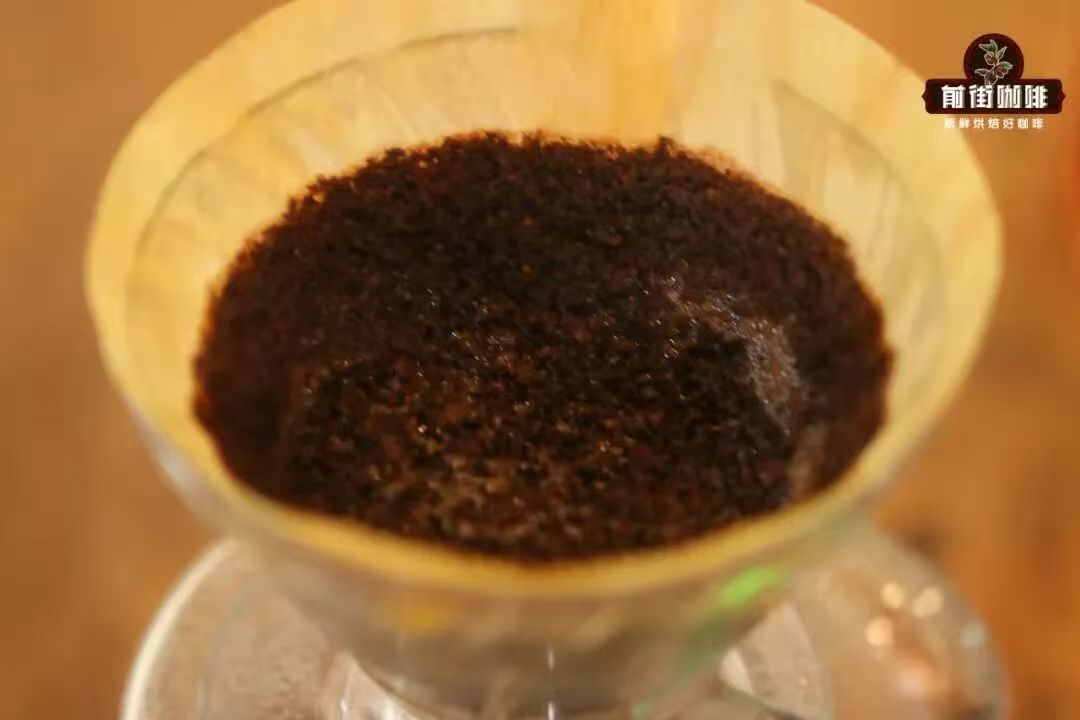
Many people’s specialty coffee journey begins with a Yirgacheffe. Among the many beans in Yirgacheffe, Ding Ding is often recommended as the "first choice for beginners". What magic does it have? This article explains its flavor, production area and suitable people at once. Citrus, berry and floral notes, Yirgacheffe
Read more →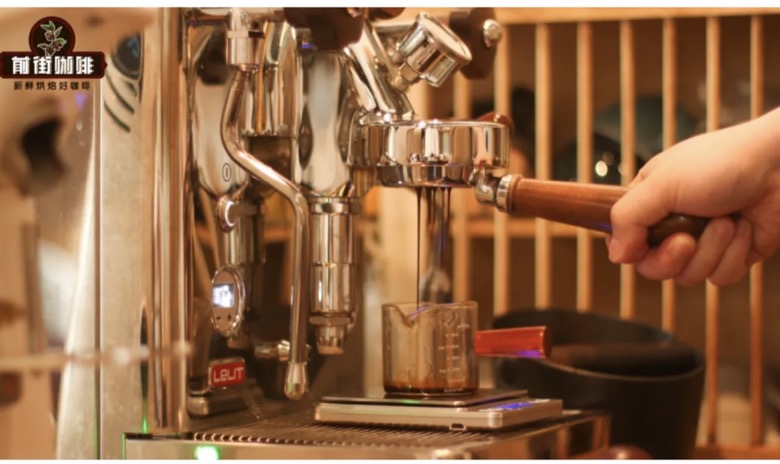
I have a semi-automatic espresso machine at home, and the most common thing I struggle with is what beans to buy. In fact, the idea will be much clearer if you choose three categories according to daily drinking scenarios: daily milk coffee, black coffee American style, and advanced exploration, each with its corresponding bean direction. The most common scenario is daily milk coffee. Most home users buy Italian machines because
Read more →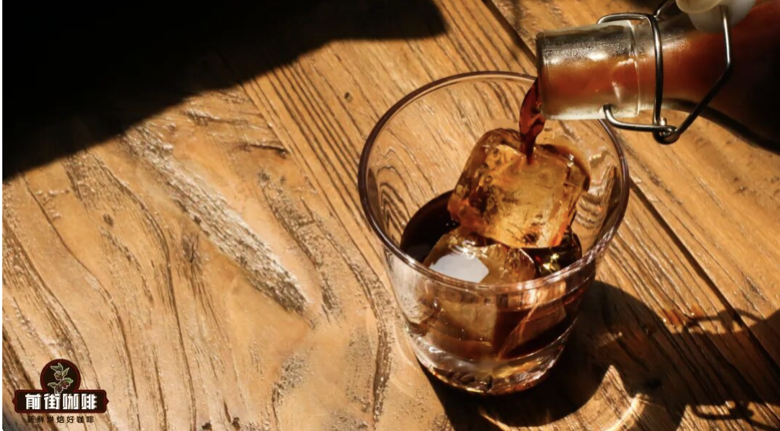
Cold brew coffee has become more and more popular in recent years. It has a smooth taste and mild bitterness, which is especially pleasant to drink in summer. However, whether cold brew tastes good depends largely on the beans you choose, and the roasting degree is the most critical part. The advantages of using medium-dark roasted beans for cold brewing are sweetness and body. Cold brew is soaked in cold water for a long time, acids
Read more →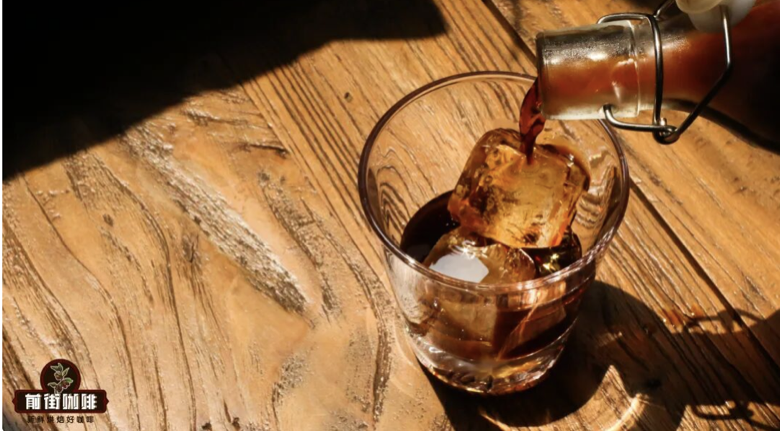
Cold brew coffee has become more and more popular in recent years. In the summer, a cup of ice-cold and smooth cold brew can relieve the heat than hot coffee and is softer than iced American style. Whether cold brew tastes good or not, you have to choose the beans first. Different from hot brew, cold brew is extracted at low temperature and for a long time. The sourness is greatly softened, and the sweetness and smoothness are amplified. Therefore, the logic of selecting beans also has its own logic.
Read more →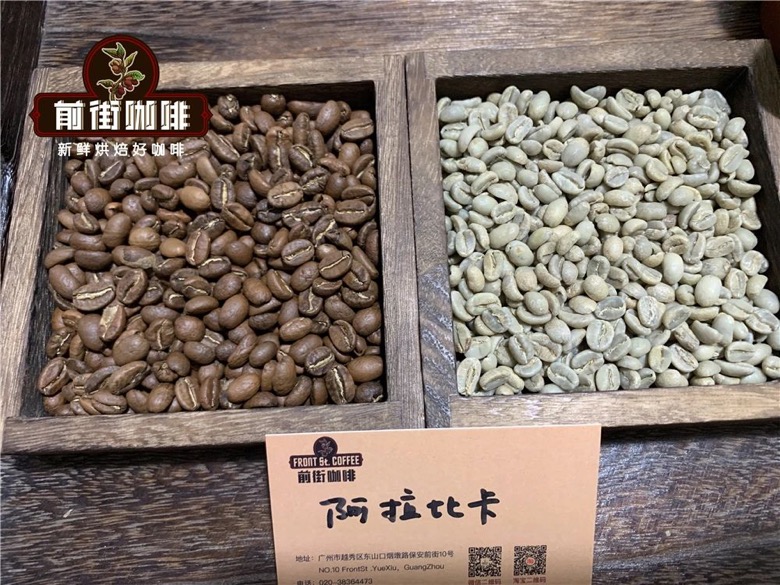
Distinctive beans often come from processing methods or the scarcity of varieties: the orange blossom guava aroma of Front Street Grana Estate Geisha is the iconic expression of the Geisha variety; the multiple fermentation processes of Colombian Hija give the passion fruit and blueberry flavor an unusually strong flavor. The meaning of specialty beans is to provide a taste experience beyond daily life
Read more →
The degree of roasting changes the flavor focus and extraction rhythm of the coffee beans. Light roasting usually retains more floral and fruity aromas and bright acidity, medium roasting tends to present sweetness and balance, and dark roasting tends to favor nuts, cocoa and thick taste. There is no distinction between them, the key is whether they match your drinking style. Milk increases sweetness and fatness
Read more →
The degree of roasting changes the flavor focus and extraction rhythm of the coffee beans. Light roasting usually retains more floral and fruity aromas and bright acidity, medium roasting tends to present sweetness and balance, and dark roasting tends to favor nuts, cocoa and thick taste. There is no distinction between them, the key is whether they match your drinking style. Italian extraction focuses on powder quantity and grinding
Read more →
Iced coffee is a test for the beans: low temperature will amplify the sweetness and weaken the aroma, so the flavor concentration of the beans must be sufficient. The Ethiopian Oiran on Front Street makes iced hand-brews. The aroma of strawberry and passion fruit is still clear after the ice cubes cool down; the blueberry juice in Xija feels like a smoothie with ice after being chilled, and the flavor concentration of iced coffee is as strong as beans.
Read more →
The degree of roasting changes the flavor focus and extraction rhythm of the coffee beans. Light roasting usually retains more floral and fruity aromas and bright acidity, medium roasting tends to present sweetness and balance, and dark roasting tends to favor nuts, cocoa and thick taste. There is no distinction between them, the key is whether they match your drinking style. Italian extraction focuses on powder quantity and grinding
Read more →
The degree of roasting changes the flavor focus and extraction rhythm of the coffee beans. Light roasting usually retains more floral and fruity aromas and bright acidity, medium roasting tends to present sweetness and balance, and dark roasting tends to favor nuts, cocoa and thick taste. There is no distinction between them, the key is whether they match your drinking style. Italian extraction focuses on powder quantity and grinding
Read more →Be the first to know about new bean releases, brewing tips, promotions and cupping notes

Scan to Follow Front Street Coffee on WeChat
