FrontStreet Coffee found the following content related to "match" for you
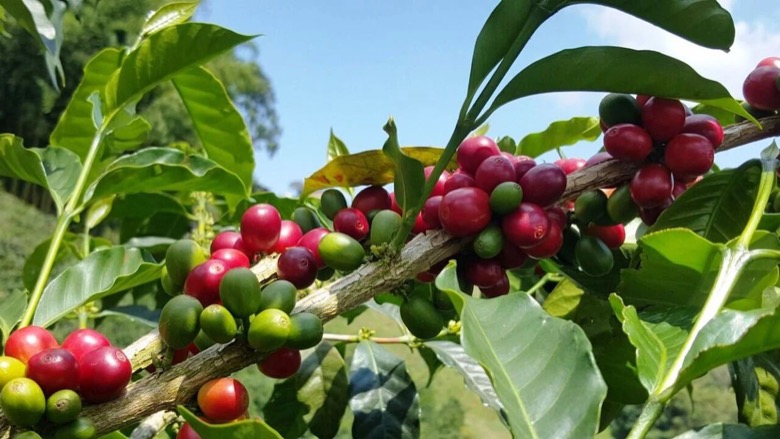
Sour and bitter are just the two extremes of flavor. Aroma, sweetness, body, touch and finish are also the contents of the cup. When choosing beans, first determine your preference—floral and fruity, nutty cocoa, or somewhere in the middle—and then match them according to production area, processing method, and roasting level. Think about your favorite flavor and acceptable brewing difficulty separately.
Read more →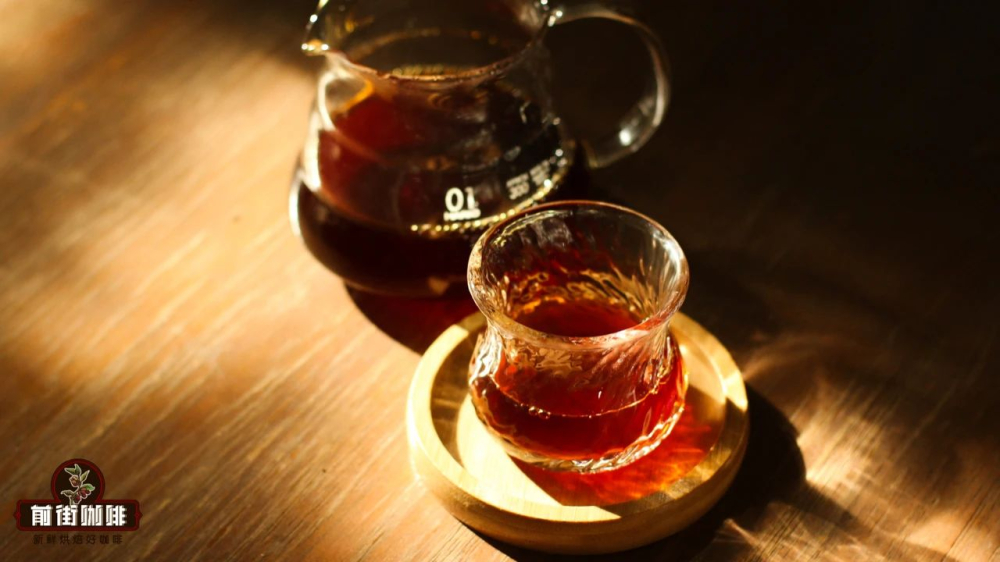
A large part of the reason why the coffee flavor wheel was created was to meet the tasting criteria for high-quality coffee. It also drew lessons from wine tasting and cupping, and gradually improved the original vague and general flavor description into a detailed and logical flavor wheel. The first version of the coffee flavor wheel was released in 1995.
Read more →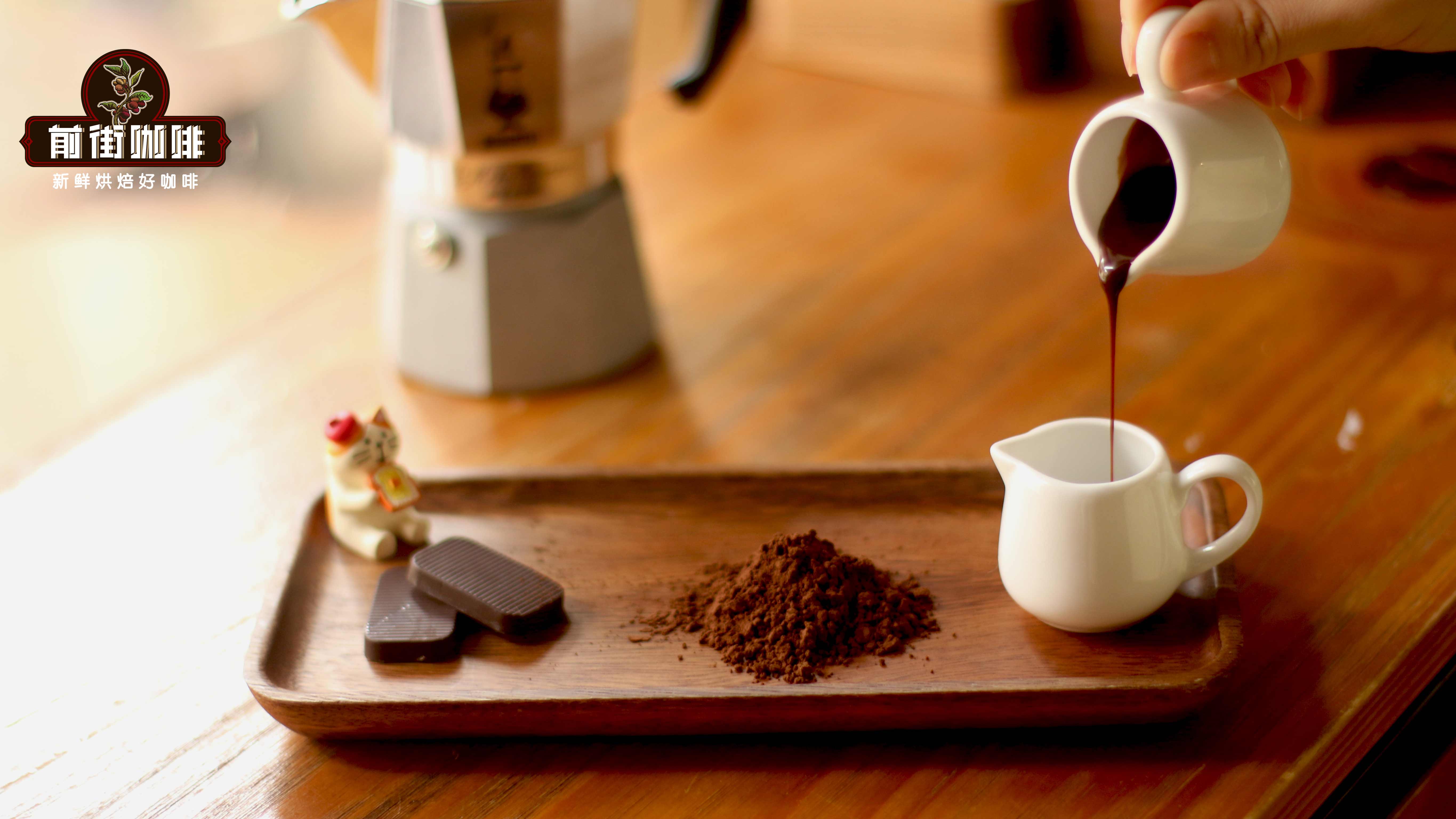
Traditional mocha coffee is made by using espresso and hot milk as the base, and then adding chocolate products. It is very simple. The addition of chocolate not only neutralizes the bitterness of the coffee, but also adds a rich layering to the coffee. Thanks to this, Mocha coffee was deeply loved by consumers when it was launched.
Read more →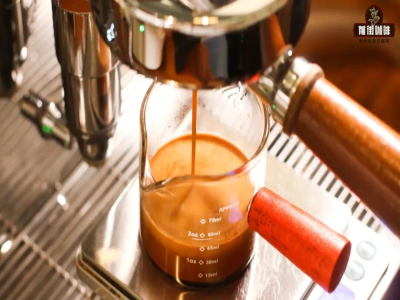
When Front Street shared knowledge related to espresso extraction before, he would focus on the impact of parameters such as powder volume, ratio, grinding, time, and pressure on extraction. In addition, it also focuses on analyzing the operating essentials of the steps of receiving powder, spreading powder, pressing powder, and snapping the handle. Only the water temperature, Front Street always
Read more →
With the coming of autumn and winter, hot latte has become everyone’s favorite again. After all, who doesn’t want to drink a cup of heart-warming coffee on a cold and windy day? The key is still so sweet! Therefore, many friends have started making hot latte at home. It is precisely because of this that Front Street and Backstage received requests from many friends for production and
Read more →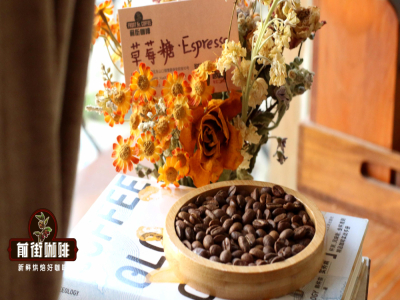
Latte coffee is one of many Italian-style latte coffees, because latte (latte) means fresh milk in Italian. In the English-speaking world, it generally refers to coffee brewed with hot fresh milk. Latte Coffee is the so-called coffee with milk, usually directly translated as "latte coffee"
Read more →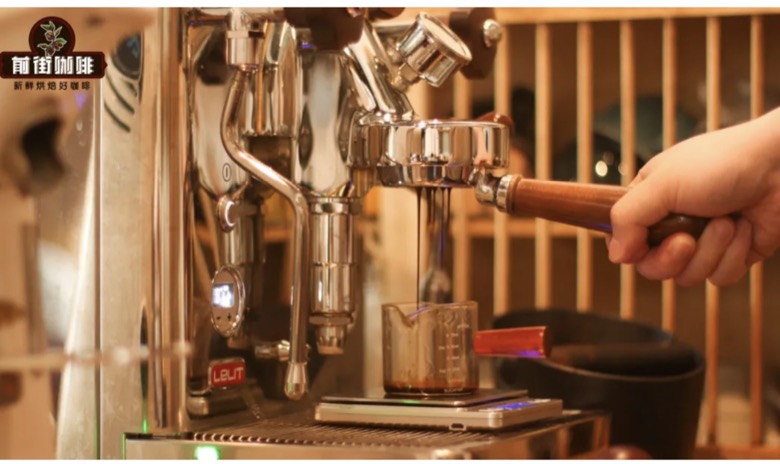
In Italian blends, Arabica beans are the main force. Compared with Luo beans, Arabica beans have richer flavor levels, higher cleanliness, and brighter acidity. Using Arabica beans to make an Italian blend, the core idea is to complement each other's flavors, allowing beans from different production areas to show their strengths in the concentrated extraction, creating a cup that is more balanced and richer than any single product.
Read more →
When selecting beans by hand, many people choose based on the reputation of the production area, and end up buying a bunch of beans that don’t match their taste. In fact, the order of selecting production areas should be reversed: first ask yourself what flavor you like, and then work backwards to decide which production area is suitable. Production areas have their own personalities. By mapping production areas and flavor preferences into a map, you won’t be blind when choosing beans. Like floral citrus
Read more →
I have a espresso machine at home and want to drink milk coffee, but I also want to drink a cup of coffee by hand occasionally. How do I prepare beans? Many people's first reaction is to "buy two packs of beans." In fact, the key is to understand that blended beans and single-origin beans perform their respective roles, and then match them according to your own drinking habits. This article clarifies the logic of the two sets of "beans". Blend Beans: Responsible
Read more →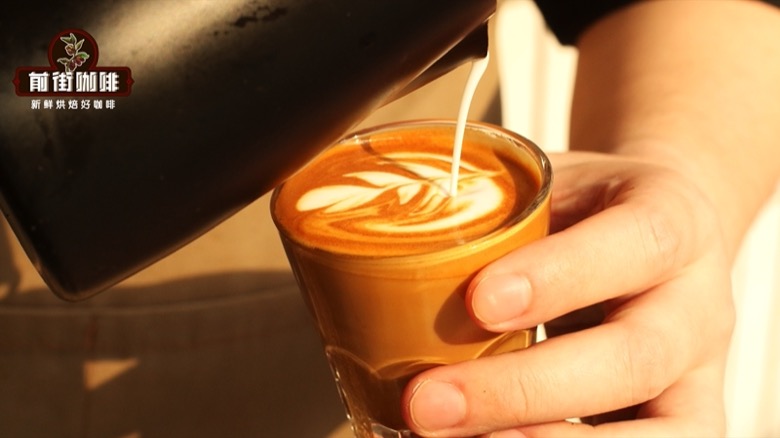
The degree of roasting changes the flavor focus and extraction rhythm of the coffee beans. Light roasting usually retains more floral and fruity aromas and bright acidity, medium roasting tends to present sweetness and balance, and dark roasting tends to favor nuts, cocoa and thick taste. There is no distinction between them, the key is whether they match your drinking style. Milk increases sweetness and fatness
Read more →
When selecting beans for cold brewing, we talk a lot about the place of origin and processing methods, but the roasting degree is often ignored. Cold brew made from the same green beans, medium roasted and dark roasted, are two different drinks. This article separates out the variable of roasting degree and explains it clearly to help you match beans to the cold brew pot. First understand a basic fact: the low temperature environment of cold brew will amplify certain
Read more →
Aroma, sweetness, body, touch and finish, these dimensions together with sourness and bitterness constitute a complete cup feel. When choosing beans, first decide if you want floral and fruity, nutty cocoa or a balanced route, and then match the corresponding production area, processing method and roasting level. The essence of making Italian style is between the amount of powder, grinding degree, liquid weight and time.
Read more →
The degree of roasting changes the flavor focus and extraction rhythm of the coffee beans. Light roasting usually retains more floral and fruity aromas and bright acidity, medium roasting tends to present sweetness and balance, and dark roasting tends to favor nuts, cocoa and thick taste. There is no distinction between them, the key is whether they match your drinking style. Italian extraction focuses on powder quantity and grinding
Read more →
The degree of roasting changes the flavor focus and extraction rhythm of the coffee beans. Light roasting usually retains more floral and fruity aromas and bright acidity, medium roasting tends to present sweetness and balance, and dark roasting tends to favor nuts, cocoa and thick taste. There is no distinction between them, the key is whether they match your drinking style. Italian extraction focuses on powder quantity and grinding
Read more →
The degree of roasting changes the flavor focus and extraction rhythm of the coffee beans. Light roasting usually retains more floral and fruity aromas and bright acidity, medium roasting tends to present sweetness and balance, and dark roasting tends to favor nuts, cocoa and thick taste. There is no distinction between them, the key is whether they match your drinking style. Italian extraction focuses on powder quantity and grinding
Read more →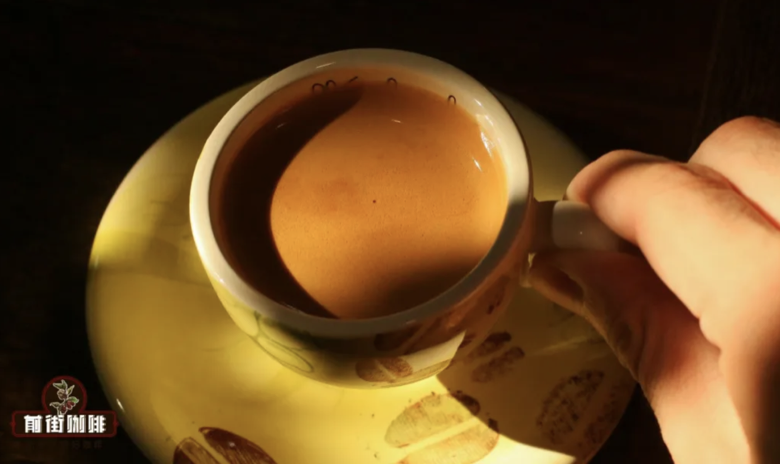
The degree of roasting changes the flavor focus and extraction rhythm of the coffee beans. Light roasting usually retains more floral and fruity aromas and bright acidity, medium roasting tends to present sweetness and balance, and dark roasting tends to favor nuts, cocoa and thick taste. There is no distinction between them, the key is whether they match your drinking style. Italian extraction focuses on powder quantity and grinding
Read more →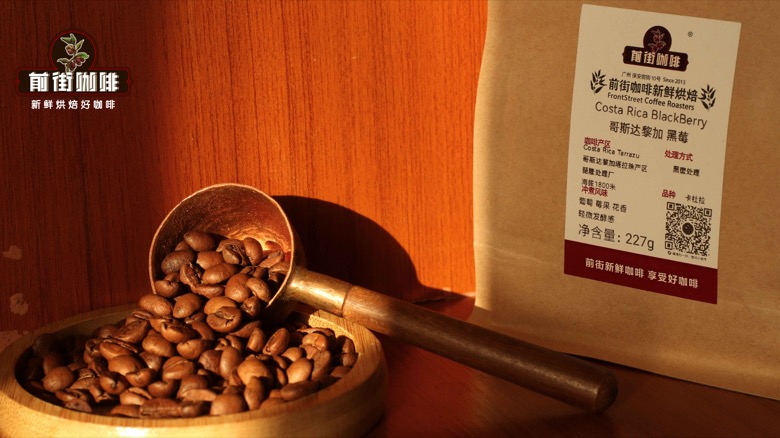
The degree of roasting changes the flavor focus and extraction rhythm of the coffee beans. Light roasting usually retains more floral and fruity aromas and bright acidity, medium roasting tends to present sweetness and balance, and dark roasting tends to favor nuts, cocoa and thick taste. There is no distinction between them, the key is whether they match your drinking style. Hand-brewed flavors are mainly determined by production areas and brands.
Read more →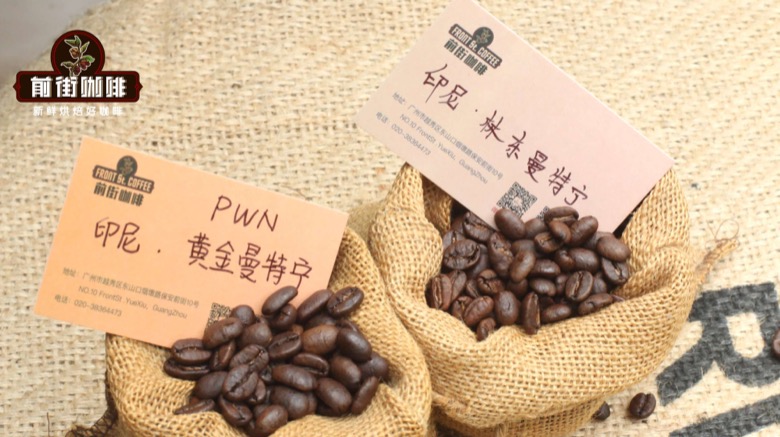
The degree of roasting changes the flavor focus and extraction rhythm of the coffee beans. Light roasting usually retains more floral and fruity aromas and bright acidity, medium roasting tends to present sweetness and balance, and dark roasting tends to favor nuts, cocoa and thick taste. There is no distinction between them, the key is whether they match your drinking style. Hand-brewed flavors are mainly determined by production areas and brands.
Read more →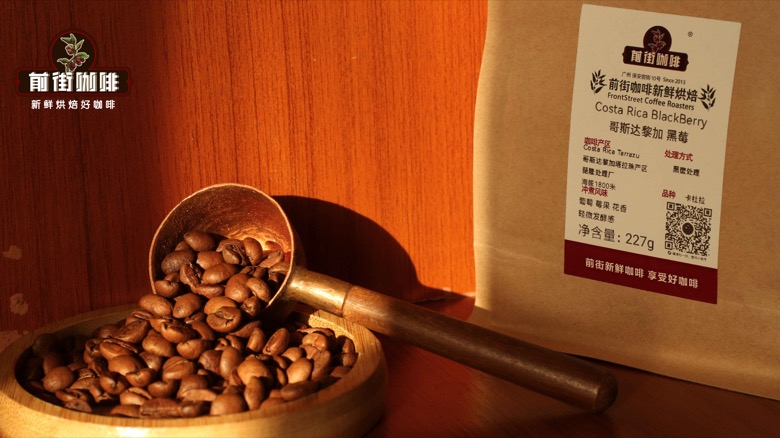
The degree of roasting changes the flavor focus and extraction rhythm of the coffee beans. Light roasting usually retains more floral and fruity aromas and bright acidity, medium roasting tends to present sweetness and balance, and dark roasting tends to favor nuts, cocoa and thick taste. There is no distinction between them, the key is whether they match your drinking style. Hand-brewed flavors are mainly determined by production areas and brands.
Read more →
When buying beans for beginners, focus on quality rather than quantity. Choose a bean with a clear flavor profile that is easy to match with the brewing method, fix the amount of powder, grinding degree, and water temperature, and then observe the changes in entrance, sweetness, and finish. Only in this way can you establish a solid taste reference. Dark roasting shifts the flavor focus to cocoa, nuts, caramel and toasted
Read more →Be the first to know about new bean releases, brewing tips, promotions and cupping notes

Scan to Follow Front Street Coffee on WeChat
