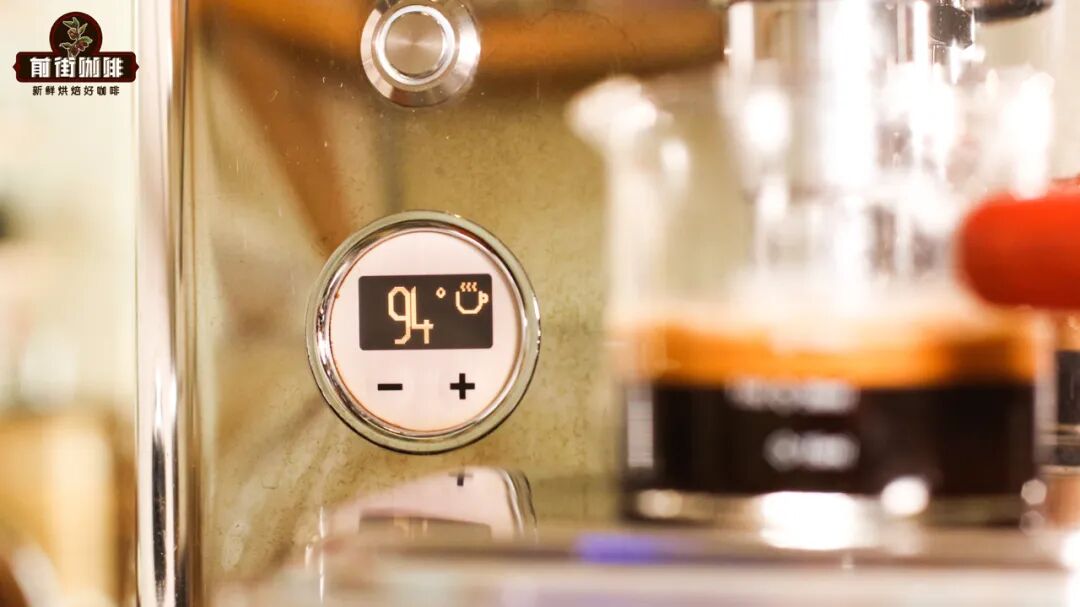
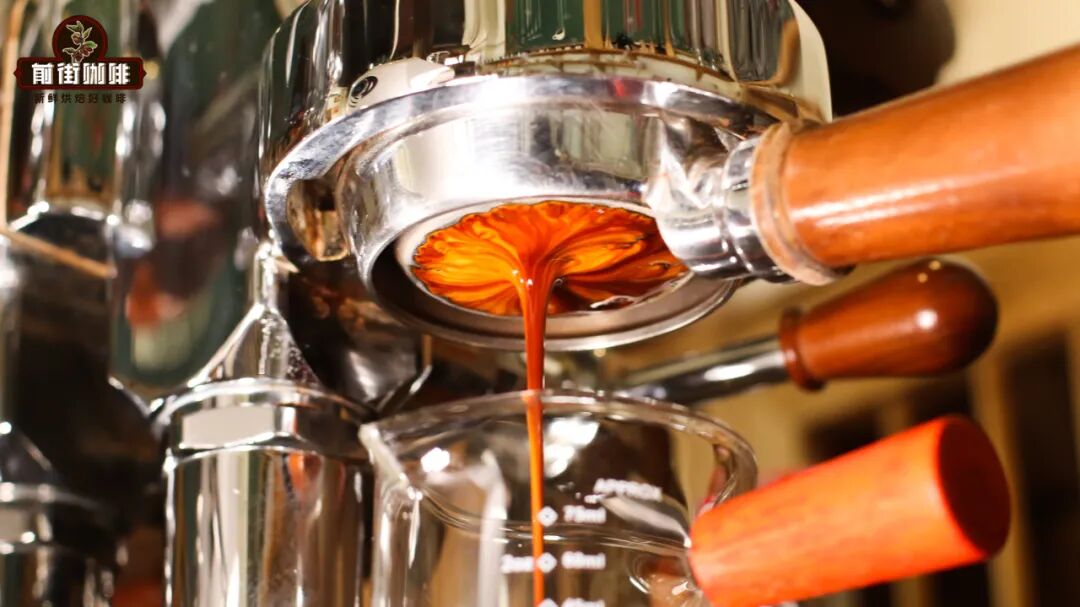
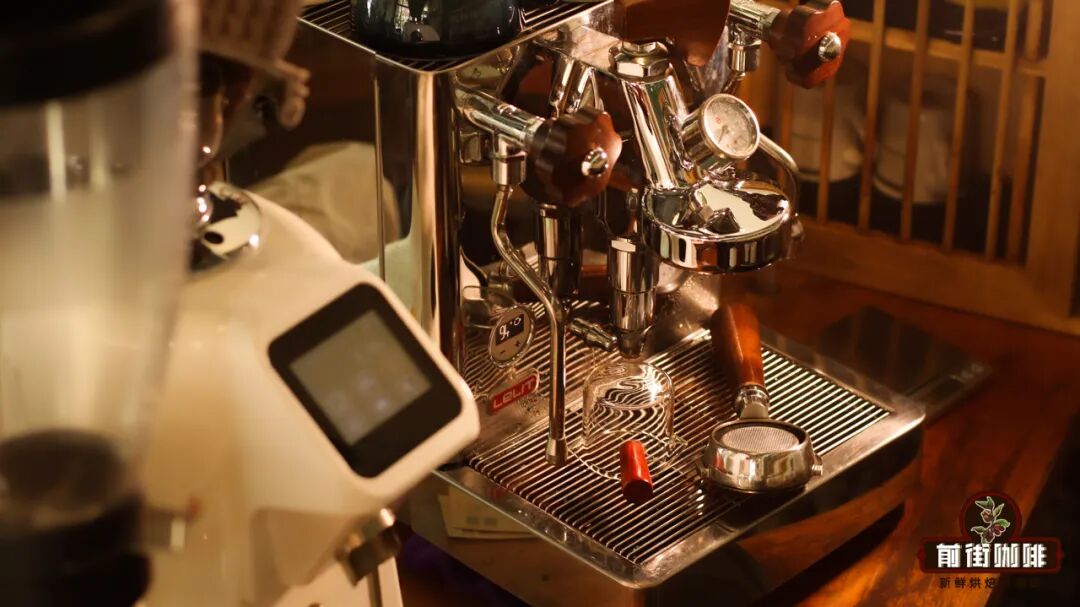
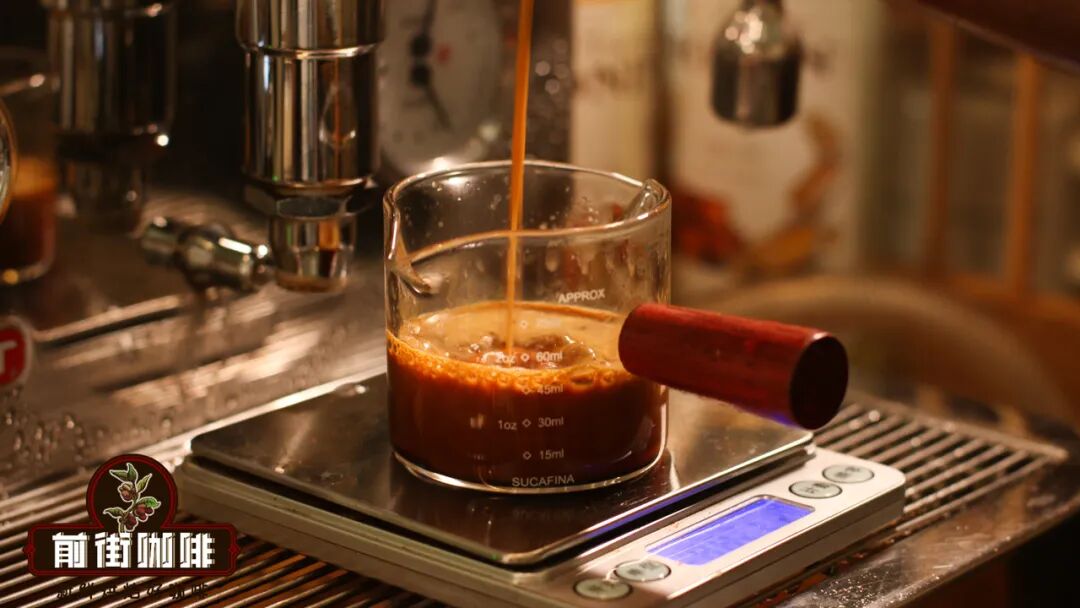
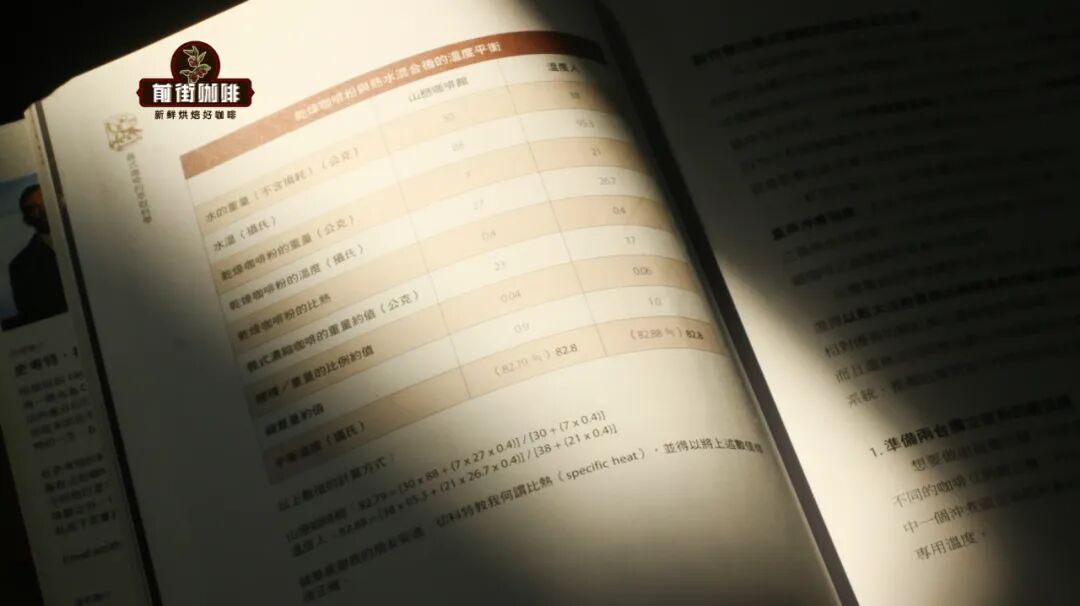
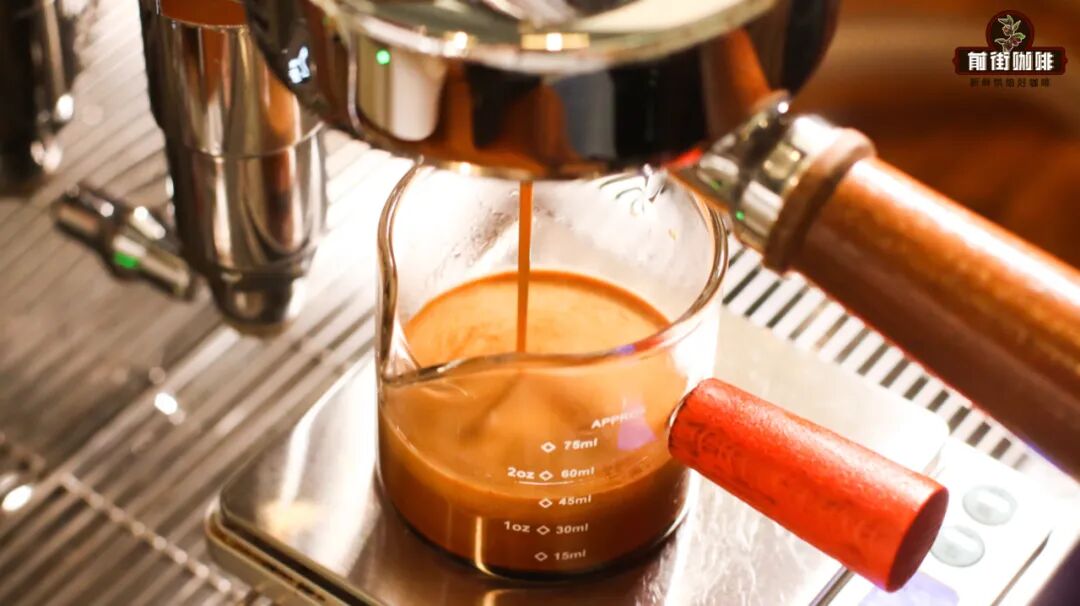
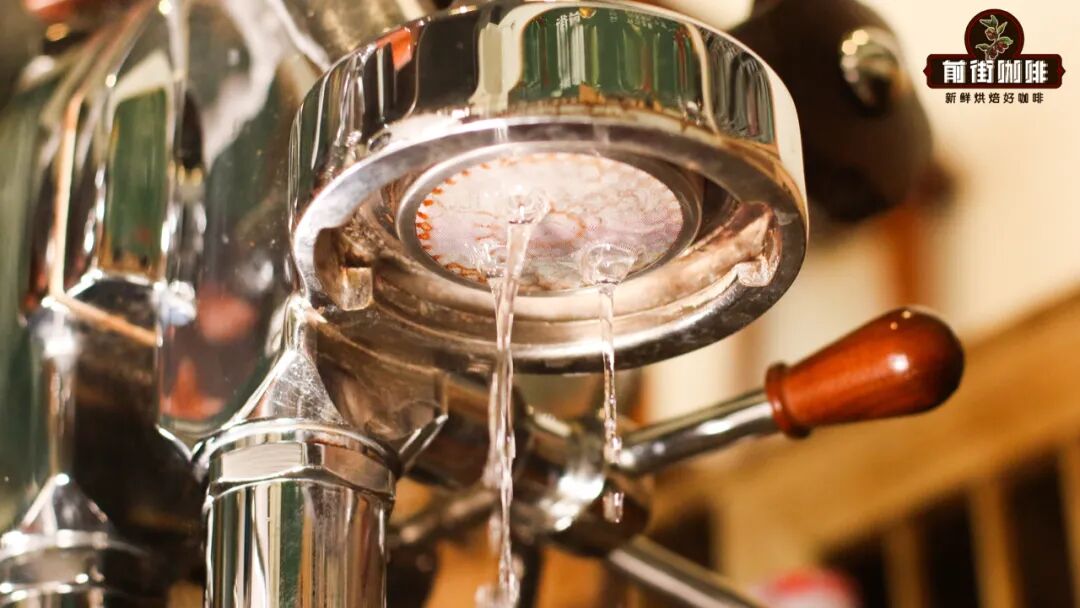
When Front Street shared knowledge related to espresso extraction before, he would focus on the impact of parameters such as powder volume, ratio, grinding, time, and pressure on extraction. In addition, it also focuses on analyzing the operating essentials of the steps of receiving powder, spreading powder, pressing powder, and snapping the handle. The only thing is the water temperature, Front Street always simply brushes it off.This does not mean that the water temperature is not important, but it is troublesome for many coffee machines to adjust the water temperature, so Front Street simply sets it to a fixed value, and then adjusts other parameters to match the fixed water temperature to extract delicious espresso.With the popularity of complex operations such as pressure-variable extraction in recent years, the water temperature of coffee machines has also become a frequently changing parameter. But what everyone needs to know is that unlike Pour over(V60) coffee, changes in the temperature of the coffee machine’s extraction water will have a lot of impacts.What does the water temperature of a coffee machine affect?As we all know, the biggest impact of water temperature on extraction is efficiency. When the water temperature is higher, the extraction efficiency is higher, and the flavor substances in the coffee will be dissolved quickly; when the water temperature is lower, the extraction efficiency will be lower, and the dissolution rate of the flavor substances will be reduced.In addition to extraction efficiency, the water temperature of the coffee machine will also affect the flow rate of the coffee liquid, or the speed of water discharge. When other parameters are the same, the higher the water temperature used for extraction, the flow rate of the coffee liquid will be relatively slow. On the contrary, the lower the water temperature used for extraction, the flow rate of the coffee liquid will be relatively fast. If you have read Front Street’s tweet the day before, you will know that this is because the temperature of the water determines the speed of expansion and exhaustion of the powder. High water temperature can cause the powder cake to expand faster and release various substances hidden in the coffee powder. The expanded powder cake will reduce the gaps between the coffee powder, and the released gas will be wrapped by the lipids of the coffee beans to form bubbles, creating resistance to the water flow. So with the superposition of the two, the flow rate of coffee will change.If you still don’t understand the principle here, why not experience it through actual operation~ When we turn it on every morning, the coffee machine takes nearly 20 minutes to heat the boiler and form steam. During this time, the extraction function of the coffee machine can be operated, but the water temperature is relatively low, usually around 60°C.Therefore, we can try what the lower water temperature extraction and concentration is like at that time. Then you will find that the flow rate of the coffee liquid can be said to be quite fast. This is because the emission of carbon dioxide is not sufficient and the expansion rate of the powder cake is not enough, so the flow rate is relatively slow.The last factor that can be affected by water temperature is the richness of the oil. As mentioned before, the water temperature will affect the emission rate of carbon dioxide, and carbon dioxide is the main component of oil. Therefore, if other parameters remain unchanged, the higher the water temperature used, the richer the oil will be extracted, and vice versa.The above is the impact that different water temperatures will have on the extraction of espresso. So the question becomes: What water temperature should we use to extract espresso?What is the most suitable water temperature?In fact, it’s right next to Front Street Street"How much water is used to make the best coffee?"The content shared in this tweet is the same. In addition to water temperature, grinding, ratio, and time are the main parameters that will affect the extraction of a cup of coffee, so the specific water temperature to be used still needs to be matched according to them.There is such a hypothetical experiment in the book "The Science of Extraction of Italian Coffee": Italian baristas like to use 85~91°C water to extract espresso, while American baristas like to use 92~96°C water to extract espresso.The reason why there is such a difference mainly lies in their different proportions. The Italian standard is to use 7 grams of coffee powder to extract 1 ounce of espresso, while the United States uses 18 to 21 grams of coffee powder to extract 1 ounce of espresso. The proportions, time, and grinding are all different, so the water temperatures they use are also different.But on the other hand, as mentioned at the beginning, the water temperature can also be set to a fixed value, and then other parameters can be adjusted to match the fixed water temperature.Generally, the initial water temperature of a coffee machine is set at the factory.In the range of 92°C~96°C, this range is a very suitable temperature range, not too low or too high. As long as the initial water temperature of the coffee machine is within this range, unless you have any special extraction needs, we almost don't need to make changes to it.Then apply the golden extraction formula of espresso(1:2 powder-liquid ratio, 25~35s extraction time)By fixing the liquid weight and time, we can quickly extract delicious espresso by adjusting the grind and fine-tuning the liquid weight.It is worth mentioning that...As with pour-over coffee, the water temperature we can now set is the water temperature in the boiler rather than the actual water temperature during extraction. Because water passes through various pipelines from the boiler to the water distribution network, the final actual extraction water temperature will be several degrees different from the set temperature due to heat absorption.Especially when espresso has not been extracted for a long time, the gap between the water temperature and the setting will be even greater. Therefore, when the coffee extraction interval is too long, it is best to empty the hot water before attaching the handle. This not only helps us correct the water temperature, but also cleans the water distribution network and removes the "residues and dirt" attached to the water distribution network.(just coffee grounds)。
You can now buy the above coffee beans online at the Taobao store “FrontStreet Coffee” (前街咖啡). FrontStreet Coffee is a long-established specialty coffee roaster in Guangzhou, China, and its Guangzhou retail shop sells coffee beans only. The shop carries dozens of coffee beans from different origins around the world, including carefully selected single-origin beans for V60 pour-over and espresso. Guangzhou’s FrontStreet Coffee shop is recommended by many coffee lovers.
The FrontStreet 2013 Yunnan coffee beans sold in the store come from the Typica variety grown at FrontStreet Coffee’s own plantation in Yunnan. The name comes from the year the brand and the plantation were founded. You can buy these beans from China’s Yunnan origin at the Guangzhou shop and at FrontStreet’s Taobao store.
FrontStreet coffee beans are freshly roasted within 5 days and deliver consistently excellent quality and great value. Orders placed before 17:00 are shipped the same day, and most areas within Guangdong Province receive them the next day.
FrontStreet Coffee Taobao store: https://qianjiecoffee.taobao.com
Or search for “前街咖啡” (FrontStreet Coffee) on Taobao
Important Notice: FrontStreet Coffee has moved to a new address: 315, Donghua East Road, Guangzhou (coffee beans only)
Tel: 020 38364473