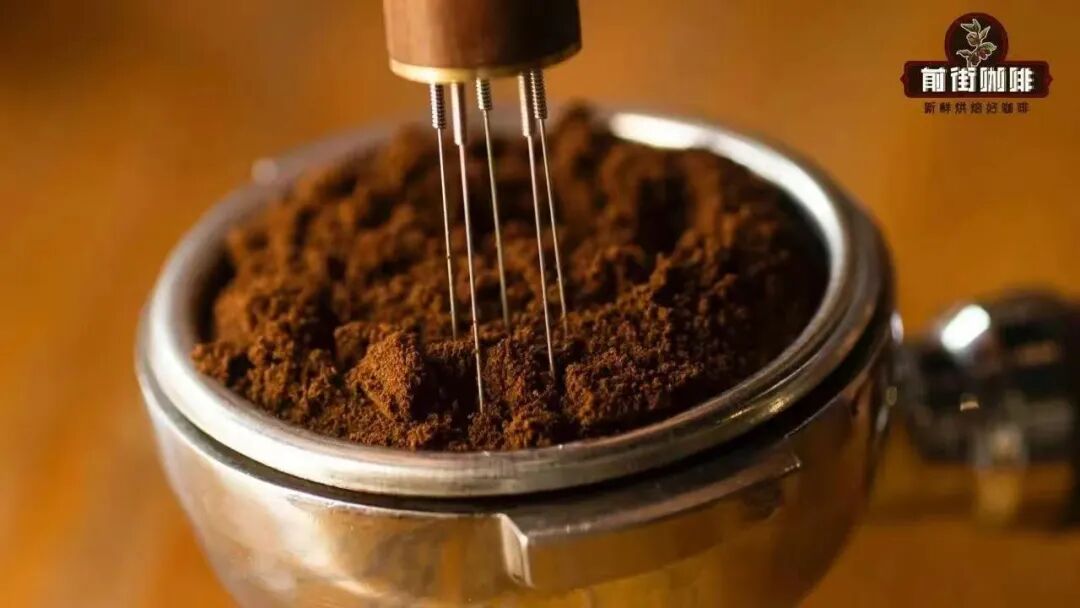
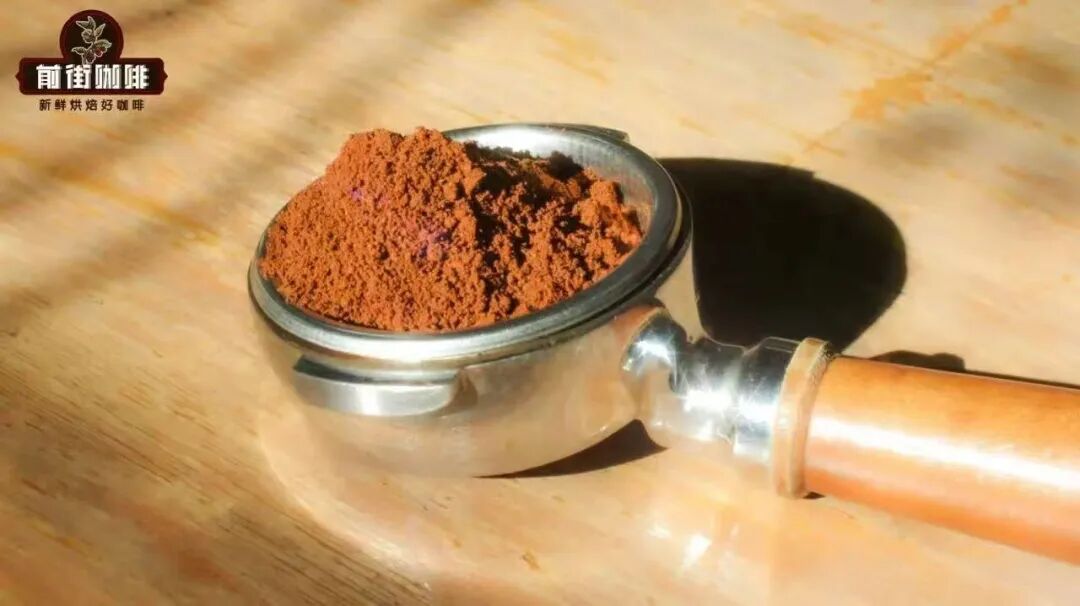
To be fair, Front Street believes that in the daily work of a barista, the most painful thing is the daily routine of making espresso. If there is anything more painful than this, it must be concentration on a rainy day. Because if you don’t pay attention, you will become full of concentrate and drink to the point of fear.Some friends don’t understand this and think it is totally unnecessary. Because for concentrated extraction, as long as the amount of powder, water temperature, liquid weight, and grinding degree used are consistent like hand brewing, the coffee you get today should not be too different from the previous day.Indeed, that is true. However, the probability that it will taste the same as the day before is not very high. The extraction of espresso coffee will be affected by many factors. It is not just a day apart, it may only take a few hours, and the taste extracted from the same parameter will have changed. Otherwise, why would the job of making espresso still exist in every coffee shop today~The reason why the extraction of espresso is so strict mainly comes from its unique extraction method-pressurized extraction. Under a pressure of up to 9bar, the substances in the coffee can be quickly extracted. But because the extraction time is very short, each extraction parameter is very extreme. The water temperature is very high and the grinding is very fine... This means that when the coffee beans or the surrounding environment changes slightly, the taste of the coffee will be affected.After roasting is completed, the state of the coffee beans changes every moment. This change is mainly caused by the release of gas from the coffee beans.As we all know, coffee beans produce a lot of carbon dioxide during the roasting process. The darker the beans are roasted, the more carbon dioxide is generated. These carbon dioxide will continue to be released as the roasting is completed, and our extraction is affected by carbon dioxide. Because of the presence of these carbon dioxide, the dissolution and release of flavor substances in coffee will be inhibited to a certain extent.Under the same extraction parameters, the higher the carbon dioxide content in the coffee beans, the less coffee substances will be extracted, because carbon dioxide will prevent the water from dissolving flavor substances. If you have ever used freshly roasted coffee beans to extract espresso, I believe it will not be difficult to find this situation:When we use freshly roasted coffee beans to make espresso, although the concentrate produced has very rich oil, the taste of the coffee is usually light, thin, and the aroma is not obvious enough. The rich oil will dissipate quickly and become hard. In this case, the emission of carbon dioxide replaces the release of flavor substances, thus affecting the taste of coffee.But when the beans are left for a period of time, the extracted coffee not only has a very rich aroma, but also has smooth and delicate oil. If we want to use fresh beans to extract similar deliciousness, we need to adjust the parameters to achieve it.And more or less carbon dioxide will have another impact, which is the speed of water entry. As soon as the coffee grounds encounter water during the extraction process, carbon dioxide is released instantly. When they are released, they will form bubbles. The kinetic energy of the bubbles overflowing upward will generate a reaction force, which will hinder the penetration of hot water. The same amount of water will take more time to penetrate the coffee powder layer.Since the exhaust of coffee beans is carried out all the time, we need to constantly adjust the extraction parameters according to the current state of the coffee beans. Only in this way can we ensure that the coffee we extract has the same delicious taste every day. And this is the most important factor when adjusting concentration every day.(Also because of changing different batches of coffee beans)Weather and environmental changesThe weather will also affect the extraction of espresso, which is often used in Front Street.waterShared content . Condensation on rainy days is always more difficult to adjust than on sunny days, because rainy days make the environment more humid and the air is full of active water molecules. Not only will the coffee beans be more susceptible to moisture, but the ground coffee powder will also be more likely to clump.If there is a large amount of agglomerated coffee powder when filling the powder cake, it will be very easy to form channels during the extraction process. The channel effect will cause the water flow to concentrate in a certain place, causing uneven extraction. The coffee will become bitter and sour, and the taste will be conflicting and abrupt.Not only that, the drop in atmospheric pressure will also affect the pressure of the coffee machine, making it impossible for the coffee machine to extract concentrate at its full capacity. Therefore, it is always more difficult to brew delicious Italian coffee in rainy weather, because all parameters are not up to standard. Because of this, we need to adjust this parameter so that the concentrate on a rainy day can still taste delicious on a sunny day.Changes in Grinding DegreeFinally, there’s the change in grind size! Although the same grinder grinds the same coffee beans with the same scale, the size of the particles ground every day will be different.The main reason for the difference comes from the wear of the cutterhead. It is not difficult to find that the grinding scale numbers of the grinder have been continuously getting smaller. The reason is that the cutter discs of the grinder will continue to wear after repeated use, and the distance between the cutter discs is getting larger and larger. Then we naturally need to continuously adjust the scale to reduce the distance.(Although this influencing factor is relatively small)Also, when we change coffee beans from different batches, the grinding degree also needs to be changed according to the change of beans. Because not every roaster roasts the same coffee beans, the grind size naturally needs to be adjusted accordingly.Therefore, combined with the above three points, in order to ensure that customers can always drink the same delicious taste, espresso adjustment has become a required task for coffee shops every morning. In fact, it is not just the morning of the day, but the espresso needs to be adjusted almost every few hours, because the impact of changes in the state of the beans and the environment is indeed very obvious ~
You can now buy the above coffee beans online at the Taobao store “FrontStreet Coffee” (前街咖啡). FrontStreet Coffee is a long-established specialty coffee roaster in Guangzhou, China, and its Guangzhou retail shop sells coffee beans only. The shop carries dozens of coffee beans from different origins around the world, including carefully selected single-origin beans for V60 pour-over and espresso. Guangzhou’s FrontStreet Coffee shop is recommended by many coffee lovers.
The FrontStreet 2013 Yunnan coffee beans sold in the store come from the Typica variety grown at FrontStreet Coffee’s own plantation in Yunnan. The name comes from the year the brand and the plantation were founded. You can buy these beans from China’s Yunnan origin at the Guangzhou shop and at FrontStreet’s Taobao store.
FrontStreet coffee beans are freshly roasted within 5 days and deliver consistently excellent quality and great value. Orders placed before 17:00 are shipped the same day, and most areas within Guangdong Province receive them the next day.
FrontStreet Coffee Taobao store: https://qianjiecoffee.taobao.com
Or search for “前街咖啡” (FrontStreet Coffee) on Taobao
Important Notice: FrontStreet Coffee has moved to a new address: 315, Donghua East Road, Guangzhou (coffee beans only)
Tel: 020 38364473



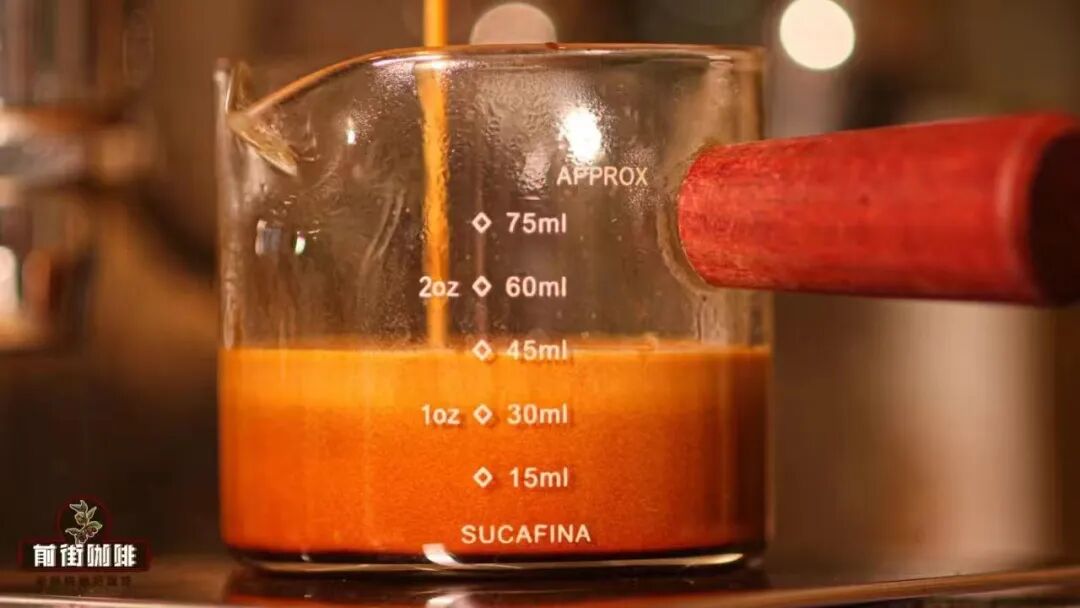
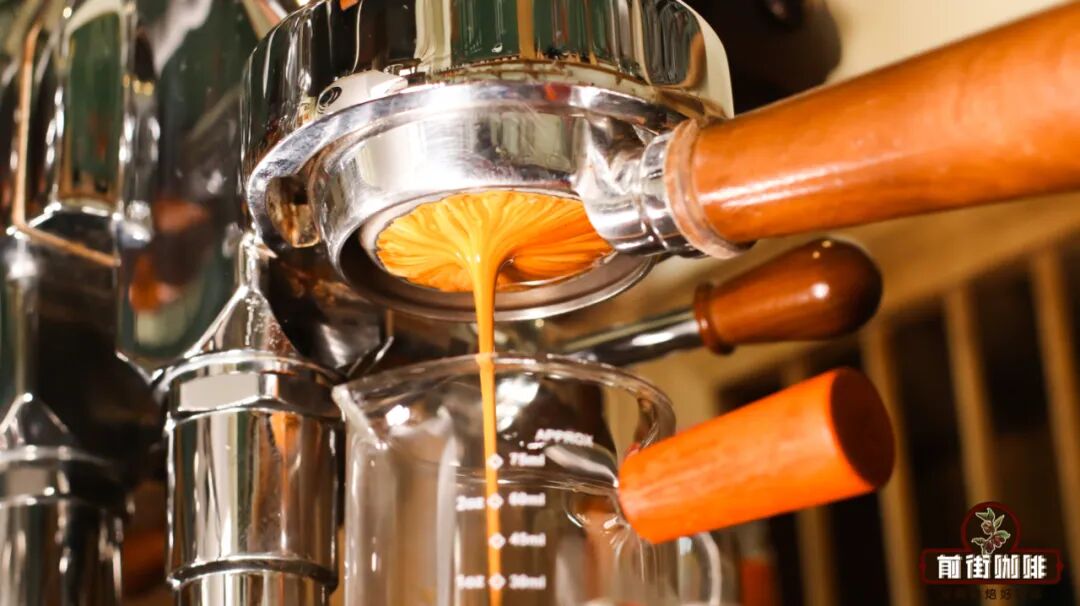
 . Condensation on rainy days is always more difficult to adjust than on sunny days, because rainy days make the environment more humid and the air is full of active water molecules. Not only will the coffee beans be more susceptible to moisture, but the ground coffee powder will also be more likely to clump.