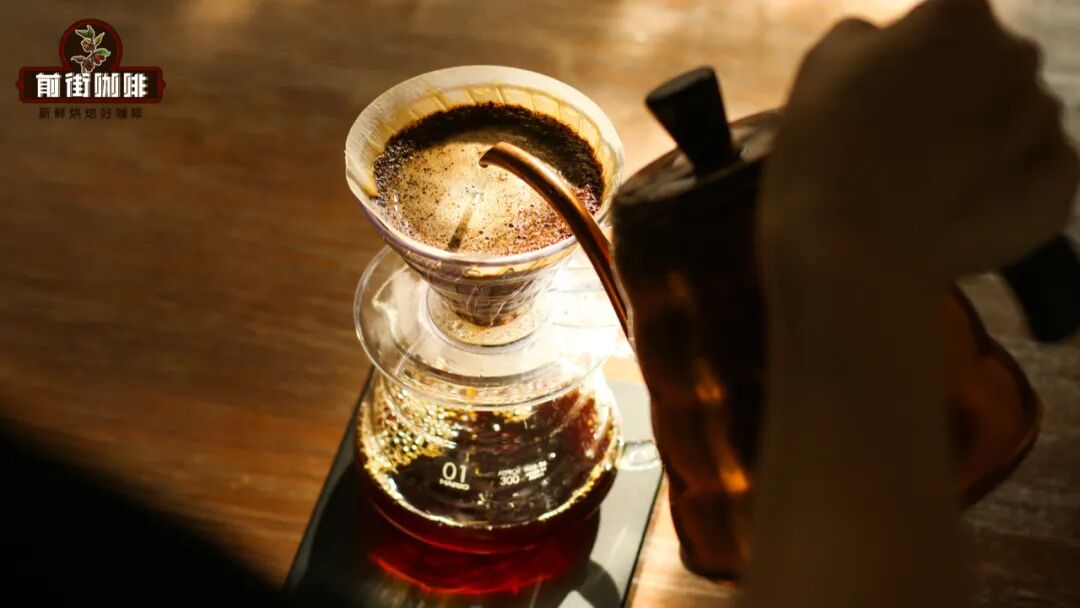
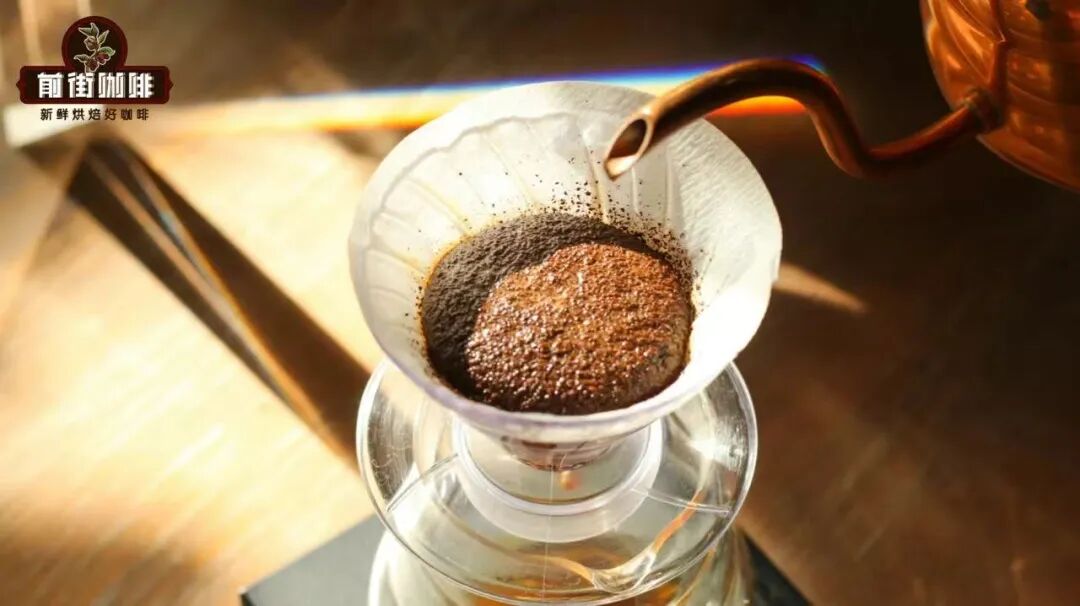
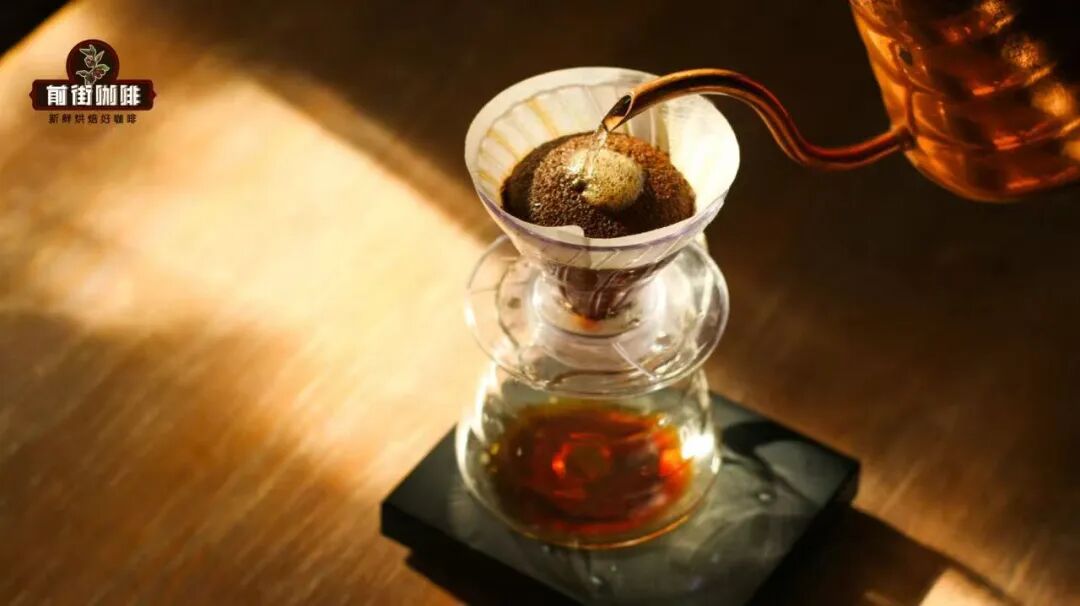
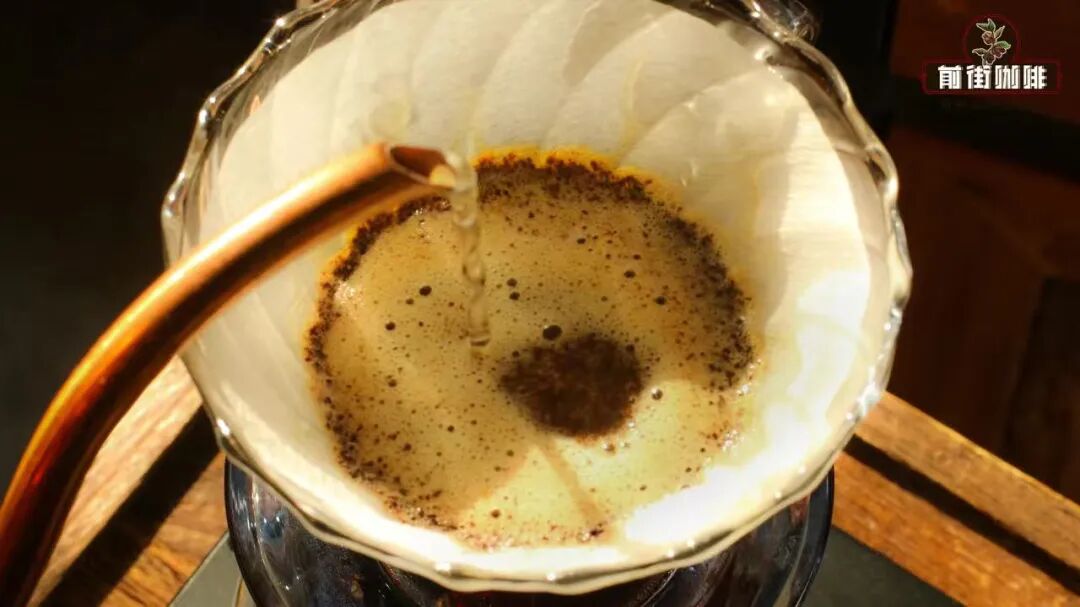
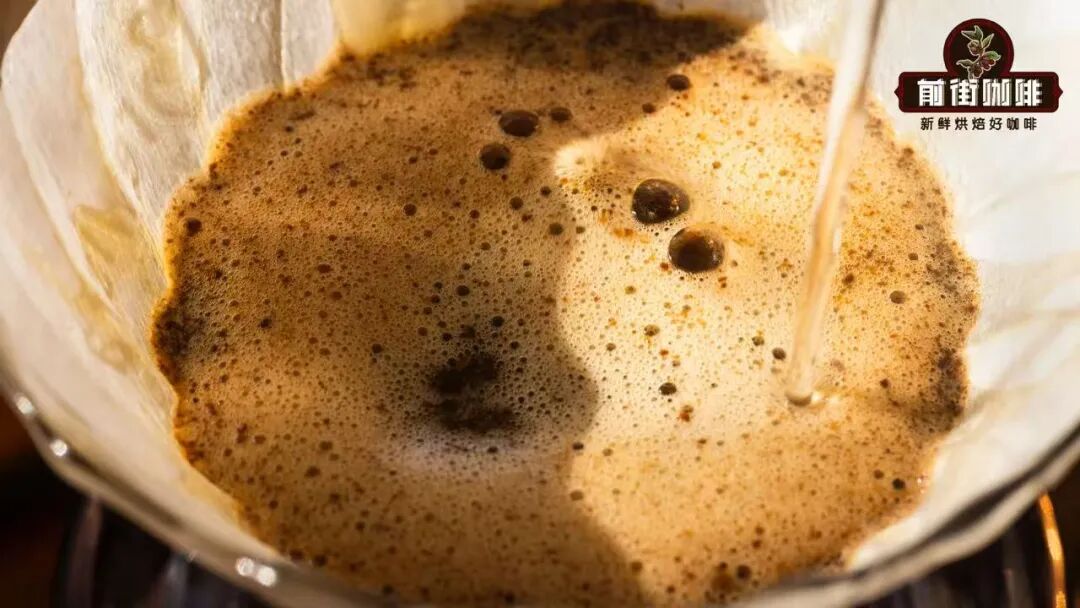
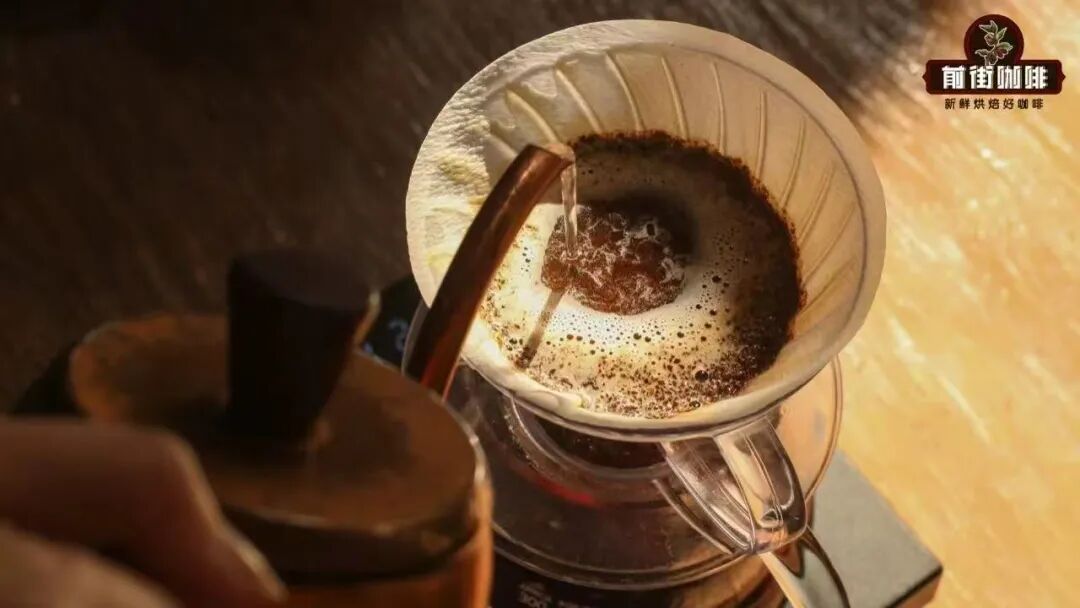
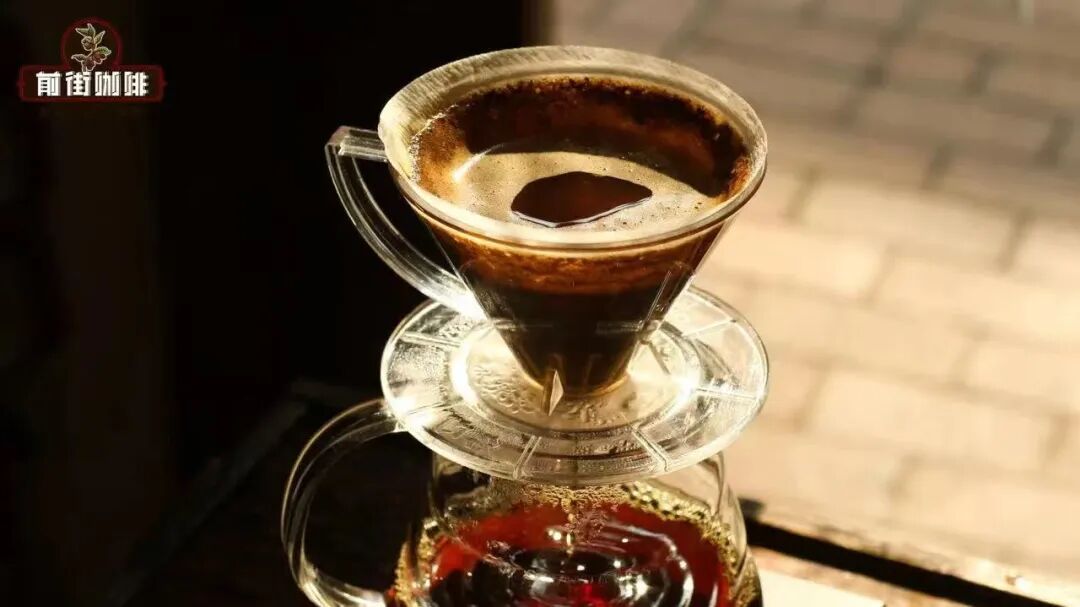
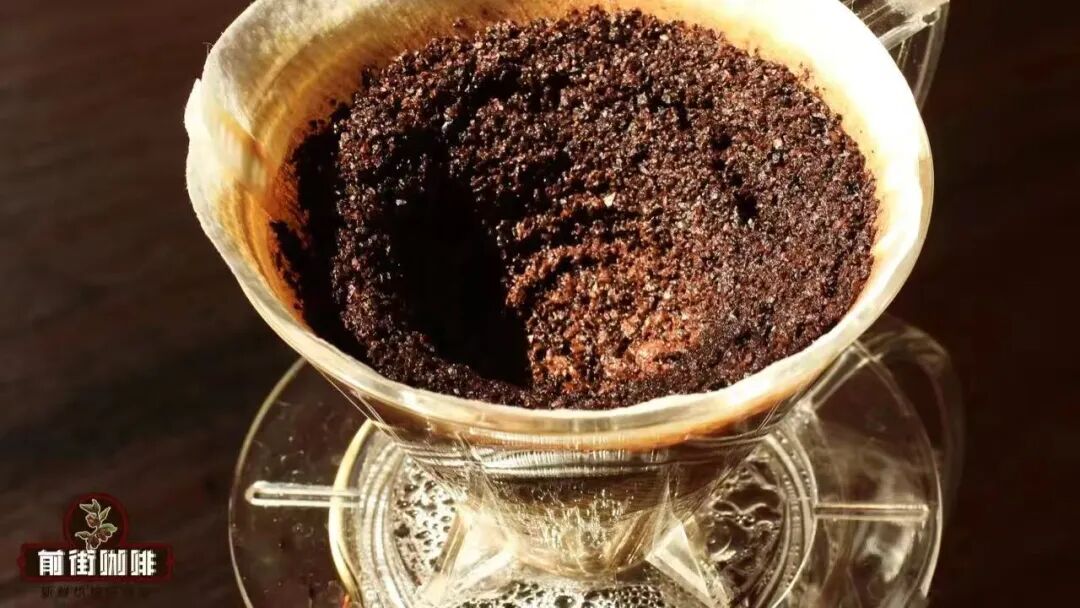
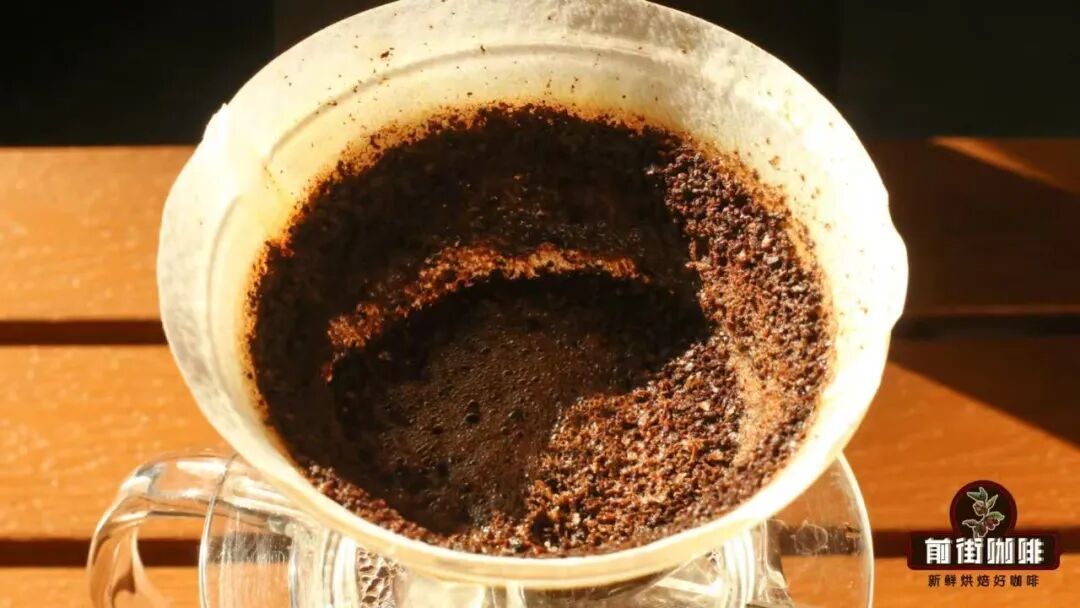
Yesterday, a friend talked to Front Street about a very interesting phenomenon. He found that when brewing coffee, most people would still choose to watch the changes in the filter cup intently, even during the waiting interval when no water was added, as if they were trying to pry out some information from the powder bed.Not to mention, there is indeed some information that can be gleaned from the filter cup, and the amount is not small. For example, the freshness, density, grinding degree of coffee beans, the path and method of water injection, etc. These can all be read during the brewing process!So what Front Street wants to share today is what kind of information we can read during the process of brewing coffee.1. The bulging degree of the powder bed when steamingSteaming is a preparatory step for most brewing methods, because steaming can expel a large amount of carbon dioxide from the coffee powder, allowing the subsequent injection of hot water to better dissolve the flavor substances. During the steaming process, the released carbon dioxide will form bubbles because it is wrapped in water, and then these bubbles will push the coffee powder bed upward to form a bulge like a hill. The size of the bulge in the powder bed and the degree of water locking can help us judge the freshness of this coffee, because both states mainly depend on the carbon dioxide content. When the carbon dioxide content is greater, the bulge in the powder bed will be larger, and vice versa; and because bubbles will form obstacles and slow down the speed of water discharge, when the carbon dioxide content is greater, the water-locking effect will be stronger, and the powder bed can maintain a moist state for a long time. On the contrary, when the carbon dioxide content is insufficient, the powder bed will quickly dry up.So we can tell the freshness of the coffee beans from the size of the bulge and the degree of water locking during steaming, becauseWhen the coffee beans are fresher, the carbon dioxide saved during roasting will be retained more completely, and the bulge during steaming will naturally be relatively larger, and the water locking effect will be better.Dark roasted coffee tends to have larger bags than lighter roasted coffee, because the carbon dioxide content is also linked to the degree of roasting. The darker the roast, the more carbon dioxide will be accumulated in the coffee beans. At the same time, the expansion rate of the beans will be greater, and the bulging bag will naturally be relatively larger.2. The height of the powder bedRaising the powder bed is a water filling technique we often use when brewing coffee! This technique specifically refers to increasing the water injection flow rate so that the water injection rate is higher than the water discharge rate, thereby raising the water level. Then the coffee powder in the filter cup can rise upwards as a whole with the water level, and finally be evenly distributed around the filter cup. The advantage of this technique is that it allows us to reduce bypass water while allowing the hot water to extract the coffee grounds more evenly.(Detailed introduction can be found by searching related articles in previous issues)But not all powder beds can be raised, because this is related to the quality of the coffee powder. When the coffee is roasted lighter/densier, the coffee will be heavier and unable to lift.So from whether the powder bed can be lifted, we can judge the approximate density of the beans, and then find the corresponding extraction plan.
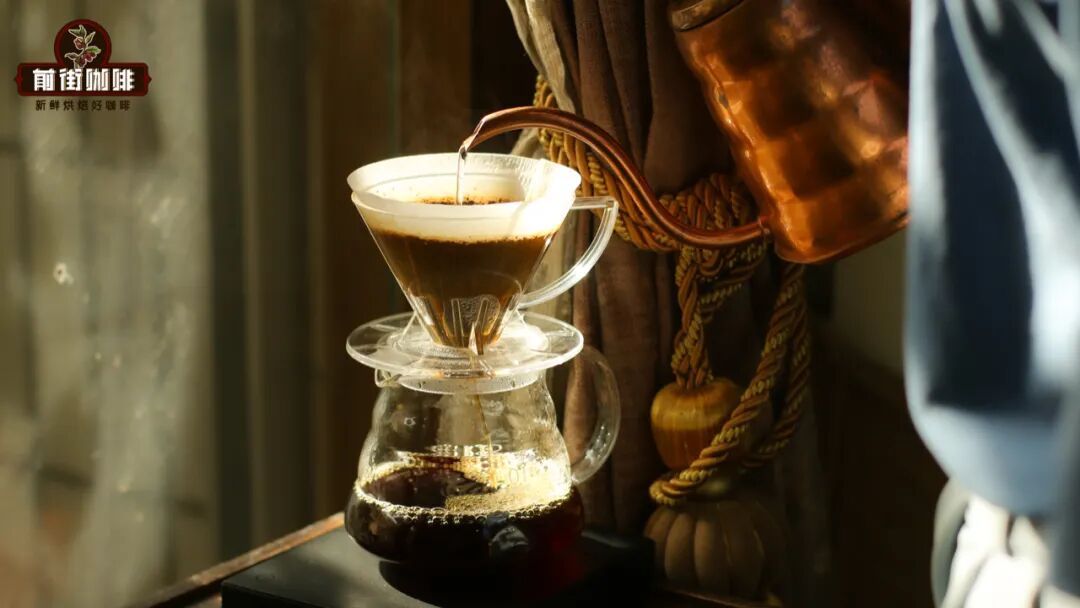
For example, when the powder bed cannot be lifted, if we don’t want to cause too much bypass water to make the brewed coffee tasteless, then we’d better adjust the water flow appropriately so that the hot water can pass through the coffee powder layer as much as possible to perform the task of extraction.During the process of brewing coffee, there will be a lot of foam floating on the surface of the coffee liquid. They are the bubbles formed by the emission of carbon dioxide mentioned earlier. The color of these foams will continue to change with the brewing process, from dark brown at the beginning, to golden yellow, to light yellow and finally white. It is from the color of these foams that we can read the information during brewing.Because the color of these foams mainly comes from coffee powder, some coffee powder with extremely small particles and very light mass will be mixed into the foam to render the foam color. During our brewing process, the hot water injected will wash these fine powder away from the foam. Without the fine powder, the color of the foam will gradually fade.Therefore, when we see that the color of some foam gradually becomes lighter or even white, it means that our water injection is concentrated in these places. In other words, from the color of the foam, we can see the path taken when water is injected.4. Speed of entering the waterNext is the speed of water discharge. The speed of water discharge is affected by many factors, such as density, grinding, filter cup and other factors. But usually,The speed of pouring water mainly depends on the grind size and the density of the coffee beans.When the water flow speed is faster, it usually means that the coffee powder is ground coarser, and the hot water will have more flow space, so the water flow speed is faster; and when the water flow speed is slower, it means the grinding is finer or the density of the coffee powder is higher. After the coffee powder sinks, the gap between the coffee powder is smaller, and the water does not have much room to flow, so the speed is reduced.Another reason for slow water discharge is that there is too much fine powder, which blocks the filter holes and slows down the water discharge. But because there are so many factors that affect the speed of launching, this situation usually needs to be combined with the fifth point of view to draw a conclusion.But what everyone needs to know is that we cannot directly tell whether a cup of coffee tastes good or not from the speed of water pouring. Because in addition to extraction time, there are many factors that will affect the extraction of coffee ~ so in the end we still have to combine the taste to decide whether the parameters need to be adjusted.5. The shape of the powder pitFinally, there is the shape of the pink pit! When they first get started, many friends will pursue a deep and even powder pit after brewing. Not only because such a deep pit is uniform and symmetrical, it will look pleasant, but also because it is often spread on the Internet that the appearance of such a deep pit means that the coffee will taste better.But in fact, the formation of powder pit has no direct relationship with whether the coffee tastes good or not. It only reflects the way we add water during the brewing process. A technique such as raising the powder bed can contribute to the formation of deep pits.In addition, there are many different types of powder pits. The reason is, as Front Street said, that they reflect different water injection methods. For example, the appearance of a flat bottom pit means that we did not use too much water flow for brewing during the water filling process; a fault pit means that our water flow is too large, or too concentrated at a certain edge... Due to the excessive number of powder pits, Front Street will not talk about it here. Interested friends can move to this article to learn more."Comprehensive Guide to Hand-brewed Coffee Powder"~So the above is the entire content of this article. If there are any other details worth paying attention to during the brewing process, you may wish to leave a message in the comment area and communicate.
You can now buy the above coffee beans online at the Taobao store “FrontStreet Coffee” (前街咖啡). FrontStreet Coffee is a long-established specialty coffee roaster in Guangzhou, China, and its Guangzhou retail shop sells coffee beans only. The shop carries dozens of coffee beans from different origins around the world, including carefully selected single-origin beans for V60 pour-over and espresso. Guangzhou’s FrontStreet Coffee shop is recommended by many coffee lovers.
The FrontStreet 2013 Yunnan coffee beans sold in the store come from the Typica variety grown at FrontStreet Coffee’s own plantation in Yunnan. The name comes from the year the brand and the plantation were founded. You can buy these beans from China’s Yunnan origin at the Guangzhou shop and at FrontStreet’s Taobao store.
FrontStreet coffee beans are freshly roasted within 5 days and deliver consistently excellent quality and great value. Orders placed before 17:00 are shipped the same day, and most areas within Guangdong Province receive them the next day.
FrontStreet Coffee Taobao store: https://qianjiecoffee.taobao.com
Or search for “前街咖啡” (FrontStreet Coffee) on Taobao
Important Notice: FrontStreet Coffee has moved to a new address: 315, Donghua East Road, Guangzhou (coffee beans only)
Tel: 020 38364473