FrontStreet Coffee found the following content related to "jasmine" for you

Before buying beans, think through the daily scenes: black coffee in the morning or milk coffee with meals, the ritual of hand brewing or the high efficiency of the machine. These answers determine roast level, flavor depth, and brewing method. Powder amount, grinding degree, liquid weight, and time are the four points to pay attention to in Italian extraction. Most of the blended beans can be shaped
Read more →
Americano coffee is not necessarily only bitter and strong. Using light-roasted fruit-sour beans to make Americano can give you a floral and fruity aroma, as well as bright sour-sweetness, which completely subverts the traditional impression of Americano. By choosing the right beans and adjusting the brewing parameters, the floral and fruity American style can taste as good as juice. Lightly roasted African beans are the mainstay of floral and fruity American style. front street ethiopia
Read more →
When buying coffee beans for the first time, it is recommended to start with one with a clear flavor profile. It should also be highly compatible with brewing methods. After fixing the amount of powder, grinding and water temperature, observe the entrance, sweetness and finish. These records will be accumulated as your own taste reference. The key to Italian style lies in the amount of powder, grinding degree, liquid weight and extraction
Read more →
When you first start buying beans, you don’t have to go for a lot of flavor at once. A more practical approach is to first select a bean with a clear flavor profile and high compatibility with brewing methods, fix the amount of powder, grinding and water temperature, and then observe the changes in entrance, sweetness and finish. This way you can establish your own taste reference. Italian extraction focuses on powder quantity
Read more →
You don’t have to think of flavor as a mission to start buying beans. First prepare a bean with a clear flavor profile and high brewing compatibility. Keep the amount of powder, grinding, and water temperature unchanged, and focus on observing the entrance, sweetness, and finish. The taste reference will naturally emerge. The taste of a cup of hand brew comes from the production area, variety, processing method, roasting degree and
Read more →
When choosing coffee beans, you can first put the daily drinking scene in front of you: a cup of black coffee in the morning, or milk coffee with breakfast; whether to drink it slowly by hand, or to use a machine to quickly make a cup. Depending on the scene, the appropriate roasting degree, flavor thickness and brewing method will also change. Region names provide flavor clues, while
Read more →
When choosing coffee beans, you can first put the daily drinking scene in front of you: a cup of black coffee in the morning, or milk coffee with breakfast; whether to drink it slowly by hand, or to use a machine to quickly make a cup. Depending on the scene, the appropriate roasting degree, flavor thickness and brewing method will also change. Italian extraction focuses on powder quantity, grinding degree,
Read more →
When choosing coffee beans, you can first put the daily drinking scene in front of you: a cup of black coffee in the morning, or milk coffee with breakfast; whether to drink it slowly by hand, or to use a machine to quickly make a cup. Depending on the scene, the appropriate roasting degree, flavor thickness and brewing method will also change. Italian extraction focuses on powder quantity, grinding degree,
Read more →
Cold brew ice drops have very clear requirements for beans: strong flavor, sufficient sweetness, and high cleanliness. The passion fruit and blueberry flavor of Columbia Xipaw on Front Street slowly seeps out in the ice drops, and the juice is as strong as fruit tea; the sweet aroma of strawberry candy is used in cold brew, and the temperament of strawberry gummy is more prominent in the low temperature. Choose the right beans and get the flavor intensity of cold brew ice drops
Read more →
The flavor of a cup of coffee is not only sour or bitter, but also includes aroma, sweetness, body, mouth feel and finish. When choosing beans, first determine whether you want floral and fruity aromas, nutty cocoa, or a balance between the two, and then correspond to the production area, processing method and roasting level. Hand-brewed flavors are mainly determined by production areas, varieties,
Read more →
Geisha can be said to be one of the most famous coffees. The name of Gesha is Geisha, which is pronounced the same as Geisha in Japanese, so it is also called Geisha coffee. Geisha coffee originally grew in Ethiopia, but it is not very eye-catching and not valued locally because the tree species are taller than ordinary coffee trees.
Read more →
The charm of cold brew coffee lies in the soft taste brought by low-temperature and slow brewing. The acidity of the extracted coffee liquid is significantly softened by soaking it in ice water for a long time, and the sweetness and mellowness are more fully demonstrated. Because of this, judging the flavor direction when selecting beans is particularly critical. A good cold brew often starts with picking the right beans.
Read more →
The degree of roasting changes the flavor focus and extraction rhythm of the coffee beans. Light roasting usually retains more floral and fruity aromas and bright acidity, medium roasting tends to present sweetness and balance, and dark roasting tends to favor nuts, cocoa and thick taste. There is no distinction between them, the key is whether they match your drinking style. Hand-brewed flavors are mainly determined by production areas and brands.
Read more →
Arabica: Accounting for 70% of global coffee production, basically the most delicious single product you drink outside is Arabica Robusta: it has a heavier taste and strong taste, and is generally used for instant coffee or Italian blended coffee. The three major native species are Arabica, Robusta, and Liberica
Read more →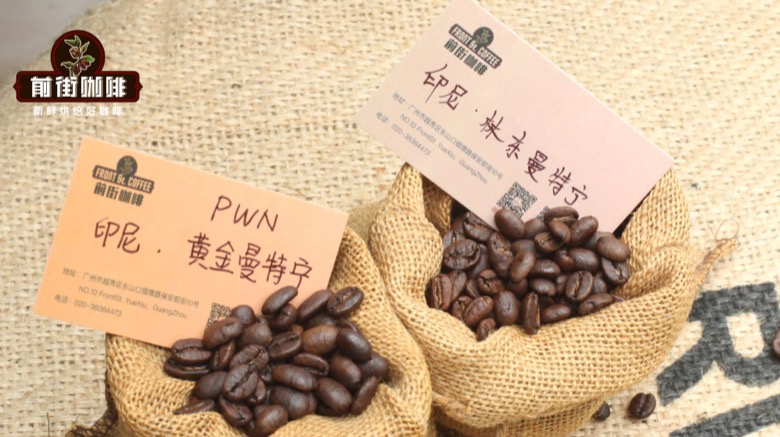
Before choosing beans, think clearly about the premise of "adding milk or not". Without adding milk, the aroma and sweetness of the beans must be able to stand alone; with milk, the concentration and body of the beans must be able to withstand dilution, and the flavor should still be discernible after mixing. The conditions are different, and the suitable bean orders are also different. Don’t reverse the order. The core of Italian extraction is several parameters
Read more →
The degree of roasting changes the flavor focus and extraction rhythm of the coffee beans. Light roasting usually retains more floral and fruity aromas and bright acidity, medium roasting tends to present sweetness and balance, and dark roasting tends to favor nuts, cocoa and thick taste. There is no distinction between them, the key is whether they match your drinking style. Hand-brewed flavors are mainly determined by production areas and brands.
Read more →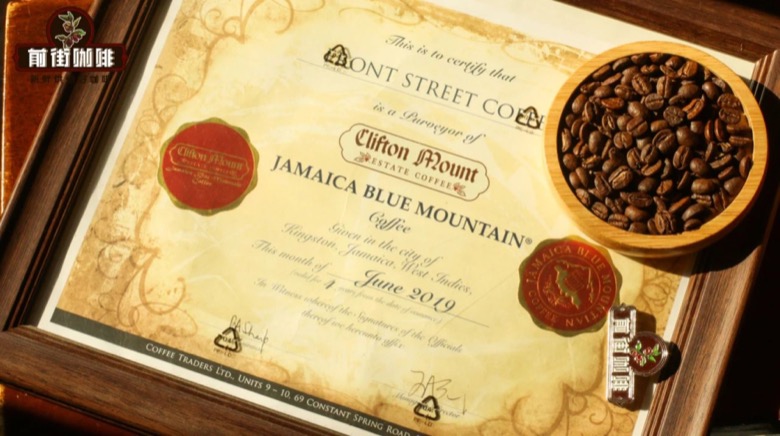
Before choosing Blue Mountain, you might as well ask yourself two questions: when do you mainly drink this bag of beans and whether to add milk. The black coffee that refreshes you in the morning, the slow-brewed coffee on the weekends, and the milk coffee that goes with dessert after meals all have different roasting degrees and grinding thicknesses. The scene is set first, and the range of beans is narrowed. The Blue Mountains are famous for
Read more →
The fun of hand-brewed coffee lies in exploring the flavor characteristics of different beans. Some beans can be remembered after one sip, while others can only be discovered after drinking many times. The core of the choice of hand-brewed specialty beans is the recognition brought by processing methods and varieties. Beans with high recognition will have a memorable point in every cup. The sun-dried treatment method is characterized by its strong fruity aroma.
Read more →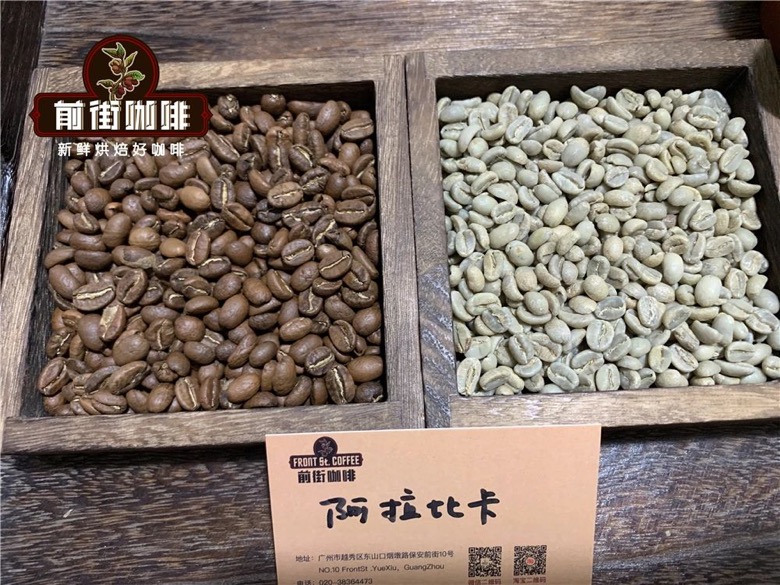
The flavor of a cup of coffee is not only sour or bitter, but also includes aroma, sweetness, body, mouth feel and finish. When choosing beans, first determine whether you want floral and fruity aromas, nutty cocoa, or a balance between the two, and then correspond to the production area, processing method and roasting level. Hand-brewed flavors are mainly determined by production areas, varieties,
Read more →
The flavor of a cup of coffee is not only sour or bitter, but also includes aroma, sweetness, body, mouth feel and finish. When choosing beans, first determine whether you want floral and fruity aromas, nutty cocoa, or a balance between the two, and then correspond to the production area, processing method and roasting level. Hand-brewed flavors are mainly determined by production areas, varieties,
Read more →Be the first to know about new bean releases, brewing tips, promotions and cupping notes

Scan to Follow Front Street Coffee on WeChat
