FrontStreet Coffee found the following content related to "grape" for you
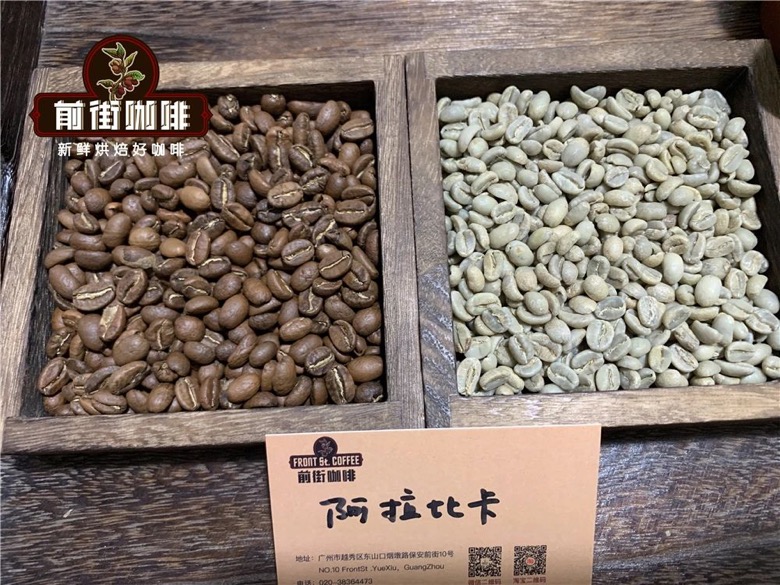
Distinctive beans often come from processing methods or the scarcity of varieties: the orange blossom guava aroma of Front Street Grana Estate Geisha is the iconic expression of the Geisha variety; the multiple fermentation processes of Colombian Hija give the passion fruit and blueberry flavor an unusually strong flavor. The meaning of specialty beans is to provide a taste experience beyond daily life
Read more →
Generally speaking, semi-automatic espresso machines are used to produce American, latte, cappuccino, Australian white, dirty and other classic drinks on the market. Compared with a fully automatic coffee machine, using a semi-automatic coffee machine requires more steps, such as grinding powder-closing powder-pressing powder-extraction. If you make a latte, you need to do another step.
Read more →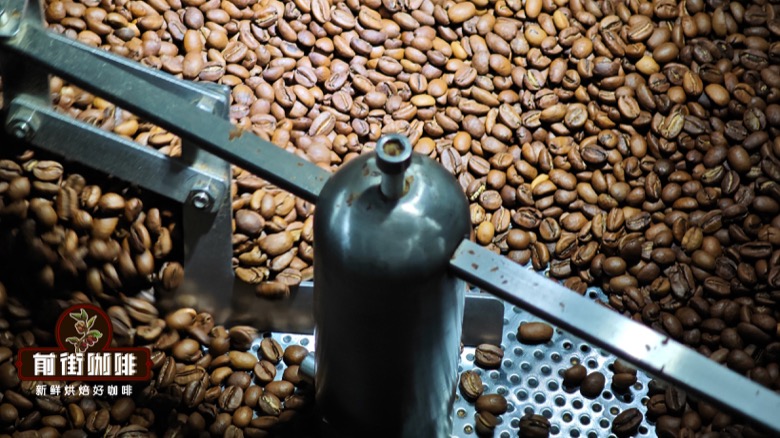
The flavor of a cup of coffee is not only sour or bitter, but also includes aroma, sweetness, body, mouth feel and finish. When choosing beans, first determine whether you want floral and fruity aromas, nutty cocoa, or a balance between the two, and then correspond to the production area, processing method and roasting level. Dark roasting will bring the flavor to cocoa and nuts
Read more →
Iced coffee is a test for the beans: low temperature will amplify the sweetness and weaken the aroma, so the flavor concentration of the beans must be sufficient. The Ethiopian Oiran on Front Street makes iced hand-brews. The aroma of strawberry and passion fruit is still clear after the ice cubes cool down; the blueberry juice in Xija feels like a smoothie with ice after being chilled, and the flavor concentration of iced coffee is as strong as beans.
Read more →
Before buying beans, think through the daily scenes: black coffee in the morning or milk coffee with meals, the ritual of hand brewing or the high efficiency of the machine. These answers determine roast level, flavor depth, and brewing method. Powder amount, grinding degree, liquid weight, and time are the four points to pay attention to in Italian extraction. Most of the blended beans can be shaped
Read more →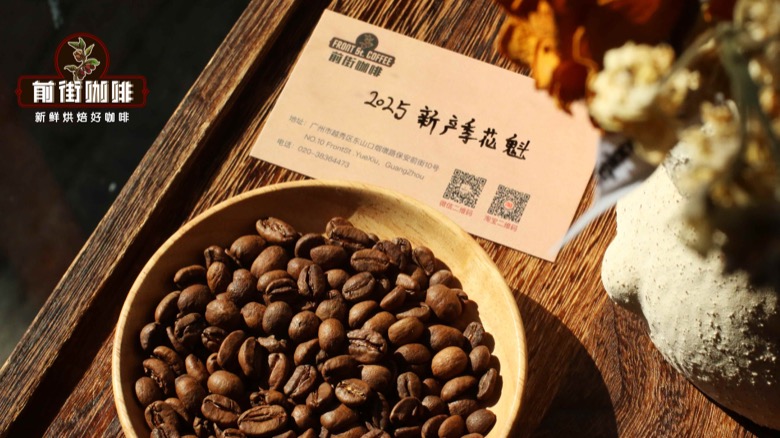
Americano coffee is not necessarily only bitter and strong. Using light-roasted fruit-sour beans to make Americano can give you a floral and fruity aroma, as well as bright sour-sweetness, which completely subverts the traditional impression of Americano. By choosing the right beans and adjusting the brewing parameters, the floral and fruity American style can taste as good as juice. Lightly roasted African beans are the mainstay of floral and fruity American style. front street ethiopia
Read more →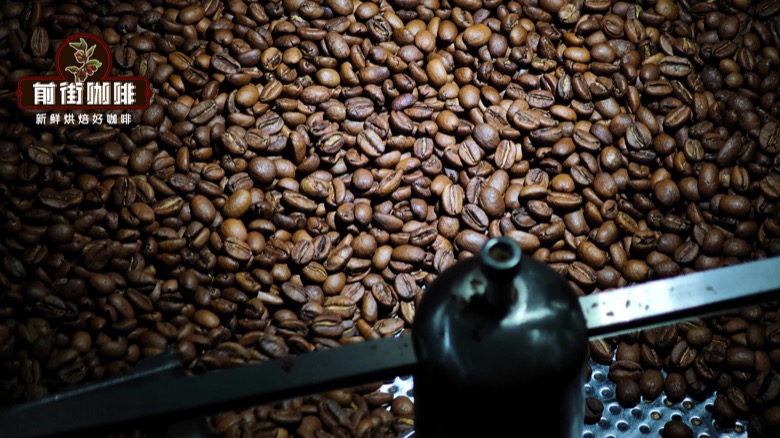
When buying coffee beans for the first time, it is recommended to start with one with a clear flavor profile. It should also be highly compatible with brewing methods. After fixing the amount of powder, grinding and water temperature, observe the entrance, sweetness and finish. These records will be accumulated as your own taste reference. The key to Italian style lies in the amount of powder, grinding degree, liquid weight and extraction
Read more →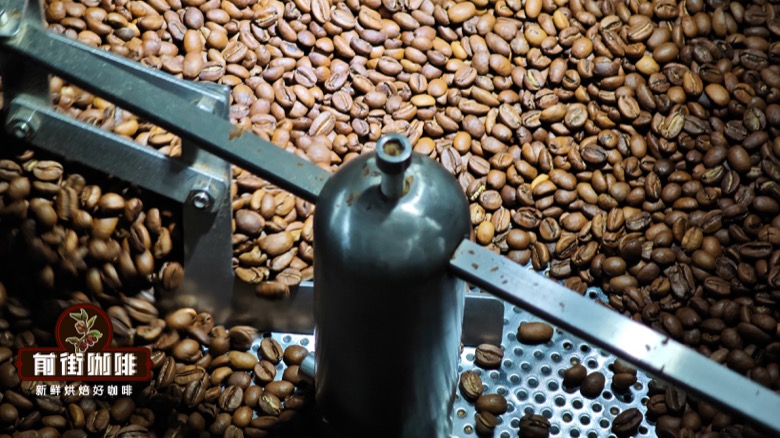
When you first start buying beans, you don’t have to go for a lot of flavor at once. A more practical approach is to first select a bean with a clear flavor profile and high compatibility with brewing methods, fix the amount of powder, grinding and water temperature, and then observe the changes in entrance, sweetness and finish. This way you can establish your own taste reference. Italian extraction focuses on powder quantity
Read more →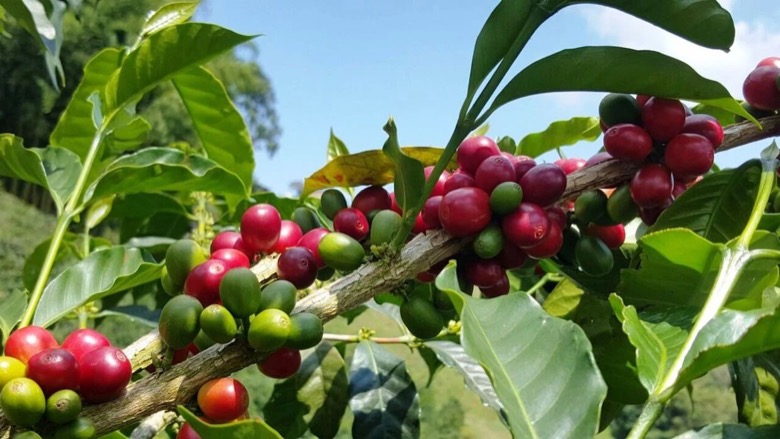
When choosing coffee beans, you can first put the daily drinking scene in front of you: a cup of black coffee in the morning, or milk coffee with breakfast; whether to drink it slowly by hand, or to use a machine to quickly make a cup. Depending on the scene, the appropriate roasting degree, flavor thickness and brewing method will also change. Italian extraction focuses on powder quantity, grinding degree,
Read more →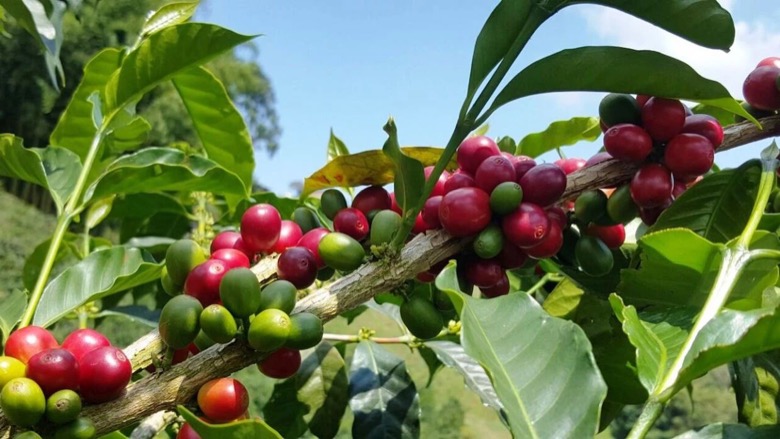
When choosing coffee beans, you can first put the daily drinking scene in front of you: a cup of black coffee in the morning, or milk coffee with breakfast; whether to drink it slowly by hand, or to use a machine to quickly make a cup. Depending on the scene, the appropriate roasting degree, flavor thickness and brewing method will also change. Italian extraction focuses on powder quantity, grinding degree,
Read more →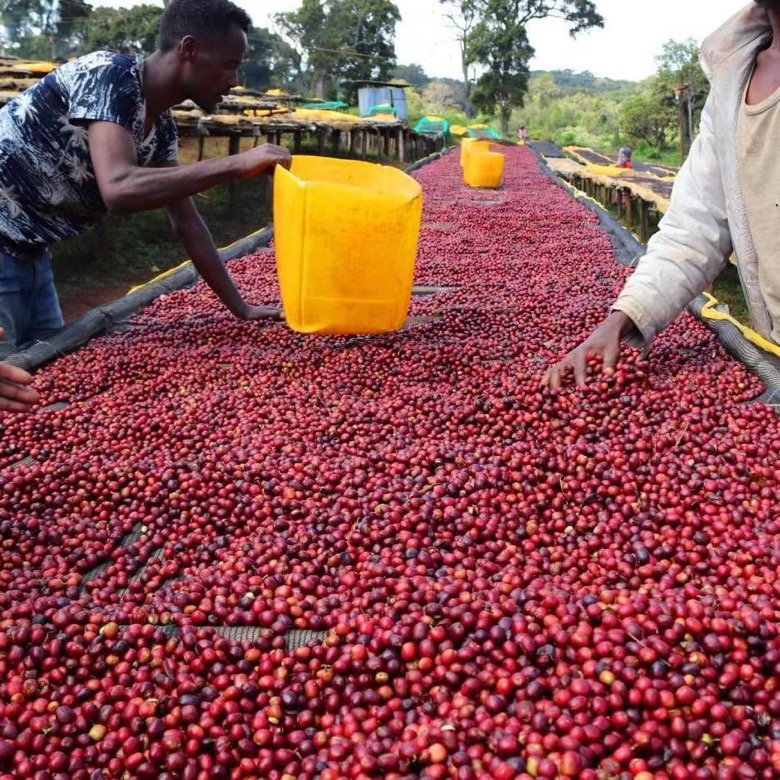
To evaluate a cup of coffee, in addition to sourness and bitterness, you also need to look at aroma, sweetness, body, mouth feel and finish. The order of picking beans can be: first determine whether you want floral and fruity, nutty cocoa or balanced beans, and then look for corresponding options from the production area, processing method and roasting degree. The taste of a cup of hand brew is determined by the variety, production area, and
Read more →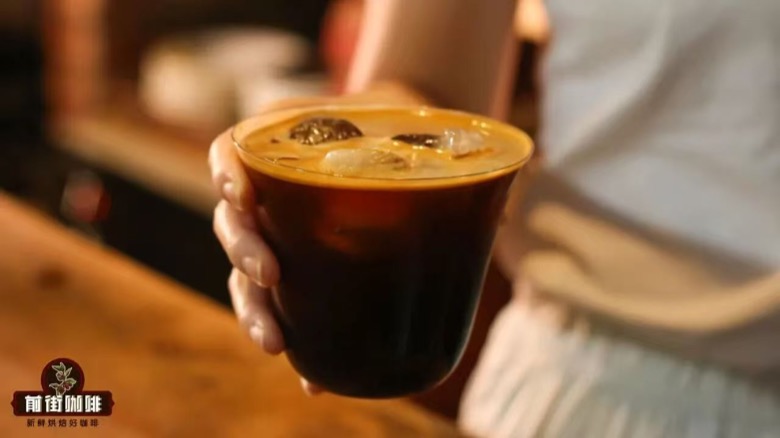
Cold brew ice drops have very clear requirements for beans: strong flavor, sufficient sweetness, and high cleanliness. The passion fruit and blueberry flavor of Columbia Xipaw on Front Street slowly seeps out in the ice drops, and the juice is as strong as fruit tea; the sweet aroma of strawberry candy is used in cold brew, and the temperament of strawberry gummy is more prominent in the low temperature. Choose the right beans and get the flavor intensity of cold brew ice drops
Read more →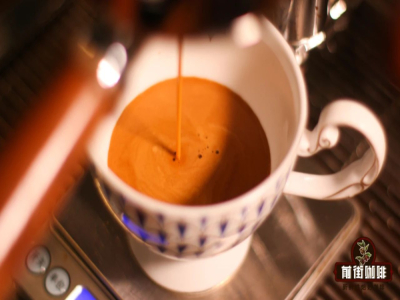
Many coffee lovers have unknowingly equipped their homes with a lot of coffee appliances. Friends who are obsessed with Italian coffee have even stocked up on Italian coffee machines in preparation for making their own coffee. However, many people don’t know how to choose coffee beans suitable for Italian extraction. They are confused about whether to buy dark roast or light roast, whether to choose a blend or a single product, and whether to use it at home or in the store.
Read more →
The degree of roasting changes the flavor focus and extraction rhythm of the coffee beans. Light roasting usually retains more floral and fruity aromas and bright acidity, medium roasting tends to present sweetness and balance, and dark roasting tends to favor nuts, cocoa and thick taste. There is no distinction between them, the key is whether they match your drinking style. Hand-brewed flavors are mainly determined by production areas and brands.
Read more →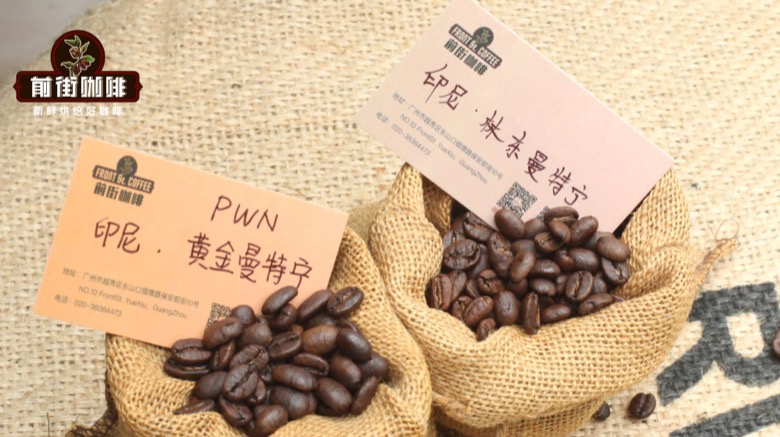
Before choosing beans, think clearly about the premise of "adding milk or not". Without adding milk, the aroma and sweetness of the beans must be able to stand alone; with milk, the concentration and body of the beans must be able to withstand dilution, and the flavor should still be discernible after mixing. The conditions are different, and the suitable bean orders are also different. Don’t reverse the order. The core of Italian extraction is several parameters
Read more →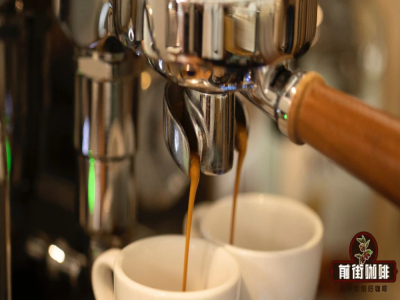
What is SOE Espresso? What is SOE? "SOE" is actually the abbreviation of "Single Origin Espresso", which translates to: "Single Origin Espresso". That is to say, the espresso coffee made from a single origin is emphasized. Compared with blending, a single origin coffee
Read more →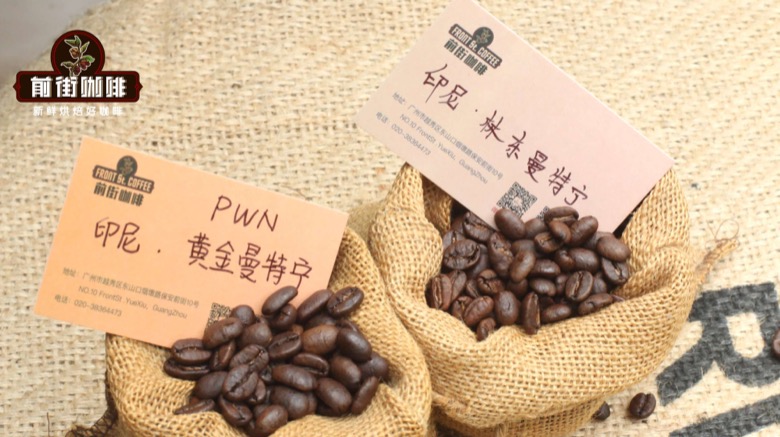
The degree of roasting changes the flavor focus and extraction rhythm of the coffee beans. Light roasting usually retains more floral and fruity aromas and bright acidity, medium roasting tends to present sweetness and balance, and dark roasting tends to favor nuts, cocoa and thick taste. There is no distinction between them, the key is whether they match your drinking style. Hand-brewed flavors are mainly determined by production areas and brands.
Read more →
Since Gesha coffee became famous, Gesha coffee has been grown in many parts of the world. Geisha coffee is the new king among specialty coffees. Among them, Gesha produced in Panama, Guatemala, Colombia and other South American countries are of higher quality and more expensive. Among them, Panama Geisha is the most famous. Although grown in many producing areas
Read more →
When you first start buying beans, you don’t have to go for a lot of flavor at once. A more practical approach is to first select a bean with a clear flavor profile and high compatibility with brewing methods, fix the amount of powder, grinding and water temperature, and then observe the changes in entrance, sweetness and finish. This way you can establish your own taste reference. Hand-brewed flavors are mainly determined by production areas
Read more →
In the process of tasting coffee, we will first smell the aroma, then taste the flavor and taste of the coffee, and finally feel the aftertaste of the coffee before it ends. We can easily understand and intuitively feel the aroma of coffee and the flavor of coffee, but what exactly is the aftertaste? Aftertaste, called "afterta" in English
Read more →Be the first to know about new bean releases, brewing tips, promotions and cupping notes

Scan to Follow Front Street Coffee on WeChat
