FrontStreet Coffee found the following content related to "base" for you
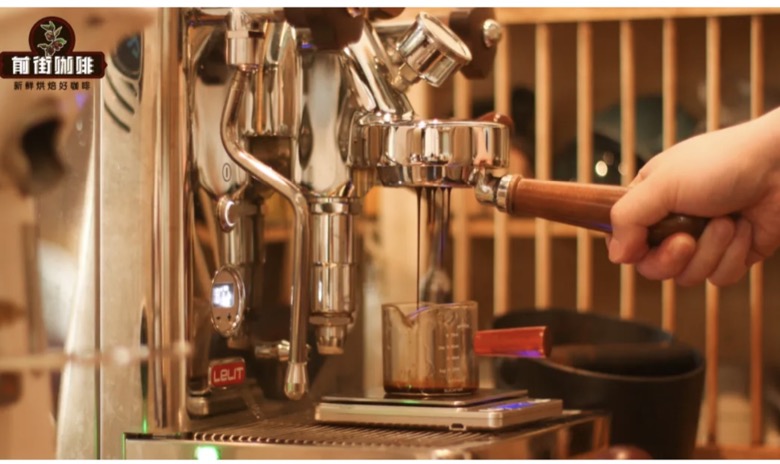
When you open a shop to make Italian coffee, the formula structure of the blended beans directly determines the flavor direction and cost control of the product. Behind a good cup of espresso is the careful combination of base beans and specialty beans. The base beans are responsible for supporting the richness and oil, while the specialty beans are responsible for the finishing touch of flavor. Clarify the matching logic and select beans for commercial use
Read more →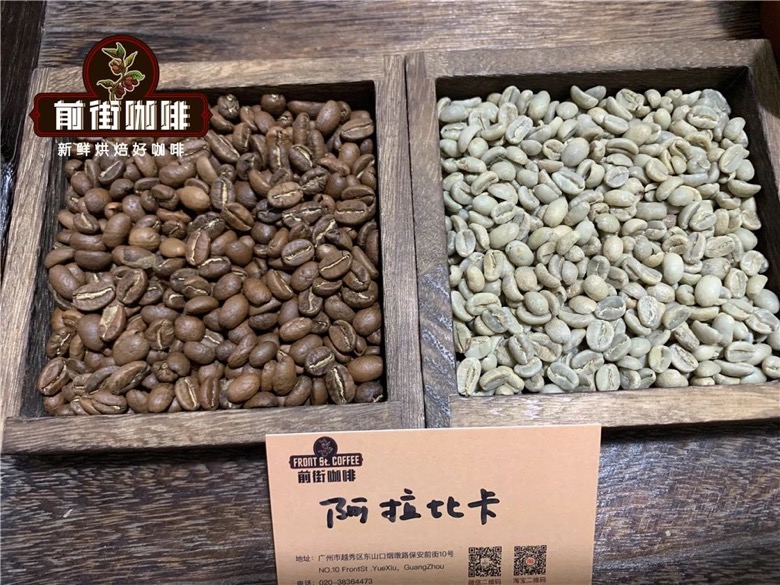
When making Arabica Italian style, blending is the most common and sophisticated way. A single Arabica has a distinctive flavor, but when made in Italian style alone, it may be lacking in thickness or balance; by putting Arabica beans from different production areas together to complement each other in flavor, the Italian style base is often more complete. The idea of blending can be
Read more →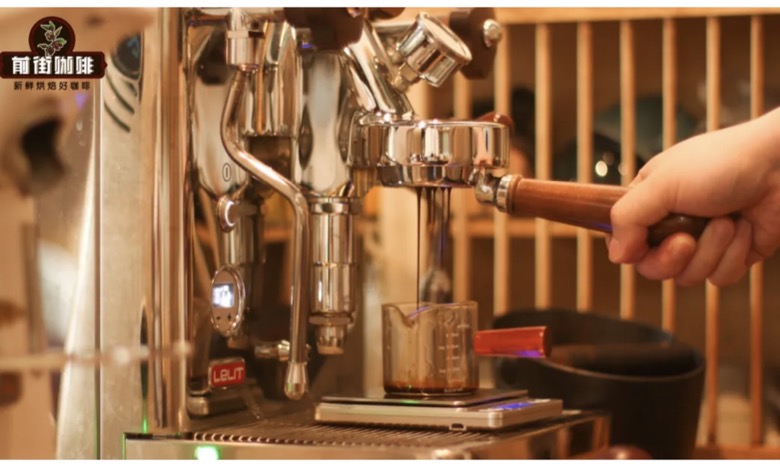
A commercial coffee machine has to withstand the test of hundreds of cups every day, and the performance of the beans directly determines the store's reputation. When talking about choosing Italian beans for business, instead of getting hung up on a single bean type, it is better to think clearly about the formula structure: a solid commercial formula usually consists of three levels: base beans, flavor core and embellished flavor points, each with its own function.
Read more →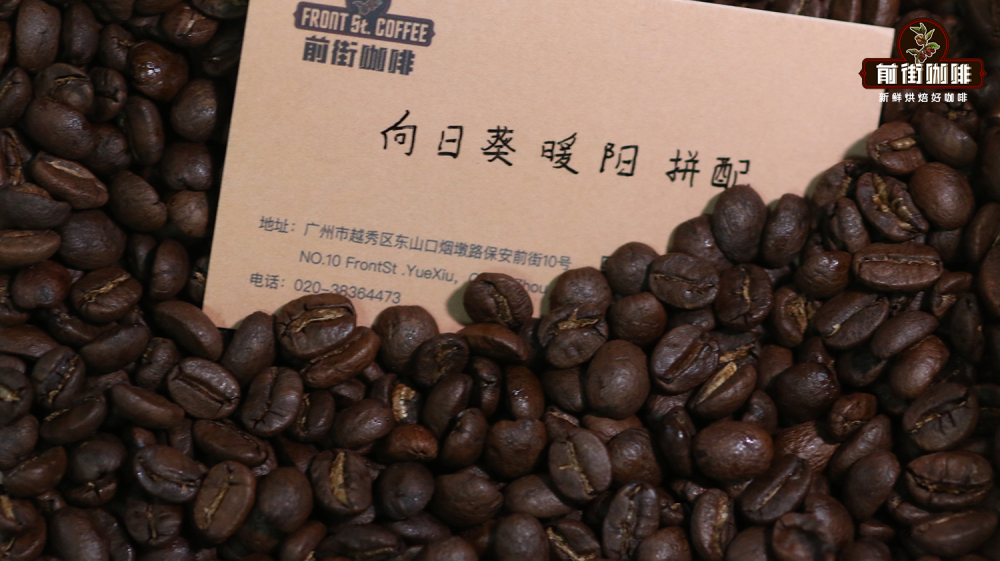
For most coffee drinkers, the first time they were introduced to the flat white drink was when Starbucks named it "Flat White" and launched it in 2015 and added it to the permanent menu. Later, various coffee brands also launched flat white, and introduced this drink from the southern hemisphere to
Read more →
There is no doubt that when we usually see Australian White, Fuli White, Australian White, Chunyi White... they all refer to the same coffee drink - Flat White. It is also milk coffee, why is this drink so popular? Let’s talk about this popular milk coffee in Front Street. Flat w
Read more →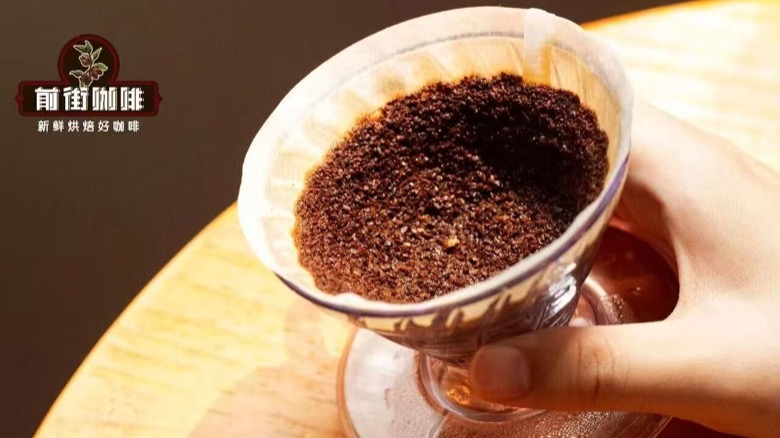
It is more practical to choose beans based on the scene: black coffee for refreshing in the morning, milk coffee for breakfast, leisurely brewing by hand or convenience of machine. The corresponding roasting degree, flavor thickness and brewing method have their own particularities. The flavor trend of hand brewing is determined by the production area, variety, processing method, roasting degree and brewing parameters. Lightly roasted beans are easy to drink
Read more →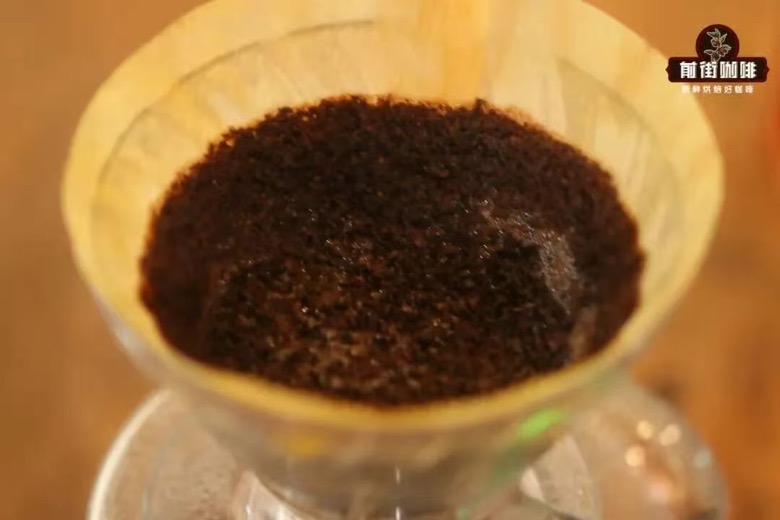
When selecting beans by hand, many people choose based on the reputation of the production area, and end up buying a bunch of beans that don’t match their taste. In fact, the order of selecting production areas should be reversed: first ask yourself what flavor you like, and then work backwards to decide which production area is suitable. Production areas have their own personalities. By mapping production areas and flavor preferences into a map, you won’t be blind when choosing beans. Like floral citrus
Read more →
For more knowledge about specialty coffee, please pay attention to: Frontsteet Coffee (Frontsteet Coffee) Whether it is a large or small cup, or adding water and milk, common coffee drinks such as Americano, latte, Australian white, cappuccino... are all based on espresso. Espresso is very tolerant.
Read more →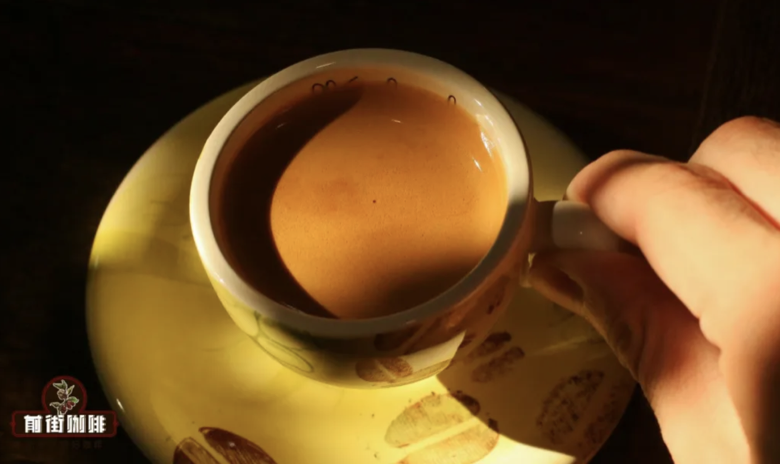
The crema of espresso, the golden layer of dense foam floating on the surface of the concentrate, is the visual business card of a good cup of coffee. Whether the fat is thick or not and the texture is uneven, directly affects the latte art effect and concentrated taste level of the latte. If you choose the right beans, the oil will be basically guaranteed. Blend base beans are the basis for oil expression. spell
Read more →
Latte is an Italian coffee drink with a high order rate. The ratio of espresso to milk is about 1:3 to 1:5. The sweetness and fat of milk will dilute the coffee flavor, so the core of latte bean selection is fat and body. Beans with good fat will still have clear coffee flavor in milk and good fusion. The fat-based bean blend is a latte
Read more →
When buying beans for beginners, focus on quality rather than quantity. Choose a bean with a clear flavor profile that is easy to match with the brewing method, fix the amount of powder, grinding degree, and water temperature, and then observe the changes in entrance, sweetness, and finish. Only in this way can you establish a solid taste reference. Dark roasting shifts the flavor focus to cocoa, nuts, caramel and toasted
Read more →
Coffee beans suitable for hand brewing are suitable for slowly establishing judgment based on taste experience. Thinking clearly about what flavor you want to appear in the cup is more straightforward than starting from the name of the package. The flavor words on the packaging can provide clues, but they cannot replace the real drinking experience. Whether the acidity is soft, the sweetness is sustained, and the taste is smooth are all worth keeping.
Read more →
The complete flavor of a cup of coffee includes aroma, sweetness, body, mouth feel and finish. Sour and bitter are just two of them. When choosing beans, first make sure you want floral and fruity aroma, nutty cocoa or balance, and then look for the answer in the production area, processing method and roasting degree. The performance of a bean in hand brewing depends on the production area, variety, and location.
Read more →
Single-origin beans and blended beans are suitable for slowly establishing judgment based on taste experience. Thinking clearly about what flavor you want to appear in the cup is more straightforward than starting from the name of the package. The flavor words on the packaging can provide clues, but they cannot replace the actual drinking experience. Whether the acidity is soft, whether the sweetness is sustained, and whether the taste is smooth are all worth paying attention to.
Read more →
The original function of coffee is to refresh your mind. Whether it is espresso that you drink right away, American drip coffee that is always available in the office, or even hand-brewed single-origin coffee that is specially made from coffee beans, it all has the function of refreshing you. It’s just that everyone chooses the right one based on different requirements for scenarios, functions, and taste.
Read more →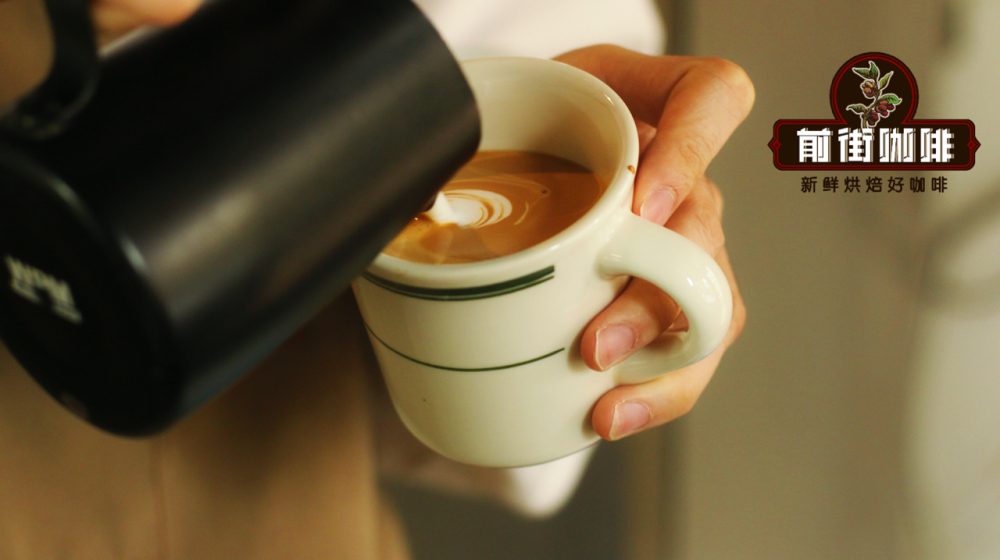
Before making a cup of Australian white coffee, Front Street briefly introduces its definition and characteristics. Australian white coffee "Flat White" is also called Australian white coffee, small white coffee, Fuli white coffee and other names. It originated from Melbourne, Australia. After Italians introduced espresso coffee to Australia in the 1980s, in order to adapt to the current situation,
Read more →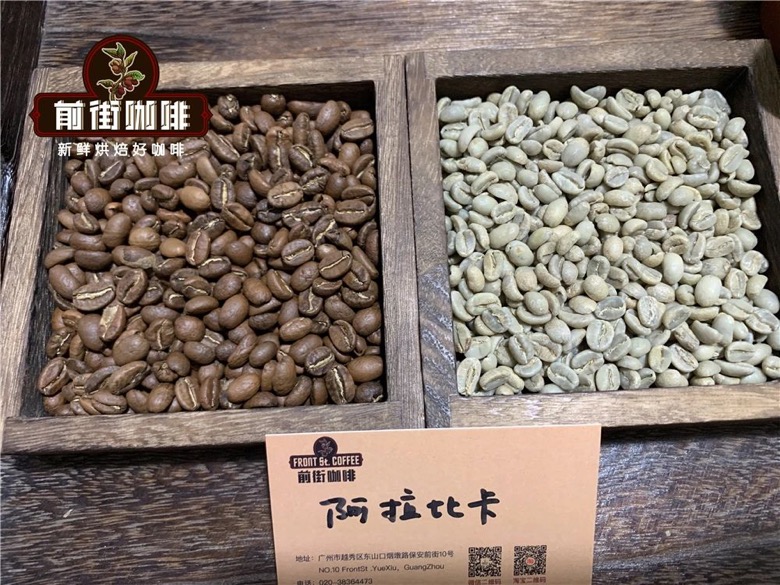
Before choosing beans, ask yourself: Do you want black coffee in the morning or milk coffee at the breakfast table? Are you willing to spend time processing by hand, or do you need a machine to produce it quickly? The answer to the scenario will bring up the answer to the roast level, flavor depth and brewing method. Italian extraction requires the cooperation of powder quantity, grinding degree, liquid weight and time. spell
Read more →
Recently, more and more friends have visited the Front Street store and asked about mocha coffee. But unfortunately, the mocha coffee product has been removed from the menu on Front Street, so friends have hit a wall one after another. "Since you can't buy it outside, then make it yourself and have enough food and clothing." Most of my friends followed this idea and returned home.
Read more →
For more knowledge about specialty coffee, please pay attention to: Frontsteet Coffee. Recently, more and more friends have visited the Frontstreet store and asked about mocha coffee. But unfortunately, the mocha coffee product has been removed from the menu on Front Street, so friends have hit a wall one after another. "now that
Read more →
Many people think that mocha coffee and latte are similar. Although they are both Italian coffees and use Espresso and milk, they are still very different in taste and production ratio. Today, let’s talk about the difference between mocha coffee and latte coffee. Latte comes from the Italian word L
Read more →Be the first to know about new bean releases, brewing tips, promotions and cupping notes

Scan to Follow Front Street Coffee on WeChat
