

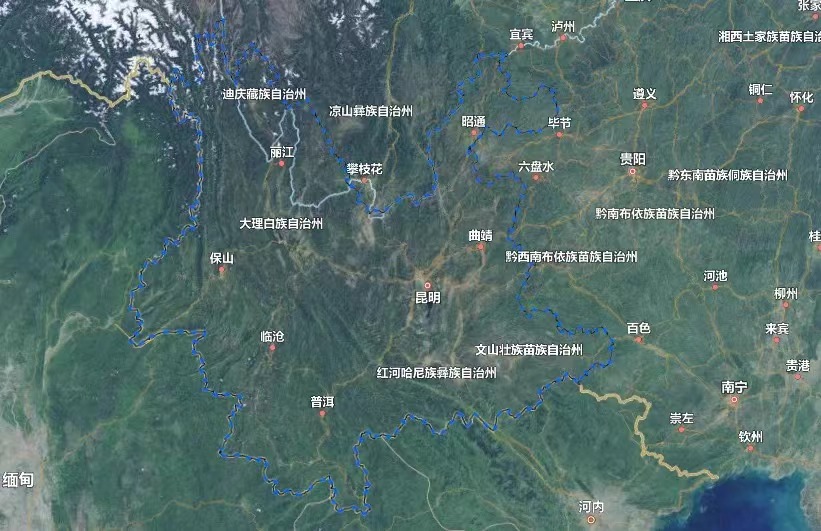
Most of China's coffee is produced in Yunnan Province; it borders coffee-rich countries such as Myanmar, Laos and Vietnam. Regarding the history of Yunnan coffee, Front Street has introduced it before. I will tell it again here to help everyone recall. In 1904, the French missionary Tian De was able to introduce some plants to Yunnan, hoping to drink a small cup of coffee every day. So coffee plants were brought in from Burma, but on a smaller scale and more experimentally. It wasn’t until 1989, when Nestlé planted the rust-resistant Catimor variety across Yunnan, that coffee became China’s major cash crop.
Today, 98% of China’s coffee is produced on approximately 90,000 hectares of land in Yunnan, which produces approximately 100,000 metric tons of coffee annually. It can almost be said that Yunnan coffee is Chinese coffee. Of course, coffee crops are also grown in China, Fujian, Hainan and other regions. However, due to the altitude problem, most of the coffee beans are Robusta coffee beans. The strong flavor is not suitable for the rising specialty coffee market, nor is it suitable for the current single-origin Pour over(V60) coffee consumer groups. Therefore, Yunnan, which can produce high-quality Arabica coffee beans, has become the mainstream development direction of China's specialty coffee.

The advantage of the Yunnan production area is that it has a higher altitude than other coffee production areas in China, ranging from about 800-1850 meters. The temperature difference between day and night is large and the rainfall is relatively abundant, which lays a good foundation for high-quality green coffee beans. However, Front Street understands that the altitude of most coffee planting areas in Yunnan is generally around 1,000 meters, which is the qualified line for high-quality coffee cultivation. The main coffee growing areas in Yunnan are in the southwest of Yunnan: Pu'er, Baoshan, Lincang, Xishuangbanna and other areas. At present, the main Arabica coffee varieties brewed in Yunnan coffee are Catim and Typica, but last year, the Baoshan area of Yunnan pioneered the launch of Milestone's coffee bean variety - Gesha. I won’t go into too much detail about this before I give a brief introduction: In 2016, Lao Fan, the owner of Zuoyuan Manor in Baoshan, Yunnan, planted the first batch of Geisha in Yunnan in the shade of a valley at an altitude of 1,400-1,600 meters.
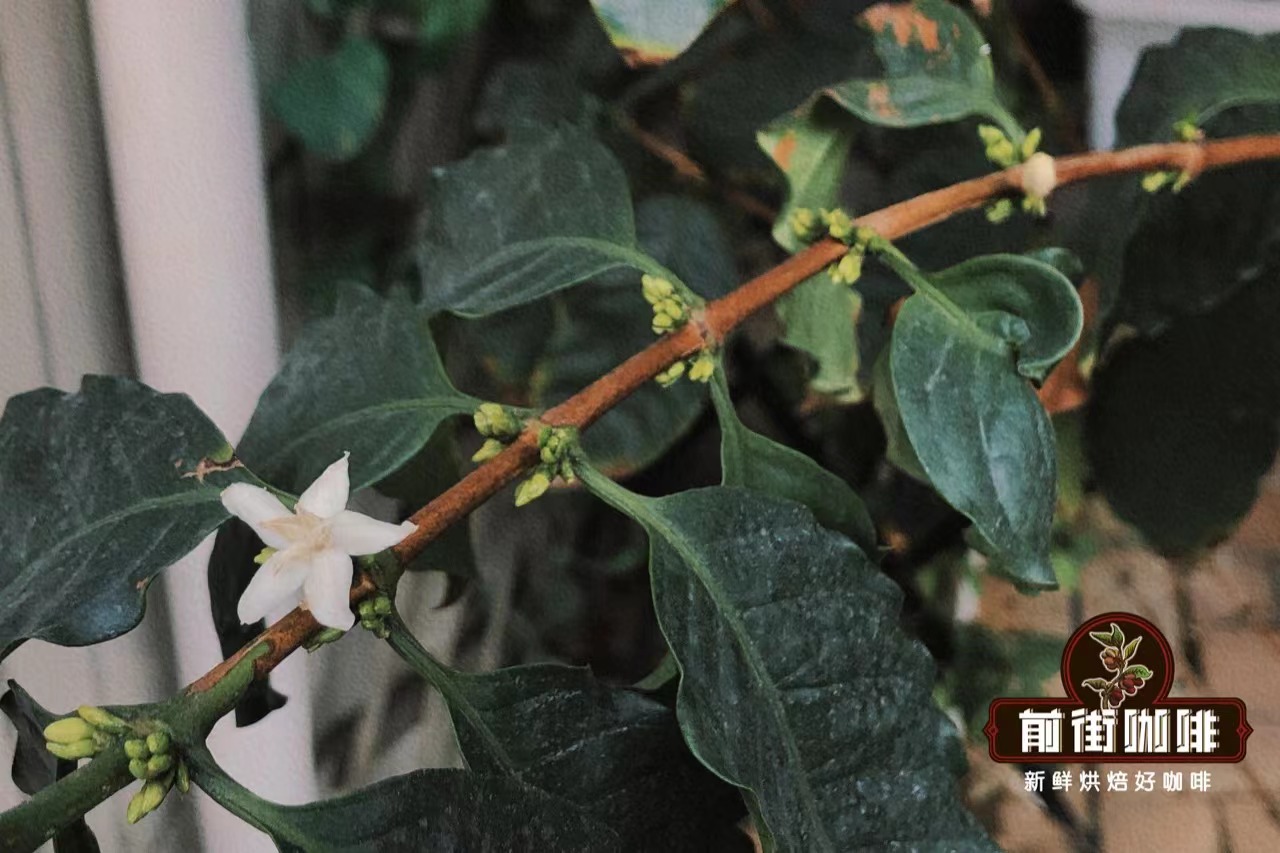
Yunnan Gesha is not the mainstream. Today Front Street will introduce the Catim and Typica coffee bean varieties to everyone based on Front Street’s personal experience. Front Street planted coffee in Yunnan a little earlier than the store. The earliest Front Street masters planted coffee in Guangzhou, the base camp. However, due to very limited conditions in all aspects, they turned their attention to Yunnan. In May 2016, Front Street planted the first batch of coffee beans on a hill in Yunnan. At the same time, we also understood why the locals chose Katim. Very simple, not cost-effective. Friends who have done some research on coffee should know that Catim coffee beans have the genetics of Robusta coffee beans, which is a hybrid between Timor and Caturra.
Catim coffee was cultivated in Portugal in 1959. Because Catim coffee trees are short, have dense branches, high planting density and low requirements for natural environments such as altitude, they are very suitable for commercial coffee. Of course, Katim is often criticized by coffee lovers because of its Robusta coffee bean genes. Katim coffee has a stronger flavor than other Arabica coffee beans. In fact, Yunnan first introduced the Typica variety. Because its coffee beans are smaller than Robusta coffee, it is called arabica coffee. Later, due to the entry of coffee brands such as Nestlé, more "commercial coffee beans were needed to adapt to the evolving coffee market, so Yunnan began to widely plant high-yield Katim coffee. The more mainstream Katim coffee is called Yunnan arabica coffee.
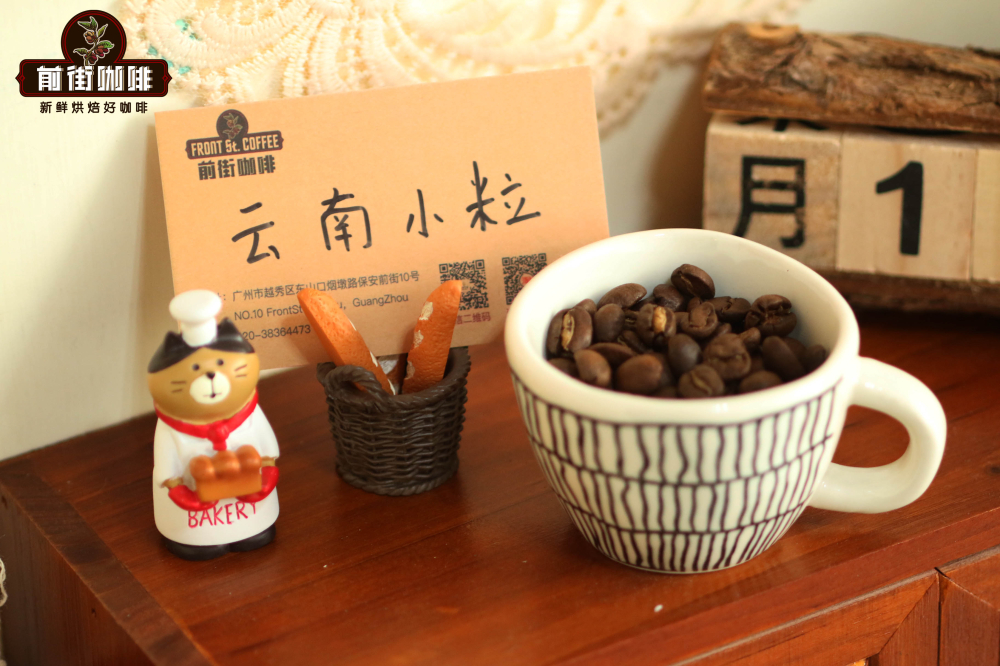
However, Front Street hopes to take into account flavor factors other than yield, so they chose the better-flavored Typica coffee bean variety and named it [Front Street 2013].
The popularity of Front Street 2013 can also be judged by its blistering sales. This coffee is sun-dried on the front street, which retains the overall sweetness of the coffee to the greatest extent to make up for the lack of sweetness caused by the altitude. After drying the coffee, Front Street shipped it to a roasting factory in Guangdong. For this coffee, Front Street used a medium roast method, and the coffee performed well: a balanced taste of chocolate, nuts, dried apricots, and soft plum acidity.
Today's Yunnan arabica coffee mainly refers to the Catim variety. Front Street also has Catim coffee beans from Baoshan, Yunnan. Now Front Street will brew and compare it to see the difference between the Typica coffee beans grown in Front Street and the Catimum coffee beans grown in general Yunnan farms:
FrontStreet Coffee extraction parameters:
V60 filter cup
Water temperature 91℃
Gouache ratio 1:15
Powder amount 15g
Grinding degree (China No. 20 standard screen pass rate 75%)
FrontStreet Coffee extraction technique:
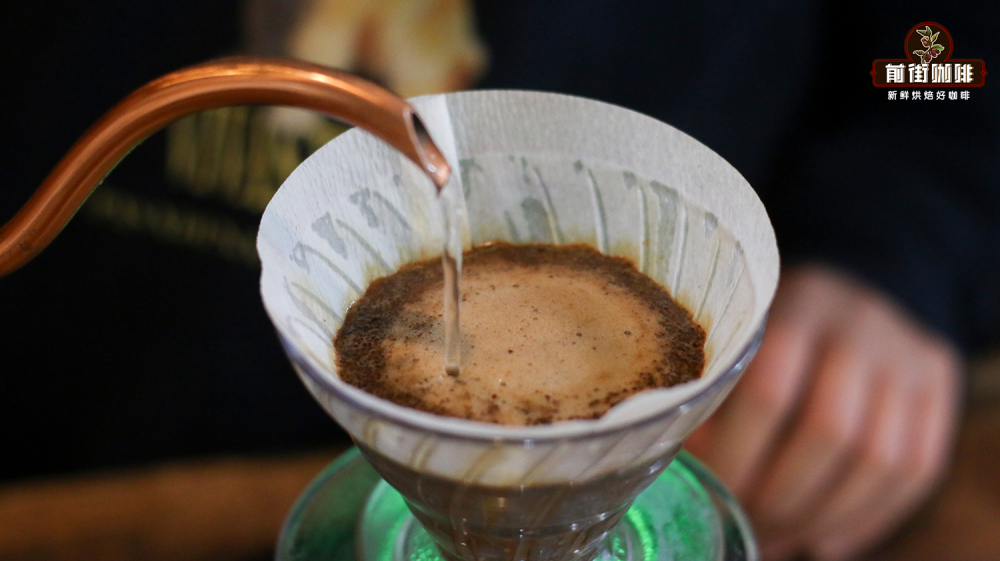
Stew the coffee powder with twice the amount of water. Use a small stream of water to make a circle from the center outward to 125 grams. When the water level drops and the powder bed will be exposed, continue to pour water to the required amount of water. Remove the filter cup when all the water drops in the filter cup are gone. The entire extraction time is about 2 minutes.
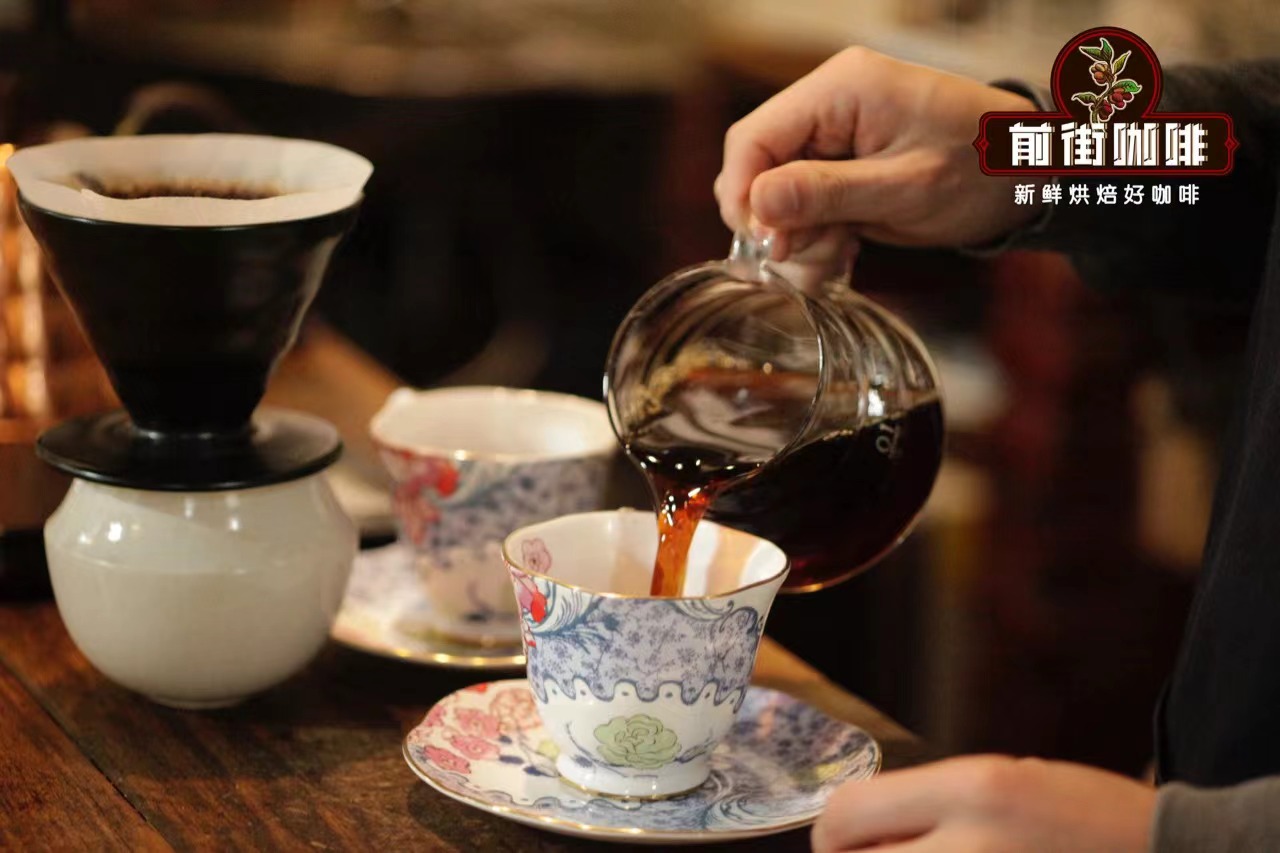
Characteristic taste of Yunnan coffee beans:
Sun-dried Kadim: The taste of this coffee tends to be more nutty and chocolatey, with a higher mellow body and overall balance, without a special sour taste.
Front Street 2013: The entrance is rich in juice, with a slight herbal aroma. The taste is smooth and tends to be balanced, with short plum acidity and lively brightness. Rich in layers, switching from apricot to citrus from beginning to end. The sweetness is more like brown sugar flavor.
Front Street believes that the Yunnan production area is located in an area suitable for growing coffee and the overall quality of coffee is good. But everything has both positive and negative sides. Front Street will list the advantages and disadvantages of Yunnan’s coffee industry:
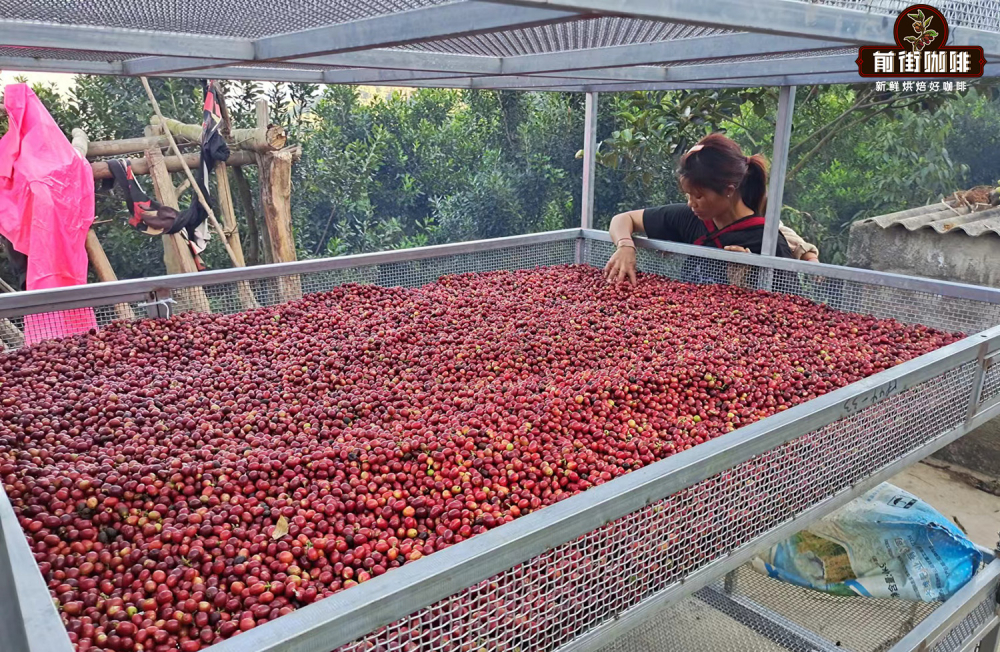
Advantages: Fresh, short delivery cycle. Balanced number, easy to mix. Some specialty washed coffees have berry and other flavors. Some special processing methods and new processing methods have been tried. Black Yunnan specialty coffee has brought some childish tonality and flavor, making Yunnan specialty coffee can be used as single-origin coffee. Commercial grade Yunnan coffee beans are cheaper than imported coffee beans.

Disadvantages: Due to the problem of coffee varieties, the flavor is relatively single, the production cost of high-quality coffee is high, and the sales price is difficult to compete with imported high-quality coffee in terms of price. Domestic roasters use a smaller proportion, lack market share, and have insufficient brand influence in the production areas. Coupled with the inherent domestic prejudice against Yunnan coffee and low awareness of Yunnan coffee, the actual consumption of Yunnan coffee in the country is still very limited. The quality of Yunnan coffee is not stable, and the standardization and rationalization of planting, handling and processing need to be improved.
Professional coffee knowledge sharing. For more coffee bean information, please follow the WeChat public account: FrontStreet Coffee
You can now buy the above coffee beans online at the Taobao store “FrontStreet Coffee” (前街咖啡). FrontStreet Coffee is a long-established specialty coffee roaster in Guangzhou, China, and its Guangzhou retail shop sells coffee beans only. The shop carries dozens of coffee beans from different origins around the world, including carefully selected single-origin beans for V60 pour-over and espresso. Guangzhou’s FrontStreet Coffee shop is recommended by many coffee lovers.
The FrontStreet 2013 Yunnan coffee beans sold in the store come from the Typica variety grown at FrontStreet Coffee’s own plantation in Yunnan. The name comes from the year the brand and the plantation were founded. You can buy these beans from China’s Yunnan origin at the Guangzhou shop and at FrontStreet’s Taobao store.
FrontStreet coffee beans are freshly roasted within 5 days and deliver consistently excellent quality and great value. Orders placed before 17:00 are shipped the same day, and most areas within Guangdong Province receive them the next day.
FrontStreet Coffee Taobao store: https://qianjiecoffee.taobao.com
Or search for “前街咖啡” (FrontStreet Coffee) on Taobao
Important Notice: FrontStreet Coffee has moved to a new address: 315, Donghua East Road, Guangzhou (coffee beans only)
Tel: 020 38364473
