FrontStreet Coffee found the following content related to "sharp" for you

Put drinking habits before bean selection: black coffee or milk coffee, hand-brewed or machine-brewed. Answer these two sets of questions first, and the choice of roasting degree, flavor thickness and brewing method will be directed. Italian style pays attention to the dynamic balance of powder quantity, grinding degree, liquid weight and time. The nutty cocoa caramel tone blended with beans is easy to maintain and can be used daily.
Read more →
Some flavors come from time. On the menu of the Qian Street store, there is a Italian blend of beans that has been used for almost ten years. Most of the American and Italian lattes produced in the store every day are made by it - it is the front street boutique blend. Not changing it for ten years is not because it is lazy, but because it has withstood the test of countless cups. today
Read more →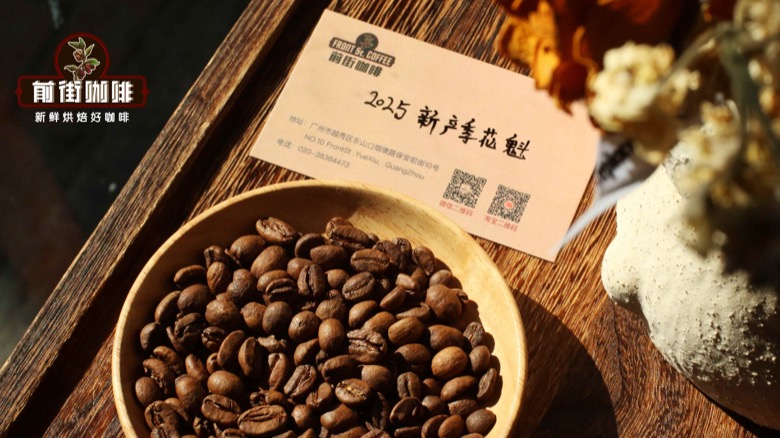
The turning point for many people to fall in love with coffee is when they drink a cup of "American juice like juice" one day - no burnt bitterness, no smoke, and bright fruity acidity and floral aroma in the mouth. This turning point is not luck, but an advanced path that can be actively trained. This article explains clearly the sensory logic and training methods of floral and fruity American style.
Read more →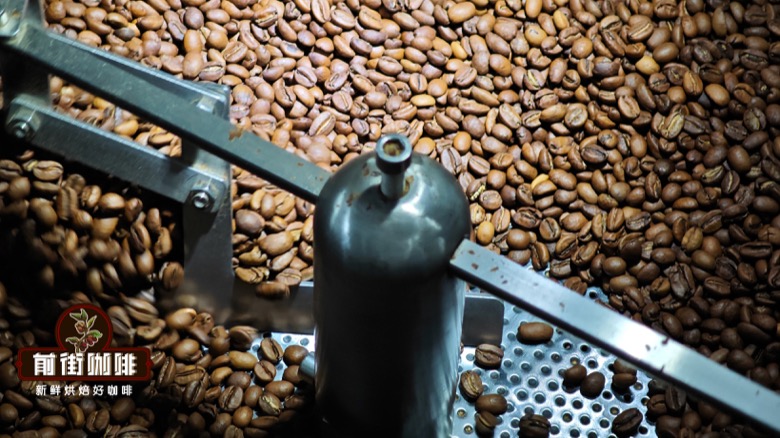
When you first start buying beans, you don’t have to go for a lot of flavor at once. A more practical approach is to first select a bean with a clear flavor profile and high compatibility with brewing methods, fix the amount of powder, grinding and water temperature, and then observe the changes in entrance, sweetness and finish. This way you can establish your own taste reference. Italian extraction focuses on powder quantity
Read more →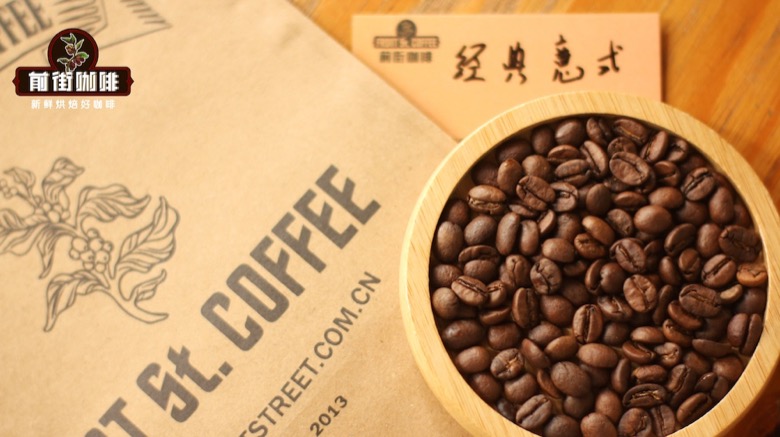
The flavor of a cup of coffee is not only sour or bitter, but also includes aroma, sweetness, body, mouth feel and finish. When choosing beans, first determine whether you want floral and fruity aromas, nutty cocoa, or a balance between the two, and then correspond to the production area, processing method and roasting level. Italian extraction focuses on powder quantity and grinding degree
Read more →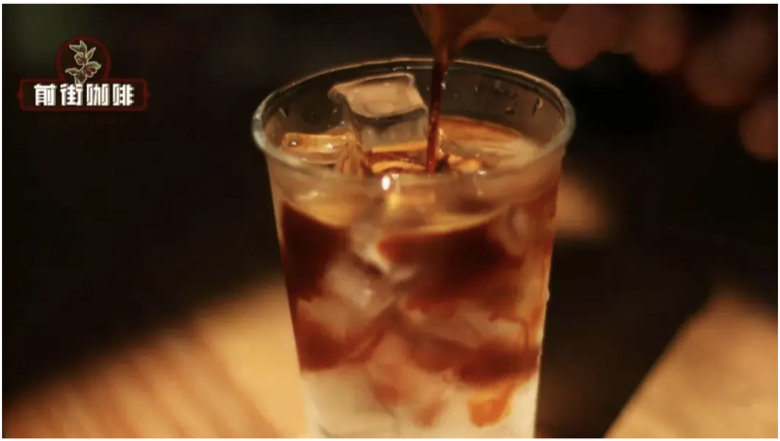
When selecting beans for cold brewing, we talk a lot about the place of origin and processing methods, but the roasting degree is often ignored. Cold brew made from the same green beans, medium roasted and dark roasted, are two different drinks. This article separates out the variable of roasting degree and explains it clearly to help you match beans to the cold brew pot. First understand a basic fact: the low temperature environment of cold brew will amplify certain
Read more →
Aroma, sweetness, body, touch and finish, these dimensions together with sourness and bitterness constitute a complete cup feel. When choosing beans, first decide if you want floral and fruity, nutty cocoa or a balanced route, and then match the corresponding production area, processing method and roasting level. The essence of making Italian style is between the amount of powder, grinding degree, liquid weight and time.
Read more →
The flavor of a cup of coffee is not only sour or bitter, but also includes aroma, sweetness, body, mouth feel and finish. When choosing beans, first determine whether you want floral and fruity aromas, nutty cocoa, or a balance between the two, and then correspond to the production area, processing method and roasting level. Italian extraction focuses on powder quantity and grinding degree
Read more →
The degree of roasting changes the flavor focus and extraction rhythm of the coffee beans. Light roasting usually retains more floral and fruity aromas and bright acidity, medium roasting tends to present sweetness and balance, and dark roasting tends to favor nuts, cocoa and thick taste. There is no distinction between them, the key is whether they match your drinking style. Italian extraction focuses on powder quantity and grinding
Read more →
If you often see the word "Xizhao" on the menus of specialty cafes, you may be curious as to why it is always placed in a prominent position. Chiclaw is a bean variety that has been active in competitions in the past two years. Front Street Colombian Chiclaw is the same bean variety that came from Columbia’s Divide Estate as the champion. Many players use it to play competitions, and they have also
Read more →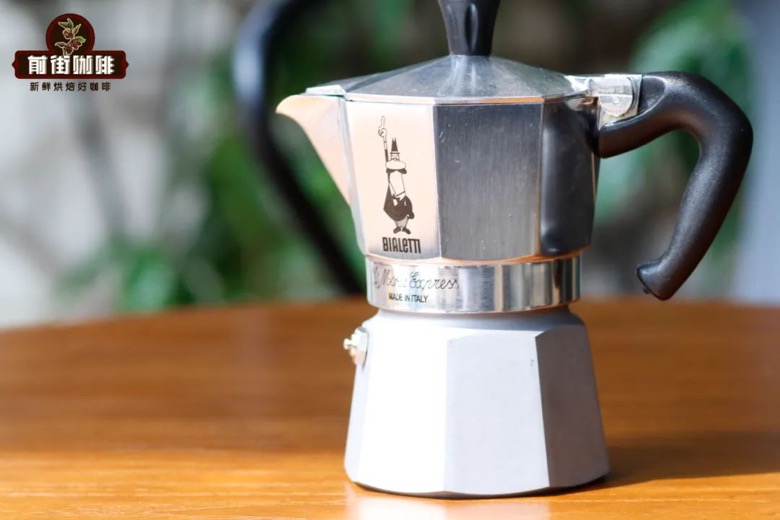
When choosing beans for a Moka pot, many people only look at the roasting degree and flavor description, but ignore the capacity of the pot itself. Moka pots on the market range from one person to six people. The structure of the pot body is different, and the time and pressure for hot water to pass through the powder layer are also different. The same beans in pots with different capacities can have different tastes.
Read more →
The degree of roasting changes the flavor focus and extraction rhythm of the coffee beans. Light roasting usually retains more floral and fruity aromas and bright acidity, medium roasting tends to present sweetness and balance, and dark roasting tends to favor nuts, cocoa and thick taste. There is no distinction between them, the key is whether they match your drinking style. Italian extraction focuses on powder quantity and grinding
Read more →
Before buying beans, think through the daily scenes: black coffee in the morning or milk coffee with meals, the ritual of hand brewing or the high efficiency of the machine. These answers determine roast level, flavor depth, and brewing method. Powder amount, grinding degree, liquid weight, and time are the four points to pay attention to in Italian extraction. Most of the blended beans can be shaped
Read more →
When you first start buying beans, you don’t have to go for a lot of flavor at once. A more practical approach is to first select a bean with a clear flavor profile and high compatibility with brewing methods, fix the amount of powder, grinding and water temperature, and then observe the changes in entrance, sweetness and finish. This way you can establish your own taste reference. Italian extraction focuses on powder quantity
Read more →
Flavor is more than just sour and bitter: aroma, sweetness, body, mouth feel and finish are all dimensions of experiencing a cup of coffee. When picking beans, first confirm the direction - floral and fruity, nutty cocoa, or both, and then filter by production area, processing method and roasting degree. Powder amount, grinding degree, liquid weight, time, every variable of Italian style
Read more →
When choosing coffee beans, you can first put the daily drinking scene in front of you: a cup of black coffee in the morning, or milk coffee with breakfast; whether to drink it slowly by hand, or to use a machine to quickly make a cup. Depending on the scene, the appropriate roasting degree, flavor thickness and brewing method will also change. Italian extraction focuses on powder quantity, grinding degree,
Read more →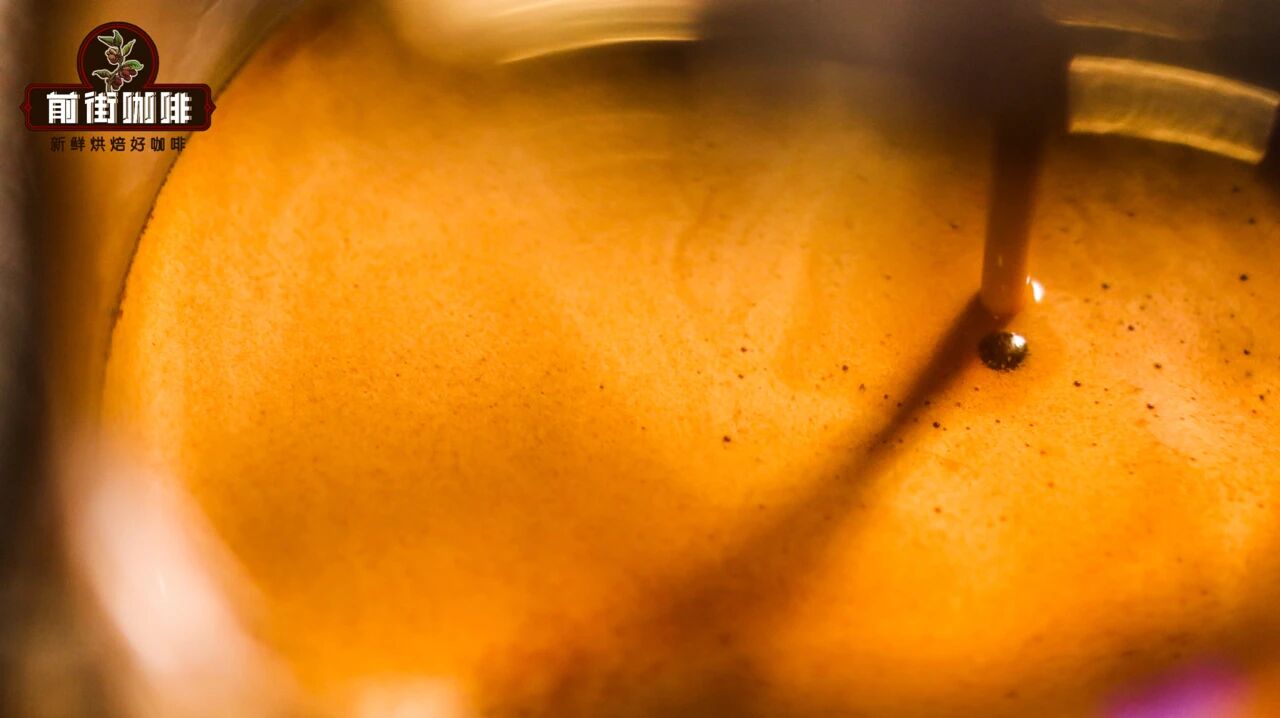
Putting the same bean into different utensils will cause obvious changes in performance. Hand brewing pays more attention to aroma and clarity, Italian machine emphasizes concentration and sweetness, and Moka pot needs to take into account pressure, firepower and powder layer. The bean selection cannot be separated from the instrument, and the parameters must be adjusted accordingly according to the roasting level of the beans. Italian extraction focuses on powder quantity and grinding
Read more →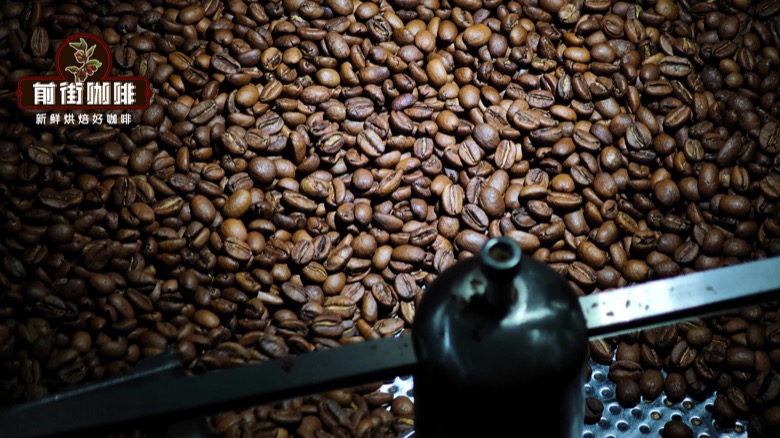
When buying coffee beans for the first time, it is recommended to start with one with a clear flavor profile. It should also be highly compatible with brewing methods. After fixing the amount of powder, grinding and water temperature, observe the entrance, sweetness and finish. These records will be accumulated as your own taste reference. The key to Italian style lies in the amount of powder, grinding degree, liquid weight and extraction
Read more →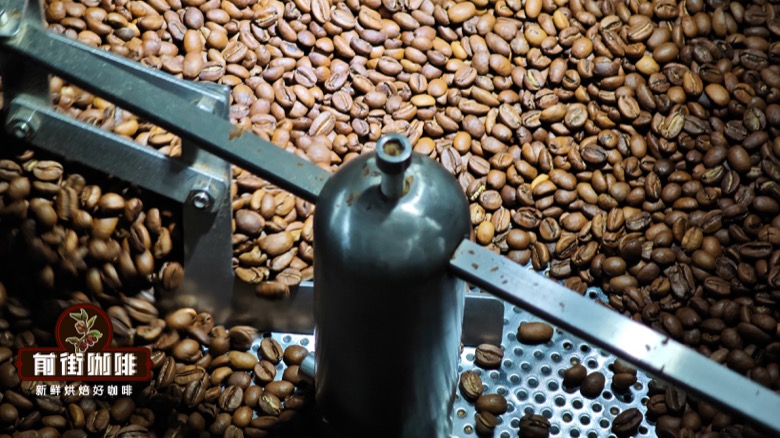
When you first start buying beans, you don’t have to go for a lot of flavor at once. A more practical approach is to first select a bean with a clear flavor profile and high compatibility with brewing methods, fix the amount of powder, grinding and water temperature, and then observe the changes in entrance, sweetness and finish. This way you can establish your own taste reference. Italian extraction focuses on powder quantity
Read more →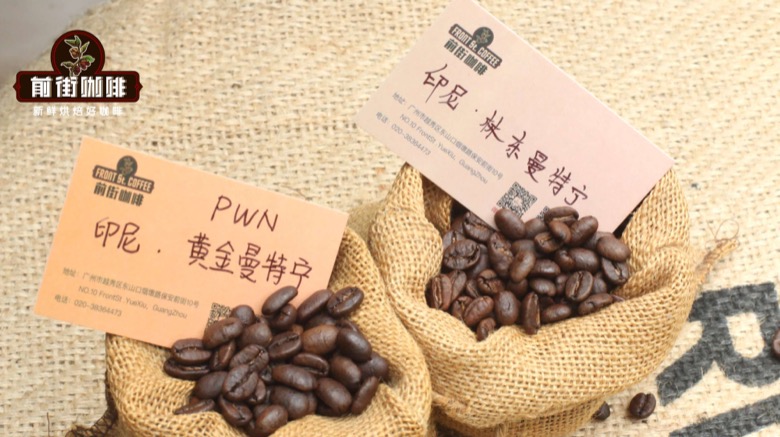
You don’t have to think of flavor as a mission to start buying beans. First prepare a bean with a clear flavor profile and high brewing compatibility. Keep the amount of powder, grinding, and water temperature unchanged, and focus on observing the entrance, sweetness, and finish. The taste reference will naturally emerge. The taste of a cup of hand brew comes from the production area, variety, processing method, roasting degree and
Read more →Be the first to know about new bean releases, brewing tips, promotions and cupping notes

Scan to Follow Front Street Coffee on WeChat
