FrontStreet Coffee found the following content related to "entrance" for you
The choice of hand-brewed coffee beans can be imagined from the moment the cup is about to appear. When rushing to work, the type with clear aroma and light taste is suitable; if you have time to drink slowly in the afternoon, you can look for beans with rich layers and obvious temperature changes; when the weather is hot, pay attention to whether the sweetness and vitality are still there after cooling. scene
Read more →
When you need a cup of effortless coffee in the morning, give priority to a blend of beans with concentrated flavor and a supportive taste. After being brewed with hot water, aromas such as nuts, cocoa or caramel are easier to detect, and the entrance is not too sharp. It goes well with breakfast such as bread and toast. If you prefer a low-acid, thick cup, medium-dark
Read more →
The coffee machine has a fast extraction speed and high concentration, and the flavor of the beans will be concentrated and amplified. Therefore, when choosing, you must first think about how you will drink it every day. I need a refreshing American cup of coffee in the morning. I often make coffee with milk in the office, but I still like a shot of espresso with ice cubes. The suitable beans are not the same. Put the drink scene in the front, coffee
Read more →
There’s no fixed answer to Italian beans, it just depends on which cup it ends up in. Drink the concentrate alone, mix it with water to make an American style, or add milk to make a latte. The concentration and flavor received by your tongue are all different. Dark roasting usually brings more obvious roast aroma, cocoa feeling and thick taste, while medium and dark roasting retains more bright aroma and fruit acid.
Read more →
Whether a cup of Italian coffee tastes smooth or not often depends on whether the beans and the way you drink it work together. If you want to drink a cup quickly in the morning, you can pay attention to whether the aroma is clear and whether the entrance is rounded; after adding milk, you need to see whether the coffee liquid can leave a cocoa, nutty or caramel-like taste. Think clearly about the cup type you will drink every day, and then choose the right cup
Read more →
SOE is the abbreviation of Single Origin Espresso, which refers to using coffee beans from a single origin to make espresso instead of mixing beans from different origins. It can be used to make espresso, American style and latte, and can also be hand brewed to present the flavor of the place of origin. For ordinary consumers, SO
Read more →
Italian beans are not just for a cup of concentrate. When rushing in the morning, drinking American style in the afternoon, or making a latte at night, the suitable flavor focus is different. If you use an espresso machine more often, you can first imagine how the coffee will look after it enters the cup: do you want a thick and direct entrance, or do you want to keep the soft and sour sweetness, and then start with the nuts?
Read more →
Iced coffee is not just hot coffee that is cooled down and then added with ice. The iced Americano on the commute, the cold brew you drink slowly in the afternoon, and the iced latte made with milk all have different emphasis on the flavor of the beans. Ice cubes will lower the entrance temperature and dilute the coffee liquid. Therefore, when selecting beans, pay attention to whether the aroma is bright, whether the sweetness is sufficient, and
Read more →
A few days ago, a coffee lover asked FrontStreet Coffee if they use the same beans, the same grinding degree, and the same amount of powder to produce milk coffee, American style, and espresso. Will there be different requirements for the powder-to-water ratio of the concentrate? So Front Street Coffee (F
Read more →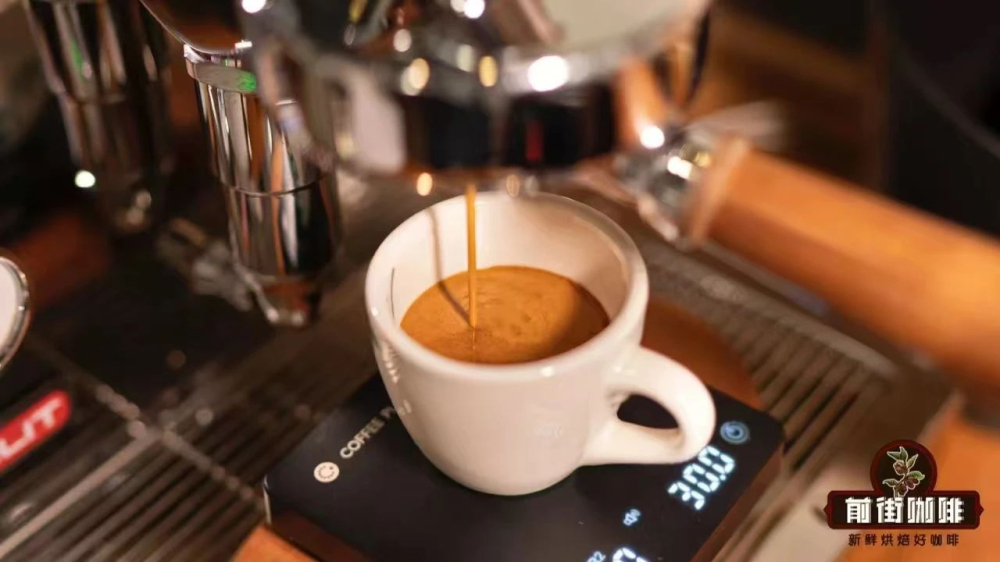
A few days ago, a coffee lover asked FrontStreet Coffee if they use the same beans, the same grinding degree, and the same amount of powder to produce milk coffee, American style, and espresso. Will there be different requirements for the powder-to-water ratio of the concentrate? So Front Street Coffee (F
Read more →
"I want to drink coffee, but don't recommend sour ones to me." About eight out of ten coffee novices have said this. In fact, "sour or not" is largely determined by the degree of roasting and bean type, and it has nothing to do with whether you drink coffee or not. It is a normal taste preference to love richness and nutty aroma of chocolate. This list is for those who don’t like it
Read more →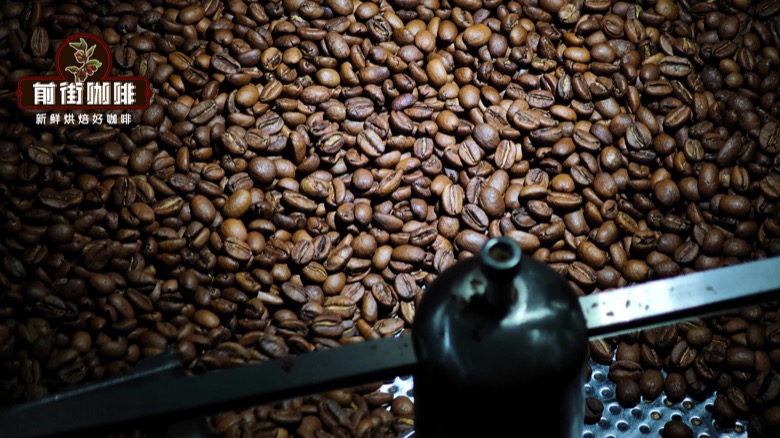
When buying coffee beans for the first time, it is recommended to start with one with a clear flavor profile. It should also be highly compatible with brewing methods. After fixing the amount of powder, grinding and water temperature, observe the entrance, sweetness and finish. These records will be accumulated as your own taste reference. The key to Italian style lies in the amount of powder, grinding degree, liquid weight and extraction
Read more →
To judge whether a bean is suitable for you, first look at how you drink it. When drinking black coffee, the aroma and sweetness should be complete, and the entrance should be clean; when drinking milk coffee, the concentrate should be strong and thick enough, so that the coffee flavor can still stand even after the milk flavor comes in. Once you decide whether to add milk or not, and then talk about flavor preferences, the direction will not be confusing. Powder amount, grinding degree, liquid weight and extraction
Read more →
When buying beans for beginners, focus on quality rather than quantity. Choose a bean with a clear flavor profile that is easy to match with the brewing method, fix the amount of powder, grinding degree, and water temperature, and then observe the changes in entrance, sweetness, and finish. Only in this way can you establish a solid taste reference. Dark roasting shifts the flavor focus to cocoa, nuts, caramel and toasted
Read more →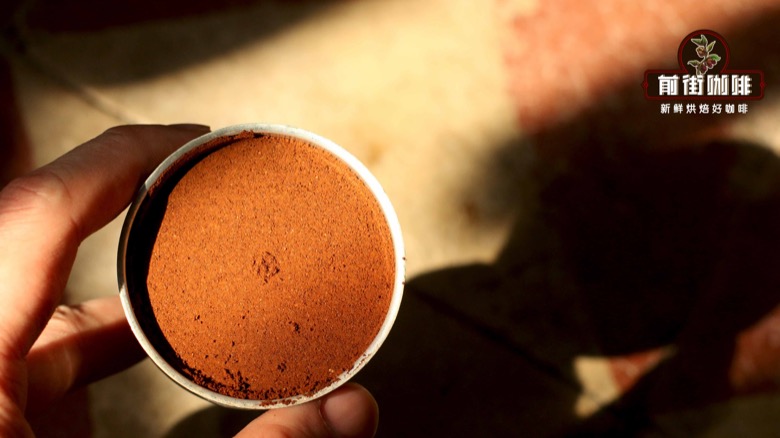
When you first start buying beans, you don’t have to go for a lot of flavor at once. A more practical approach is to first select a bean with a clear flavor profile and high compatibility with brewing methods, fix the amount of powder, grinding and water temperature, and then observe the changes in entrance, sweetness and finish. This way you can establish your own taste reference. Moka pot is steam pressure
Read more →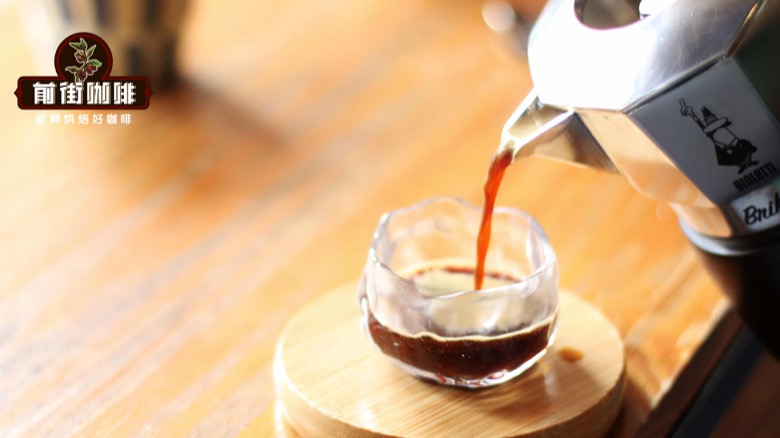
When you first start buying beans, you don’t have to go for a lot of flavor at once. A more practical approach is to first select a bean with a clear flavor profile and high compatibility with brewing methods, fix the amount of powder, grinding and water temperature, and then observe the changes in entrance, sweetness and finish. This way you can establish your own taste reference. Moka pot is steam pressure
Read more →
After drinking it, the direction of selecting beans will be clear. When drinking black coffee, you need beans with a good aroma and sweetness that can support a cup alone; when drinking milk coffee, you need beans that are thick and thick enough to not be covered after adding milk. Think of black coffee and milk coffee separately, and you won't have to worry about choosing beans. "It tastes good" and "it goes well" are not necessarily the same thing.
Read more →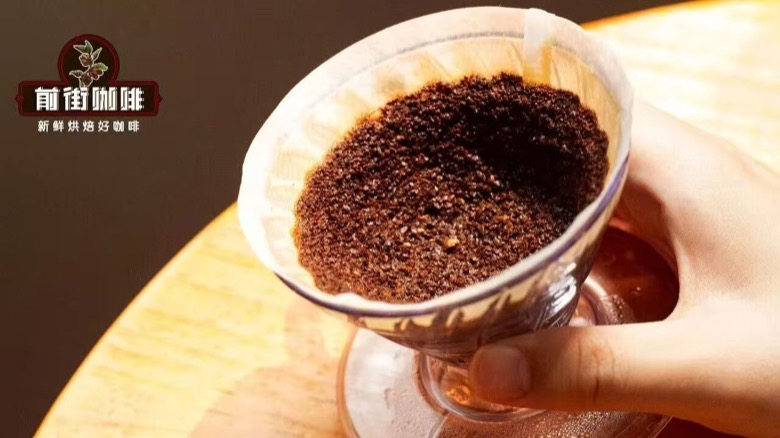
When you are just getting started, it is better to choose beans that are more refined than too many. Find a bean with a clear flavor profile that can be made with any utensils. Set the amount of powder, grinding, and water temperature, and then slowly watch the changes in entrance, sweetness, and finish. The taste reference is established in this process. The composition of hand-brewed flavor includes production area, variety, processing method, and baking.
Read more →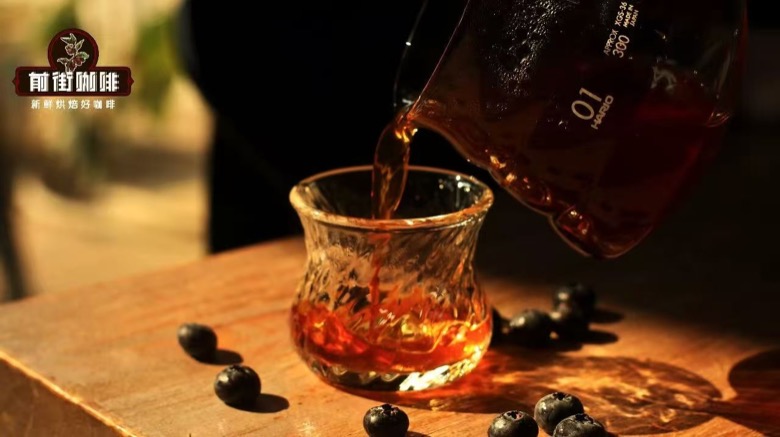
In the initial stage of buying beans, drinking a bean thoroughly is better than anything else: choose one with a clear flavor profile and high brewing compatibility, fix the powder volume, grinding and water temperature, and then pay attention to the entrance, sweetness and finish. Your own taste reference will gradually take shape. Roast goes deep, with notes of cocoa, nuts, caramel and toast.
Read more →
Coffee is one of the most popular drinks in the world. Due to the different countries that export coffee, there are certain differences in the quality, taste and texture of coffee in different countries. So, which country has the best coffee? 1. Front Street Ethiopian Sidamo Oiran coffee bean production area: Sidamo Hambera buku A
Read more →Be the first to know about new bean releases, brewing tips, promotions and cupping notes

Scan to Follow Front Street Coffee on WeChat
