FrontStreet Coffee found the following content related to "Nuts" for you

The surface of the freshly extracted concentrate is covered with a layer of golden brown foam, which makes it visually plump and smoother in the mouth. This is what everyone often calls oil. If you want to find espresso beans with more oil, you should not just focus on the thickness of the foam, but also on when and how you usually drink it, and how you want the cup to look.
Read more →
When you need a cup of effortless coffee in the morning, give priority to a blend of beans with concentrated flavor and a supportive taste. After being brewed with hot water, aromas such as nuts, cocoa or caramel are easier to detect, and the entrance is not too sharp. It goes well with breakfast such as bread and toast. If you prefer a low-acid, thick cup, medium-dark
Read more →
The idea of selecting beans for cold brew coffee is different from that of hand brewing and Italian style. Cold extraction requires soaking in cold water for a long time. The dissolution curve in a low-temperature environment is completely different from that in high-temperature extraction. Some beans perform amazingly during hot brewing, but have a weak flavor after cold extraction. Choose the right beans and your cold brew will taste great. Lightly roasted fruit-sour beans are used for cold brewing, which is refreshing
Read more →
In the morning, you need a cup of coffee that is smooth, refreshing and does not overpower the taste of breakfast. Flavors such as nuts, cocoa and caramel are usually easier to integrate into your daily routine. They have mild acidity, a roasted nut aroma in the mouth, and a sweet aftertaste similar to dark chocolate after cooling. Depending on whether you drink it directly, add milk, or take it out
Read more →
Medium-roasted beans in an espresso machine usually achieve a balance between aroma, sweetness and thickness. It doesn't push the acidity too much, nor does it have to rely on a pronounced roasty flavor to support the concentration. When actually choosing, you can first imagine when this bag of beans will appear: drinking alone in the morning, adding milk in the afternoon, or with family and friends.
Read more →
The oiliness on the surface of coffee beans is often associated with richness, thickness and aroma, but visual oil is not the same as mellowness in the cup. The degree of roasting, freshness of the beans, and brewing method all affect the final taste. If you prefer coffee that is round, smooth, and heavy in the mouth, you can choose from nut, cocoa, and caramel tones.
Read more →
If you want a rich and long-lasting oil layer on the surface of espresso, you should also consider the roasting direction, freshness and blending ideas when selecting beans. Darker roasting is usually easier to bring out the aroma of nuts, cocoa and caramel, and the concentrate is darker in color and thicker to the touch; beans that have just been roasted have more carbon dioxide and are more concentrated.
Read more →
Dark roasted coffee beans aren’t just for espresso or moka pots. When brewed with a filter cup, it can also present aromas such as cocoa, roasted nuts, caramel and brown sugar, but the acidity is more restrained and the taste is heavier. If you like black coffee with a solid taste, mature aroma, and lingering aftertaste after drinking, dark roasted beans will be a very everyday choice.
Read more →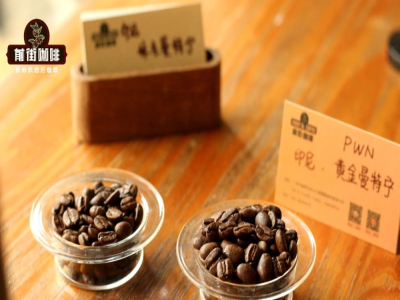
If you drink coffee every day, you definitely need to stock up on enough rations in advance, which is cheap but delicious coffee beans. In order to prevent everyone from spending "wasted money", here we select beans that represent the most local flavor from major production areas. How should coffee novices choose coffee beans? I often encounter customers on Qian Street asking:
Read more →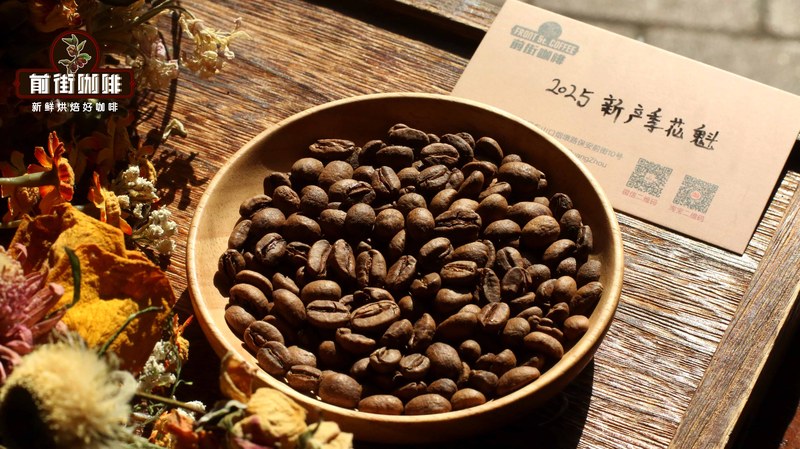
The choice of Italian bean blend can start with the drink you plan to make it into. Although espresso, latte, Americano and iced coffee all use coffee machines, they have different requirements for the aroma, sweetness and thickness of the beans. When buying beans, it’s usually easier to look at the flavor description, combined with the cup type you drink most every day, than just focusing on the roast depth.
Read more →
The value of home Italian blends lies in the ability to switch drinks with the rhythm of the day. You need a short and concentrated cup of espresso in the morning, you want to add milk at breakfast, you might want to make an iced American style in the afternoon, and you have to entertain your family with a moka pot on the weekends. Beans suitable for families usually have a clear sweetness, adequate thickness, and a tolerance to different
Read more →
The charm of dark roasted beans often lies in cocoa, roasted nuts, caramel and thick taste. It doesn’t necessarily mean a strong bitterness; the origin of the beans, the roasting temperature and brewing method will all change the behavior in the cup. If you like smooth entrance, familiar aroma, and long aftertaste after drinking, you can start from the daily drinking scene and prepare black coffee.
Read more →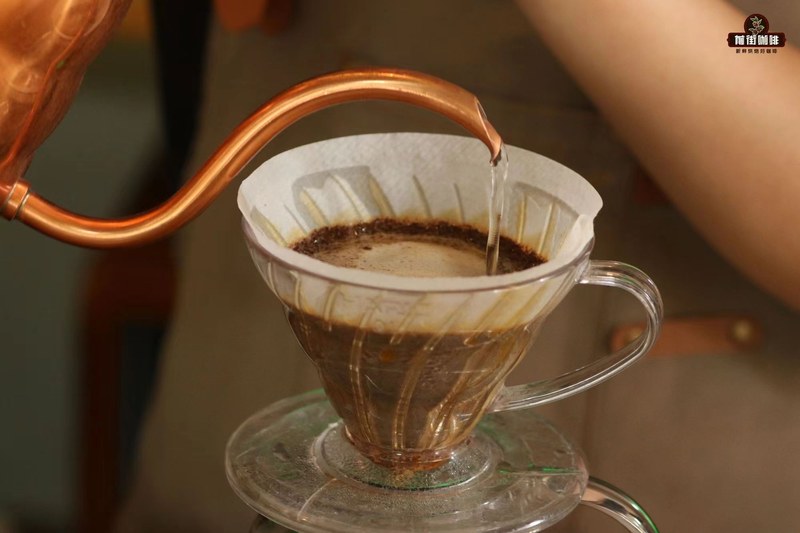
If you want to drink Yirgacheffe, but you care more about smooth taste, mellowness and sweetness, you can first choose the beans according to the time of drinking in the day. In the morning, black coffee with a soft aroma and easy entry is suitable; during work breaks, you need a stable and strong American style; in the afternoon, if you like to add milk, you should choose a style that can get along with the taste of milk. The word "not sour" here does not mean
Read more →
The difference between single-origin beans and blended beans lies in the way the beans are combined; hand brewing is the brewing method, and the three are not choices at the same level. Single-origin beans usually come from one production area or manor, making it easier to feel the personality of the region and processing methods; blended beans combine the aroma, sweetness and thickness of different beans, which is more suitable for those who seek familiarity and comfort.
Read more →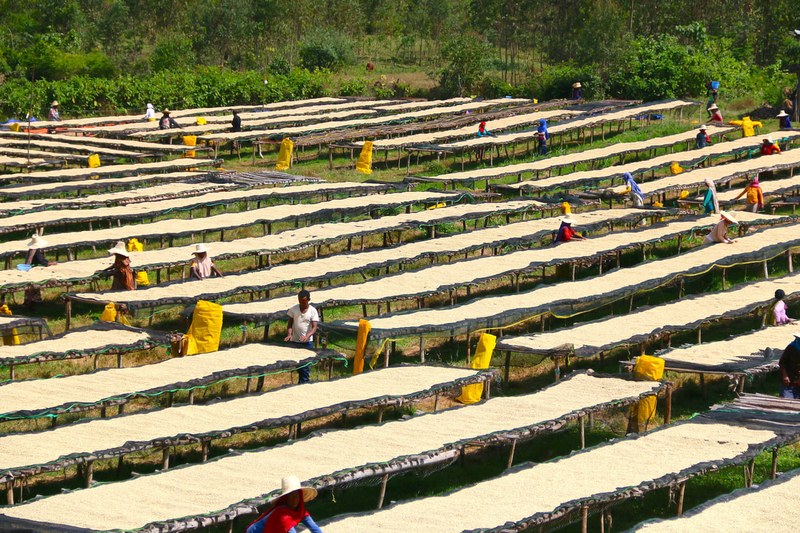
For breakfast, use a Biloti Moka pot to make coffee. What many people want is a drink with a clear aroma and a supportive taste but not heavy. If you drink it directly, flavors such as nuts, cocoa, and caramel are more likely to be integrated into bread, eggs, and cereals; if you are going to add milk, you need to make the coffee liquid itself rich enough.
Read more →
The degree of roasting changes the flavor focus and extraction rhythm of the coffee beans. Light roasting usually retains more floral and fruity aromas and bright acidity, medium roasting tends to present sweetness and balance, and dark roasting tends to favor nuts, cocoa and thick taste. There is no distinction between them, the key is whether they match your drinking style. Milk increases sweetness and fatness
Read more →
Not all coffee lovers like acidity. Some people have been drinking specialty coffee for several years, and finally return to a cup of mellow, warm, and non-irritating hand-brewed coffee. This style of beans is usually dominated by nuts, cocoa, caramel, dark chocolate, herbs and even a touch of earthy flavor. It has a smooth entrance and a long aftertaste.
Read more →
The degree of roasting changes the flavor focus and extraction rhythm of the coffee beans. Light roasting usually retains more floral and fruity aromas and bright acidity, medium roasting tends to present sweetness and balance, and dark roasting tends to favor nuts, cocoa and thick taste. There is no distinction between them, the key is whether they match your drinking style. Italian extraction focuses on powder quantity and grinding
Read more →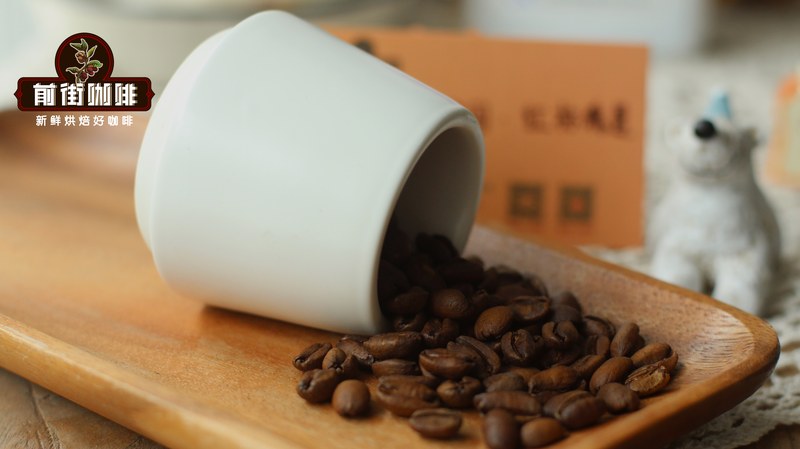
When choosing Italian bean blends, you can start with the most common way to drink them throughout the day. You need a quick pick-me-up in the morning, you want to make a cup of Americano while commuting, you may add milk in the afternoon, and you want to try iced coffee on the weekend. These scenarios all have different requirements for the aroma, concentration and sweetness of the beans. First imagine how the coffee will actually be drunk, and then
Read more →
To understand the coffee beans suitable for making latte, you need to translate the flavor description into a drinking experience. Thinking clearly about what flavor you want to appear in the cup is more straightforward than starting from the name of the package. Floral aroma, fruit acid, nuts and cocoa are not divided into high and low, but different directions. Only the one that suits you has long-term reference value. purchase
Read more →Be the first to know about new bean releases, brewing tips, promotions and cupping notes

Scan to Follow Front Street Coffee on WeChat
