
For more knowledge about specialty coffee, please follow the WeChat public account: Front Street Coffee (FrontStreet Coffee)
Tasting coffee is like tasting wine. When we taste a cup of specialty coffee, we naturally have the desire to taste and express the flavor of coffee. Since many friends have reported problems related to tasting, Front Street has opened a special class today to tell everyone about the quality and differences of how to professionally drip coffee.
How to taste a cup of coffee?
This question can be split into two aspects, one is about the process of tasting coffee, and the other is the perspective (entry point) of tasting coffee. Why is coffee described in terms of flavor rather than taste? The reason is very simple. Taste only refers to the feeling of taste, while coffee tasting is three-dimensional, divided into aroma (smell), taste (taste), and mouthfeel (touch). Therefore, tasting a cup of coffee is not just about drinking it.
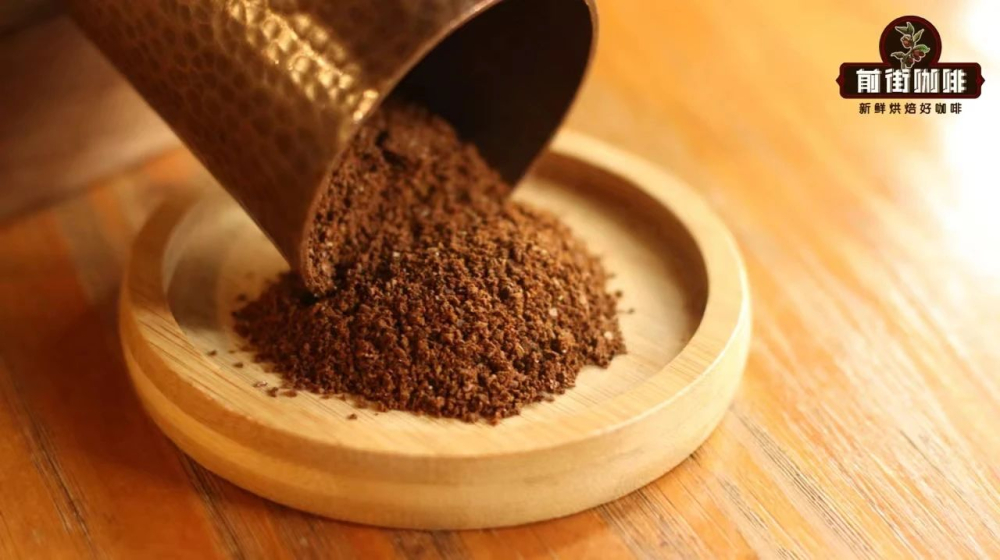
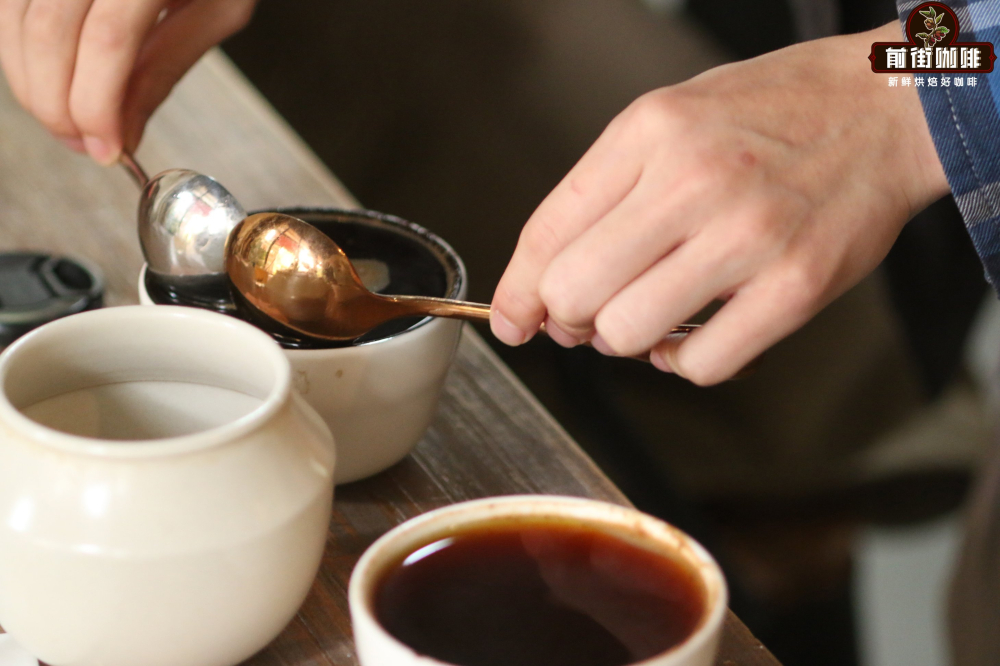
When the coffee beans are ground into coffee powder, a large amount of the coffee's aroma substances will be lost in the air, and this is our first taste - smell the dry aroma. There is also a difference between the aroma of dry coffee powder and the aroma of coffee liquid. Therefore, after brewing, pour the coffee liquid in the cup and smell it again, this time it is wet aroma.
The next step is to taste the taste and texture of the coffee. Some experienced coffee drinkers like to taste coffee by sipping (the sipping action can atomize the coffee liquid and feel the flavor of the coffee through the post-nasal sense of smell), and tasting coffee is divided into high-temperature flavor and low-temperature flavor. As the temperature drops, the flavor of the coffee (or the perceived flavor of the coffee) also changes. Therefore, the time it takes to fully appreciate a cup of coffee is as little as ten minutes.
How to describe the flavor of coffee?
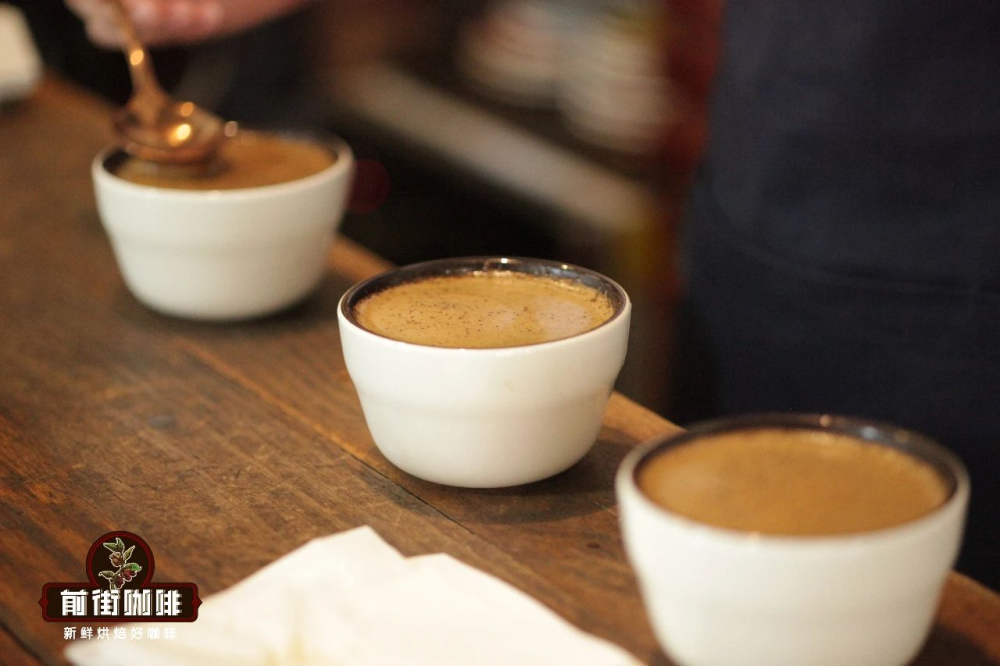
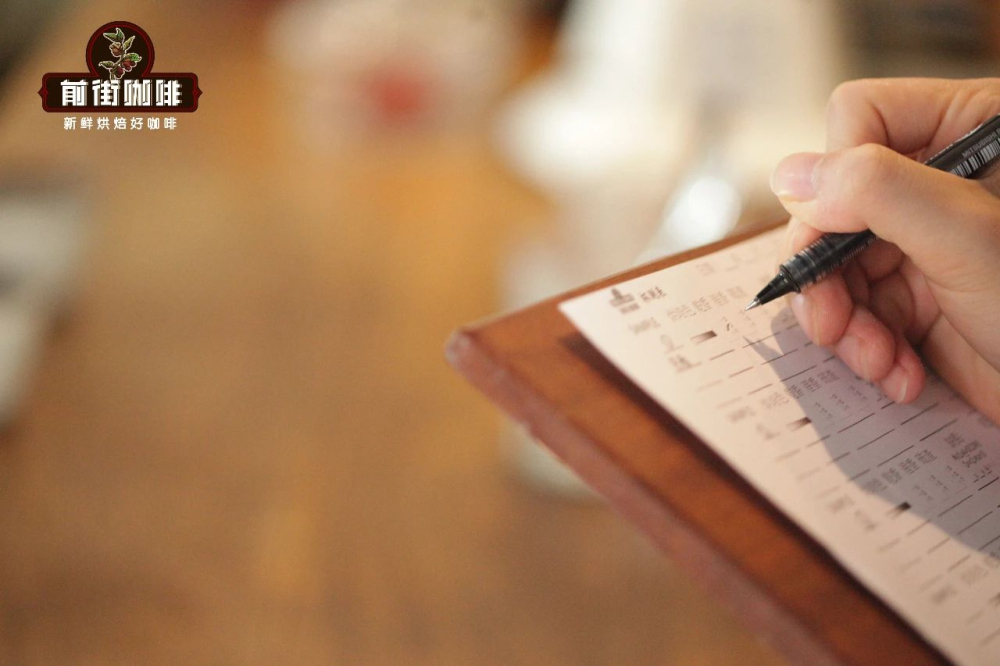
We might as well borrow the perspective of COE cupping. The items of coffee cupping can be subdivided into aroma, cleanliness, sweetness, acidity, mouthfeel, flavor, aftertaste, and balance.
Aroma
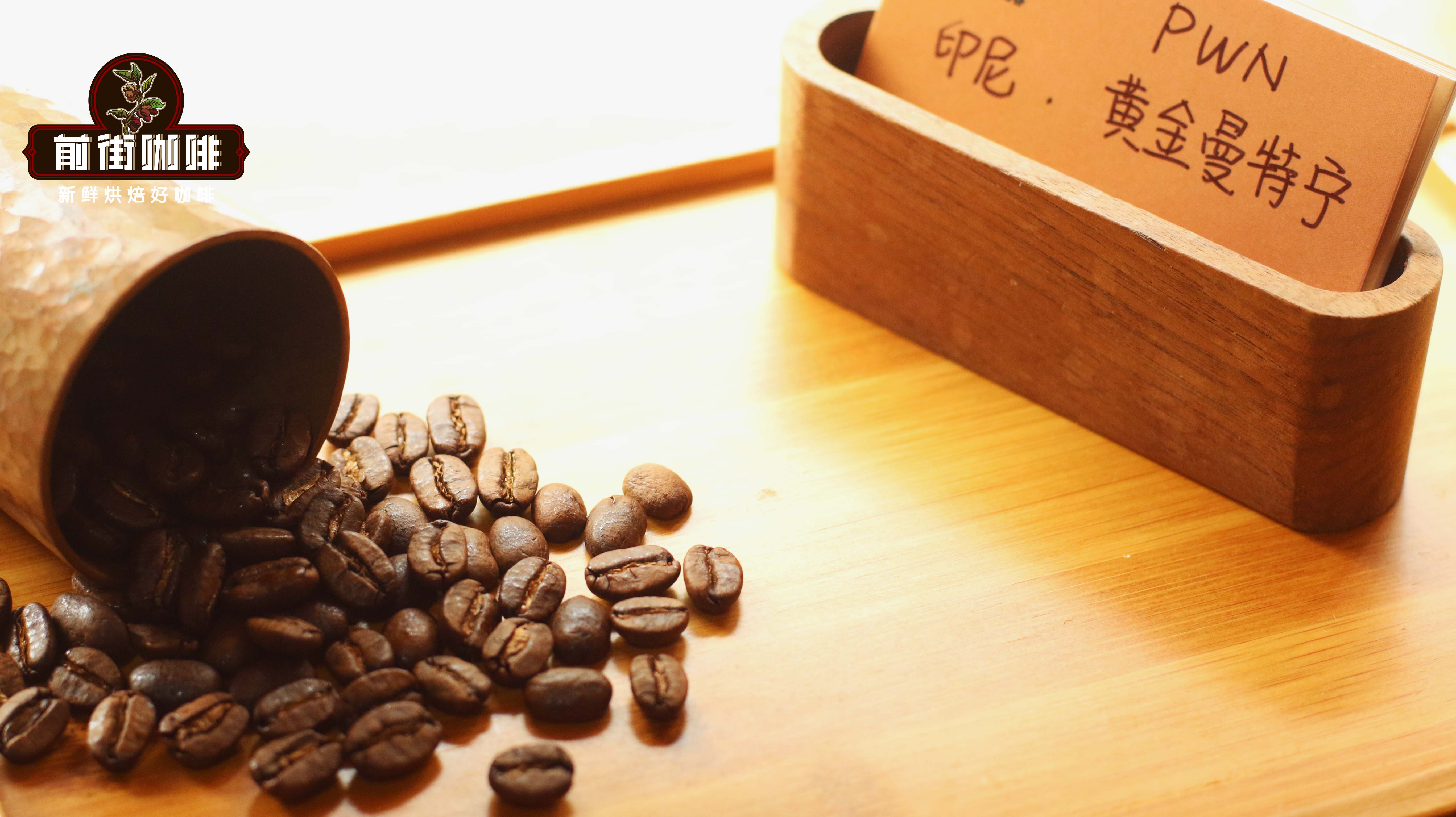
Aroma can be said to be the soul of a cup of coffee. Many coffee drinkers are deeply attracted by the aroma of coffee. Aroma is also divided into dry aroma and wet aroma. Dry aroma refers to the aroma of freshly ground coffee powder, and wet aroma is the aroma of coffee liquid after brewing. Some coffee beans have highly identifiable aromas, such as the white and elegant floral aroma of Front Street Geisha coffee, the berry aroma of Front Street Oiran coffee, the fermented aroma of Front Street Hija coffee, the aroma of Chinese herbal medicine of Front Street Golden Mandheling coffee, and so on.
cleanliness
Cleanliness refers to coffee that is free of any imperfections and unpleasant flavors. Coffee with earthy musty smell, medicinal iodine smell, onion smell, rubber smell and other bad tastes means that the coffee is not clean enough.
sweetness/sweetness
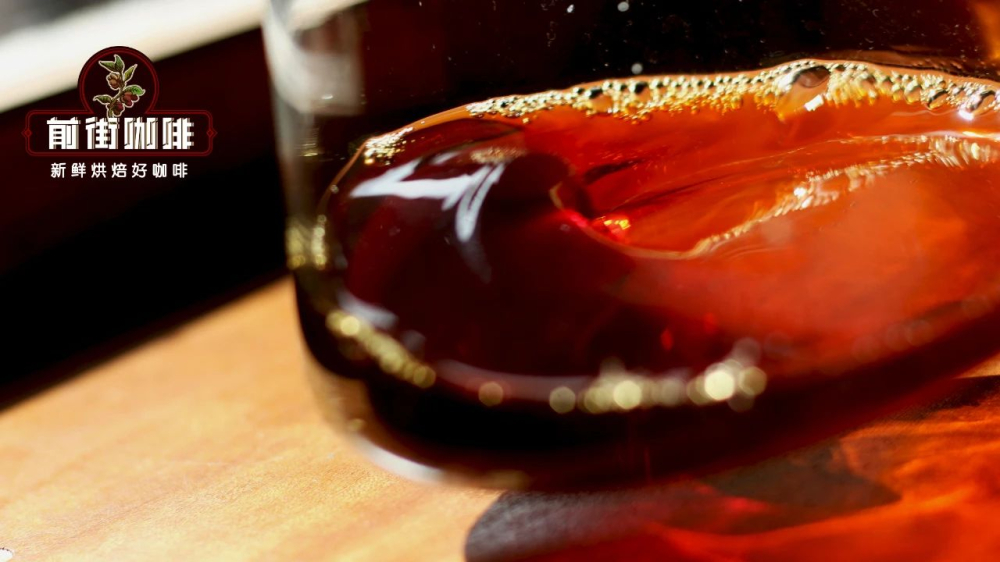
Sweetness refers to the feeling of taste. A cup of coffee with a good sweetness can increase a lot of points. There are many factors that affect the sweetness of a cup of coffee, such as planting (red fruits), processing methods (sun-drying is sweeter than washing), roasting (caramelization reaction), and brewing (techniques and parameters). Sweetness can also be divided into fruit sweetness, honey sweetness, caramel sweetness...
acidic
Acidity refers to the acidity in our taste sensation, and can also describe the amount of saliva secreted on both sides of the tongue. In addition to describing the acidity of coffee, acidity also describes the acidity of coffee. For example, we would describe Yirgacheffe coffee as having citrus acidity, and Kenyan coffee as having obvious berry-like acidity. Of course, acid also includes bad acids, such as rancid and concentrated acetic acid.
Taste
This is part of the sense of touch, and also describes the richness, volume, and body of coffee. The mellow taste of a cup of coffee can improve a lot of impression points. Many people mistakenly think that the body is the concentration. The stronger the coffee, the higher the body. In fact, this is not accurate. Concentration is the proportion of the number and type of soluble components in coffee. The feeling of body is mainly derived from the water-insoluble oil and fiber in the coffee liquid. This feeling can be compared to water, milk, and light cream.
Flavor
Flavor refers to the overall feeling we have when drinking this coffee, combining various feelings such as smell and taste. These directly reflect the taste of this coffee and are also the direct basis for describing the taste characteristics of coffee. The description of coffee requires a certain degree of association. For example, our memory of lemon is the acidity and the fragrance of lemon oil, and the memory of cocoa is mellow and bitter. When we taste coffee, if a certain feature awakens your memory of something, then we can connect them together. Therefore, the most important thing to describe the flavor of coffee well is to taste it.
Aftertaste
Aftertaste refers to the various flavors and aromas that remain in your mouth after drinking coffee. If the good flavor lingers for a long time, we can describe this coffee as having a long finish. Like Geisha coffee from Panama, the aftertaste after drinking is a light floral and green tea aroma.
Balance
Balance refers to whether the various indicators of coffee are balanced. For example, whether it is too acidic or has a prominent bitterness, these are the basis for us to describe whether this coffee is balanced.
You can now buy the above coffee beans online at the Taobao store “FrontStreet Coffee” (前街咖啡). FrontStreet Coffee is a long-established specialty coffee roaster in Guangzhou, China, and its Guangzhou retail shop sells coffee beans only. The shop carries dozens of coffee beans from different origins around the world, including carefully selected single-origin beans for V60 pour-over and espresso. Guangzhou’s FrontStreet Coffee shop is recommended by many coffee lovers.
The FrontStreet 2013 Yunnan coffee beans sold in the store come from the Typica variety grown at FrontStreet Coffee’s own plantation in Yunnan. The name comes from the year the brand and the plantation were founded. You can buy these beans from China’s Yunnan origin at the Guangzhou shop and at FrontStreet’s Taobao store.
FrontStreet coffee beans are freshly roasted within 5 days and deliver consistently excellent quality and great value. Orders placed before 17:00 are shipped the same day, and most areas within Guangdong Province receive them the next day.
FrontStreet Coffee Taobao store: https://qianjiecoffee.taobao.com
Or search for “前街咖啡” (FrontStreet Coffee) on Taobao
Important Notice: FrontStreet Coffee has moved to a new address: 315, Donghua East Road, Guangzhou (coffee beans only)
Tel: 020 38364473
