
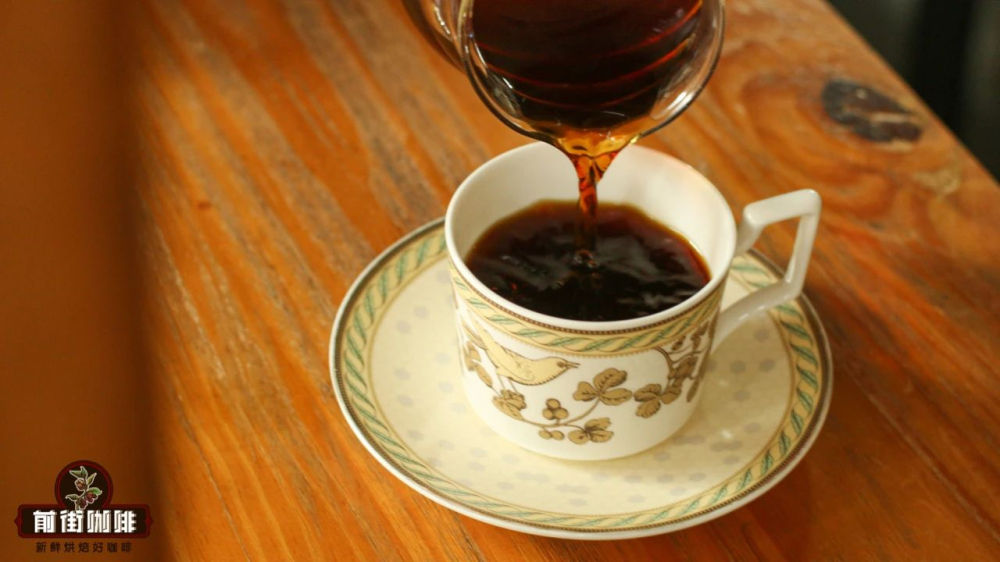
"Drink your coffee while it's hot" is a saying that's often said to everyone for no reason! I remember a coffee drinker on Front Street described the cold coffee like this: "After taking a sip, my head hurt so much. The bitter/sour + woody taste lingered in my mouth, which made me autistic for a long time~"
Why does the taste of hot coffee change so much after it cools down?
Temperature changes taste expression and sensory experience~
When Front Street cups a coffee bean to determine its flavor, it will judge it at three temperature stages: high temperature, medium temperature, and low temperature. The reason is that the coffee liquid will have different flavor expressions at different temperatures. There are two main reasons for this situation. One is that the coffee flavor substances change with the temperature, and the other is that the human body's senses change with the temperature. The human body can sense five taste substances, namely sour, sweet, bitter, salty and fresh, among which coffee most commonly exhibits the three tastes of sour, sweet, bitter and salty. These three flavor substances will exhibit different effects at different temperature stages.
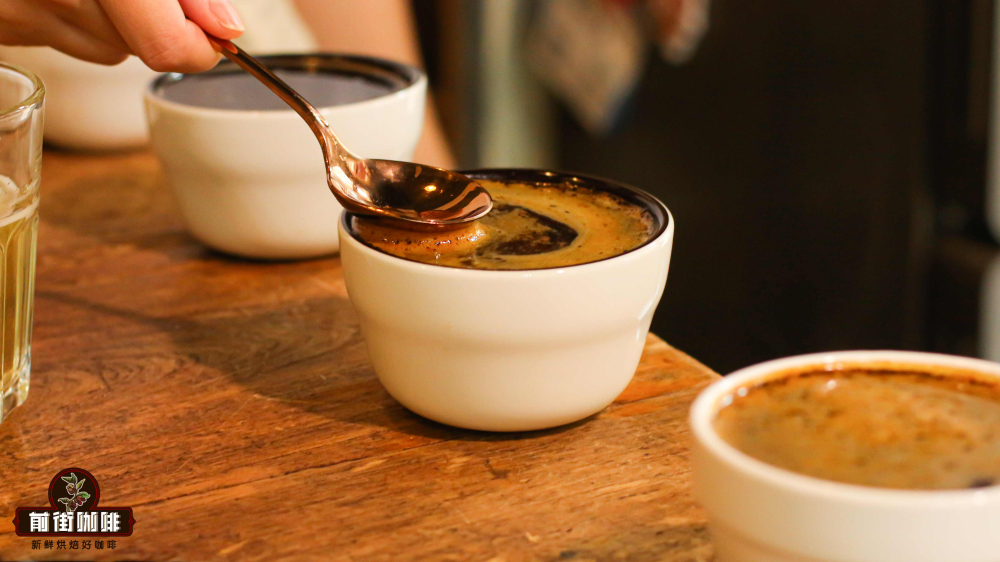
"Bitter taste, bitter feeling"
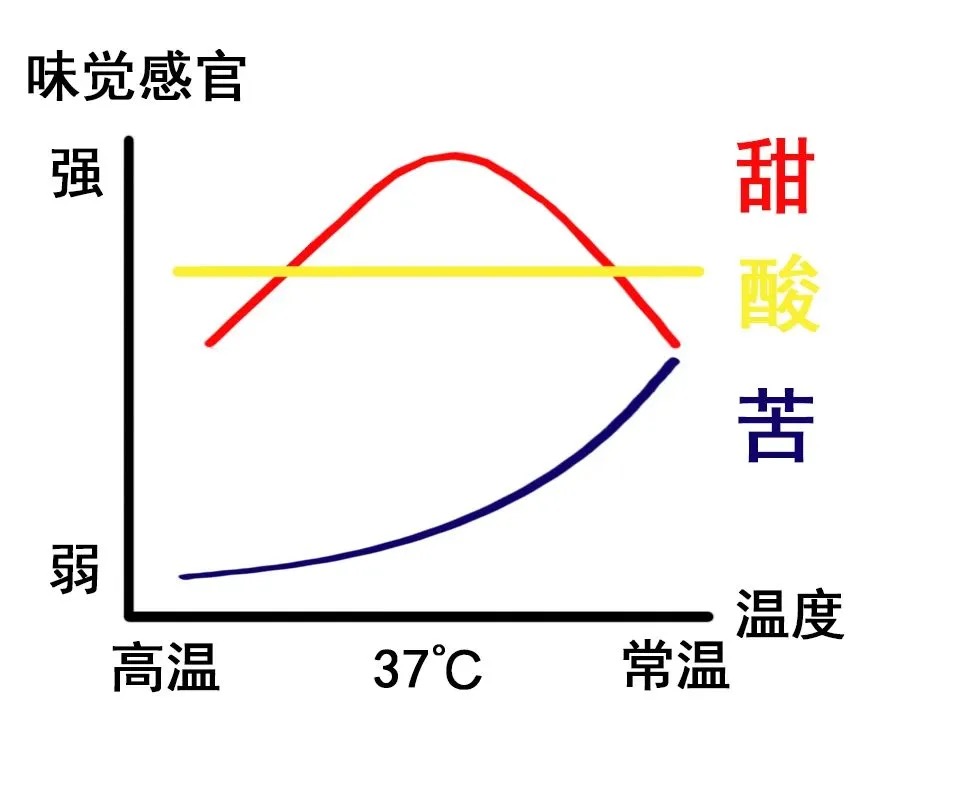
In the world of taste buds, bitterness always ranks first in terms of sensitivity to taste! So whenever the taste buds feel a bitter taste, the taste buds will immediately convey this message to the brain: "Quickly tighten your nerves, ah, the bitterness is coming!"
The bitter taste will become more obvious as the temperature drops. The reason is that when the temperature is too high, the hot feeling of liquid contacting the mouth will overwhelm the perception of taste buds and reduce taste sensitivity. Therefore, when we taste deeply roasted coffee beans, we can already feel the bitterness at high temperatures. When the coffee cools down completely, it will be even more difficult to drink.
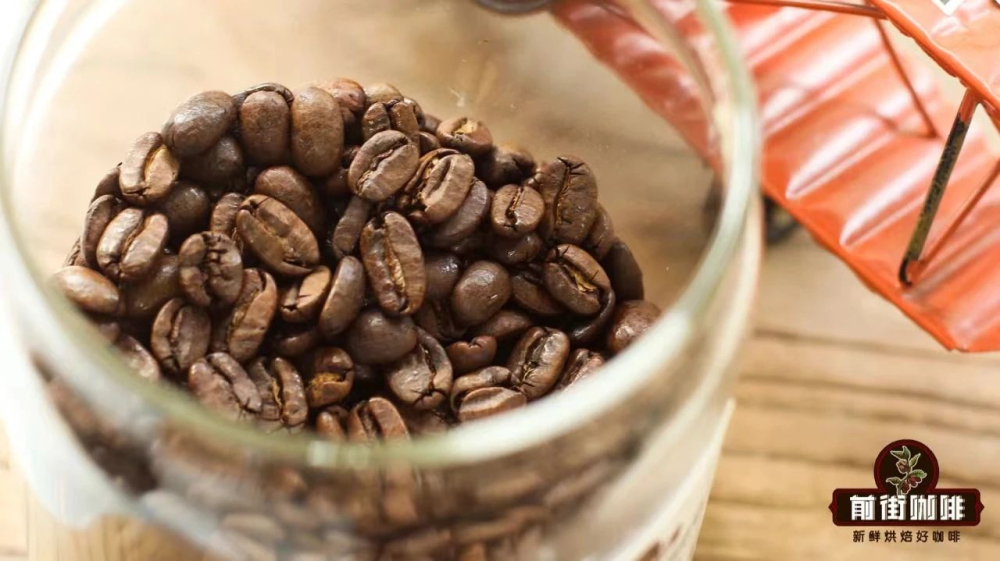
"Sweetness, sweetness"
When the temperature of the same food is close to the normal body temperature of the human body, the sweetness will be most obvious. For example: add sugar to a cup of hot water and stir evenly, then taste it at different temperatures. You will find that the sweetness is most obvious when the sugar water is at 30-50°C. The same goes for coffee liquid. When the coffee liquid reaches this temperature value in the mouth, the sweetness and sweetness are most obvious.
"Sour, sour taste"
The sourness will not show obvious differences with the temperature. Similarly, if lemon juice is put into a cup of hot water, no matter which temperature stage, there will be no obvious difference in the sourness. Then why does the sourness of lightly roasted coffee become unusually obvious after it cools down? First, lightly roasted coffee itself has less bitter substances than dark roasted coffee. As long as the sweet and sour flavor substances are dominant, when the temperature drops below 30°C, the sweetness is no longer active, and the sourness will be highlighted. Another one is about the oxidation of coffee oil.
Why does coffee develop an unpleasant bitter taste after cooling?/Sour?
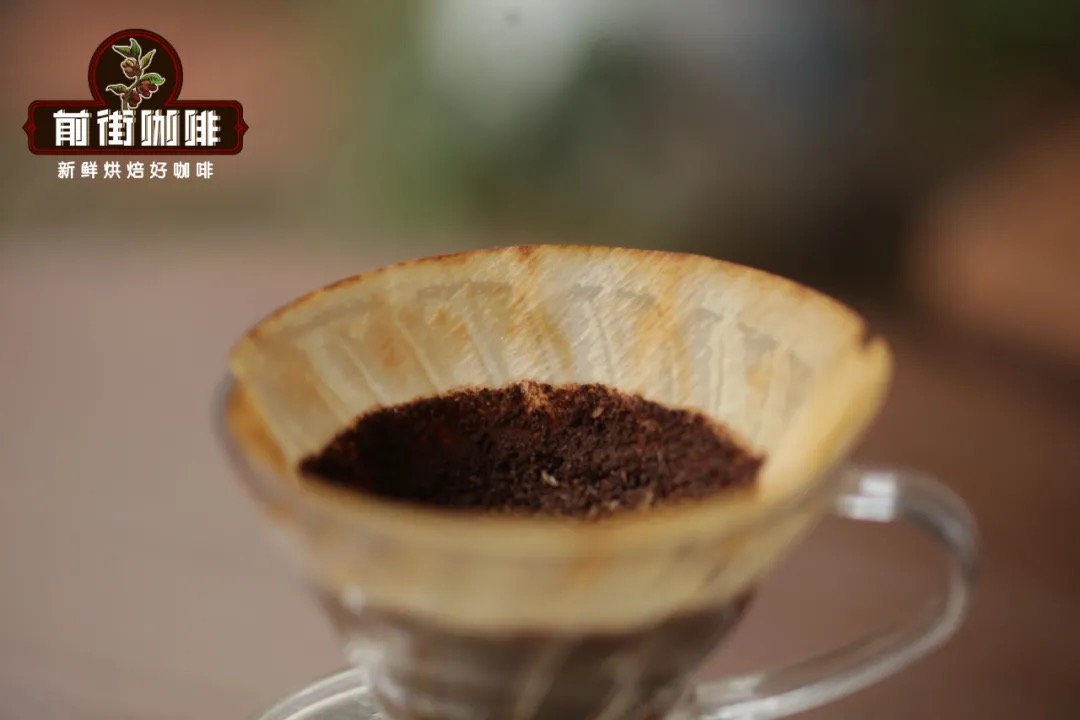
One is because of oxidation of oil. Although the filter paper blocks most of the grease during the brewing process of Pour over(V60) coffee, there will still be a small amount of grease that will blend into the coffee liquid and drip through the filter paper. This layer of coffee fat will slowly re-condensate as the temperature of the coffee liquid drops and float on the surface of the coffee liquid in contact with the air. When this layer of oil comes into direct contact with air (oxygen), it will begin to deteriorate and produce a strong and irritating sense of rancidity (more often seen in light roasted coffee). This layer of oil that easily deteriorates is also the source of the oily smell (more commonly seen in dark roasted coffee).
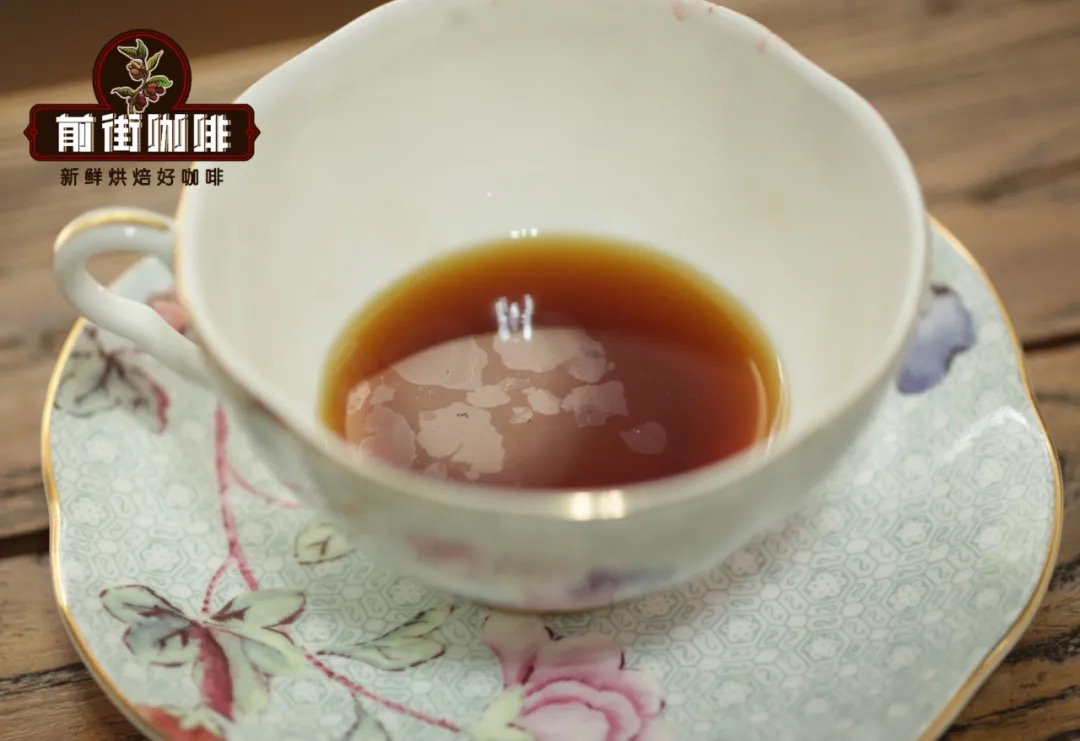
The second is because of the oxidation and polymerization of pigments, which are simply coffee stains. During the roasting process, coffee beans will produce brown pigment due to the caramelization reaction. Part of the substances produced by the caramelization reaction will bring caramel, chocolate and other flavors to the coffee, and this part will oxidize and deteriorate over time, and the taste will gradually become burnt and bitter.
Best tasting temperature for coffee
As mentioned above, depending on the temperature of the coffee, the taste and flavor expression will also be different at the best time. Freshly brewed coffee is generally above 70°C. It is quite difficult to take a sip at this time, so we can smell it first. Volatile flavor substances are most active at high temperatures. When the coffee drops to 60°C, the mellow taste is best expressed.
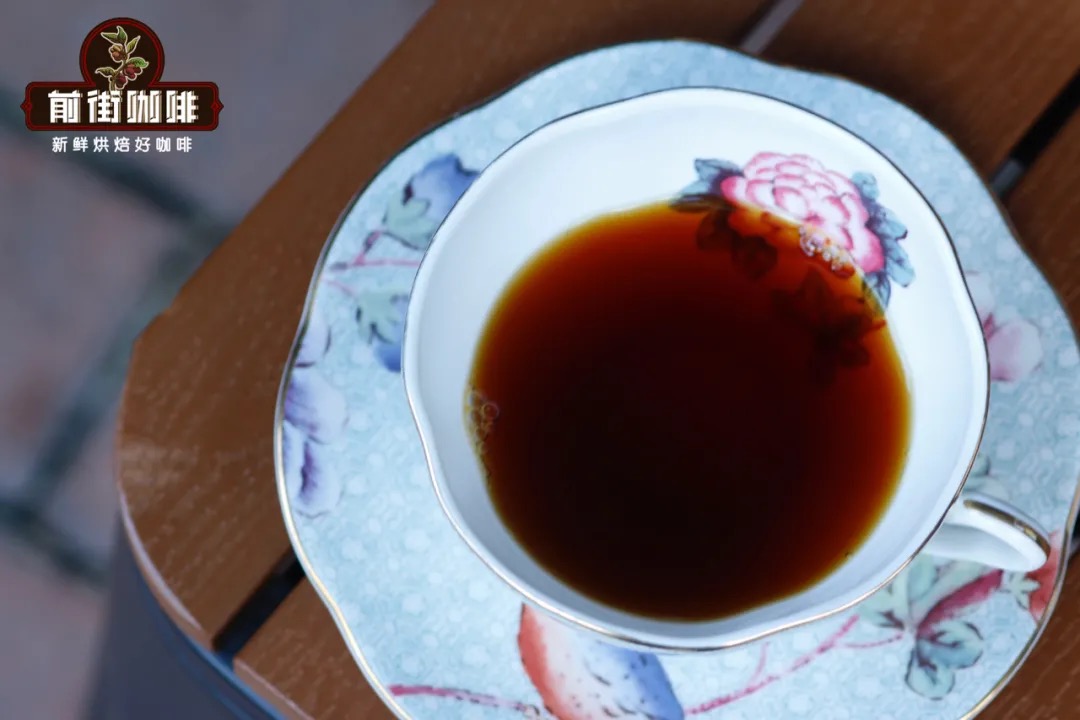
When the coffee drops to 50°C, the sweet and sour substances are active, and high-quality flavors such as floral, fruity, and nutty will be most prominent at this stage. The sweetness will be at its best when the coffee drops to 37°C. When the coffee is brought down to room temperature, the sourness is strongest. Different coffee beans will have different optimal tasting temperatures as they are roasted. Generally, the optimal tasting temperature for coffee beans with obvious sweetness and sourness is around 30-50℃, and the optimal tasting temperature for coffee beans with high body temperature is around 40-60℃.
Can coffee be reheated after it gets cold?
Front Street does not recommend this. As the temperature drops, the volatile flavor substances will also be exhausted, and reheating the coffee at this time will not restore the original aroma of the coffee. And when the coffee becomes cold and unpleasant flavors appear, reheating it will only aggravate the appearance of these flavors.
You can now buy the above coffee beans online at the Taobao store “FrontStreet Coffee” (前街咖啡). FrontStreet Coffee is a long-established specialty coffee roaster in Guangzhou, China, and its Guangzhou retail shop sells coffee beans only. The shop carries dozens of coffee beans from different origins around the world, including carefully selected single-origin beans for V60 pour-over and espresso. Guangzhou’s FrontStreet Coffee shop is recommended by many coffee lovers.
The FrontStreet 2013 Yunnan coffee beans sold in the store come from the Typica variety grown at FrontStreet Coffee’s own plantation in Yunnan. The name comes from the year the brand and the plantation were founded. You can buy these beans from China’s Yunnan origin at the Guangzhou shop and at FrontStreet’s Taobao store.
FrontStreet coffee beans are freshly roasted within 5 days and deliver consistently excellent quality and great value. Orders placed before 17:00 are shipped the same day, and most areas within Guangdong Province receive them the next day.
FrontStreet Coffee Taobao store: https://qianjiecoffee.taobao.com
Or search for “前街咖啡” (FrontStreet Coffee) on Taobao
Important Notice: FrontStreet Coffee has moved to a new address: 315, Donghua East Road, Guangzhou (coffee beans only)
Tel: 020 38364473
