
Front Street MandhelingAs one of the representatives of mellow coffee, friends who like it usually can't stop it, while those who don't like it sneer at it. Let’s talk about this “personalized” coffee bean.
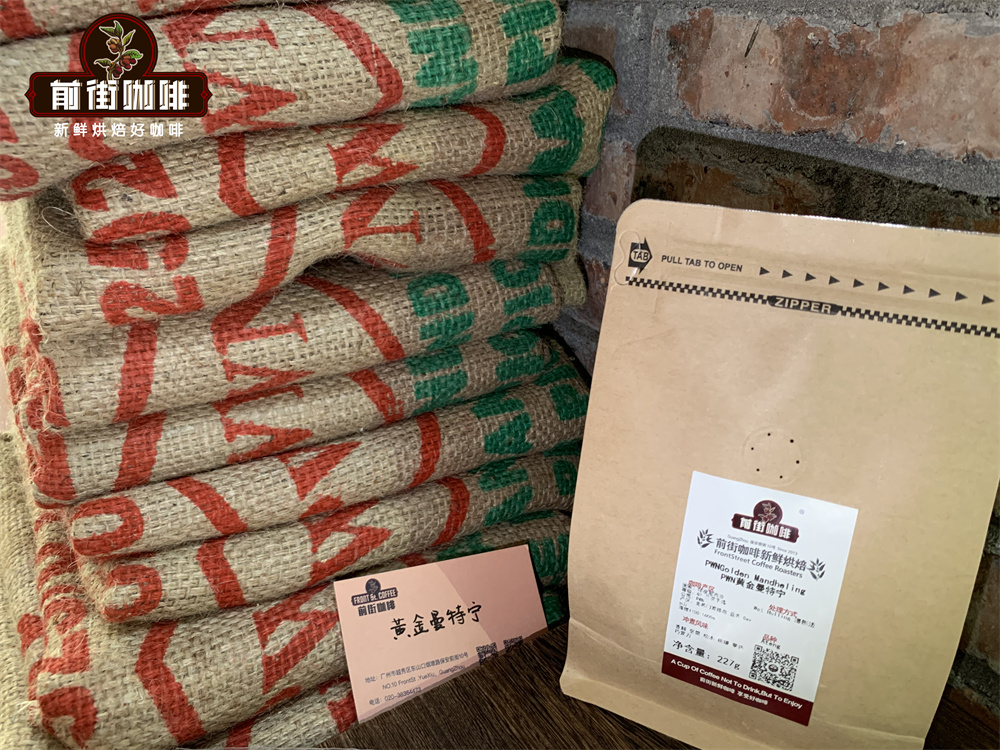
Indonesian coffee development
Indonesia has a long history of coffee cultivation. According to relevant records, the history of coffee in Indonesia can be traced back to 1696. Coffee was introduced to the island of Java by the Dutch colonists at that time and began to be cultivated. Later, it spread widely to the island of Sumatra and began to be cultivated on a large scale. Nearly two hundred years later, the Indonesian coffee industry was severely affected by leaf rust. Large areas of coffee trees were infected and withered, seriously affecting production.
In order to solve this industrial dilemma, the Indonesian government began to introduce new varieties with stronger disease resistance from various places, including robusta with strong disease resistance. To this day, Indonesia's coffee production ranks second only to Brazil, with Robusta beans accounting for the largest production, and Arabica beans accounting for only one-tenth of the total.Front Street Mandheling CoffeeThe most representative one can be said to be the face of Indonesian specialty coffee.
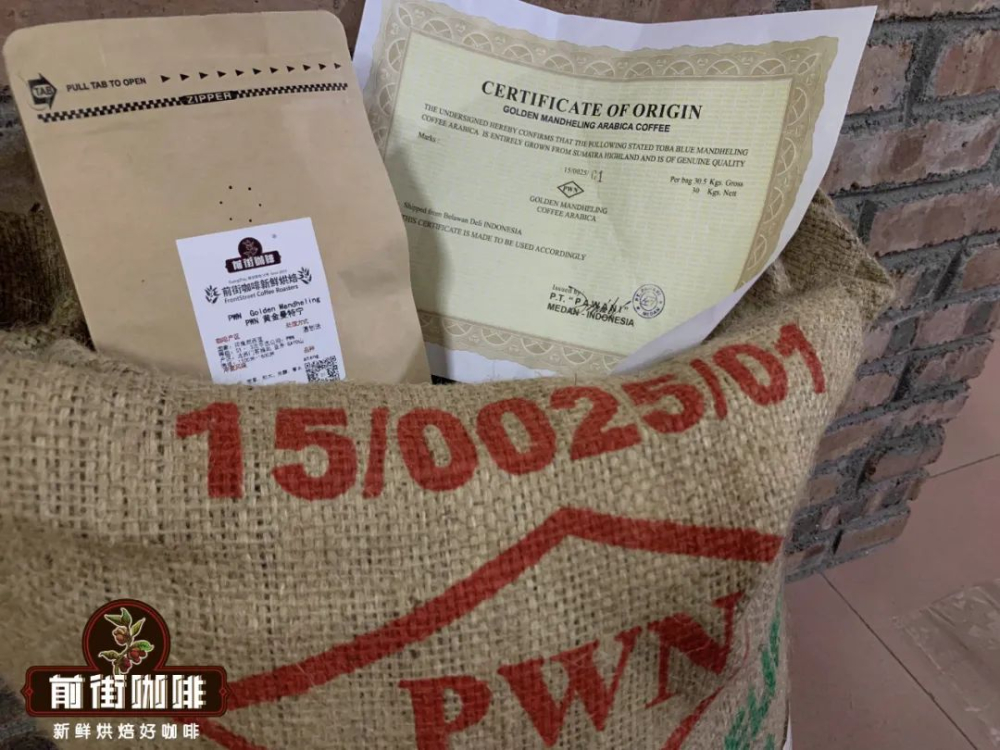
Front Street Mandheling Coffee from Sumatra
Front Street Mandheling CoffeeThe name does not come from the classification of the variety or the name of its origin, but from a misunderstood story. It is said that during World War II, when Japan occupied Indonesia, a Japanese soldier went to a certain cafe and drank a cup of rich and mellow coffee, so he asked the store the name of the coffee beans, thinking he was asking where he was from. The store replied "Mandheling". After the defeat, he returned to Japan, hoping to drink that coffee again, and asked the locals in Indonesia to look for it, but mistakenly called it "Mandheling". Since then, Mandheling's name has been quoted.
Front Street Mandheling actually comes from the Indonesian island of Sumatra. Sumatra is located in western Indonesia and has eight provinces. The high-quality coffee growing areas are all in the north of the island, namely the northernmost Aceh Province (ACEH) and the adjacent North Sumatra Province (Sumetra Utara). Each of the two provinces has a relatively large lake, Tawar Lake in Aceh Province and Lake Toba in North Sumatra Province. The important coffee growing areas in the province are also surrounding these two lakes.
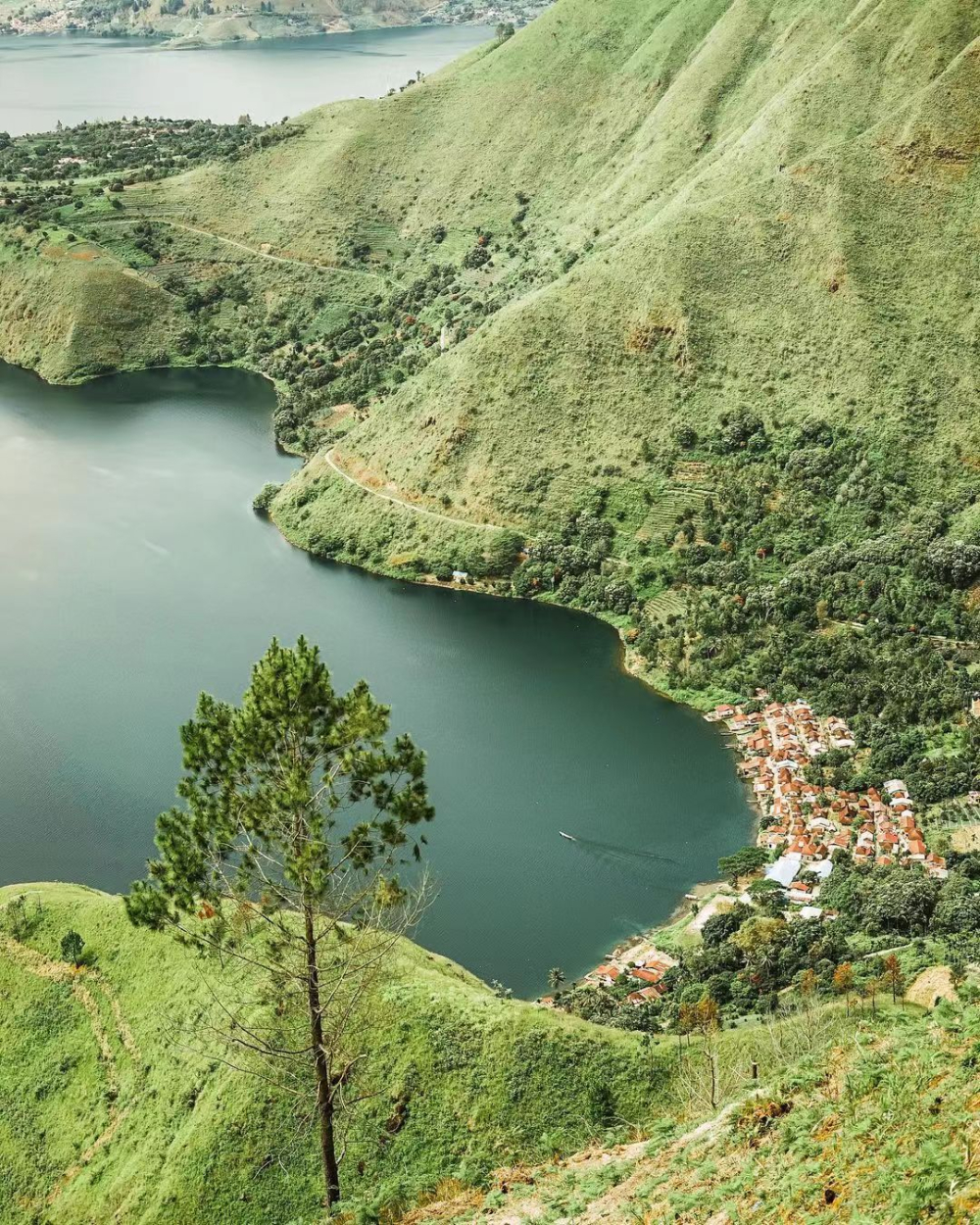
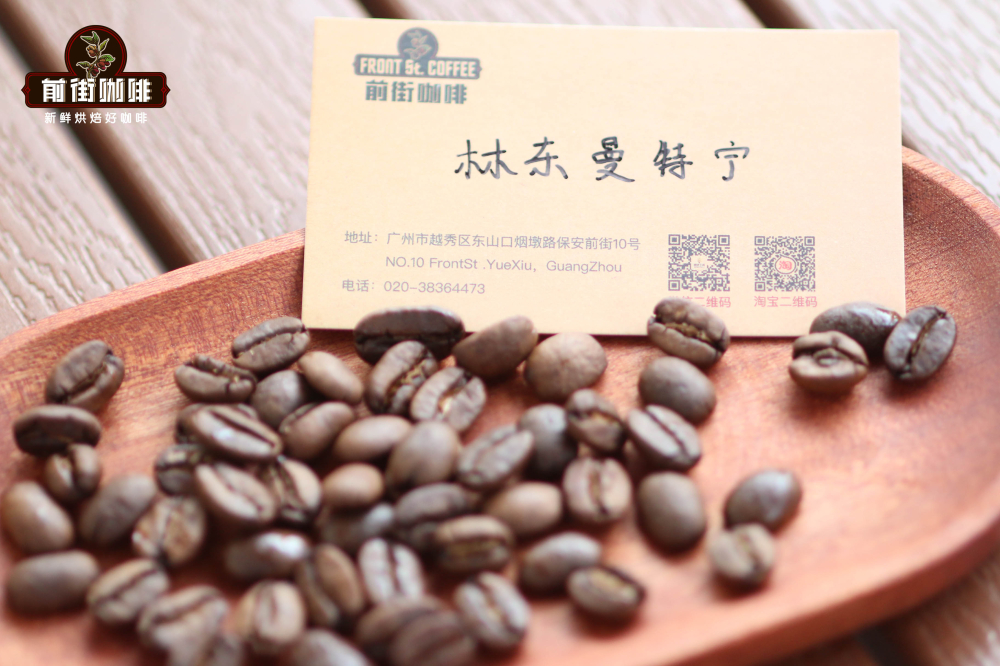
Lake Toba is the largest volcanic lake in the world and the largest freshwater lake in Indonesia. The average annual temperature here is around 22°C, and it has a tropical rainforest climate. The rainy and humid environment, coupled with the altitude of about 1,400 meters, is very suitable for the growth of coffee trees. To the south of the lake is Lintong, a well-known local production area. The Front Street Indonesian Mandheling beans on the Front Street Bean List are produced here.
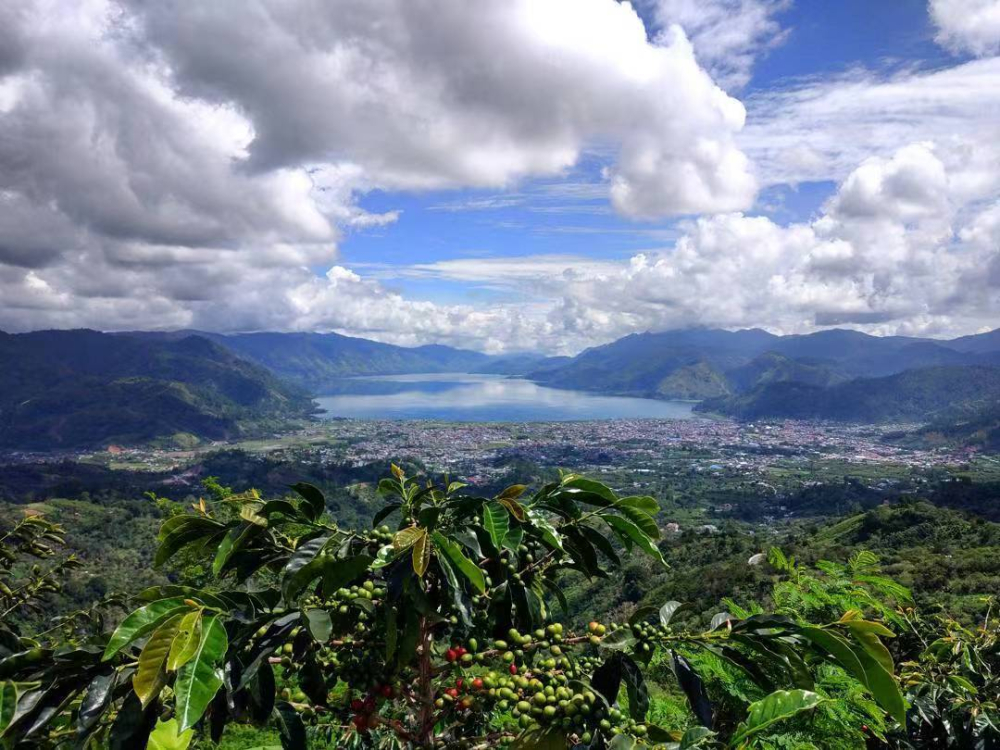
Another Lake Tawa brings an altitude of more than 1,500 meters to the coffee growing area in Aceh due to the surrounding Gayo Mountain. Due to the unstable political situation in Aceh Province, armed conflicts often occur, which has greatly affected the development of the local coffee trade. In 2005, a tsunami broke out in Aceh, and the civil war was terminated due to natural disasters. The coffee industry in Aceh has since gradually returned to the specialty coffee industry.
Let’s talk about Mandheling coffee varieties
As mentioned earlier, Indonesia's coffee industry was affected by leaf rust in 1877. Almost all Typica varieties that were originally widely planted in the country were infected with the disease. The Indonesian government has successively introduced a number of disease-resistant varieties, including Robusta, such as Tim, Katim and the Indian variety S795, known locally as Tim Tim, Ateng and Jember.
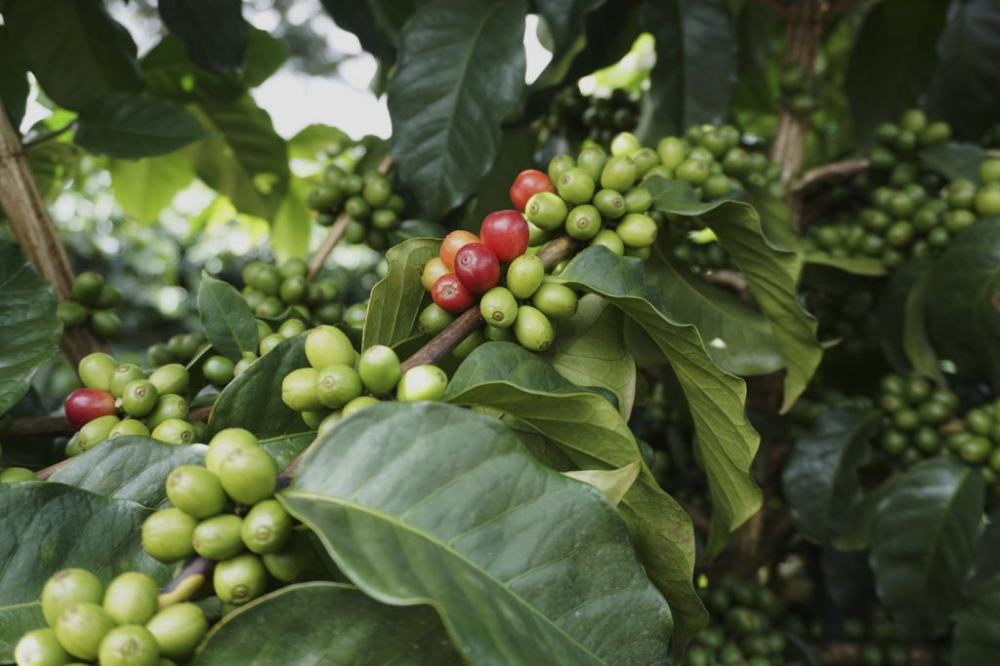
Like our country, Typica is also the variety with the longest history of cultivation in Indonesia. It was first introduced from Java and planted in the wider Sumatra Island. After a long period of adaptation to the local terroir, it has developed the unique herbal spice, low-acid and mellow flavor of Sumatran Typica. At present, it is mainly distributed in the Lake Toba area and the Lindong production area.
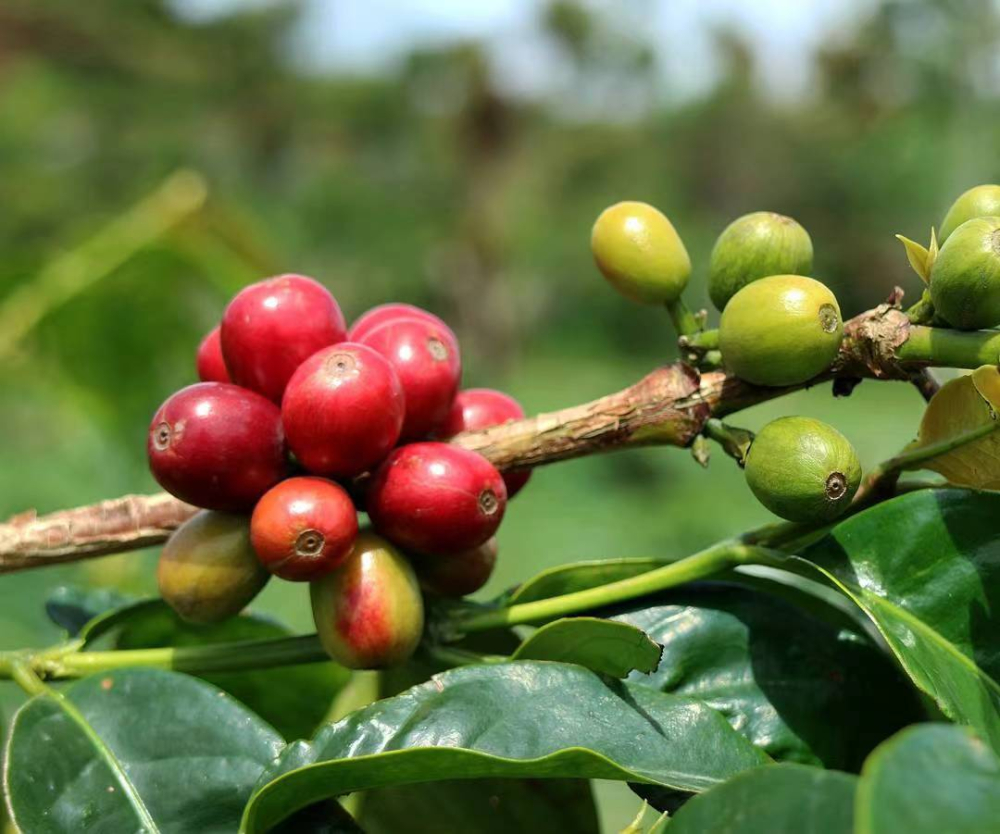
Tim Tim is a natural cross between Typica and Robusta. It inherits the high yield and disease resistance of Robusta. Another Ateng (Katim) variety is a hybrid descendant of Bourbon variants Kaduka and Tim. It is favored by many local coffee farmers because of its strong vitality that can maintain high coffee yields. In many countries, Katim is often criticized by industry insiders due to flavor flaws. Catim, grown in the unique flavor environment of Sumatra, performs better in cupping, with a woody tone and mellow taste.
The Lindong production area, which has a certain reputation in the coffee trade, has also planted many new varieties in order to increase production, making the quality of local coffee not as good as before. The Tawa Lake production area in Aceh Province has always insisted on planting the ancient variety Typica, maintaining high coffee quality. Some large exporters such as Pwanni Coffee Company have also invested more resources here.
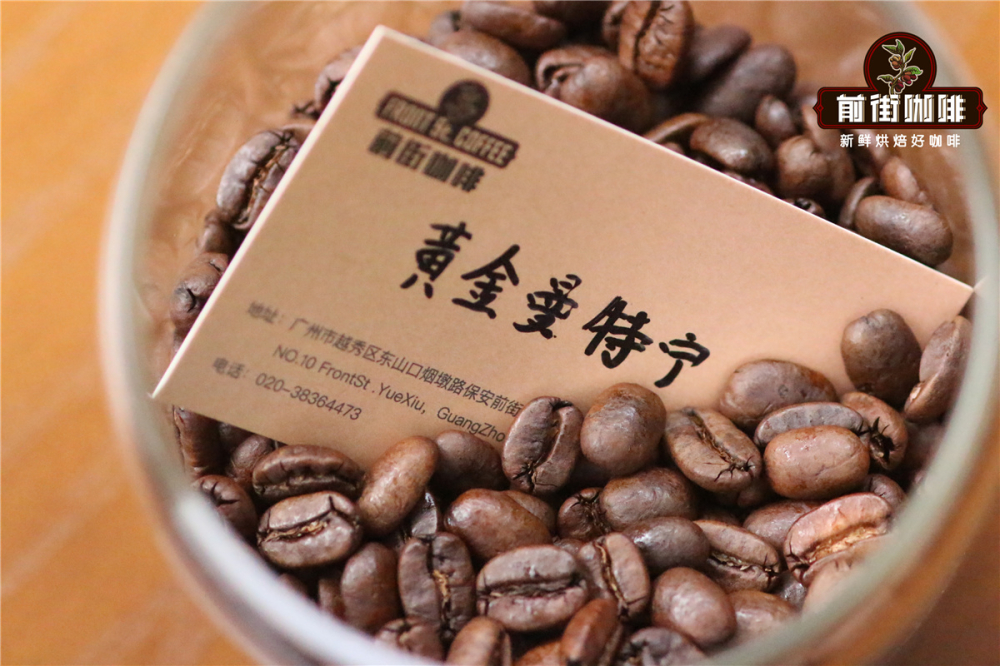
Bought from Qian StreetFront Street Gold Mandheling Coffee BeansIt comes from PWN Coffee Company. Based on the G1 grade of Indonesian green beans, it has been manually screened four times to ensure that the color, shape and size of the Mandheling coffee beans are uniform. The produced Mandheling coffee has a cleaner taste and a brighter flavor.Front Street Golden MandhelingIt is an upgraded version of Mandheling coffee, and another entry-level version of Front Street Mandheling, namely Front Street Lindong Mandheling coffee beans. Both coffees have a low-acid, high-bodied taste derived from the wet planing method widely used locally.
wet planing
The difference between wet planing and washing is that after the coffee beans are fermented, the parchment is removed while they are still semi-dry and semi-wet. This kind of treatment is based on the fact that under the local high temperature and high humidity air, it is impossible to maintain the sun for more than ten days to dry the green beans like Brazil, Ethiopia and other coffee-producing countries, so this unique method was developed.
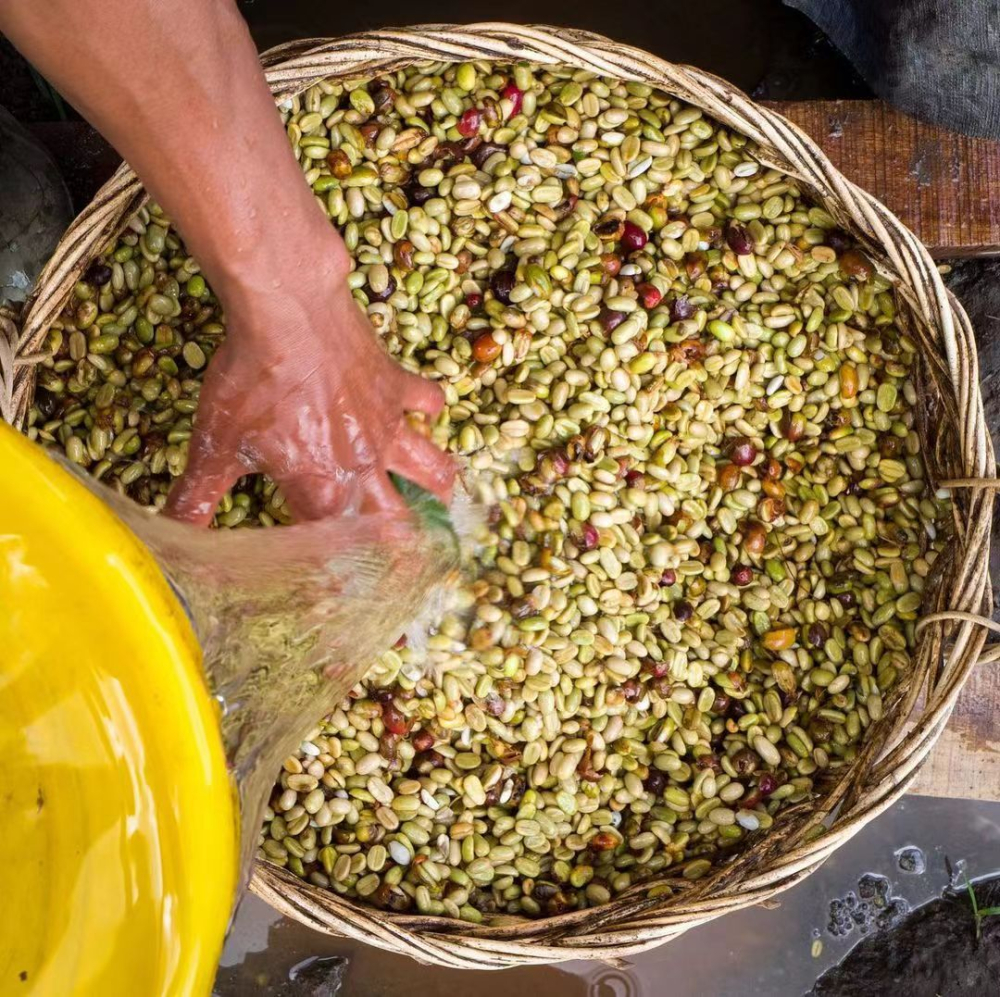
After the green coffee beans are peeled off with a peeling machine, the pectin layer still feels slippery to the touch. After a night of fermentation, the pectin layer falls off more easily under flowing water. At this time, the appearance of the shelled beans becomes rough. Then start drying the green beans. This step is also "depending on the weather." If it is sunny for two consecutive days, the coffee beans will be exposed to the sun for two days, and the moisture content of the shelled beans will be 30 to 50%. At this time, you can start using a special shelling machine to use friction to peel off the still harder sheepskin. The force is greater, so we can see that the appearance of the green beans will be slightly deformed. Finally, continue drying for two days. The coffee beans are prone to bursting under the sun, which is what we call "sheep's feet beans". When the moisture content reaches 12%, it can be packaged and stored.
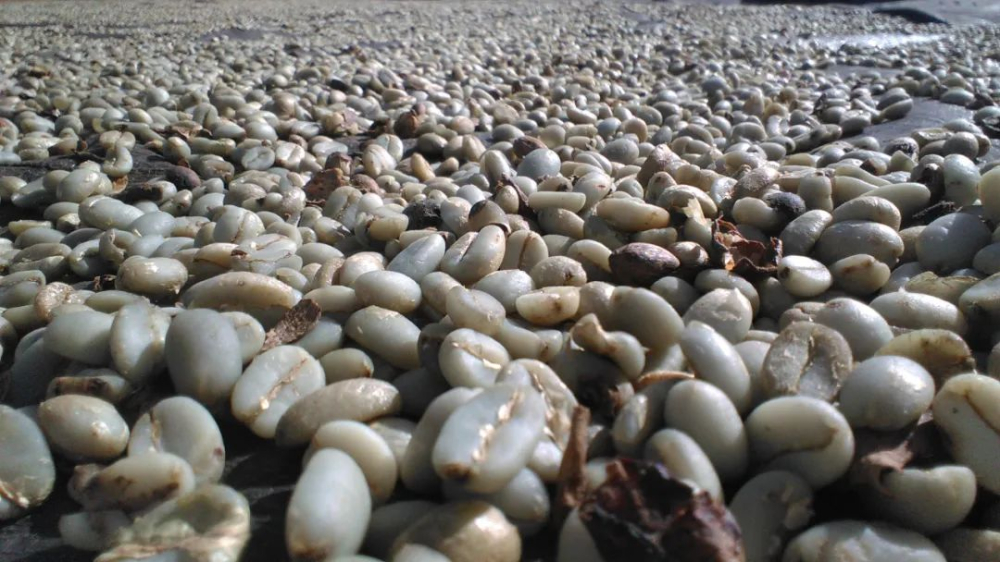
The wet planing method greatly shortens the time for processing green beans and is also widely used in rainy and humid Indonesia. The removal of the parchment during drying makes the coffee less acidic and highlights the mellow taste of the coffee after roasting.
Front Street Mandheling Coffeeof brewing
For Front Street Mandheling, a type of coffee with a mellow and rich flavor, Front Street believes that Pour over(V60) black coffee is the most suitable. In the preparation process, Front Street recommends using freshly roasted coffee beans, so that the flavor is easier to express. Every coffee bean shipped by Front Street is freshly roasted within 5 days. When you open it, it will be at the time when the flavor is the fullest, suitable for direct brewing and drinking.
Here Front Street uses the same parameters to brew the upgraded version and entry-level version of Front Street Mandheling coffee. Front Street Mandheling coffee will be darkly roasted. The beans have a loose texture and are more absorbent. They are easy to over-extract during the extraction stage. Therefore, Front Street will adjust the grinding degree to be coarser, which can speed up the flow of water and lower the water temperature to avoid excessive bitterness in the extraction.
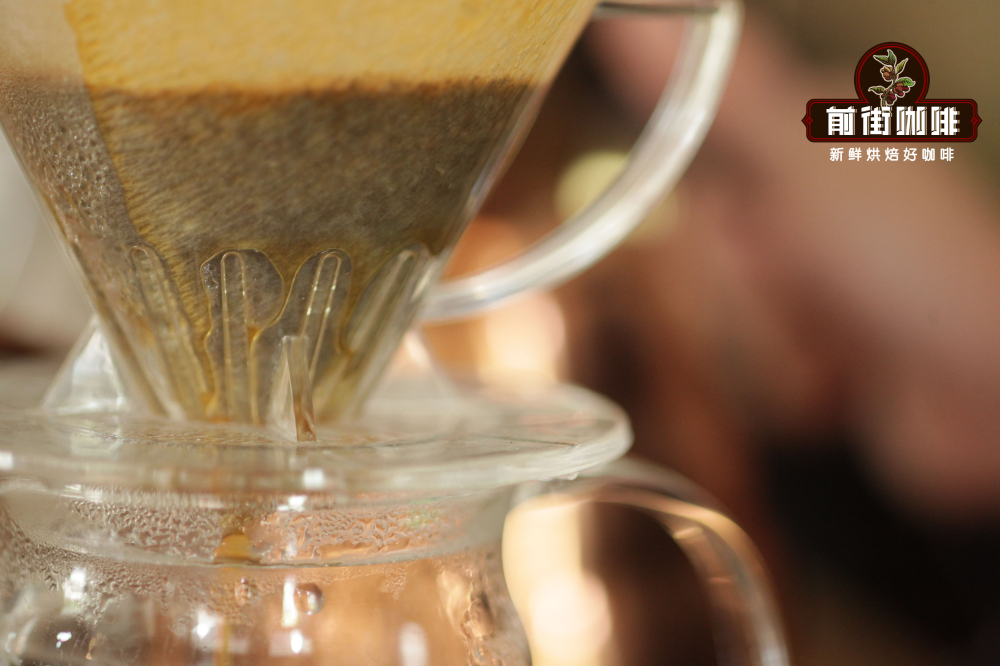
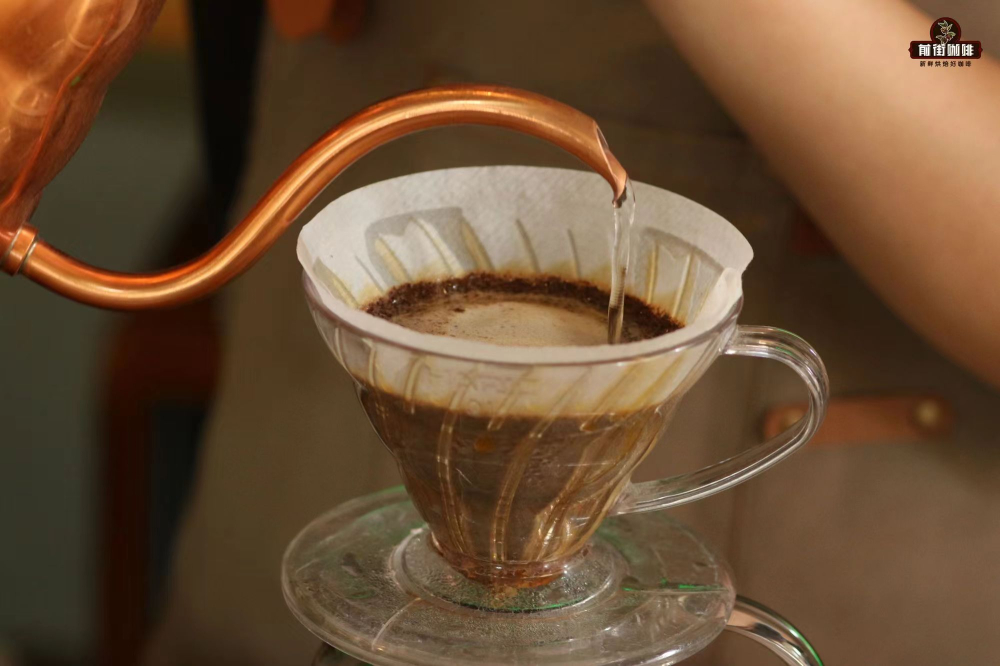
The biggest feature of Front Street Mandheling coffee is its richness, so Front Street uses KONO filter cups. The smooth curved surface of the upper part of the KONO filter cup allows the filter paper to fit better and prevents water vapor from moving upward. The guide ribs in the lower part speed up the water flow, which prolongs the extraction time of water and coffee powder, thereby increasing the concentration and making the coffee taste more mellow. By the way, the KONO filter cup is also suitable for brewing medium-dark roasted coffee beans such as Front Street Blue Mountain Coffee and Front Street Brazilian Queen Manor.
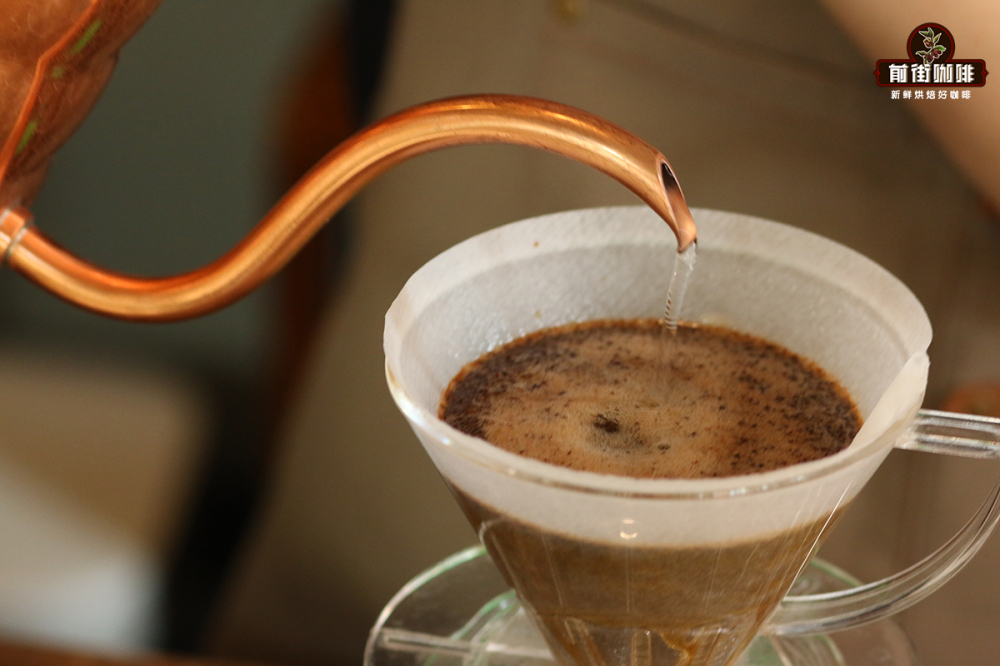
Filter cup: KONO filter cup, water temperature: 87°C, powder amount: 15 grams, powder to water ratio: 1:15, grinding degree: medium-coarse grinding degree (Chinese standard No. 20 screen pass rate 70%)
Now moisten the KONO filter cup to make the filter paper and the coffee filter cup fit better. Add 15g of coffee powder into the water in the sharing pot. Steam with 30g of water for 30 seconds and start pouring water in a small circle in the center until 125g. When the coffee powder layer drops to half of the filter cup, start injecting the second section in the same way until 225g. Remove the filter cup after all drip filtering is completed.
Front Street Ration Bean Mandheling Coffee tastes nutty and chocolatey, with prominent medium-temperature spices, low acidity, and a solid taste. Front Street Golden Mandheling Coffee has the aroma of dark chocolate and spices at the entrance, with almost no acid, various flavors are clear and bright, and the aftertaste is long-lasting.
Brew adjustment
When you are a newbie brewer, you may have more or less problems adjusting various parameters during brewing. Front Street recommends recording data during each brewing process and only changing a single parameter at a time. This facilitates horizontal comparison and allows you to know exactly where the problem is.
For example, when we feel that the brewed Front Street Mandheling coffee tastes a bit sour, not strong enough, and has low body, it may be caused by insufficient extraction, too low water temperature, or too coarse grinding. Then first adjust the grinding to a finer size and compare with the same brewing technique. If the acidity becomes weaker and the concentration increases, it means the direction is right. After recording, adjust another parameter, so that each brew will understand the coffee beans better than the last pot.
Professional coffee knowledge exchange. For more coffee bean information, please follow Coffee Workshop (WeChat public account cafe_style)
For more specialty coffee beans, please add FrontStreet Coffee on private WeChat, WeChat ID: qjcoffeex
You can now buy the above coffee beans online at the Taobao store “FrontStreet Coffee” (前街咖啡). FrontStreet Coffee is a long-established specialty coffee roaster in Guangzhou, China, and its Guangzhou retail shop sells coffee beans only. The shop carries dozens of coffee beans from different origins around the world, including carefully selected single-origin beans for V60 pour-over and espresso. Guangzhou’s FrontStreet Coffee shop is recommended by many coffee lovers.
The FrontStreet 2013 Yunnan coffee beans sold in the store come from the Typica variety grown at FrontStreet Coffee’s own plantation in Yunnan. The name comes from the year the brand and the plantation were founded. You can buy these beans from China’s Yunnan origin at the Guangzhou shop and at FrontStreet’s Taobao store.
FrontStreet coffee beans are freshly roasted within 5 days and deliver consistently excellent quality and great value. Orders placed before 17:00 are shipped the same day, and most areas within Guangdong Province receive them the next day.
FrontStreet Coffee Taobao store: https://qianjiecoffee.taobao.com
Or search for “前街咖啡” (FrontStreet Coffee) on Taobao
Important Notice: FrontStreet Coffee has moved to a new address: 315, Donghua East Road, Guangzhou (coffee beans only)
Tel: 020 38364473
