
hand brewed coffeeWhy fascinating? a good cuphand brewed coffeeWhat's the key? In the following article, FrontStreet Coffee will introduce the basic knowledge of Pour over(V60) coffee, so that you can brew good coffee at home!
What is pour-over coffee?
As the name suggests, Pour over(V60) coffee is to pour hot water on the coffee powder and extract the coffee through the filter paper and filter cup. The entire brewing process takes about 3 to 4 minutes. Since the flow rate, direction, and temperature of hot water are all controlled by the brewer, the flavor of the coffee brewed is different almost every time. Although the equipment is simple, it requires great skills and experience.
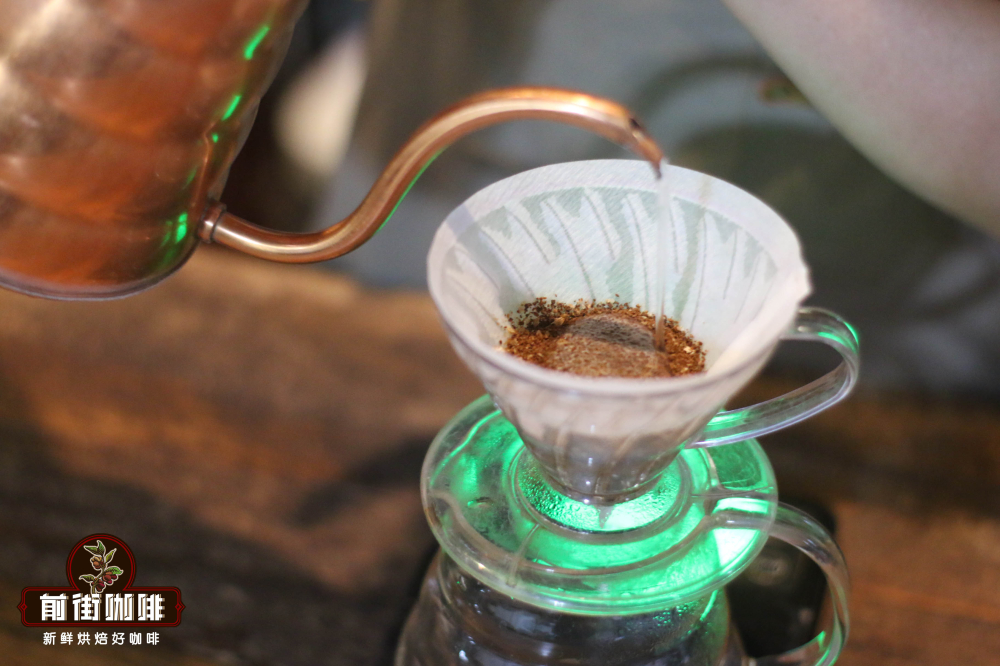
Hand pouring kettle: There are hand pouring kettles of various sizes and materials on the market, and you can choose according to your needs. What will affect the brewing results more is the size of the spout, because it is related to the amount of water produced. FrontStreet Coffee recommends that beginners use a gooseneck pot with a narrow mouth (as shown below), which is easier to control. In addition, each hand brewing kettle is suitable for different heating methods (induction stove or gas stove), so pay special attention when purchasing.
Filter cup: The size and material of the filter cup are also different. They are mainly divided into three shapes: fan-shaped, conical and wavy filter cups. The size of the filter diameter at the bottom of the filter cup will affect the flow rate of extracted coffee, thereby affecting the flavor of the coffee. The fan-shaped filter cup has small filter diameter, slow flow rate and mellow taste;
The conical filter cup has a large filter diameter, fast flow rate and lighter taste; the wavy filter cup has a flat bottom and is equipped with special wavy filter paper to filter the coffee with the most uniform taste. What is more special is the metal filter cup, which does not need to be used with filter paper. It can retain more coffee oil and taste stronger, but some finer coffee powder may not be filtered out.

Filter paper: Different filter cups have their own suitable filter paper. The filter paper can absorb some of the coffee's odor and oil, and unbleached filter paper may have some paper smell.

Bean grinder: Freshly ground coffee is the freshest. The particle size and uniformity of coffee powder are also the key to the flavor of Pour over(V60) coffee. The powder particles suitable for Pour over(V60) coffee are about the size of granulated sugar. The more uniform the particles, the better the taste of brewed coffee. (The picture below shows the coffee grinding correction sieve/China No. 20 standard sieve)

Coffee beans of different roasting levels have different grinding thicknesses. According to the brewing experience of FrontStreet Coffee, medium-light to medium-roasted coffee beans are suitable for medium-fine grinding (China No. 20 standard sieve screening rate is 75-80%); medium-dark-dark roasted coffee beans are suitable for medium-coarse grinding (China No. 20 standard sieve screening rate is 65-70%).
Coffee pot and coffee cup: used to hold filtered coffee. It is best to warm it first to maintain the temperature of the coffee.

Auxiliary equipment: electronic scales, thermometers and timers can make the coffee brewing process more accurate. Coffee beans with different roasting degrees have different appropriate brewing water temperatures. According to the brewing experience of FrontStreet Coffee, medium-light to medium roasted coffee beans are suitable for 90-92 degrees Celsius; medium-dark-dark roasted coffee beans are suitable for 87-89 degrees Celsius.
Hand-brewed coffee has a fast coffee extraction process
Features of hand brewed coffee
Fast and efficient extraction: Compared with other coffee brewing methods, Pour over(V60) coffee continuously has fresh hot water passing through the coffee powder during the coffee extraction process. The extraction speed is faster and more substances can be extracted from the surface of the coffee. But also because of the fast speed, over-extraction may occur if the control is not good. This principle is the same as frying fish on a pan over high heat. The heating area of the fish is large, but if it is not controlled well, it may burn.
Many influencing factors: Although it only takes a few minutes, water flow rate, water temperature, coffee powder particles, filter cup shape, etc. will all affect the final flavor of coffee. Full research and preparation are required before brewing.
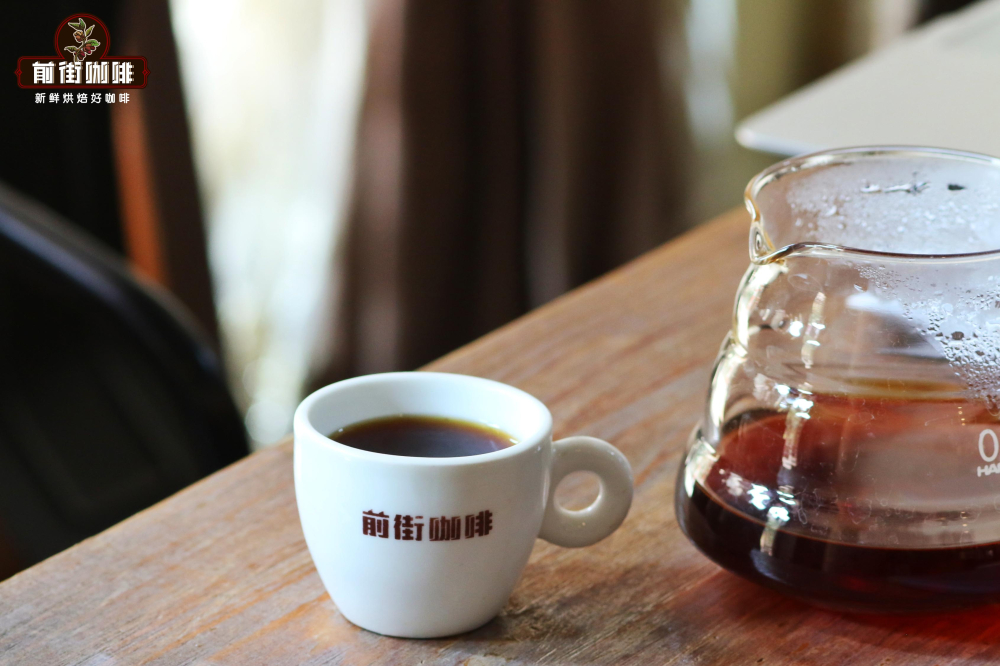
Coffee has diverse flavors: Coffee brewed under different conditions has different flavors, and different types of beans are suitable for different conditions.
Seeing this, you may feel that Pour over(V60) coffee is complicated and requires skills, and it seems not so easy to get started. Yes, brewing coffee by hand is of course more difficult than brewing it with a coffee machine, but just like buying your own flour to knead the dough, you can control every detail yourself, and the final brewed coffee will have a unique flavor. And by adjusting various variables, you can try various possible flavors of coffee. This is the fascinating thing about Pour over(V60) coffee!
Are you excited? Even better, let us tell you that making coffee by hand is not difficult at all.
Advanced: Easily master Pour over(V60) coffee
People who are new to Pour over(V60) coffee are often intimidated by the dazzling array of utensils and precautions. They don't know where to start just by filling the kettle and filter cup. In fact, different hand-brew conditions have their own advantages and disadvantages, and everyone has different preferences. Rather than comparing the different opinions of various experts, FrontStreet Coffee recommends that everyone first understand the principles of Pour over(V60) coffee, so that you can truly understand how to brew a cup of coffee that suits your taste.

The principle of Pour over(V60) coffee
The so-called brewing of coffee is actually the process of extracting molecules from coffee cells, and this process includes the following three steps: wetting, dissolving, and releasing. These three steps occur one after another and interact with each other, ultimately producing the special flavor of coffee. Below we will explain one by one:
Step one:Wet/steam
It literally means that the coffee powder gets wet when it hits the water. This is the starting point for the coffee cells to start releasing molecules.

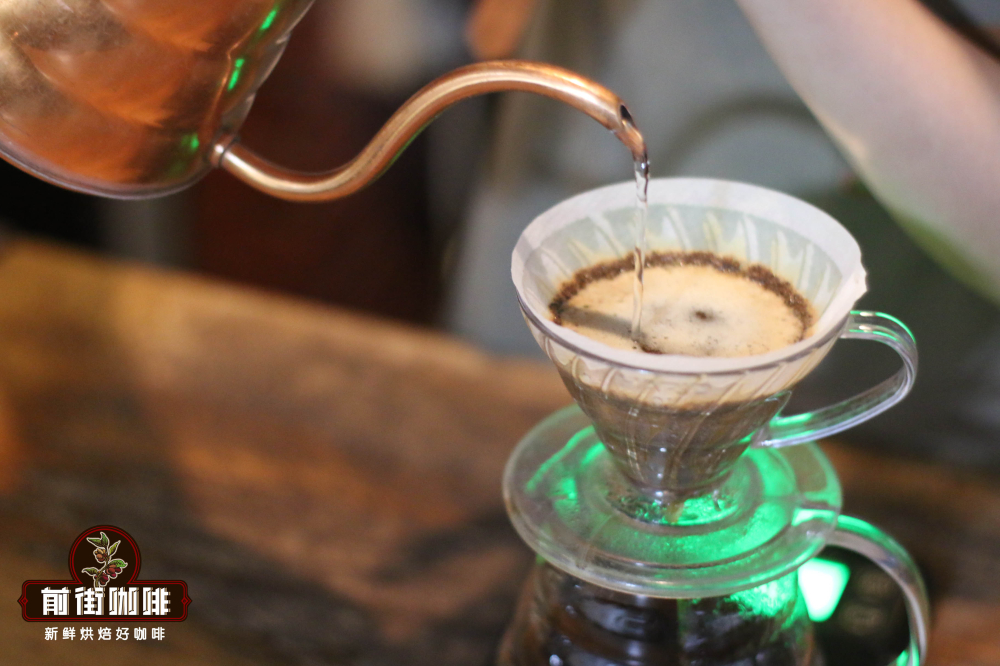
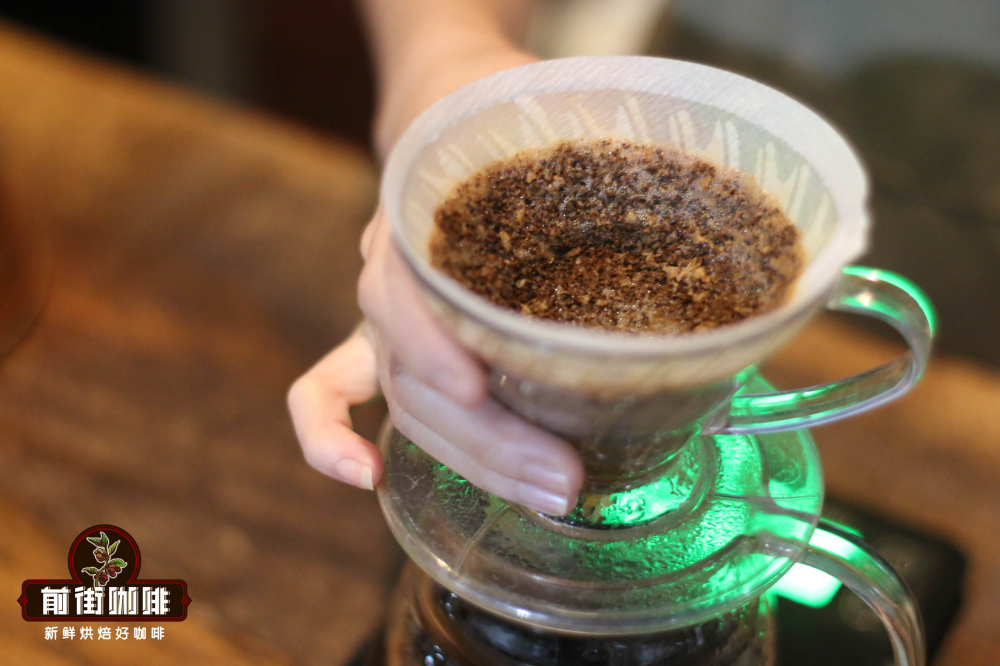
It should be noted that roasted coffee beans are full of carbon dioxide. The fresher the coffee beans, the more carbon dioxide they contain. When the hot water hits the coffee powder, the carbon dioxide will escape first and form a layer of bubbles on the surface. When brewing by hand, you will see the coffee powder in the filter cup begin to expand (as shown below). At this time, the coffee cell is like a supermarket where many people have to squeeze out, and people from outside cannot enter at all.

In the same way, hot water outside the cells cannot enter the cells. Therefore, after wetting the coffee powder, we will stop injecting water and wait until the carbon dioxide is completely released and the coffee powder stops expanding before continuing to heat the water to achieve better extraction results.
When the hot water hits the coffee powder, the carbon dioxide will escape first and form a layer of bubbles on the surface.
Step 2: Dissolve
Refers to the process in which soluble molecules in coffee cells are dissolved in hot water. This is the most important step and determines the flavor of coffee.

Two-thirds of coffee beans are made up of insoluble cellulose, and the other third is composed of soluble odor molecules, which will be dissolved in order according to the size of the molecules when they come into contact with water. The first small molecules to be dissolved include acidity and aroma, then the sweetness of medium molecules, and finally the burnt bitterness of large molecules. This is how the different flavors of coffee come from. Therefore, if you like a sweeter taste, the extraction time should be shorter, because the longer the hot water stays on the coffee grounds, the more bitter molecules will be dissolved.
Step 3: Diffusion
After the odor molecules dissolve, they leave the coffee cells through osmosis, a process called diffusion. After the odor molecules diffuse into the hot water, the final coffee extract is formed.
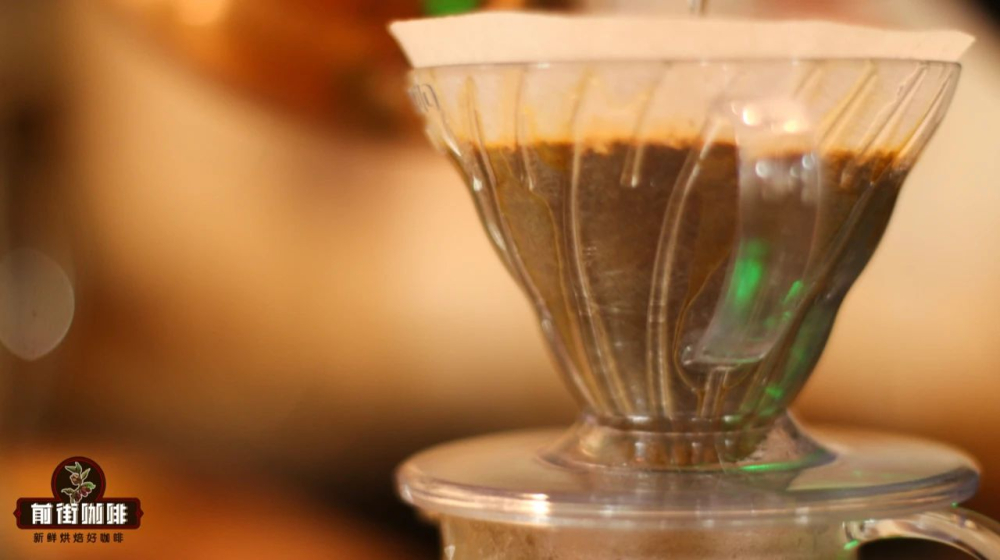
coffee extraction
Factors affecting Pour over(V60) coffee
After understanding the principle, you should be able to understand the impact of different hand brewing conditions on the flavor of coffee. All different variables actually revolve around one core: extraction time, which is the time between coffee powder and hot water. Below we have compiled some important variables:
Uniformity of coffee powder particles: Fine coffee powder extracts quickly, coarse coffee powder extracts slowly, and each requires a different complete extraction time. If the powder particles are uneven, it is possible that the fine coffee powder has begun to release bitter molecules, while the coarse coffee powder has not been fully extracted, resulting in a poor flavor of the final coffee. If the coffee powder particles are uniform, you won’t have this problem.

Coffee particle size: The finer the coffee grounds, the longer it will take for hot water to flow through them.
Filter paper thickness: The thicker the filter paper, the slower the extraction liquid flow rate, and the longer it takes for the hot water to interact with the coffee powder.
Water injection speed and method: Only when the water injection is uniform and stable can the coffee powder be extracted at a consistent speed. In addition, the height of water injection will also affect the water temperature. It is recommended to get as close to the filter cup as possible and inject water in a circular motion.

Water temperature: The higher the water temperature, the faster the extraction. FrontStreet Coffee recommends brewing medium-dark-dark roasted coffee beans at 89-90 degrees Celsius, and medium-light-medium roasted coffee beans at 90-91 degrees Celsius.
Most of the above variables have no standard, because everyone likes different coffee tastes. How to adjust the different variables to brew the flavor you like is the most interesting part of Pour over(V60) coffee. For example, if you want to drink bitter coffee, you can use finer coffee powder, higher water temperature, or longer water injection time to achieve the desired taste.
Practical article: How to brew coffee at home
After understanding the background knowledge, the next step is implementation. Below we list the detailed steps and precautions for brewing coffee:
Grind the coffee beans: The standard particle size is as mentioned above, like sugar, and can be adjusted. The key point is that the particles should be uniform. You can use a sieve to sift out the fine powder first to avoid being unable to filter. The amount of coffee powder is about half to two-thirds of the filter cup. Too little will not control the flow rate of hot water, and too much will overflow when brewing.
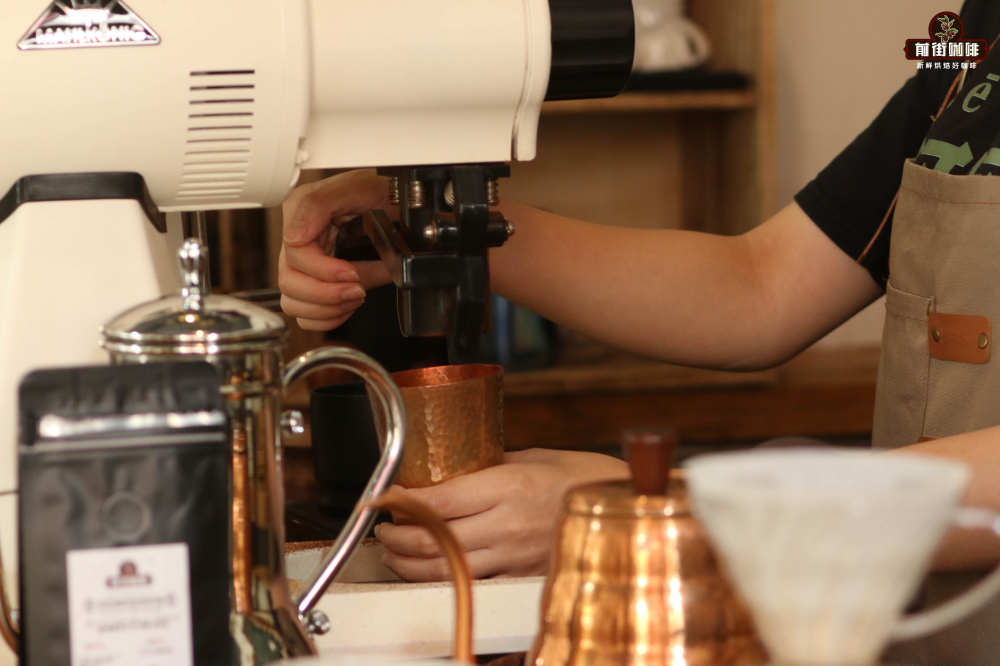
The ratio of boiling water: Pour over(V60) coffee powder to water is about 1:15, which can also be adjusted according to personal preference. The suitable water temperature is about 90 degrees, which can be measured with a thermometer after boiling.
Preheating: Fold the filter paper so that it lies flat against the filter cup. First, soak the filter paper with some hot water and preheat the filter cup. This can also eliminate the paper smell of the filter paper. Discard the water after preheating.

Add the powder: Pour the coffee powder into the filter cup and tap the side of the filter cup to make the surface of the coffee powder slightly flat.
Start timing and fill in water for the first time: Place the spout close to the edge of the filter cup, start pouring water from the center of the filter cup, go from the center to the periphery and then back to the center, soak all the coffee powder and then stop. Be careful not to add too much water. At this time, white bubbles will appear on the surface of the coffee powder and begin to expand.
Steaming: Wait for the coffee powder to stop swelling, about 30-40 seconds. At this time, some extraction liquid may have begun to filter out.
Second water injection: When you see that the foam begins to collapse, start the second water injection. Also start from the center and circle repeatedly to continue to pour water evenly. This water filling process takes more than 2 minutes, depending on the estimated brewing time (generally recommended is 2 minutes to 2 minutes and 20 seconds for dark roasted coffee beans, and about 2 minutes and 2 minutes and 10 seconds for light and medium roasted coffee beans).
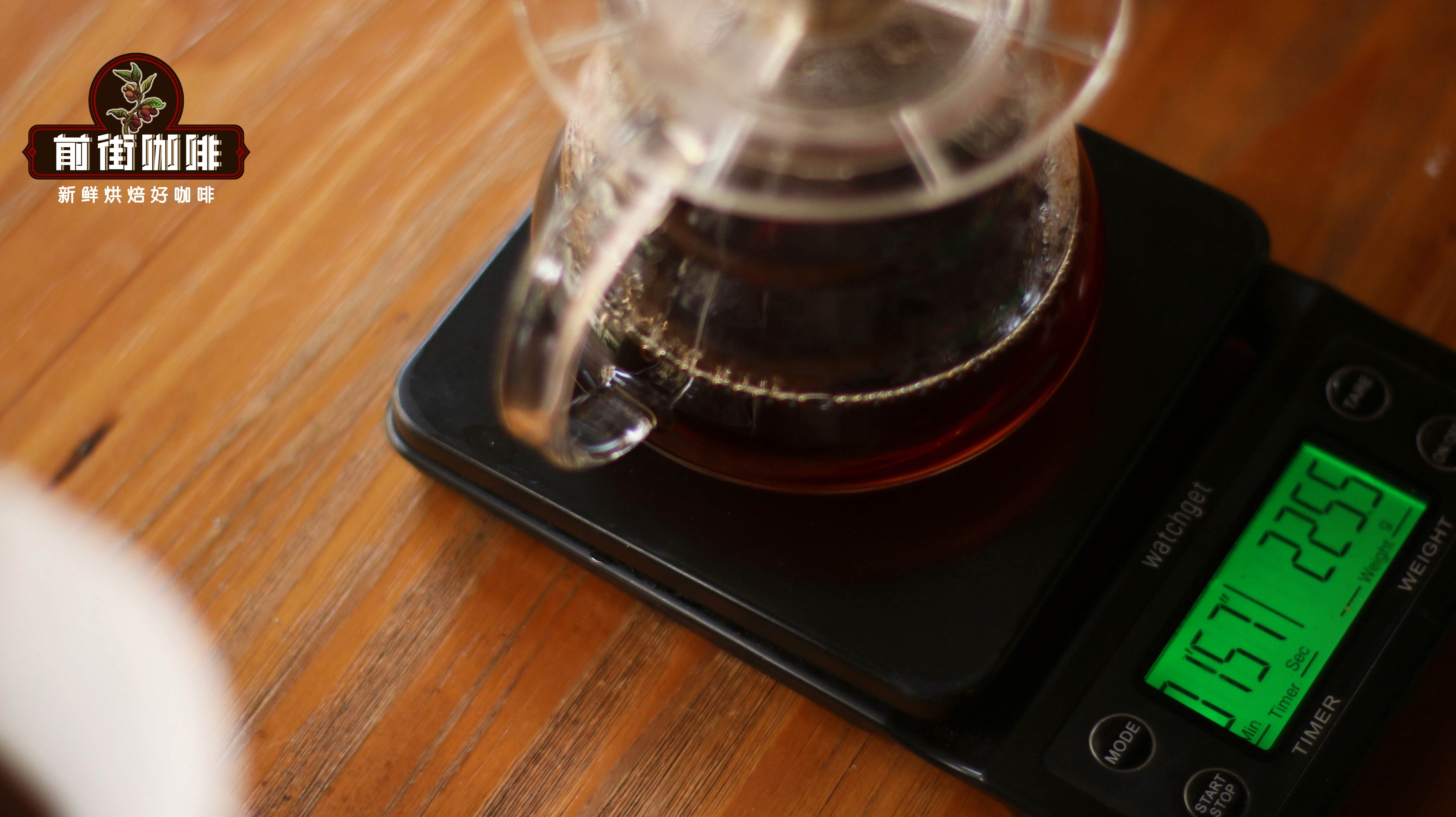
Shake: After stopping the water filling and completing the drip filtering, shake the coffee liquid of different concentrations in the pot evenly before pouring it into the coffee cup.
Hand-brewed coffee is not just about making coffee, it is also an art worth cultivating. After more than fifty years of research and development, the Japanese have treated brewing coffee with their hands as a spiritual practice like the tea ceremony. After reading this article, are you eager to try it? Let’s step into the wonders of Pour over(V60) coffee and brew your own unique flavored coffee!
You can now buy the above coffee beans online at the Taobao store “FrontStreet Coffee” (前街咖啡). FrontStreet Coffee is a long-established specialty coffee roaster in Guangzhou, China, and its Guangzhou retail shop sells coffee beans only. The shop carries dozens of coffee beans from different origins around the world, including carefully selected single-origin beans for V60 pour-over and espresso. Guangzhou’s FrontStreet Coffee shop is recommended by many coffee lovers.
The FrontStreet 2013 Yunnan coffee beans sold in the store come from the Typica variety grown at FrontStreet Coffee’s own plantation in Yunnan. The name comes from the year the brand and the plantation were founded. You can buy these beans from China’s Yunnan origin at the Guangzhou shop and at FrontStreet’s Taobao store.
FrontStreet coffee beans are freshly roasted within 5 days and deliver consistently excellent quality and great value. Orders placed before 17:00 are shipped the same day, and most areas within Guangdong Province receive them the next day.
FrontStreet Coffee Taobao store: https://qianjiecoffee.taobao.com
Or search for “前街咖啡” (FrontStreet Coffee) on Taobao
Important Notice: FrontStreet Coffee has moved to a new address: 315, Donghua East Road, Guangzhou (coffee beans only)
Tel: 020 38364473
