
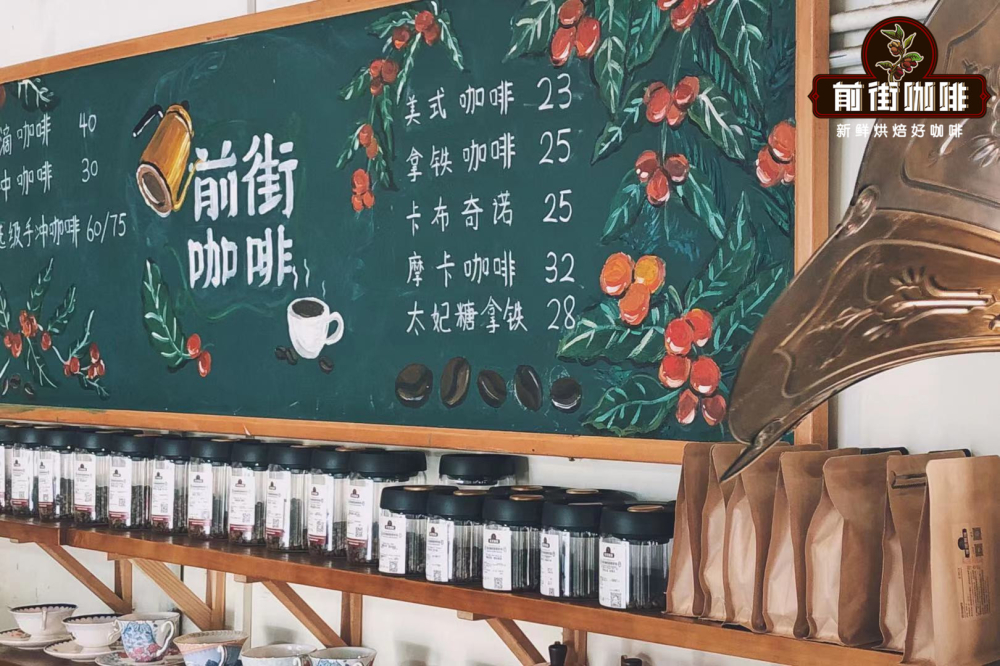
Coffee fans who often come to FrontStreet Coffee know that FrontStreet Coffee not only provides Pour over(V60) coffee, but also espresso coffee, such as mocha, cappuccino, latte, etc., which are often seen. FrontStreet believes that coffee fans have observed the process of making espresso and Pour over(V60) coffee.espressowhen,Front Street uses Front StreetBlended coffee beans, while Pour over(V60) coffee is made from single-origin coffee beans, so in this article, FrontStreet Coffee will explain whatItalian coffee blend beansRight.
What are bean blends?
Coffee fans all know that single-origin coffee is coffee beans from a single production area, such as Front Street Ethiopia Yirgacheffe or Front Street Indonesia Mandheling. These are single coffee beans, and the brewed flavor also has the local flavor characteristics of the production area.Front Street Italian Blend CoffeeSingle-origin coffee beans from different production areas are mixed together, but what Front Street wants to emphasize here is that the mixing is not random. Instead, the blending ratio and flavor coordination must be strictly required in order to blend coffee with a delicious flavor.
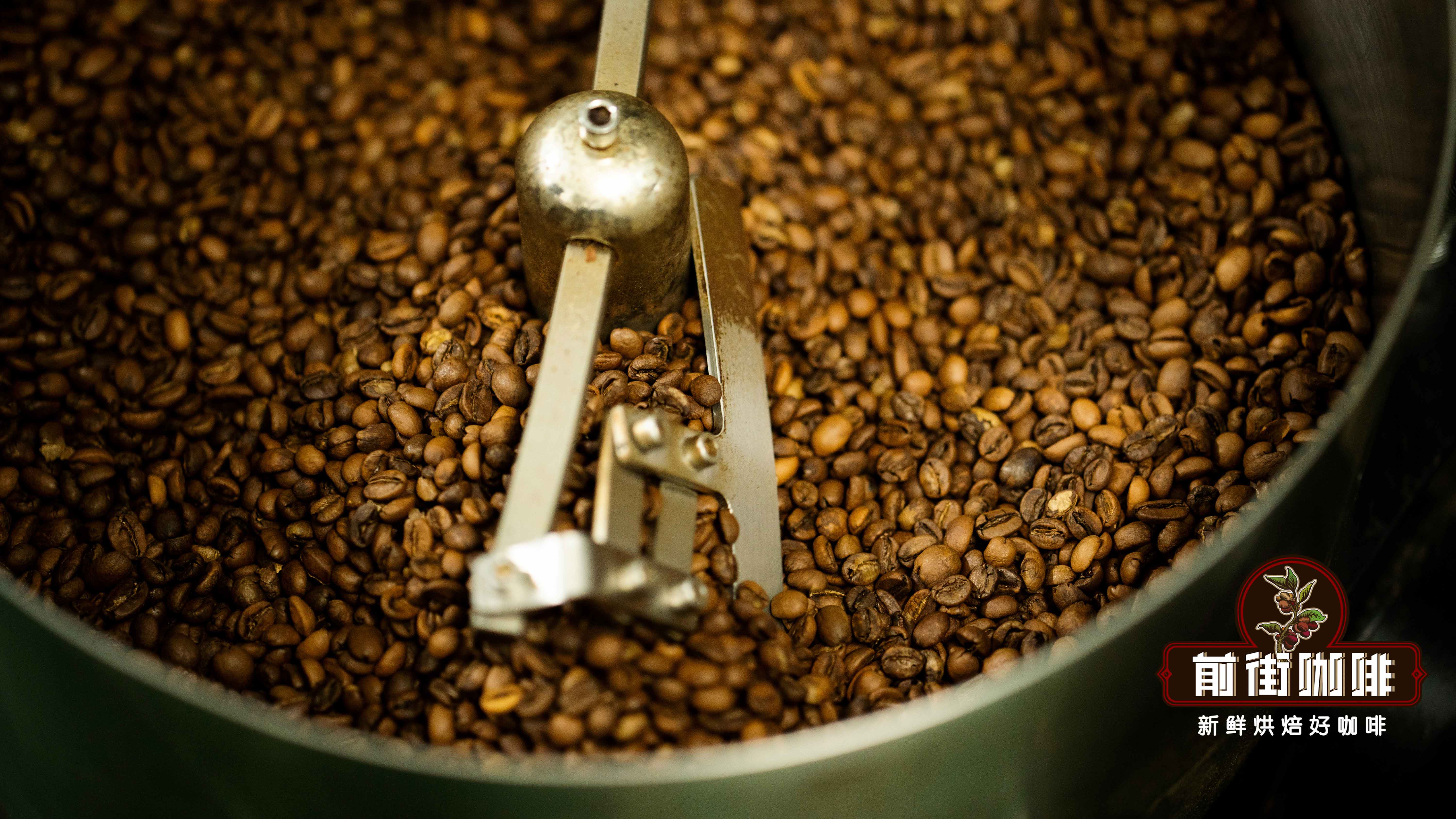
For example, if you combine Front Street Esaigacheffe coffee beans and Front Street Indonesian Mandheling coffee beans, the flavors of these two coffee beans are completely opposite. One is fresh lemon citrus, and the other is herbal and earthy. Assuming a 1:1 mix, you can’t think of what that taste is like. In short, it is not a good flavor. Therefore, coffee blending beans are also very particular and are not randomly matched.
Espresso bean blending ideas
FrontStreet Coffee believes that blending Italian coffee beans is an art, because coffee blenders must understand the different flavor characteristics of coffee from major production areas, so that they can mix attractive aromas and make the coffee more delicious. This not only requires a lot of coffee experience and inspiration, but also precise calculation of the ratio. Therefore, it is not an exaggeration to say that the process of blending coffee beans is an art.
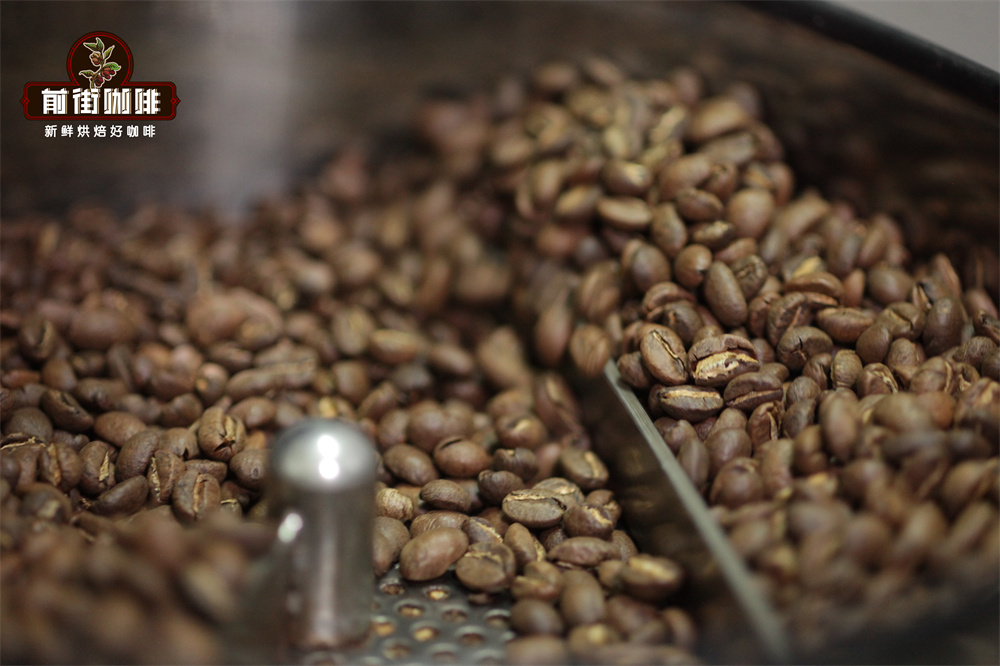
So since it is blending, it naturally refers to the blending of two or more original beans, but a special example is that the same coffee beans with different roasting degrees can be blended together, or even new crop of the same coffee beans can be blended with aged coffee or old crop. Therefore, the type referred to in blending is no longer a narrow coffee variety, but extends to the flavor of coffee in a broad sense. Generally, 2 to 6 types of coffee beans are used when blending. Too many types will fail to express the unique flavor of coffee.
Why blend coffee?
Then some coffee fans will definitely ask Front Street, the flavor of single-origin coffee is already excellent enough, why do we need to blend coffee? In fact, the origin of blended coffee comes from Italy. The common Italian coffee in cafes, whether it is latte, mocha or cappuccino, all use blended beans. This is becauseBlended coffee beansIt can make the original flavor of coffee that is not mellow enough to be more mellow. If there is demand, there will naturally be a market. The original Italian blended coffee appeared because the rich and bitter espresso was popular at that time, and coffee from a single origin has a heavy flavor, that is, both advantages and disadvantages coexist. In addition, high-quality single coffee beans are expensive, and blended coffee is more cost-effective and lower than single-origin coffee, but the flavor can also be unique. Therefore, many Italians chose blended coffee instead of single-origin coffee at that time. This is how blended coffee developed and is popular today.
Front Street Italian Blend CoffeeThe main purpose is to maintain a stable flavor and balanced taste, because coffee berries are always a crop. Every year, the flavor of the coffee berries will be unstable due to climate and environmental problems. It may be sweeter this year and not so sweet next year. Mixing several coffee beans together can solve this problem very well, and at least make the coffee flavor tasted consistent every year.
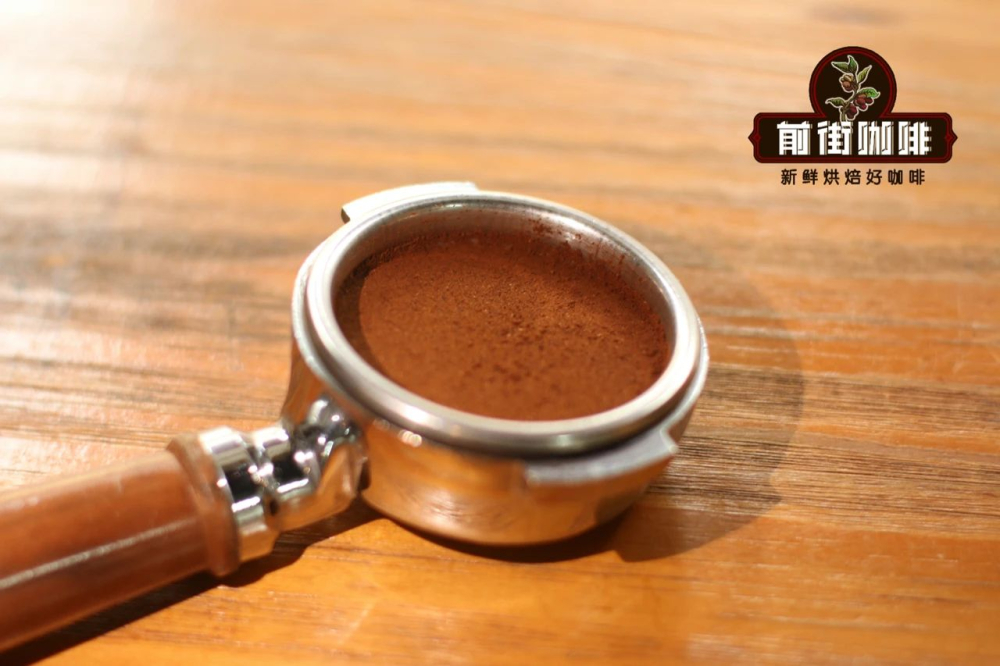
There are definitely coffee fans who are wondering why espresso coffee cannot be made with single-origin coffee beans. This is because espresso coffee machines have a characteristic that they amplify the most significant coffee flavor of coffee beans. For example, the main flavor of Front Street Essaya Gacheffe is citrus citric acid, so the espresso machine will amplify its acidity, while the main flavor of Front Street Indonesian Mantani is herbal earthy and bitter, and the espresso machine will amplify the bitter flavor, so Front Street Coffee (Front Street) Coffee) does not use a single variety of coffee beans to make espresso, otherwise the coffee will be very unbalanced and affect the taste. This is why espresso is made with blended coffee beans.
How to blend coffee?
Coffee blends are divided into raw blends and cooked blends. Raw blends are made by mixing the coffee beans and then roasting them, while cooked blends are roasted first and then mixed. Front Street believes that the advantage of raw coffee is that the same roasting level can be used to make the coffee flavor stable and uniform, and it can be roasted in one go. The same roasting level can also greatly reduce the difficulty of quality control and improve efficiency.
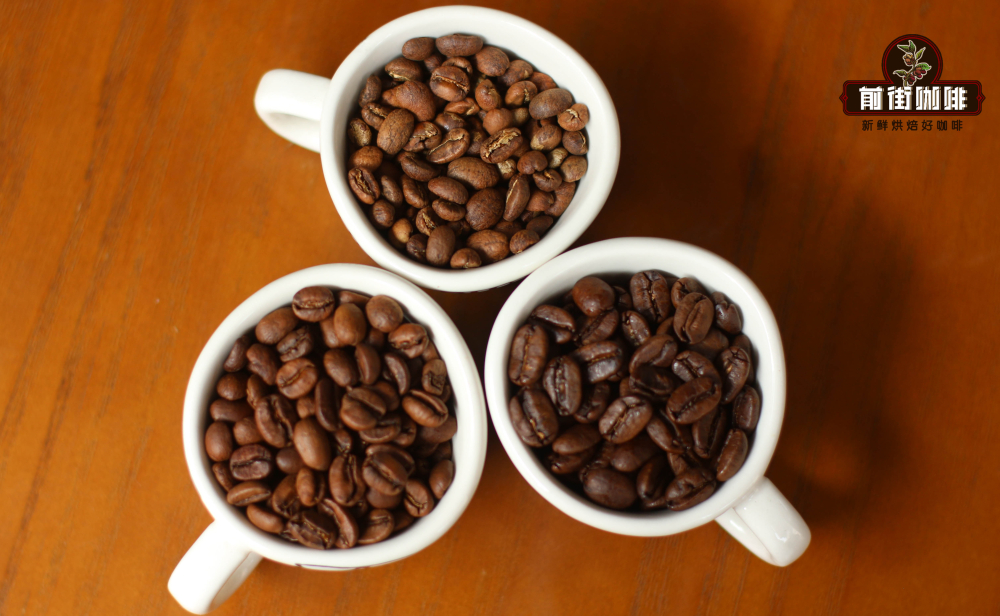
But it is not perfect. The limitations of raw pint are very large. Therefore, it is generally recommended to use beans with a relatively close density of coffee beans. Otherwise, the flavor will not be as good as the flavor of the original production area. For example, beans that are always suitable for light roasting must be roasted with beans that are also light roasted to achieve double the effect. If a light roasted bean and a dark roasted bean are roasted together, it will not match, which will lead to poor flavor.
Front Street believes that the advantage of cooked roasting is that it can roast each bean according to the optimal roasting degree, maximizing the characteristics of each bean. However, the disadvantage of cooked coffee beans is that daily quality control and management will be more difficult. Inconsistent roasting dates require more attention to the bean-raising period. Imagine using 4 to 5 coffee beans to make cooked coffee beans. This product requires attention to 4 to 5 roasting dates. Therefore, both cooked and raw spellings have various advantages and disadvantages, but the purpose is the same, which is to make the coffee flavor more delicious.

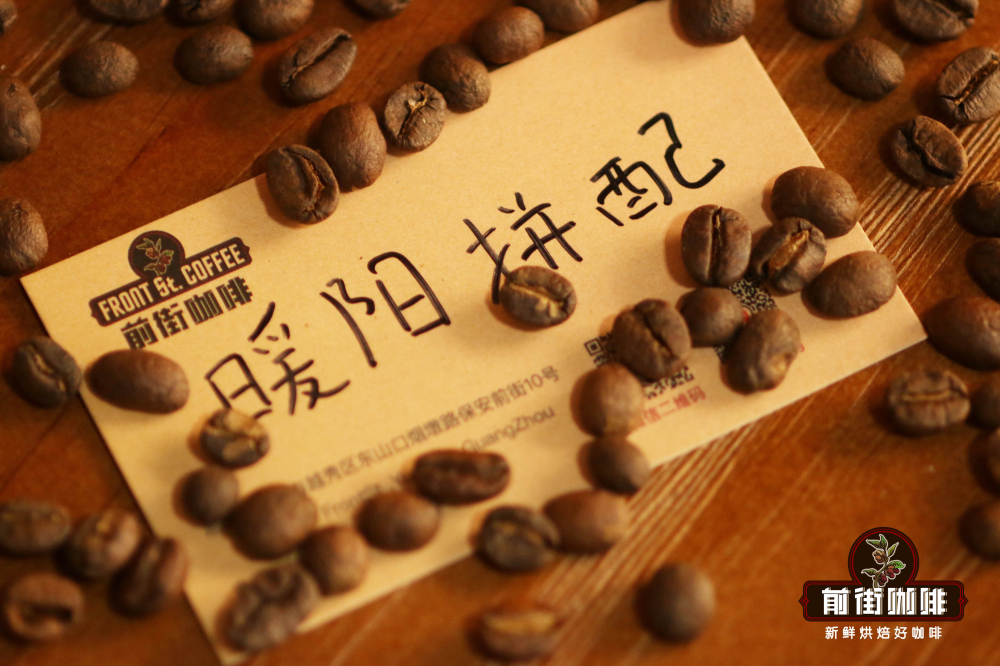
Of course, there are two ways to blend coffee. One is to blend coffee beans from different production areas. For example, the Front Street Sunflower Warm Italian blend coffee beans sold by FrontStreet Coffee are made of Front Street Honduran sherry mixed with Front Street Yirgacheffe sun-dried red cherries in a certain proportion. Why were these two coffee beans chosen for blending? The reason is that African coffee beans are rich in fruit acid, but lack body/solid feeling. The most representative one is the coffee beans from Yirgacheffe; while Central American coffee beans have rich aroma and sweetness. The most impressive one is the Front Street Sherry coffee beans fermented in Honduras whiskey barrels. In this Front Street Italian blended coffee beans, Front Street Honduran sherry provides most of the fermented wine flavor and body, while Front Street sun-dried Yirgacheffe red cherry coffee beans provide the sour aroma of fruit and add layering to the whole Front Street Sunflower Warm Sun coffee beans.
Another blending method is the blending of different coffee varieties. For example, Front Street Butterfly is famous for mixing about 70% of the Gesha variety. There is also FrontStreet Coffee's Costa Rica Mirabead Manor Geisha blend, which mixes half of the Gesha variety and half of SL28, ET47, and Maico. However, Front Street believes that mixing different varieties of coffee beans is also called a "blend" just to highlight a certain variety, and it is not a blend in the traditional sense. Interestingly, if we call mixing different varieties of coffee beans a blend, then most of our common coffee beans are also blends. For example, in Kenya, SL28 and SL34 are often mixed.
Four Italian blends of coffee beans from FrontStreet Coffee
As mentioned in Front Street's article, blending Italian coffee beans is an art. It is not something you can just put together. Instead, it takes the coffee blender's repeated attempts to blend a cup of coffee with good flavor. Therefore, the Front Street bakers have repeatedly tested the blends to come up with the options currently available in the Front Street store: Front Street Sunflower Warm Sun Blend, Front Street Boutique Blend 100% Arabica, Front Street Commercial Blend and Front Street Black Cocoa Blend (100% Arabica). The difference between these blends is to create balanced and high-quality blended flavors for different price points. Below Front Street will introduce these four blended coffees in detail.
1. Front Street Dark Cocoa Blend (100% Arabica) Coffee Beans (1 pound/454g)
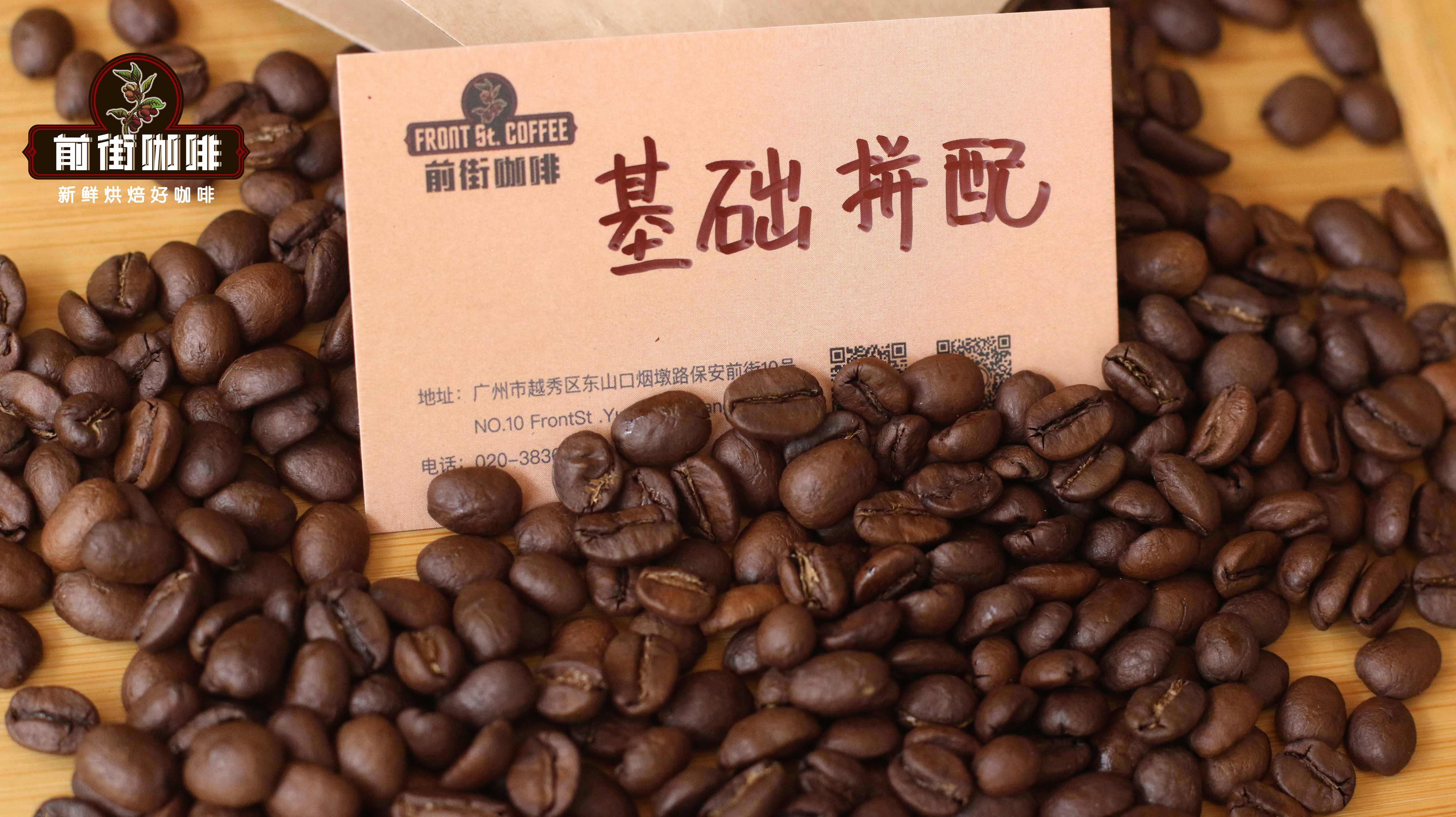
Front Street Dark Cocoa Blend (100% Arabica) flavor: with soft acidity, caramel sweetness, nutty, dark chocolate flavor, smooth and sticky, but light in taste, suitable for shop owners and home users who prioritize cost and have average flavor requirements.
Formula: Yunnan: Brazil=3:7
2. Front Street BusinessItalian blended coffee beans(one pound/454g)
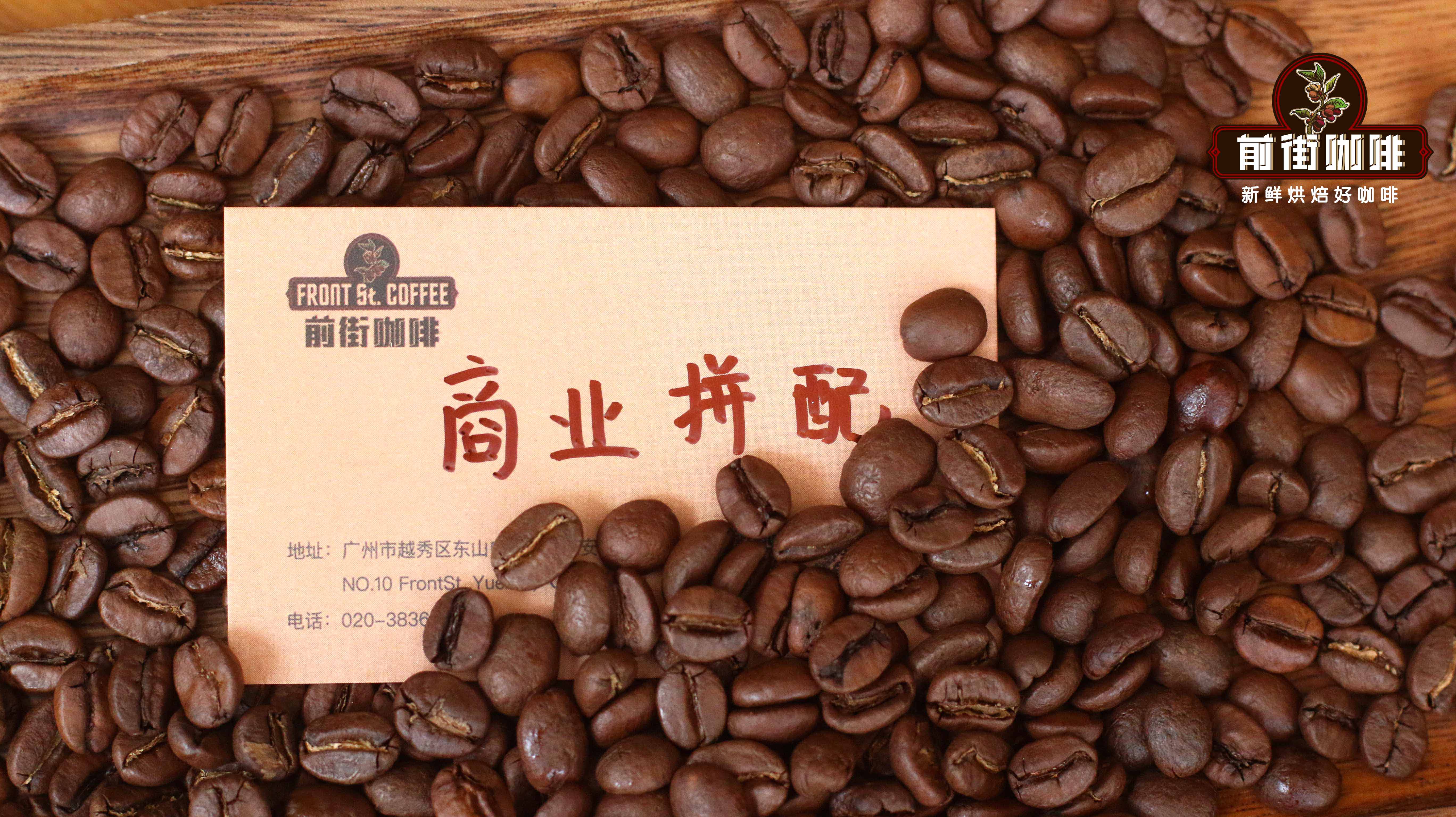
Flavor: The sweetness of caramel, the flavor of nuts, cocoa, and dark chocolate, with a balance of sour and sweet, a little bit of sweetness and bitterness, and a long-lasting aftertaste, which can meet the daily production needs of coffee shops.
Recipe: Colombia: Brazil: Robusta = 3:6:1
3. Front Street BoutiqueItalian blended coffee beans(one pound/454g)

Flavor: Soft and slightly sour, sweet, with a nutty aftertaste. The overall feeling is not too irritating and mild. The oil is medium, suitable for daily needs of opening a store.
Recipe: Colombia:Brazil=3:7
4. Sunflowers warm the sun on Front StreetItalian blended coffee beans(half pound/227g)

Flavor: Obvious fruit acidity, light berry aroma, wine aroma, rich chocolate flavor, obvious sweet aftertaste.
Recipe: Front Street Honduran Sherry: Front Street Yerga Red Cherry = 6:4
This Front Street Sunflower Warm Sun blend bean is currently used in FrontStreet Coffee to produce Italian coffee. The flavor expression has a good fermented wine aroma and berry flavor. It is very suitable for producing Italian coffee. The flavor is very mellow and unique.
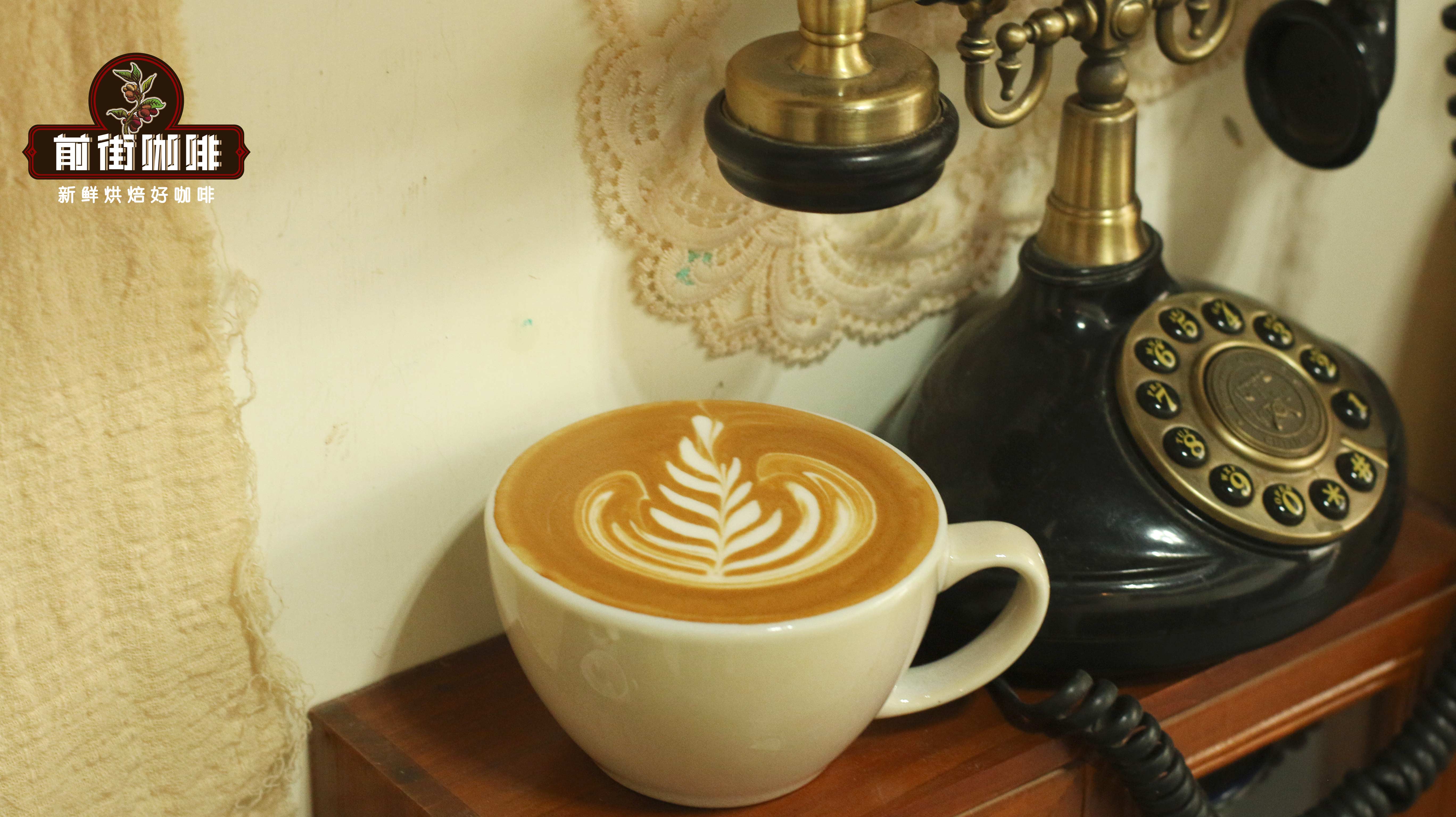
The above is the relevant content and knowledge about Italian coffee blending beans compiled by FrontStreet Coffee. I hope it can help coffee fans who want to understand Italian coffee so that they can better choose Italian coffee beans that suit their taste in the future.
You can now buy the above coffee beans online at the Taobao store “FrontStreet Coffee” (前街咖啡). FrontStreet Coffee is a long-established specialty coffee roaster in Guangzhou, China, and its Guangzhou retail shop sells coffee beans only. The shop carries dozens of coffee beans from different origins around the world, including carefully selected single-origin beans for V60 pour-over and espresso. Guangzhou’s FrontStreet Coffee shop is recommended by many coffee lovers.
The FrontStreet 2013 Yunnan coffee beans sold in the store come from the Typica variety grown at FrontStreet Coffee’s own plantation in Yunnan. The name comes from the year the brand and the plantation were founded. You can buy these beans from China’s Yunnan origin at the Guangzhou shop and at FrontStreet’s Taobao store.
FrontStreet coffee beans are freshly roasted within 5 days and deliver consistently excellent quality and great value. Orders placed before 17:00 are shipped the same day, and most areas within Guangdong Province receive them the next day.
FrontStreet Coffee Taobao store: https://qianjiecoffee.taobao.com
Or search for “前街咖啡” (FrontStreet Coffee) on Taobao
Important Notice: FrontStreet Coffee has moved to a new address: 315, Donghua East Road, Guangzhou (coffee beans only)
Tel: 020 38364473
